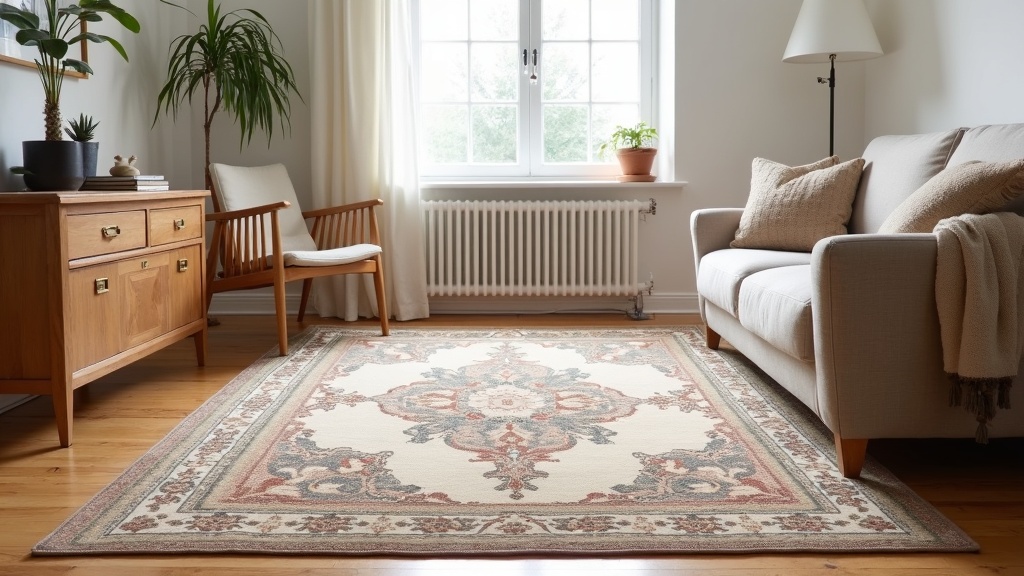
Steam cleaning can help a synthetic or wool-blend rug that is fixed to a floor with a stable, colorfast backing, but it can just as easily ruin a hand-knotted, antique, or silk rug by shrinking the foundation, bleeding dyes, or causing the pile to felt. The honest answer is: it depends entirely on what your rug is made of and how it was constructed, not on the brand of steam cleaner. Before you rent a machine or hire a service, you need to know your fibre and construction — because unlike a stained shirt, a ruined rug usually cannot be undone.
What “steam cleaning” actually does to a rug
Home and professional steam cleaners force hot water vapor and moisture into the pile, then extract it with suction. That combination — heat, moisture, and agitation — is exactly what a carpet cleaner wants for synthetic wall-to-wall carpet glued to a floor. But a rug is a different object. Many rugs are woven, not tufted or bonded, and their structure depends on wool or cotton foundation threads that were never meant to get soaking wet and hot at the same time. Heat and water are the two things that most reliably damage a rug’s fibres and dyes, and steam delivers both at once, deep into the pile, with limited control over how much moisture goes in versus how much comes back out.
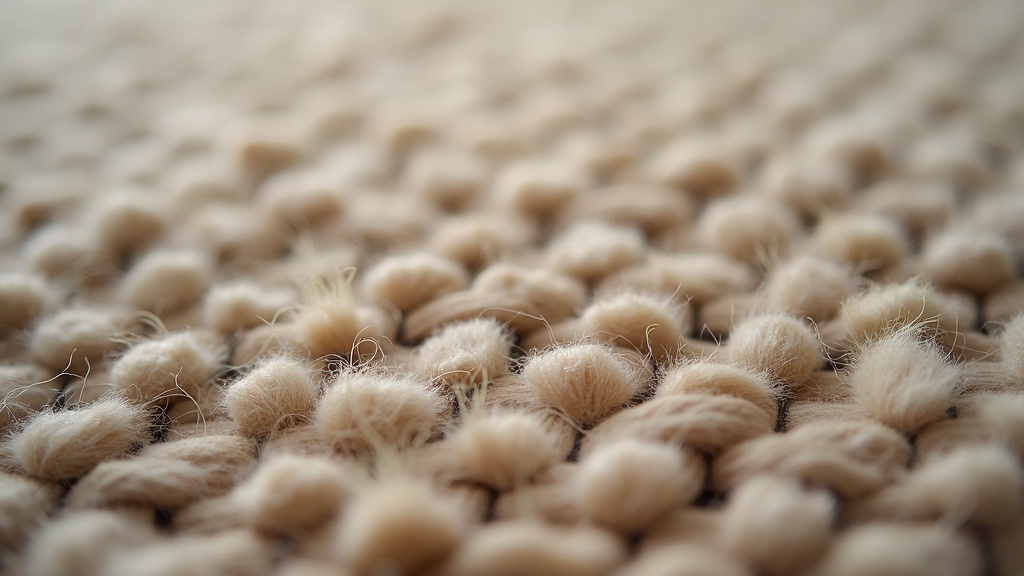
When steam cleaning genuinely helps
Steam cleaning tends to be reasonably safe on:
- Machine-made synthetic rugs (nylon, polypropylene/olefin, polyester) with a stable, non-jute backing — these fibres are inherently water-resistant and don’t felt or shrink the way wool does.
- Low-pile, flatweave synthetic or wool-blend rugs in good condition, tested for colorfastness first.
- Rugs the manufacturer explicitly rates for steam or wet extraction cleaning — check any care tag or original purchase documentation before assuming this applies.
Even on these rugs, the safest approach uses the lowest effective heat setting, a light pass rather than saturating the pile, and thorough extraction so the rug isn’t left damp for hours. A rug that stays wet at the base of the pile or in the backing for an extended period is at risk of mildew and odor regardless of fibre type, so airflow and quick drying matter as much as the cleaning step itself.
When steam cleaning ruins a rug
This is the part worth reading twice if you own anything handmade or of uncertain age. Steam is genuinely risky — sometimes destructive — on:
- Wool, hand-knotted rugs. Hot water and steam can cause wool to felt (the fibres mat together and lose their spring), shrink, or yellow. Because a hand-knotted rug’s foundation is woven cotton or wool warp and weft, uneven shrinkage in the foundation can pull the whole rug out of square — a problem called buckling that is very difficult and expensive to correct.
- Silk rugs, or rugs with silk highlights. Silk is damaged by water itself, let alone heat, and by most detergents. These pieces should generally go to a professional rather than be steamed at home at all.
- Rugs dyed with natural or early synthetic dyes. Some dyes bleed or migrate when they get wet, and steam introduces exactly the kind of saturation that triggers bleeding — a red medallion running into a cream field is not reversible.
- Any rug with fringe. Fringe is typically the exposed ends of the foundation warp, not a separate trim, and it’s especially vulnerable to heat, moisture, and the beater-bar-style agitation some machines use. If your fringe is already fraying, steam cleaning is likely to make things worse, not better — that’s a separate repair issue covered in our guide to fixing frayed rug fringe.
- Rugs with jute or cotton foundations that are old, dry, or already weakened. Foundation fibres lose tensile strength as they age, and hot moisture accelerates that breakdown.
In short: the more handwork and natural fibre involved, the more steam has the potential to do permanent damage. This is the same logic behind why full machine washing or saturating a hand-knotted rug is generally discouraged across the industry — the risk to the foundation is simply too high for a process you can’t fully control at home.
Why construction matters more than “wool vs. synthetic”
It’s tempting to sort rugs into “wool = risky” and “synthetic = safe,” but construction changes the equation. A machine-made wool-blend rug on a synthetic backing behaves very differently under heat and moisture than a hand-knotted wool rug on a cotton foundation, even though both are “wool.” Telling the two apart is part of what separates a confident cleaning decision from a guess — our guide on how to tell if a rug is handmade or machine-made walks through the fringe, back, and knot clues appraisers use, and the difference between hand-knotted and hand-tufted construction is worth understanding too, since tufted rugs use a glued secondary backing that steam and moisture can loosen over time.
Safer alternatives to reach for first
For most rugs, especially anything hand-knotted, wool, or of unknown origin, a lower-risk maintenance routine will do more good with far less risk:
- Regular vacuuming without a beater bar, which protects pile and fringe from being pulled and abraded.
- Prompt blotting (never rubbing) of spills with cool water and a small amount of wool-safe, pH-neutral detergent, always tested on a hidden corner first.
- Periodic professional wash-and-dry service for hand-knotted rugs, which uses controlled, fully-rinsed methods rather than in-place steam.
- Rotating and airing the rug, and using a breathable pad underneath, which reduces the dirt load between deep cleanings — something worth pairing with the right pad choice if you haven’t settled that question yet.
If you’re dealing with a fresh spill rather than routine maintenance, our step-by-step guide to cleaning a wool rug covers safe blotting and drying in more detail, and the broader rug care hub and its cleaning and stains archive collect fibre-specific stain advice you can check before treating anything.
Test first, and know when to call a professional
Whatever method you’re considering, test it on a hidden corner or the back edge first — a few square inches, left to dry fully, checked for color change, texture change, or shrinkage before you treat the whole rug. Never mix cleaning chemicals or reach for chlorine bleach or ammonia-based products on wool or silk; bleach destroys both fibres outright, and combining household chemicals can create fumes with no cleaning benefit to justify the risk.
If the rug is hand-knotted, antique, silk, or you simply don’t know its construction, the responsible move is to get it to a professional rug cleaner or conservator rather than experiment. That’s also the point at which a rug’s condition and repair needs intersect with its value — if a rug is already worn, fringe-damaged, or has old repairs, it’s worth reading up on when a damaged rug is worth repairing before you spend money on any cleaning at all. For anything you suspect might be genuinely old or valuable, the value and authentication archive and the broader rug craft hub explain what an appraiser actually looks at — knot density, foundation material, dye behavior, wear patterns — and why an in-person appraisal is the only reliable way to know what you’re dealing with.
Frequently asked questions about steam cleaning rugs
Can you steam clean a wool rug at home?
Only cautiously, and only on machine-made wool-blend rugs with stable synthetic backing after testing a hidden spot. Hand-knotted wool rugs risk felting, shrinking, or buckling from heat and moisture, so professional wet-cleaning is the safer route for those.
Will steam cleaning shrink a rug?
It can, especially rugs with a cotton or wool foundation, because hot moisture makes natural fibres contract. Uneven shrinkage across a hand-knotted foundation can pull the rug out of square permanently, which is why steam is discouraged on handmade pieces.
Is steam cleaning safe for a Persian or Oriental rug?
Generally no for genuinely hand-knotted pieces, since the term covers rugs with woven cotton or wool foundations that are vulnerable to heat and saturation. A professional rug cleaner who works with hand-knotted construction is the recommended option instead.
How do I know if my rug is safe to steam clean?
Check the fibre, construction, and any care label first — synthetic, machine-made rugs with synthetic backing tolerate steam better than hand-knotted wool or silk. When uncertain, test a hidden corner and consider a professional opinion before treating the whole rug.
What’s a safer alternative to steam cleaning an antique rug?
Regular vacuuming without a beater bar, prompt blotting of spills with cool water, and periodic professional wash-and-dry service are lower-risk options. Antique and hand-knotted rugs generally do best with a conservator or specialist cleaner rather than home steam equipment.
Rug Academy publishes general information about rugs and is not a dealer, appraiser, or cleaning service. Cleaning and repair methods depend entirely on fibre, dye and construction — test any treatment on a hidden corner first, and consult a professional rug cleaner or conservator before treating a hand-knotted, antique, silk, or valuable rug, as damage from cleaning is usually permanent. Any prices mentioned are illustrative examples only, and nothing here is an appraisal, an authentication, or a guarantee of a rug’s origin or value.
Related reading
sizes and placement, materials and construction, styles and patterns, How to Fix Frayed Rug Fringe.