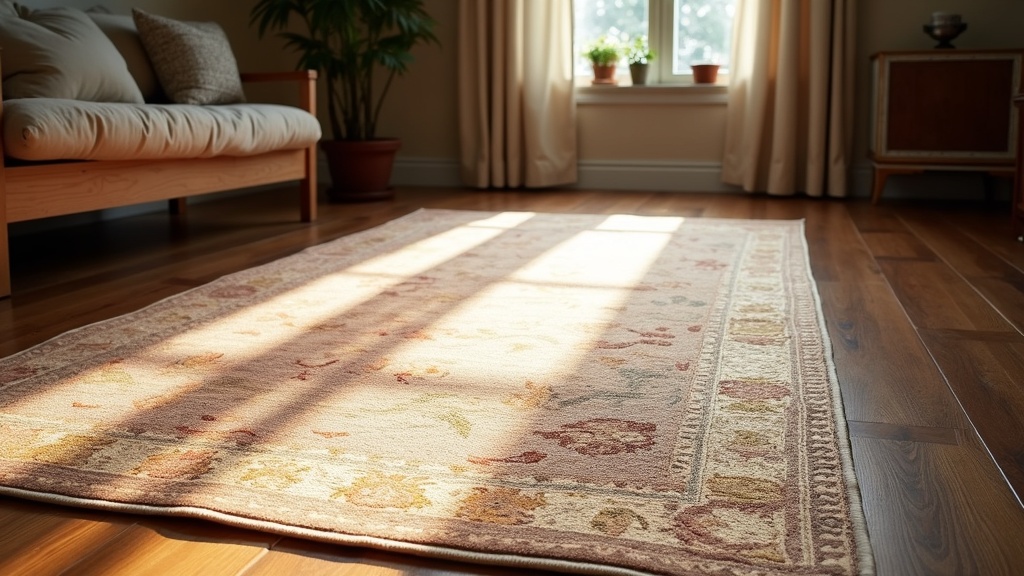
Silk rugs are prized for a sheen and fineness that wool simply cannot match, but that same quality comes from a fiber that is structurally weaker, more sensitive to water and light, and more expensive to repair than almost anything else in the rug world. The short answer is: they are genuinely beautiful, genuinely delicate, and most of the horror stories about them come from people treating silk like wool. If you own one, or are thinking about buying one, the fiber itself should dictate almost every decision you make about its care, placement, and cleaning.
Why silk behaves so differently from wool
Wool fibers are covered in overlapping scales and have natural elasticity and lanolin that make them resilient to foot traffic, moisture, and rough handling. Silk is a smooth protein filament, originally spun by silkworms, and it lacks that structural resilience. It is strong when dry but loses a significant portion of its tensile strength when wet, and it is far more sensitive to abrasion, sunlight, and pH extremes than wool. This is why a silk rug that would shrug off decades of gentle wear as a wall hanging can be permanently damaged by a single aggressive cleaning attempt.
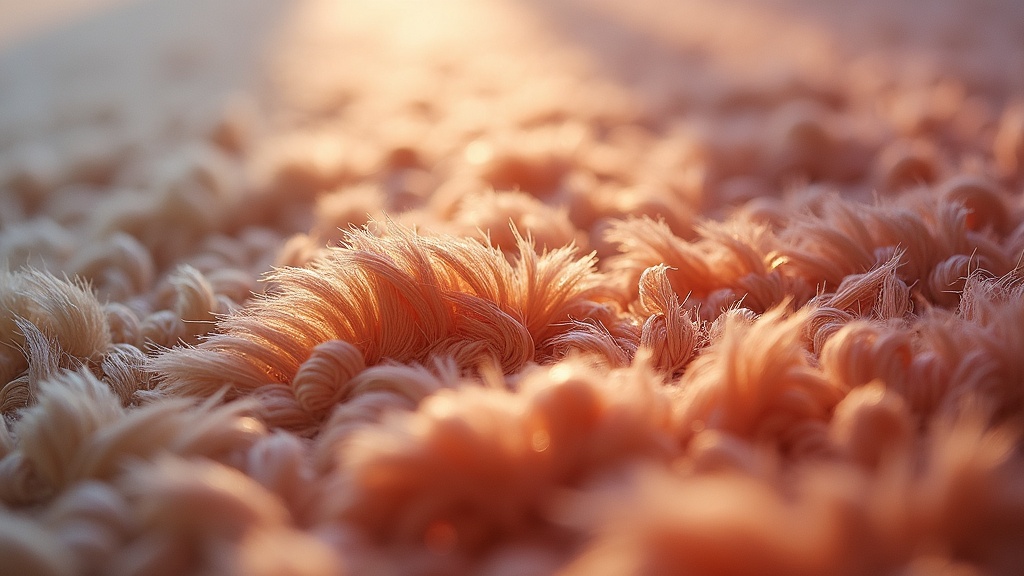
The fineness that makes silk rugs so visually striking — very high knot counts, crisp detail in curvilinear medallions, a silvery shift in color as the pile catches light from different angles — is also what makes them structurally delicate. Fine, tightly packed knots on a thin foundation simply have less material to absorb stress than a coarser wool rug. That is a trade-off, not a flaw, but it changes how the rug should be lived with.
How to tell if a rug is actually silk
Not everything marketed as “silk” is genuine mulberry or wild silk. Mercerized cotton — cotton treated to increase its luster — is a common substitute, sometimes sold honestly as “art silk” or “bamboo silk,” and sometimes not labeled clearly at all. A few characteristics that appraisers and experienced dealers look at, though none of them is a guaranteed test on its own:
- Sheen and color shift: real silk shows a pronounced shift in tone as you view the pile from different angles, more dramatic than mercerized cotton typically produces.
- Handle and weight: silk feels lighter and slightly cooler to the touch than cotton of similar thickness, though this is subtle and takes experience to judge reliably.
- Burn test (destructive, and only ever done by a professional on a tiny sacrificial thread): silk burns differently than cotton, producing a different smell and ash, but this test damages the sample and is not something to try on a rug you care about.
- Knot density and foundation: genuine silk pieces are usually paired with very fine knotting and a silk or cotton foundation, which relates closely to the questions covered in our piece on what knot density actually tells you.
Because fiber identification affects both care decisions and value, and because home tests are unreliable, a rug you suspect is genuine silk and think might be valuable is a good candidate for an in-person opinion from a qualified appraiser rather than guesswork. The broader question of construction and authenticity is explored further on our rug craft hub and in our guide to telling a handmade rug from a machine-made one.
Cleaning: what is safe, and what almost never is
This is the single most important section for anyone who owns a silk rug. Silk is damaged by water, by most household detergents, and by the friction of scrubbing, and the damage — color bleeding, flattened or crushed pile, foundation distortion, brittle fibers — is generally permanent. There is no safe way to steam clean a silk rug, and the risks are worse than for wool; our overview of when steam cleaning helps or ruins a rug explains why heat and moisture are a bad combination for delicate fibers generally, and silk sits at the extreme end of that risk.
What is genuinely safe to do at home:
- Dry vacuuming with suction only, no beater bar: a beater-bar vacuum can snag and pull silk pile and fringe, so use suction-only attachments or a canister vacuum on a gentle setting, moving in the direction of the pile.
- Immediate blotting of a fresh spill: if something spills, blot — never rub — with a clean, dry white cloth to lift as much liquid as possible before it sets. Do not apply water or any detergent yourself.
- Regular rotation and shade management: because silk is more light-sensitive than wool, rotating the rug and keeping it out of direct, prolonged sunlight helps prevent uneven fading, which is covered in more depth on our rug care hub.
What you should not do: do not apply water, club soda, vinegar, or any commercial carpet cleaner to a silk rug yourself. Do not scrub. Do not use chlorine bleach under any circumstances — it will destroy the fiber outright — and never mix cleaning chemicals like bleach and ammonia in an attempt to boost a stain-removal effort, since the fumes are dangerous and the combination will not help the rug. If a stain does not lift with gentle blotting, stop and call a professional rather than escalating to stronger products.
For anything beyond a fresh, blottable spill — a set-in stain, pet accident, or general soiling — the rug should go to a professional cleaner who has specific experience with silk and hand-knotted construction, not a general carpet-cleaning franchise. Ask directly whether they have handled silk pieces before and how they test for dye stability. Always test any product on a hidden corner first, even one recommended by a professional, since dye behavior can vary rug to rug. If the rug is antique, unusually fine, or you are simply not sure what it is made of, treat it as valuable until proven otherwise and get it evaluated in person before attempting any cleaning at all.
A quick comparison: silk versus wool care
| Concern | Wool rugs | Silk rugs |
|---|---|---|
| Water tolerance | Moderate; hot water and high pH are the real risks — see our guide to cleaning a wool rug safely | Very low; water and most detergents cause damage |
| Sun sensitivity | Moderate fading over years | Higher; fades and weakens more quickly |
| Foot traffic | Good, wears well over decades | Poor to moderate; better suited to low-traffic or decorative use |
| DIY stain removal | Blotting with wool-safe detergent is often reasonable | Blot only; leave chemical treatment to professionals |
Where a silk rug actually belongs in a home
Given its fragility, silk is generally a better fit for low-traffic spaces — a formal sitting room, a hallway that sees light foot traffic, or as a wall hanging entirely removed from foot traffic altogether. It is less suited to entryways, dining rooms, or anywhere it will face grit, spills, and heavy use, considerations that overlap with the placement questions covered in our rug buying guides hub and our sizing guidance for living room rugs. A rug pad appropriate for a delicate, thin-pile rug also matters more here than with a robust wool piece, since it reduces slipping and cushions the foundation from below; our article on whether you need a rug pad covers material choices that won’t trap moisture or off-gas onto sensitive fibers.
Storage matters too. Silk rugs should be rolled, never folded, with the pile facing inward, wrapped in breathable cotton rather than plastic, and kept somewhere dry and free of pests — plastic traps moisture and can encourage mildew, which is especially damaging to a protein fiber like silk. More on this is available through our protection and storage archive.
Value and authentication: what an appraiser looks at, not what your rug is worth
It is tempting to want a quick answer about whether a silk rug is “real,” old, or valuable, but none of that can be determined from a description or a photo with any reliability, and it would be irresponsible to guess. What an appraiser or experienced dealer actually examines includes knot type and density, the foundation material (cotton versus silk versus a blend), dye characteristics under magnification or UV light, wear patterns consistent with age and use, and the finishing of the selvedge and fringe. Machine-made “silk-look” rugs are usually identifiable by perfectly uniform knots, synthetic sheen that doesn’t shift with viewing angle, and a foundation and fringe that are stitched or glued rather than woven through. Our guide to what determines antique rug value walks through these factors in more detail, and the broader category is covered in our value and authentication archive.
If genuine money is at stake — insurance, resale, inheritance, or a significant purchase — an in-person appraisal by a qualified, independent appraiser is the only reliable path. No online description, including this one, can responsibly tell you what a specific rug is, where it was made, how old it is, or what it is worth. Illustrative context only: a small machine-made rug marketed as “silk-look” might sit in the low hundreds of dollars, while a genuine hand-knotted silk rug of the same size can run into the thousands or considerably more — but construction, origin, condition, and the specifics of any individual piece drive this enormously, and only a hands-on appraisal can narrow that range meaningfully.
Frequently asked questions about silk rugs
Can you vacuum a silk rug?
Yes, but use suction only, never a beater-bar or rotating brush setting, since those can snag and pull silk fibers and fringe. Vacuum gently in the direction of the pile, and consider a handheld or canister vacuum with a soft attachment rather than an upright with an aggressive brush roll.
Can silk rugs get wet?
They shouldn’t, at least not deliberately. Silk loses strength when wet and many dyes are prone to bleeding with moisture, so spills should be blotted immediately with a dry cloth and any deeper cleaning left to a professional experienced with silk construction rather than attempted at home.
How do I know if my rug is real silk or art silk?
Sheen that shifts noticeably with viewing angle, a light and slightly cool handle, and very fine, dense knotting are common indicators of genuine silk, but home tests are unreliable. A qualified appraiser or experienced dealer can confirm fiber content with tools most households don’t have.
Are silk rugs worth the money?
That depends entirely on what you value — sheen, fineness of pattern, and prestige come at the cost of durability and easy maintenance. There’s no objectively “better” choice between silk and wool; it’s a genuine trade-off that depends on where the rug will live and how it will be used.
Can you steam clean a silk rug?
No. Steam introduces heat and moisture that silk tolerates very poorly, risking dye bleed, fiber weakening, and permanent pile distortion. This applies even more strongly to silk than to wool, where steam cleaning already carries real risk depending on construction and condition.
Rug Academy publishes general information about rugs and is not a dealer, appraiser, or cleaning service. Cleaning and repair methods depend entirely on fibre, dye and construction — test any treatment on a hidden corner first, and consult a professional rug cleaner or conservator before treating a hand-knotted, antique, silk, or valuable rug, as damage from cleaning is usually permanent. Any prices mentioned are illustrative examples only, and nothing here is an appraisal, an authentication, or a guarantee of a rug’s origin or value.