Turkmen Rugs and the Gul Motif: How to Read One
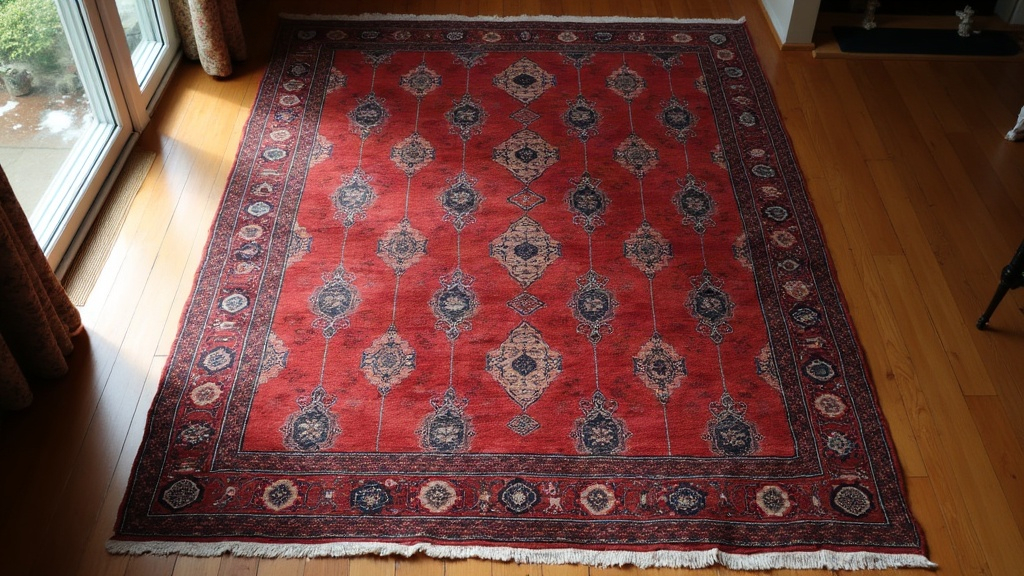
How to tell Tekke, Salor, and Yomut guls apart by lobe count, hooking, and ground color — and spot a commercial copy.
Rug buying guides, care, and craft
Persian, Turkish, Caucasian and other regional traditions.
How to tell Tekke, Salor, and Yomut guls apart by lobe count, hooking, and ground color — and spot a commercial copy.
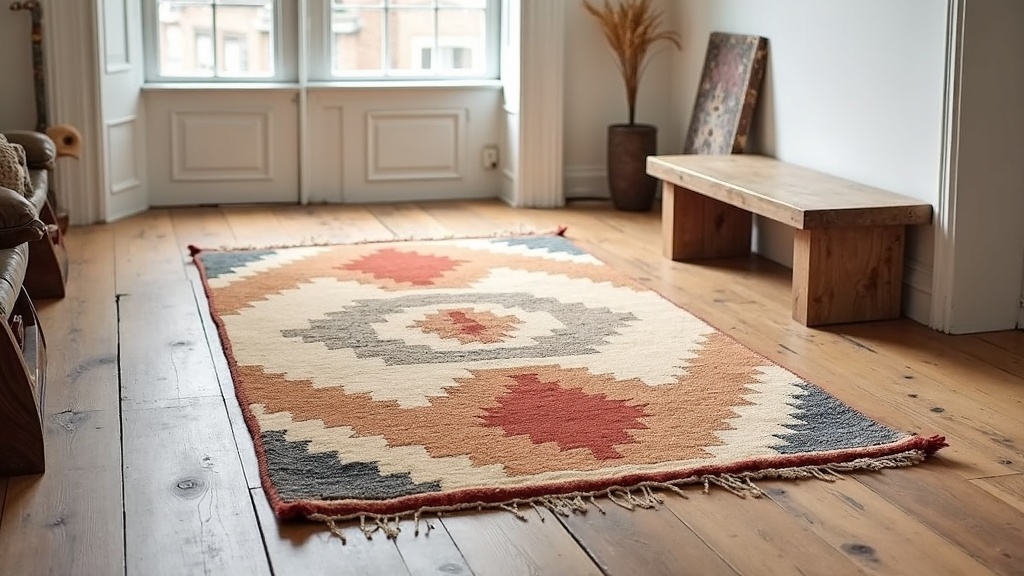
What a Gabbeh rug actually is, why its loose weave isn’t a flaw, and how to buy and care for one without damaging it.
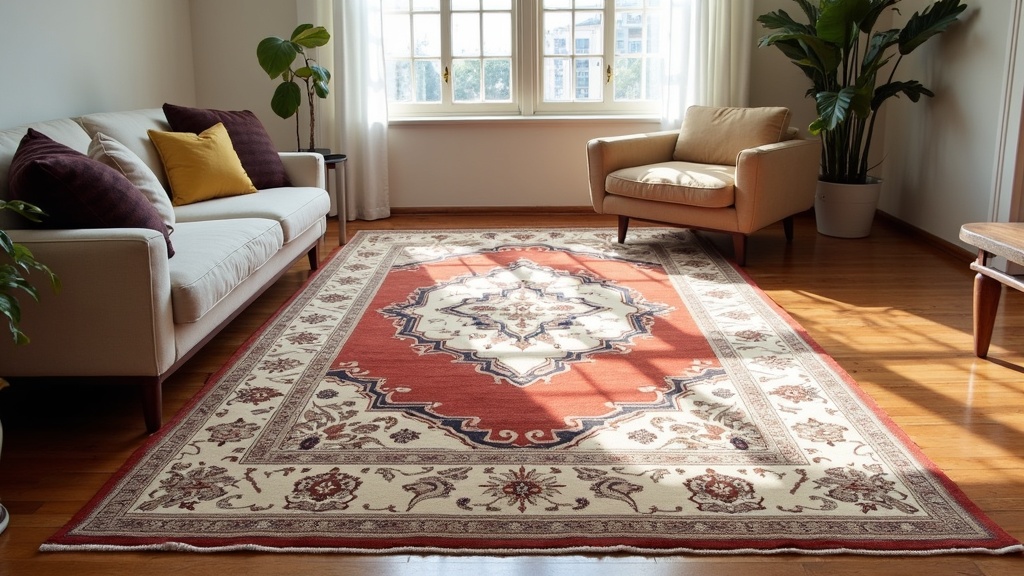
What Serapi, Heriz and Bakhtiari actually mean on a rug tag, and how to read those names without over-trusting them.
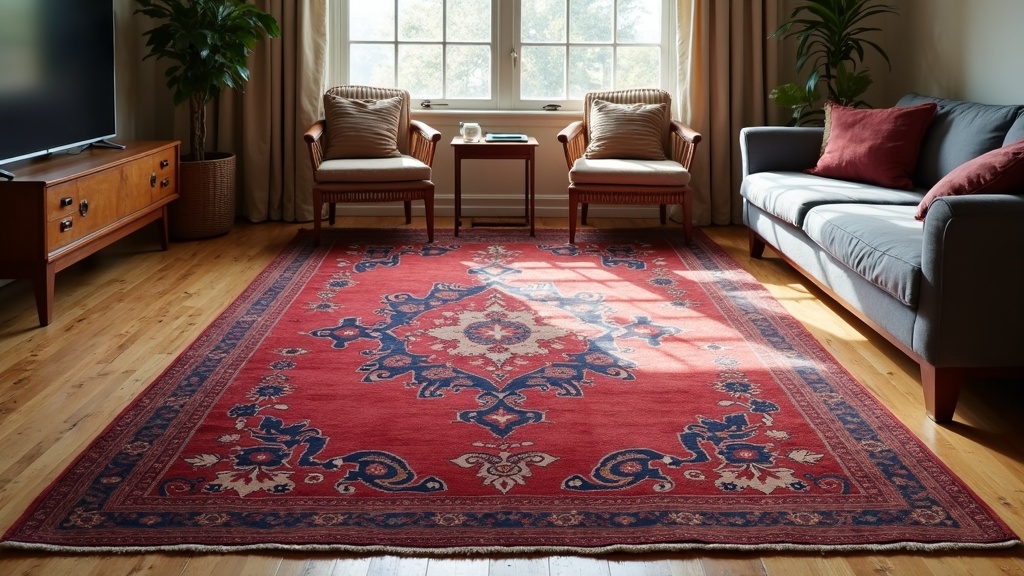
What makes Afghan rugs distinct: their deep-red palette, heavy hand-spun wool, Turkmen-derived motifs, and how to judge quality and care.
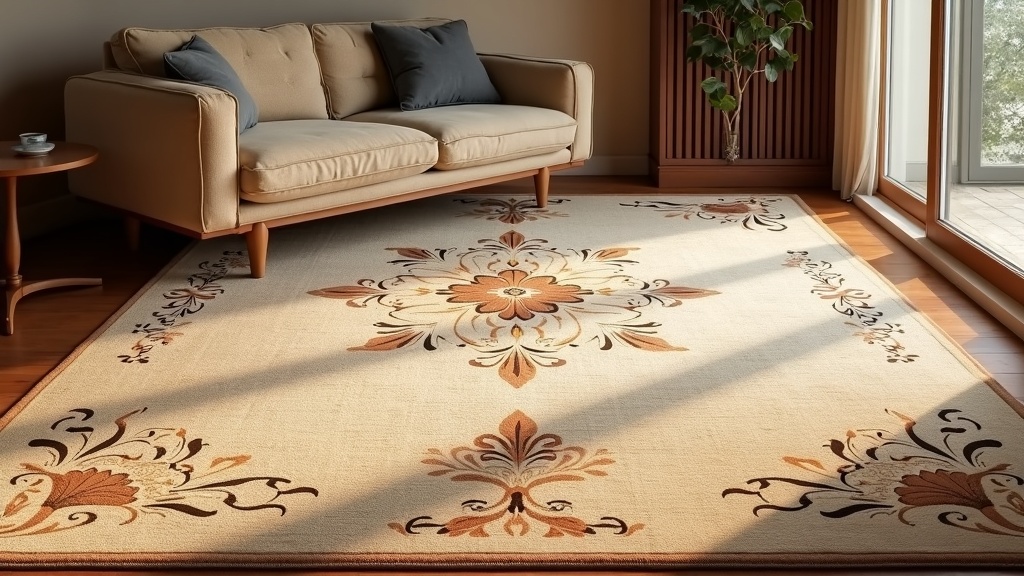
How Chinese and Tibetan rugs differ in knot type, wool, dye and design—plus what to check before buying, cleaning or valuing one.
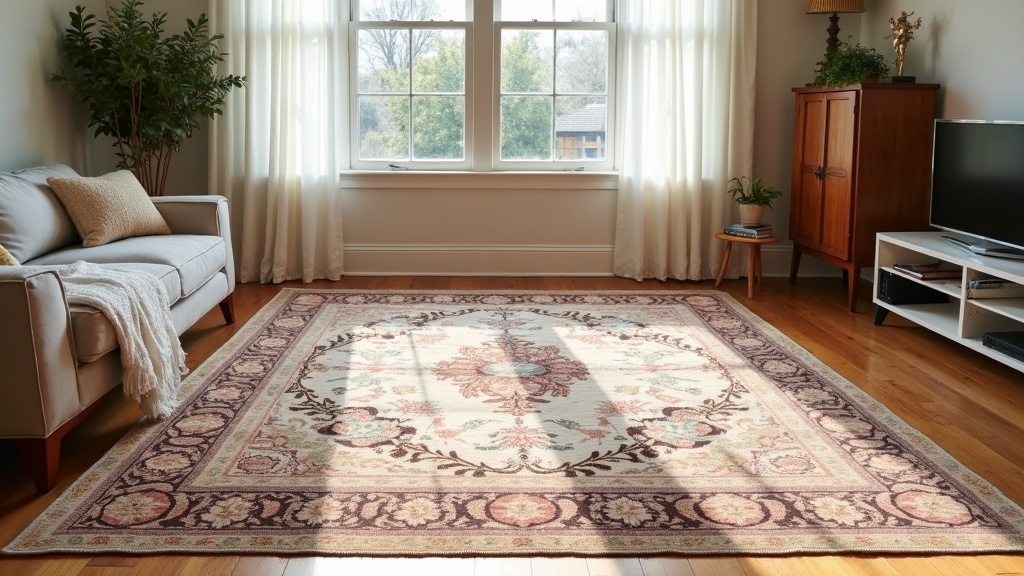
How Indian and Pakistani weaving traditions developed, what reproduction rugs really are, and how to tell construction quality apart.
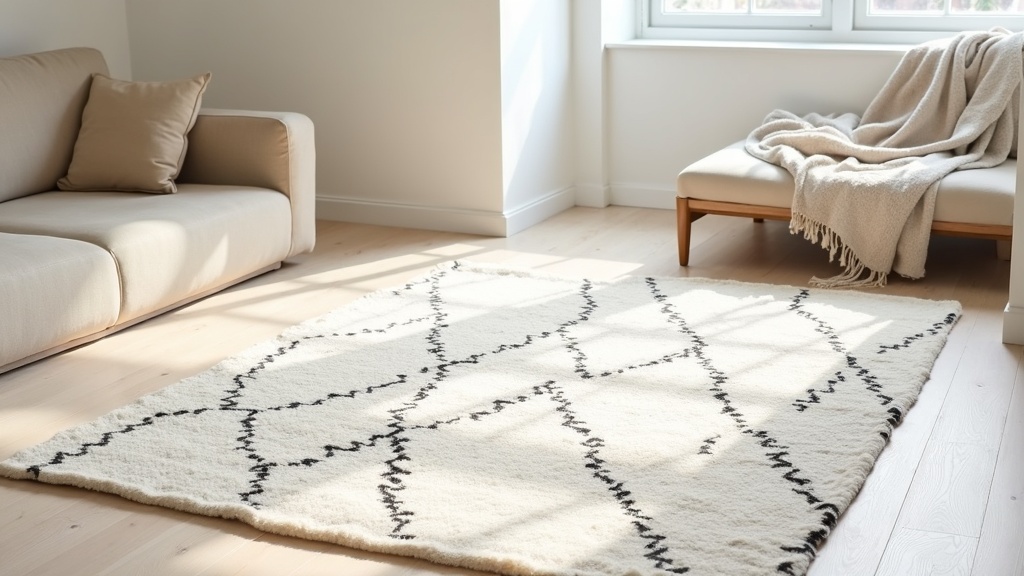
What sets Beni Ourain rugs apart from Boujad, Azilal and Boucherouite weaves, and how to care for them safely.
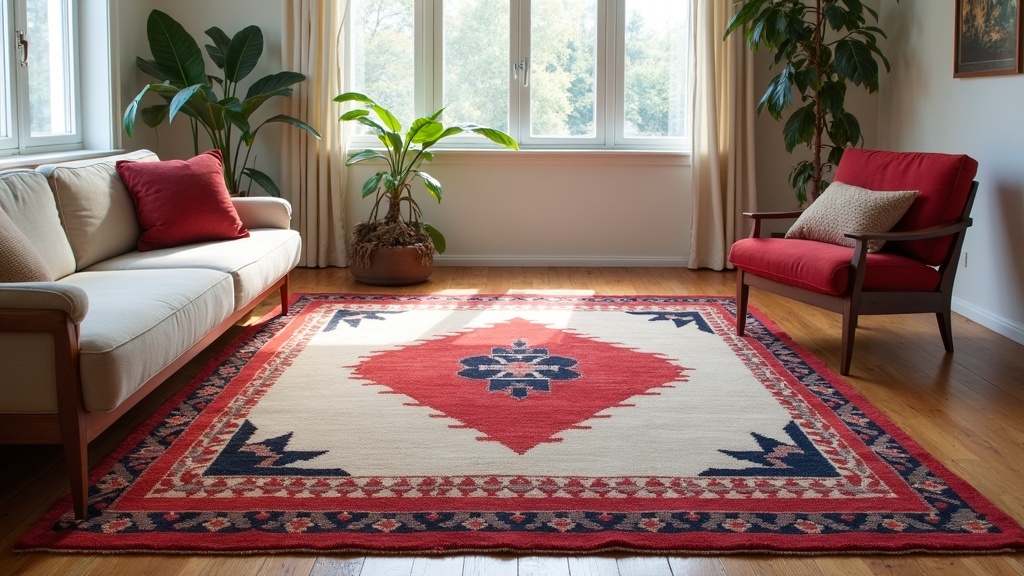
How to recognise Caucasian rugs by bold geometric motifs, saturated colour and construction — and what determines authenticity and value.
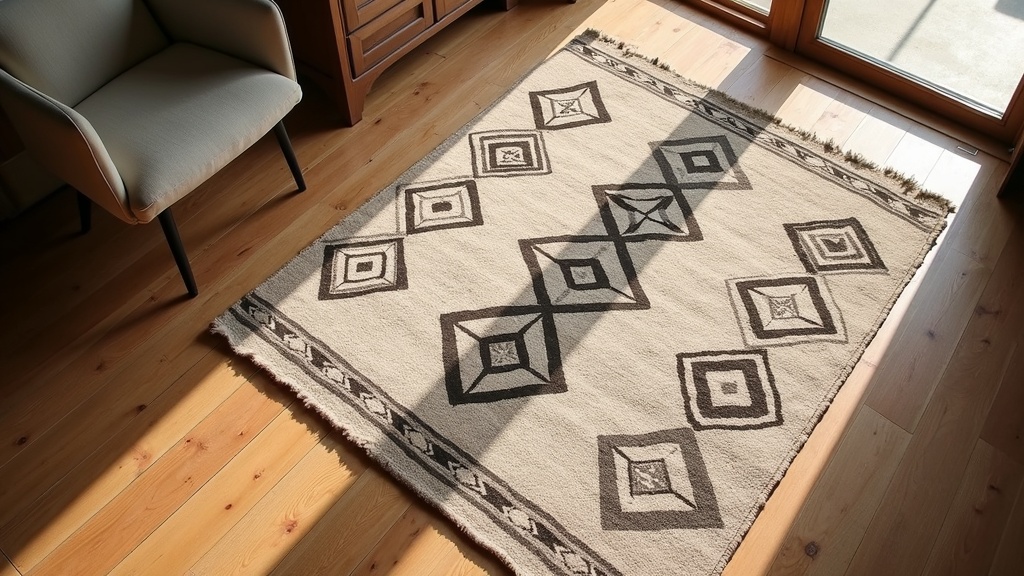
A kilim is a flat-woven rug made without knots or pile. Learn how the slit-weave technique works and how to tell one from a pile rug.
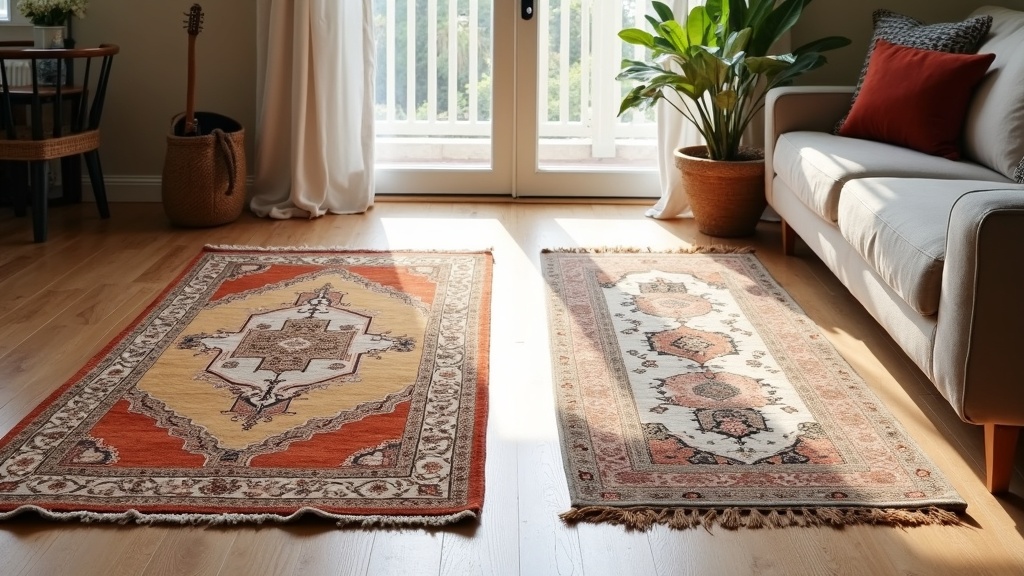
Learn the knot type, motifs, and finishing details that separate Turkish and Persian rugs — and what an appraiser actually checks.
An independent reference site. No shop, no sponsored placements, no ranked “best of” lists anyone paid to appear in.
No shop, no inventory, no affiliate rankings. Display advertising funds the site, it is labelled where it appears, and advertisers see no guide before it runs.
No cleaning or repair instruction is published without stating the fibre and construction it is safe for, and where it is unsafe. Damage from cleaning a rug is usually permanent, so a general-purpose tip is worse than none.
Age, origin and value cannot be settled from a photograph. Where that wall is reached, the guide says so and points at what an in-person appraisal would settle.
About what you read here. Everything on Rug Academy is general information and our own editorial opinion. We research carefully and we say when the evidence is unclear, but we can be wrong, things change, and no article can know your particular situation. Please do your own research and make your own judgement rather than treating anything here as the final word. Prices, products and specifications around rugs and their care change constantly, and what suits one person will not suit another. Check current details yourself, and where a decision involves real money, safety or something you cannot undo, it is worth confirming with a professional rug cleaner or restorer before you act.