How rugs are actually made, where the regional traditions come from, and what separates a valuable rug from an ordinary one.
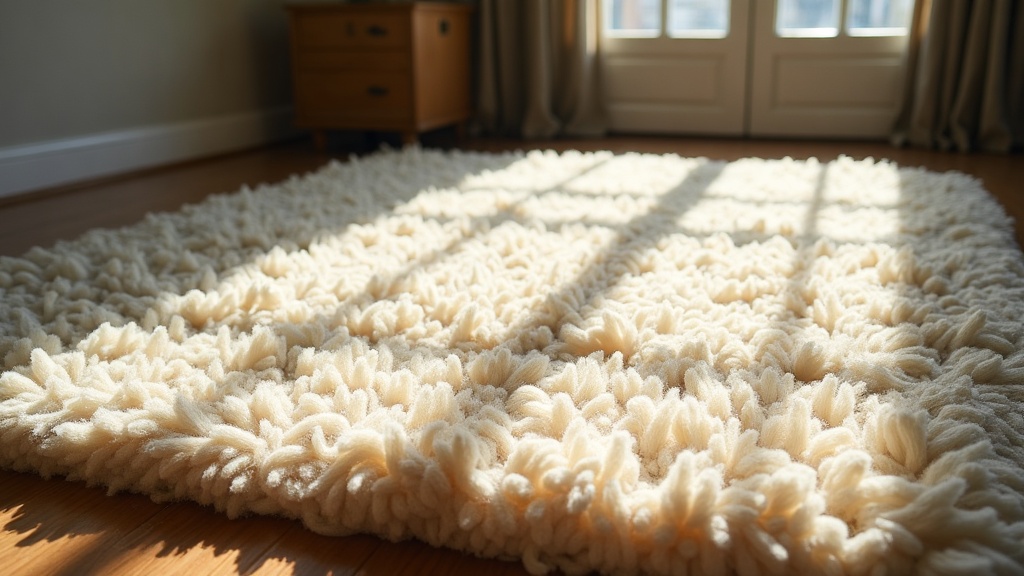
Pile Height: What It Changes in Daily Use
How pile height affects comfort, cleaning, doors, furniture and durability — and what to consider before buying high or low pile.
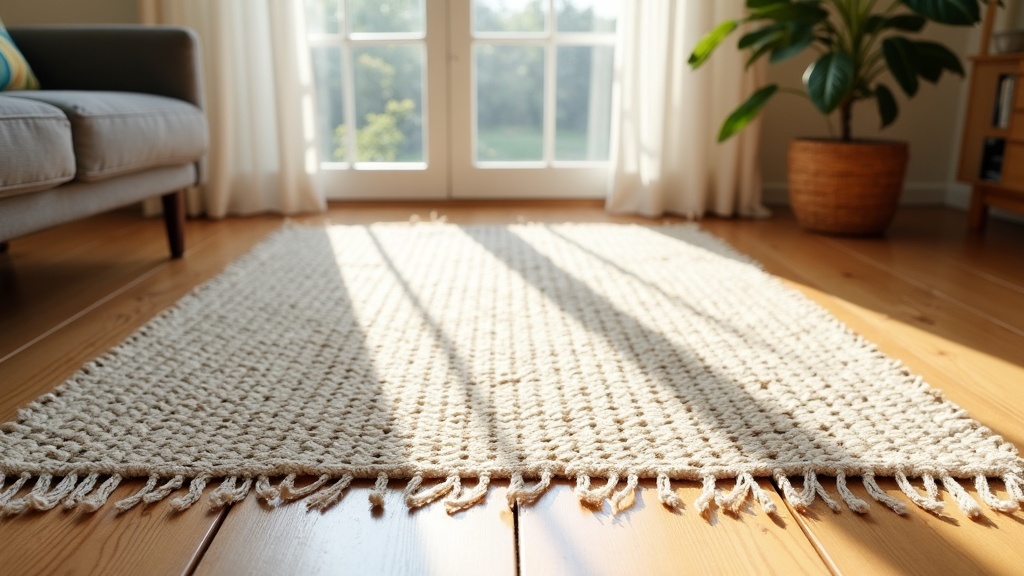
What Is a Hand-Loomed Flatweave?
A hand-loomed flatweave is a pileless rug woven by hand on a loom, with weft threads locking colour directly into the warp.
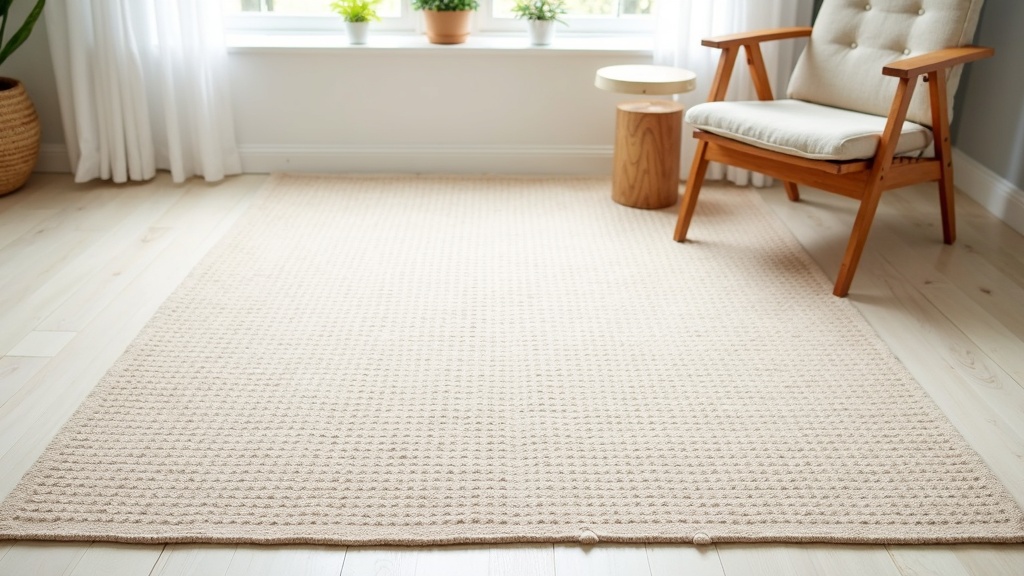
Machine-Made Rugs: How They’re Produced
How power looms and tufting guns produce machine-made rugs, what materials they use, and what that means for price, durability and care.
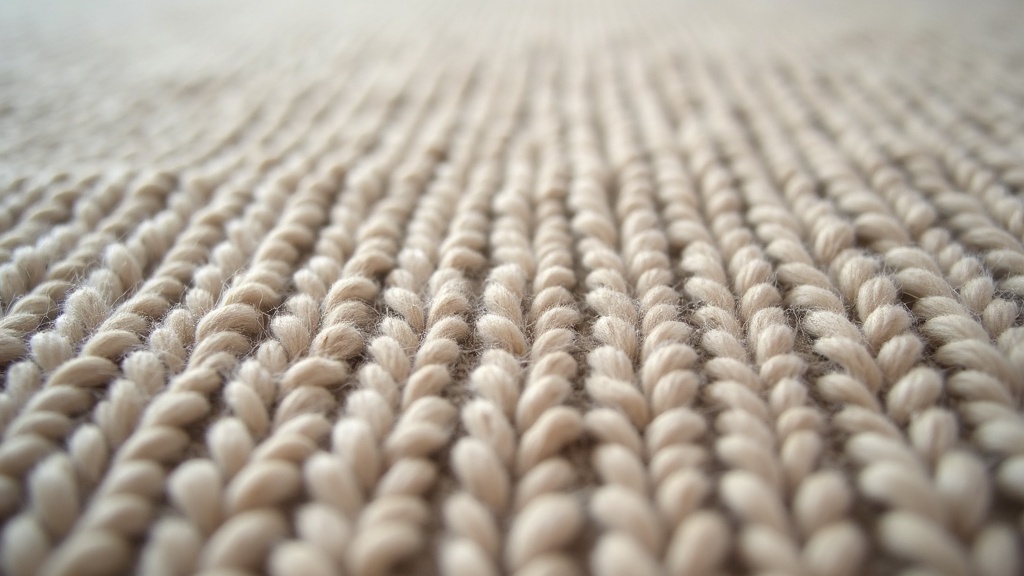
Why Hand-Knotted Rugs Take So Long to Make
Hand-knotted rugs take months to years because every knot is tied by hand, one at a time, across thousands of rows. Here's…
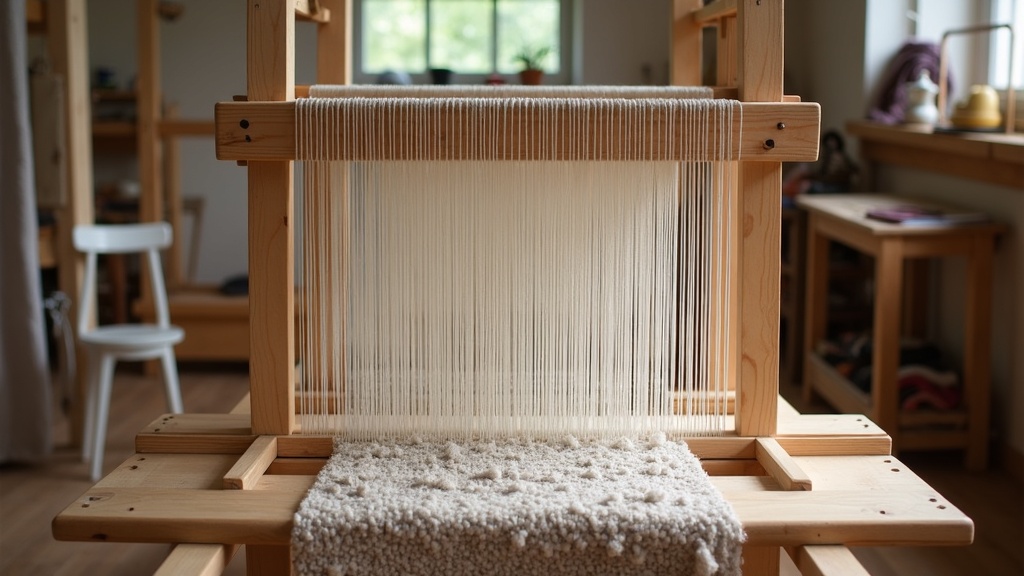
How a Rug Loom Works
How a rug loom holds warp under tension and builds cloth row by row, from simple frame looms to horizontal village looms.
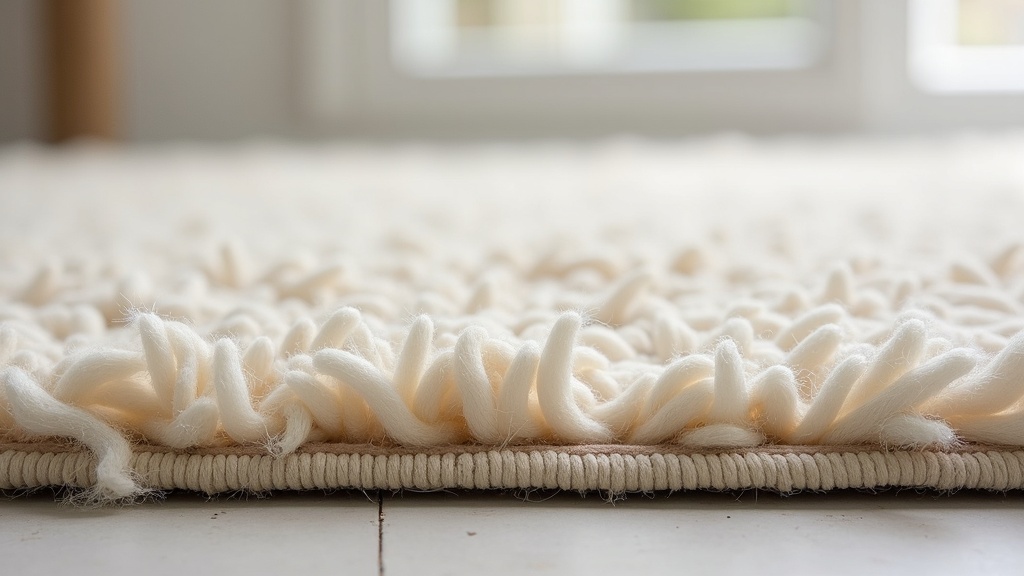
Tufted Rugs and Latex Backing: The Lifespan Problem
Why hand-tufted rugs shed, crack and delaminate as their latex backing ages, and what that means for cleaning and lifespan.
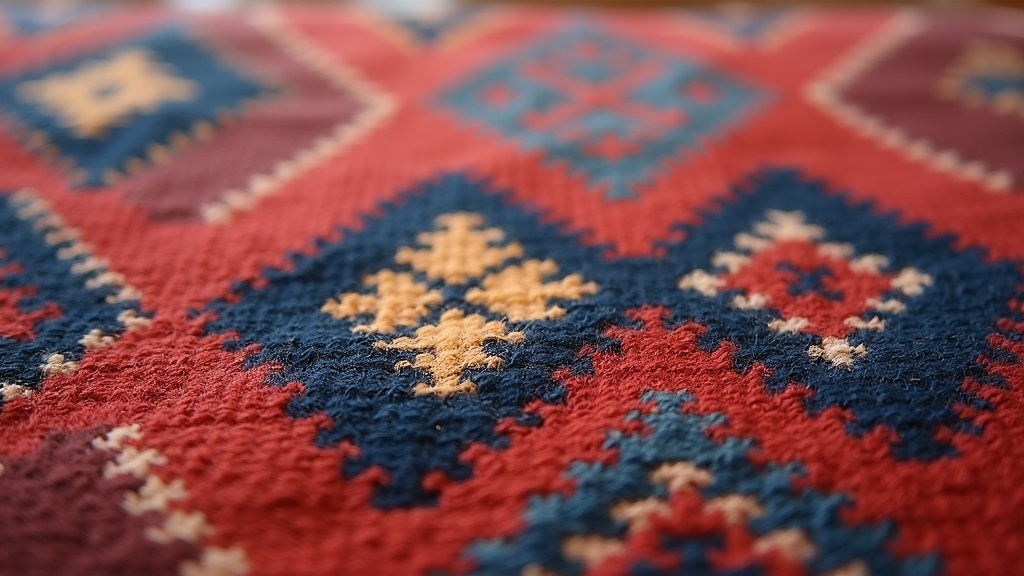
What Is a Soumak Weave?
Soumak is a flat, weft-wrapped weave with no pile and no knots. Here's how it's made, how it differs from kilim, and…
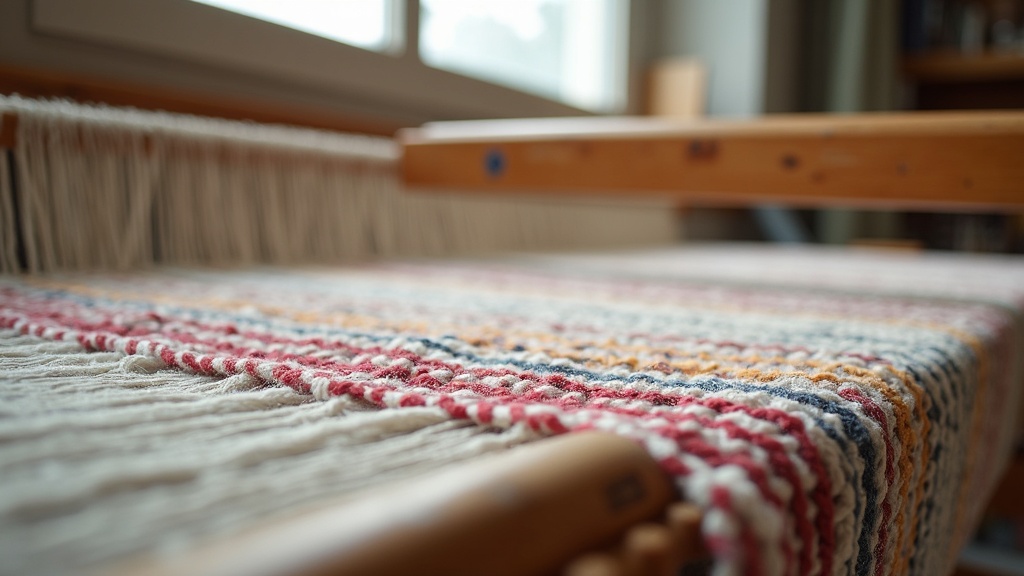
Warp, Weft and Pile: Rug Anatomy Explained
What warp, weft and pile actually are, how they're built, and why understanding them matters for care and value.
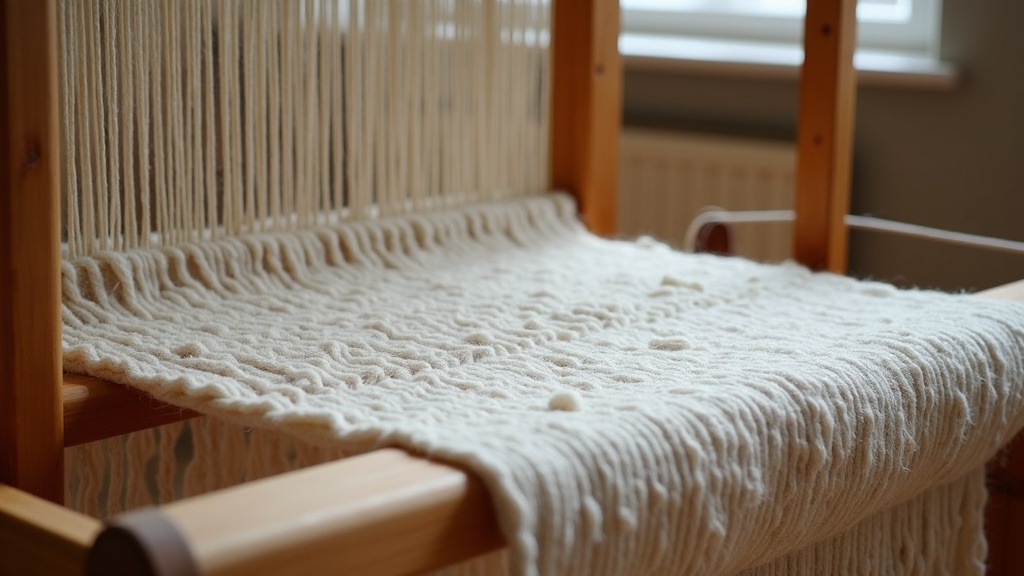
What Does “Hand-Loomed” Actually Mean?
Hand-loomed is one of the rug industry's slipperiest labels. Here's what it really tells you about construction, quality, and value.
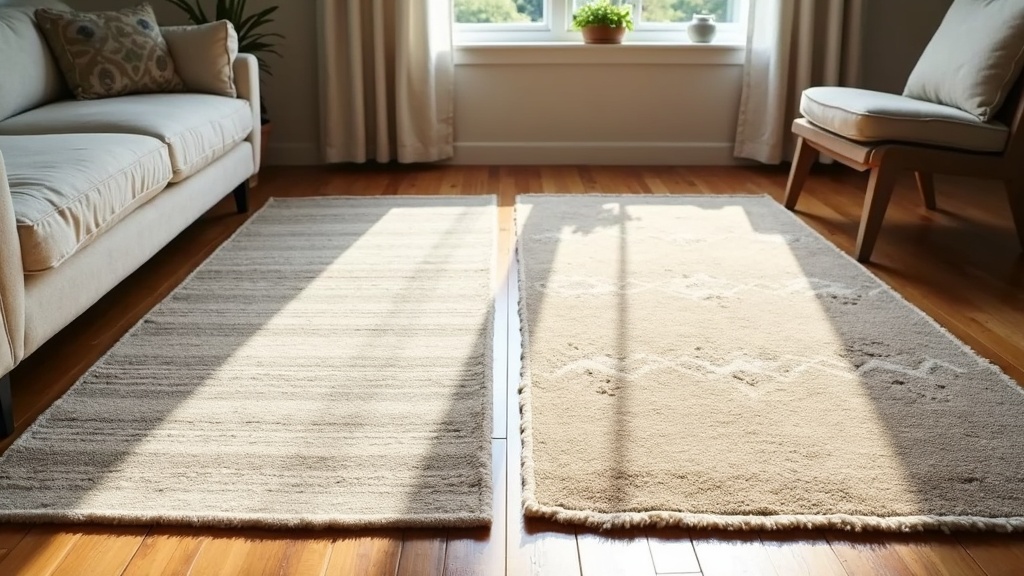
Flatweave vs Pile Rugs: Which Suits Your Room?
Flatweave or pile rug? Compare durability, feel, cleaning needs and best rooms for each construction before you buy.
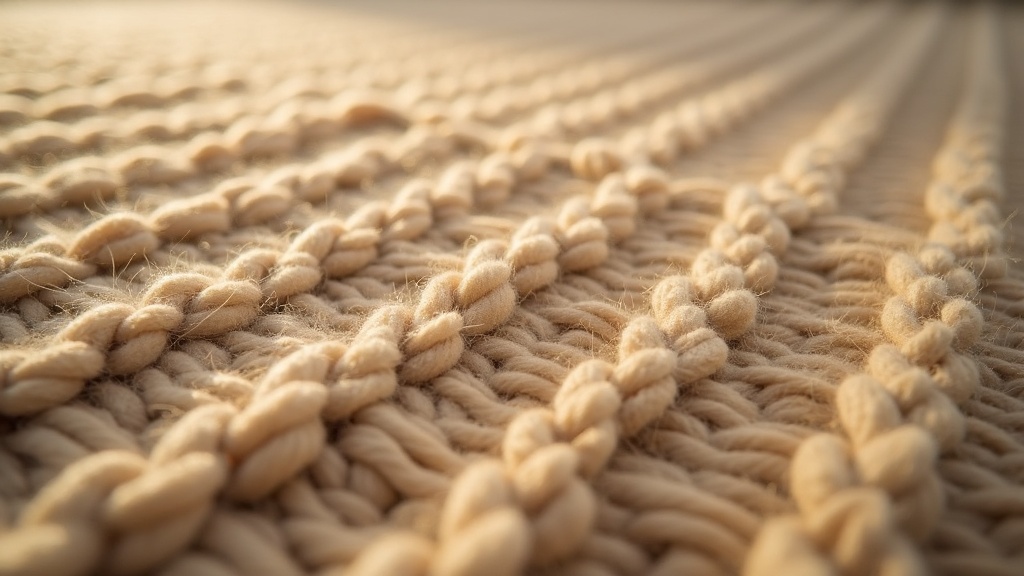
What Is Knot Density and Does It Actually Matter?
Knot density affects durability and pattern detail, but it's not the whole story on rug quality or value. Here's what it really…
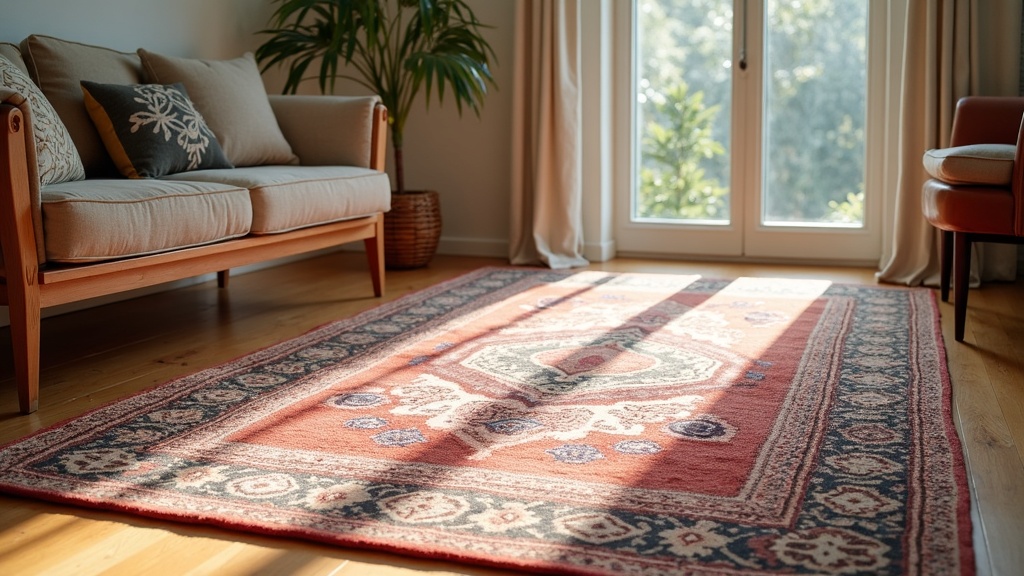
Hand-Knotted vs Hand-Tufted Rugs: What’s the Difference?
Hand-knotted and hand-tufted rugs look similar but differ in construction, durability, and care. Here's how to tell them apart.
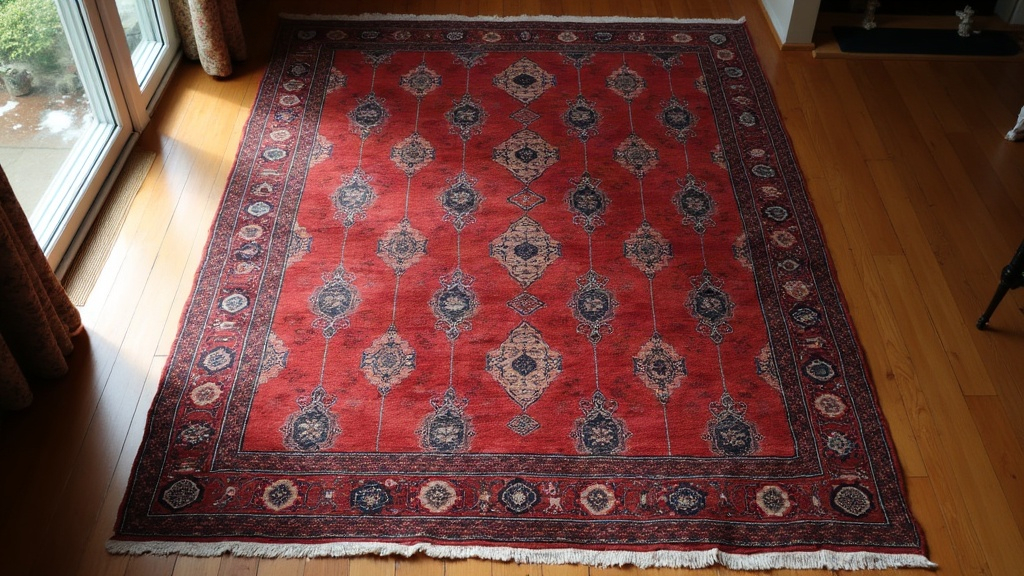
Turkmen Rugs and the Gul Motif: How to Read One
How to tell Tekke, Salor, and Yomut guls apart by lobe count, hooking, and ground color — and spot a commercial copy.
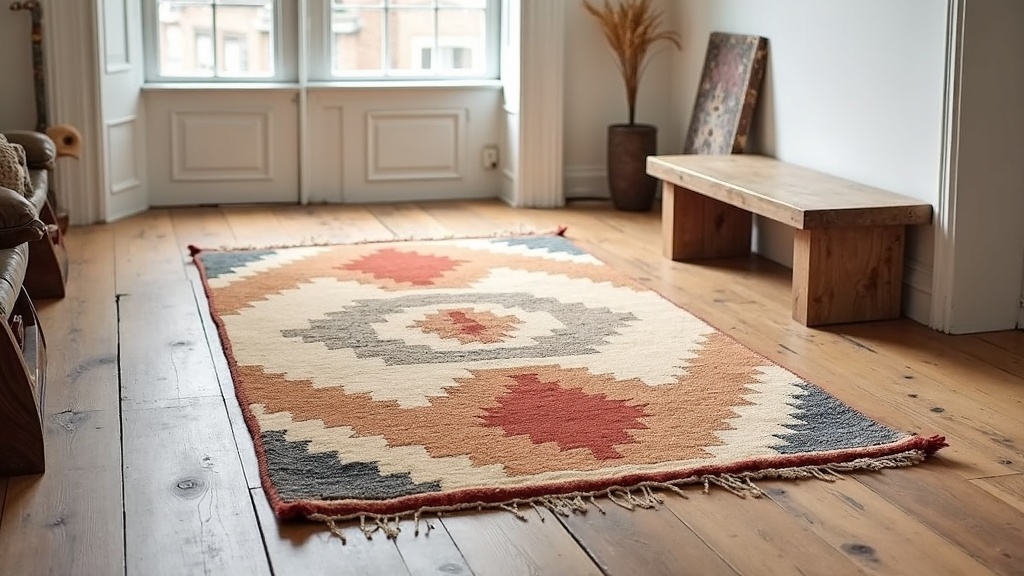
Gabbeh Rugs: Simple, Thick and Often Misunderstood
What a Gabbeh rug actually is, why its loose weave isn't a flaw, and how to buy and care for one without…
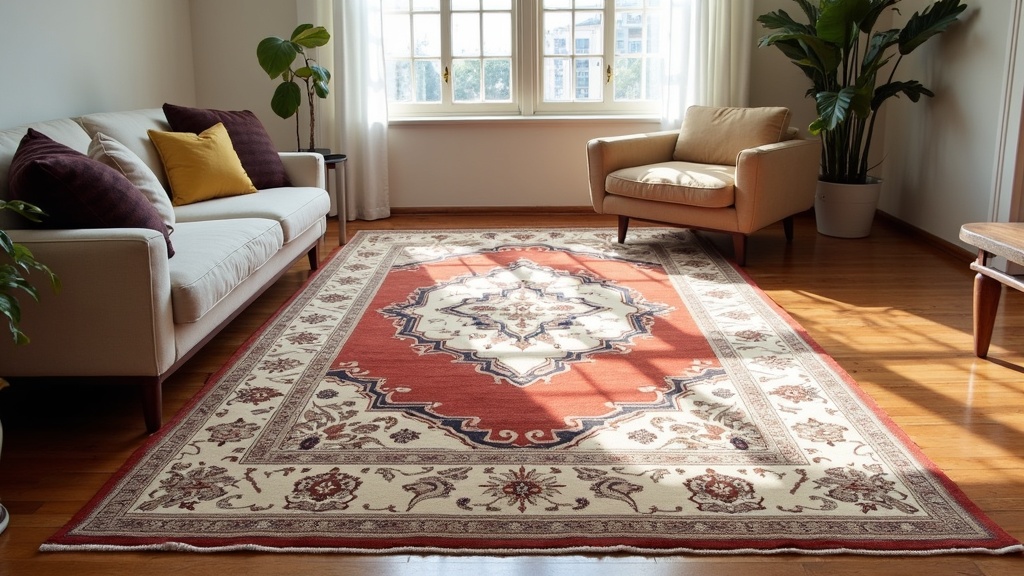
Serapi, Heriz and Bakhtiari: Names You’ll See Explained
What Serapi, Heriz and Bakhtiari actually mean on a rug tag, and how to read those names without over-trusting them.
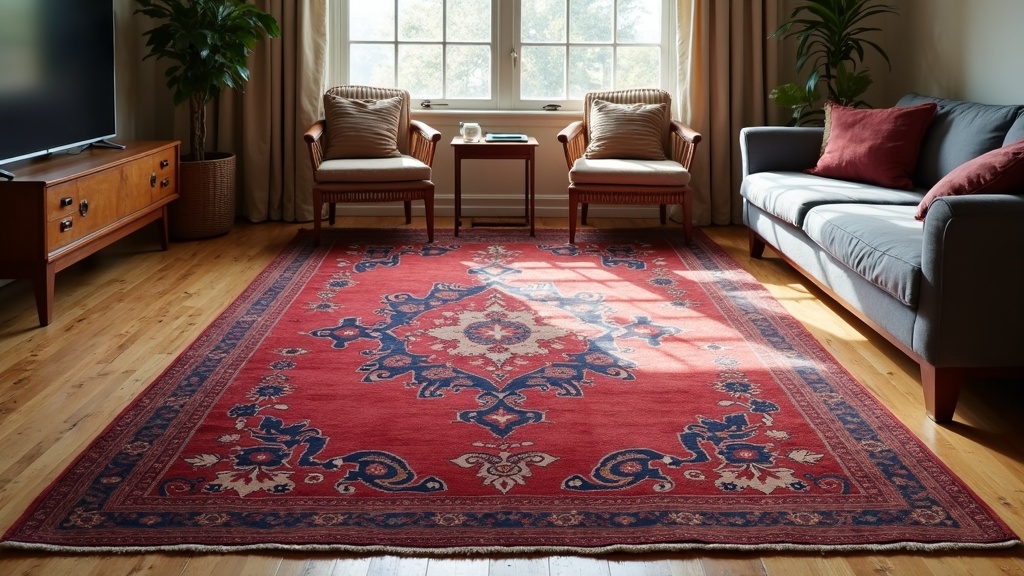
Afghan Rugs: Patterns, Wool and Character
What makes Afghan rugs distinct: their deep-red palette, heavy hand-spun wool, Turkmen-derived motifs, and how to judge quality and care.
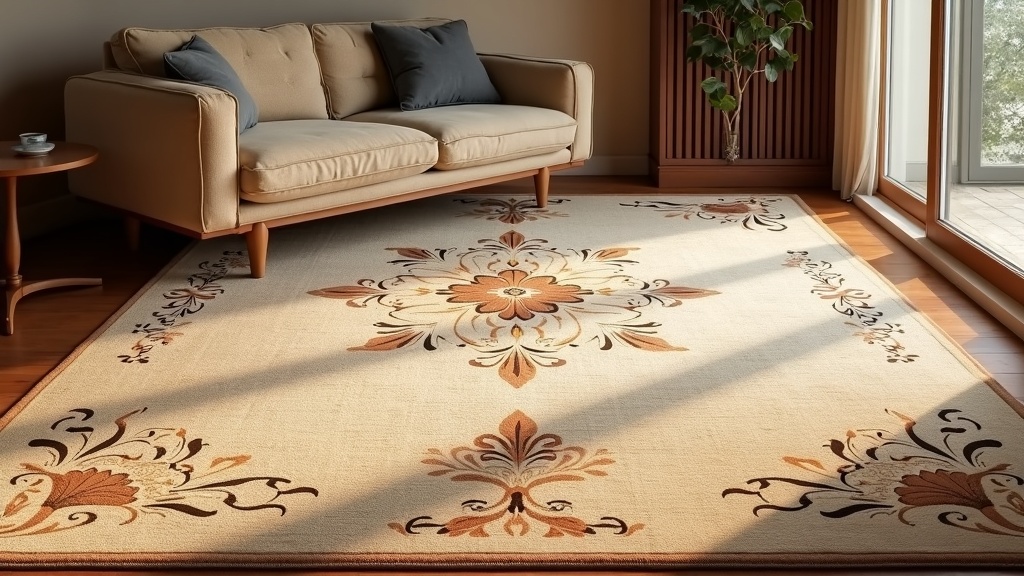
Chinese and Tibetan Rugs: Distinct Traditions
How Chinese and Tibetan rugs differ in knot type, wool, dye and design—plus what to check before buying, cleaning or valuing one.
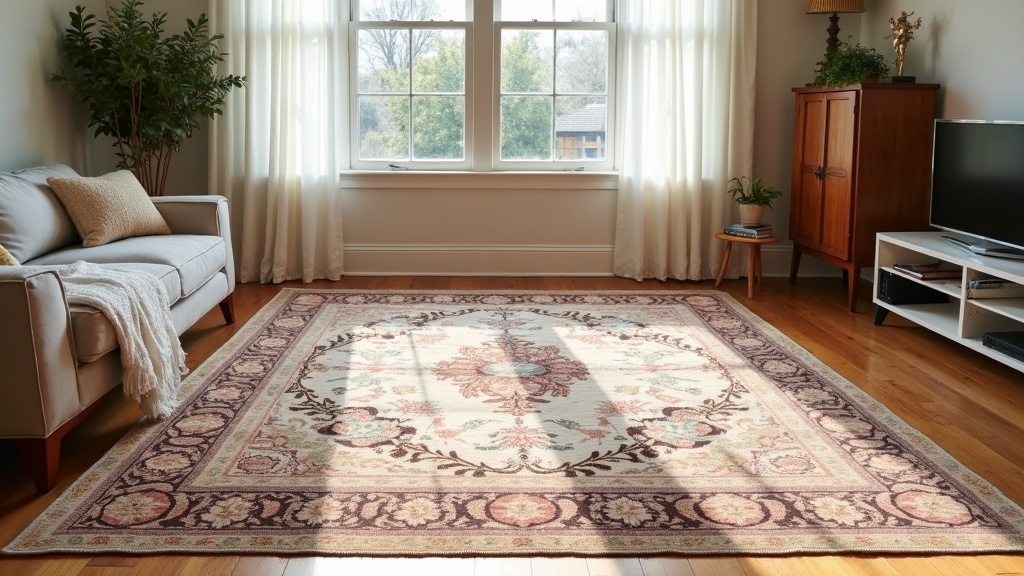
Indian and Pakistani Rugs: Traditions and Reproductions
How Indian and Pakistani weaving traditions developed, what reproduction rugs really are, and how to tell construction quality apart.
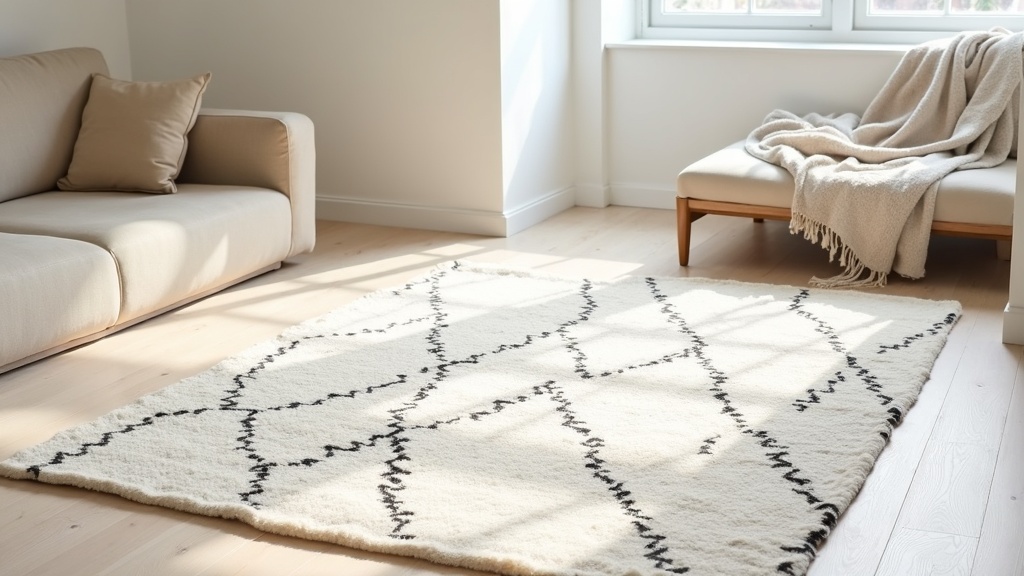
Moroccan Rugs: Beni Ourain and Beyond
What sets Beni Ourain rugs apart from Boujad, Azilal and Boucherouite weaves, and how to care for them safely.
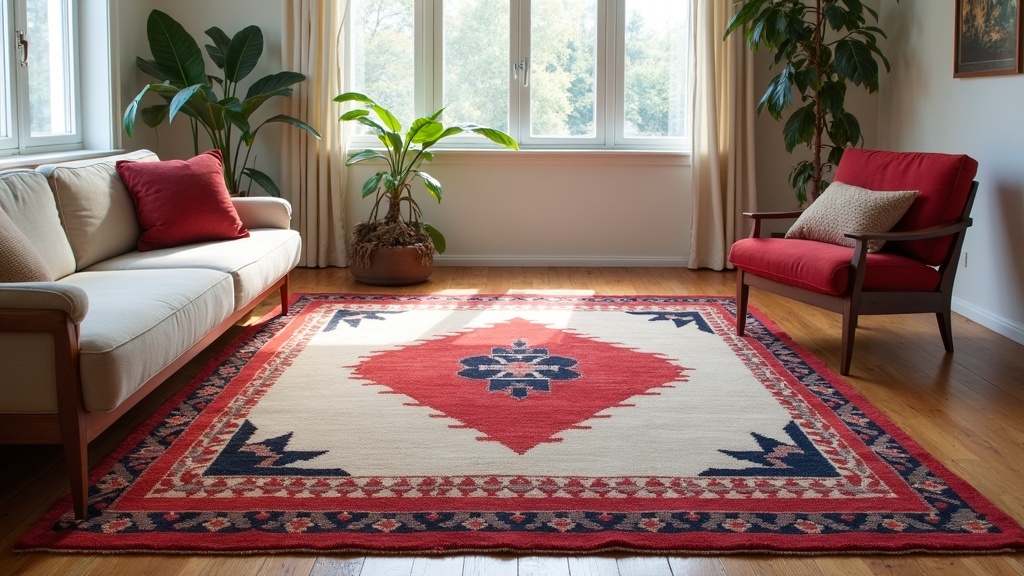
Caucasian Rugs: Bold Geometry and How to Recognise It
How to recognise Caucasian rugs by bold geometric motifs, saturated colour and construction — and what determines authenticity and value.
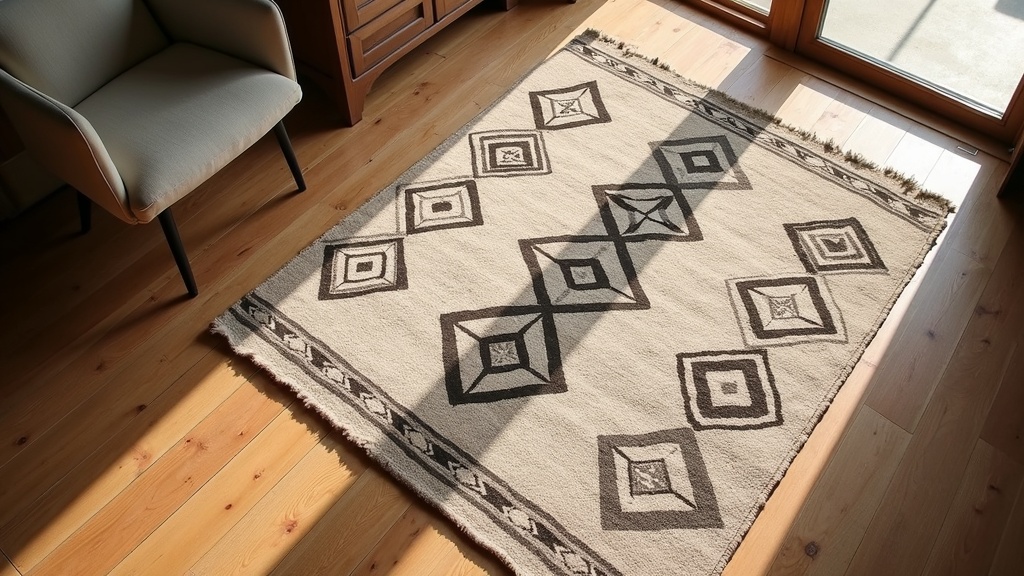
What Is a Kilim and How Is It Made?
A kilim is a flat-woven rug made without knots or pile. Learn how the slit-weave technique works and how to tell one…
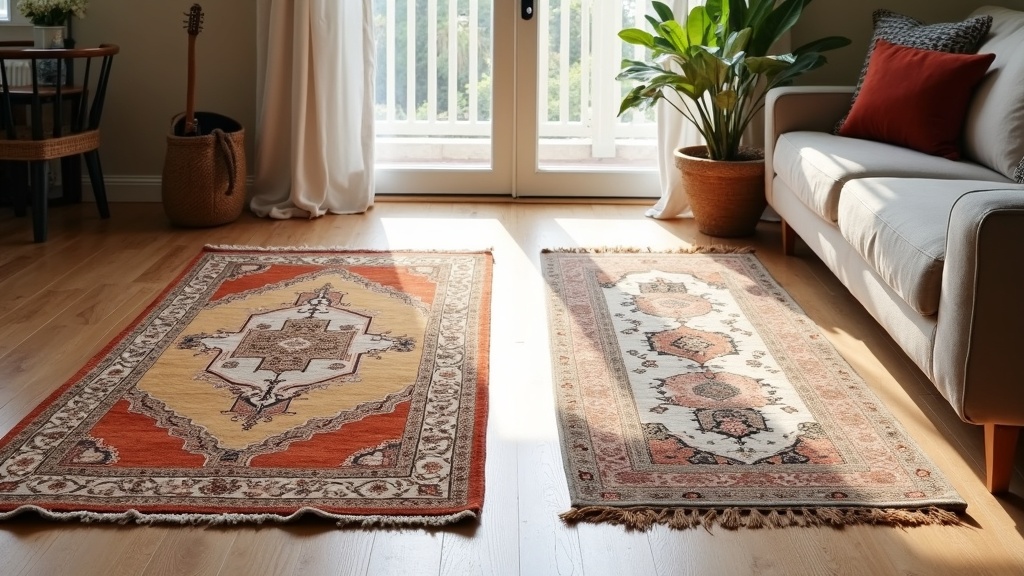
Turkish vs Persian Rugs: How to Tell Them Apart
Learn the knot type, motifs, and finishing details that separate Turkish and Persian rugs — and what an appraiser actually checks.
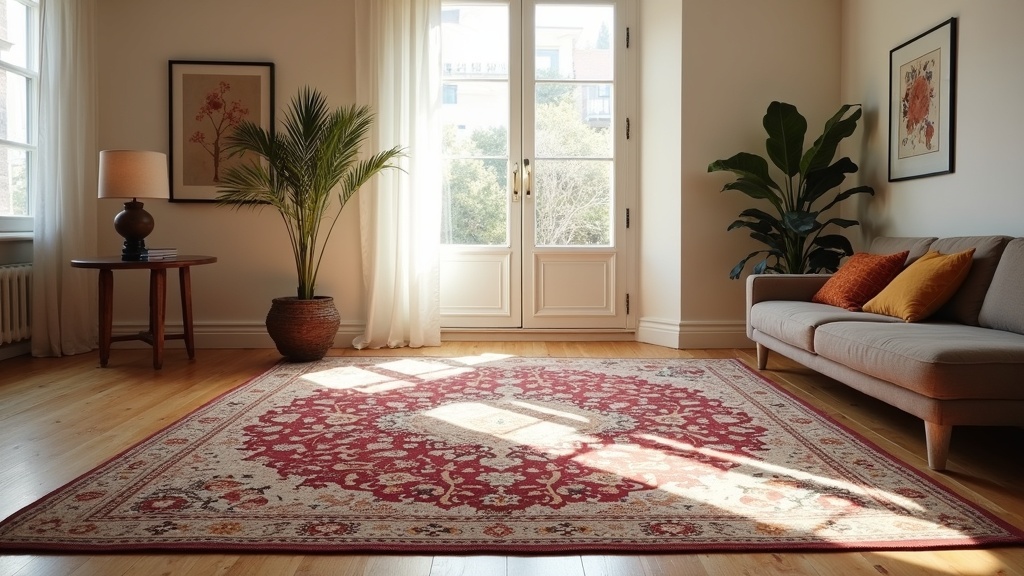
A Beginner’s Guide to Persian Rug Regions
A plain-spoken tour of Persian rug weaving regions and what their names actually tell you about a rug's design and construction.
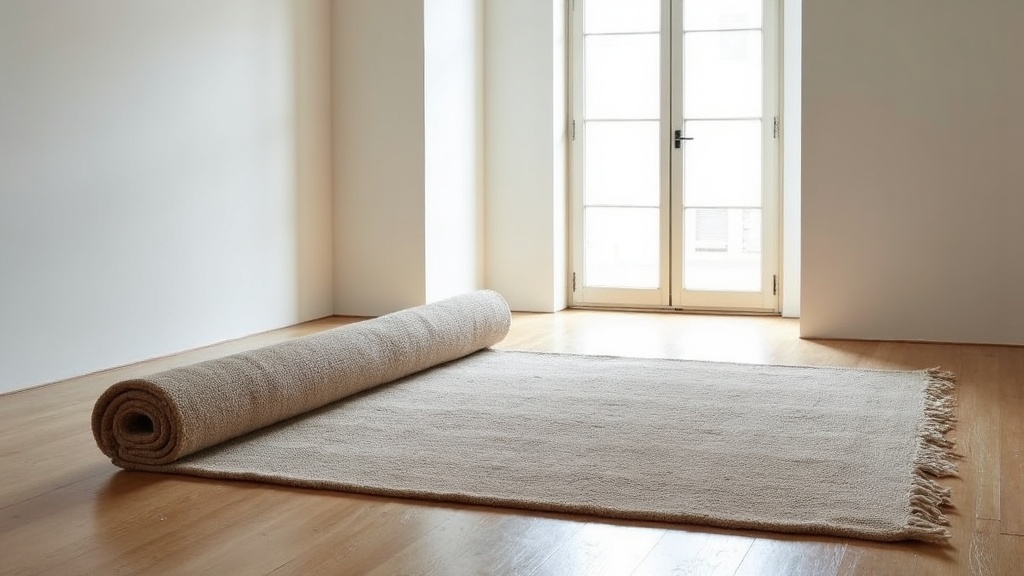
Buying Rugs at Auction: What to Watch For
What to inspect, ask, and budget for before bidding on a rug at auction — condition cues, fees, and authentication basics explained.
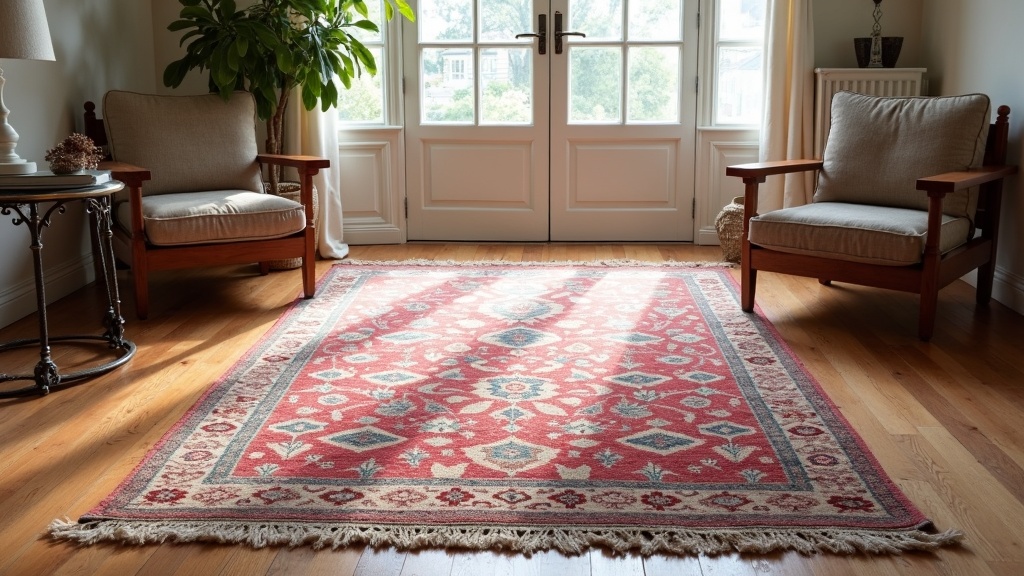
How Rug Prices Are Actually Set
Rug prices come from materials, labor, origin, age and condition — not a single fixed formula. Here's what actually drives the number.
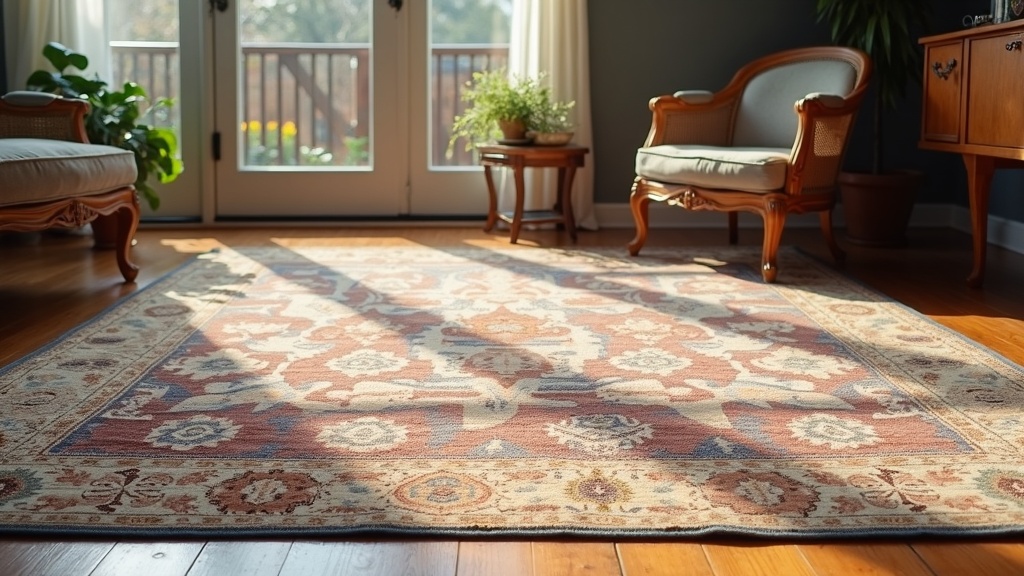
Buying an Antique Rug: Questions to Ask First
Key questions to ask before buying an antique rug: age, condition, dyes, repairs, and when to insist on a professional appraisal.
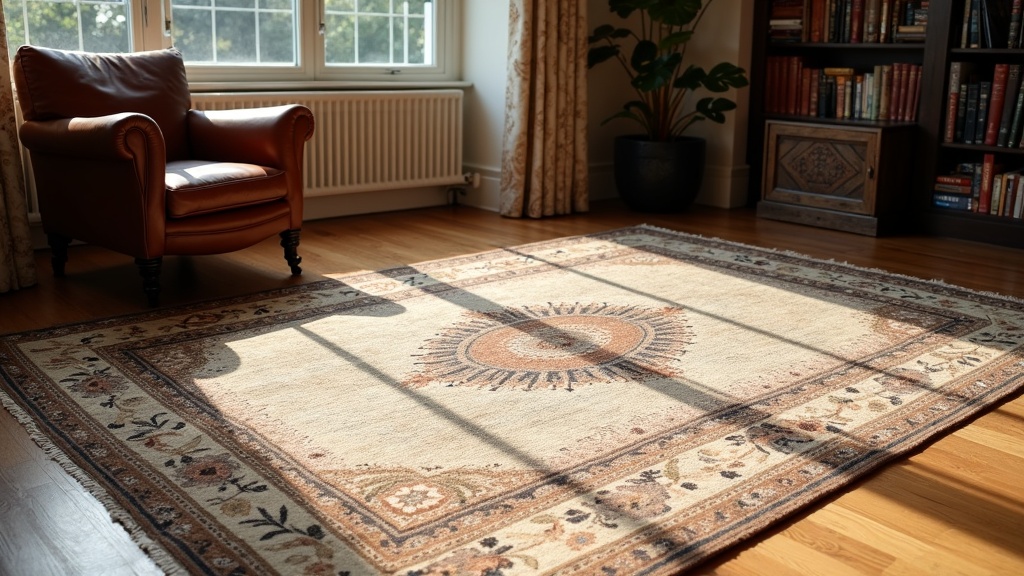
Is an Old Rug Automatically an Antique?
No. Age alone doesn't make a rug an antique — learn the real criteria appraisers use before you assume value.
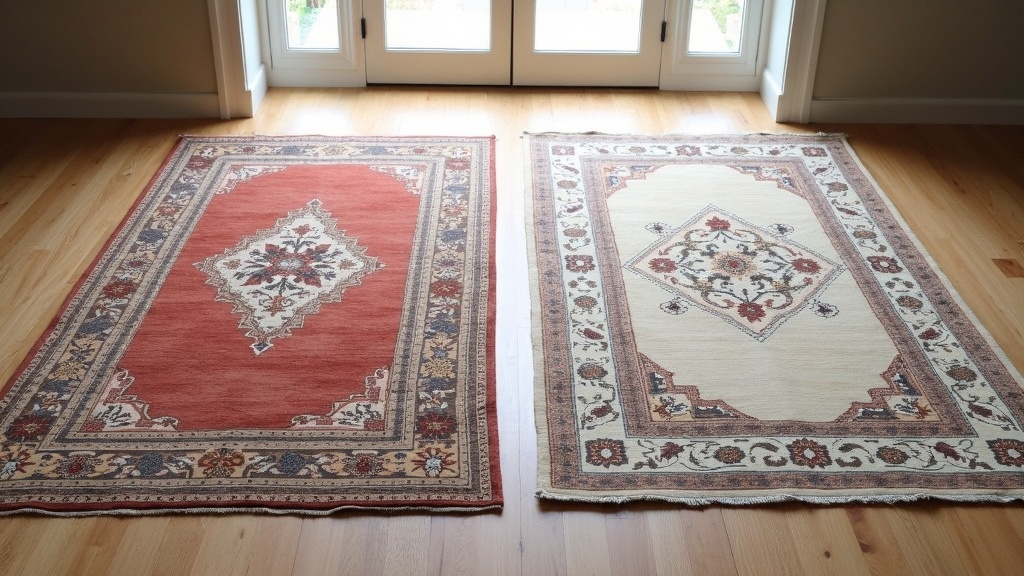
Why Two Similar-Looking Rugs Can Differ Hugely in Price
Two rugs can look nearly identical yet differ by thousands. Here's what actually drives rug price: construction, materials, and condition.
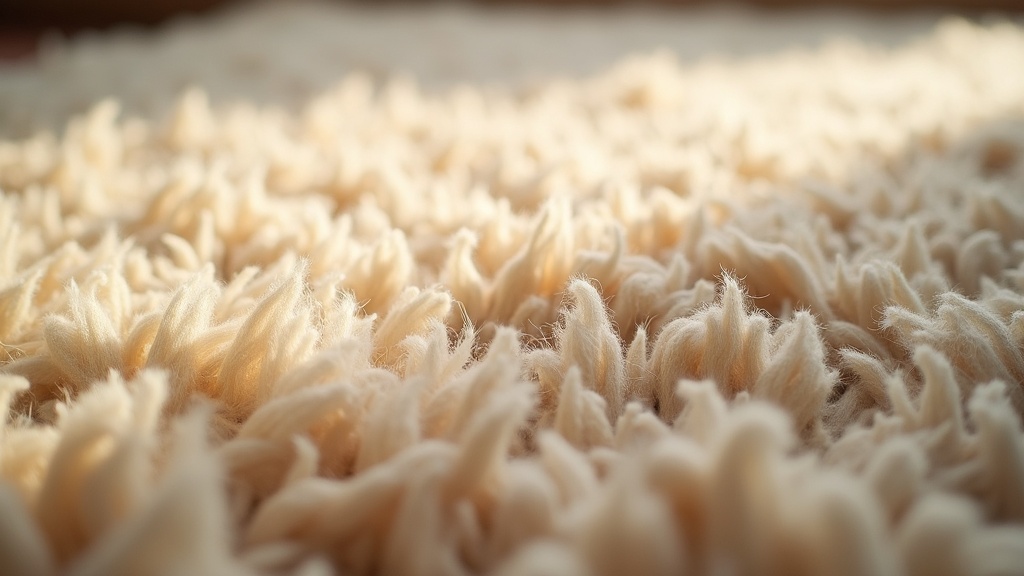
Signs a Rug Has Been Chemically Washed or Painted
How to spot a chemically washed or painted rug: dye bleed, sheen, brittle fibres, and painted fringe — plus safe ways to…
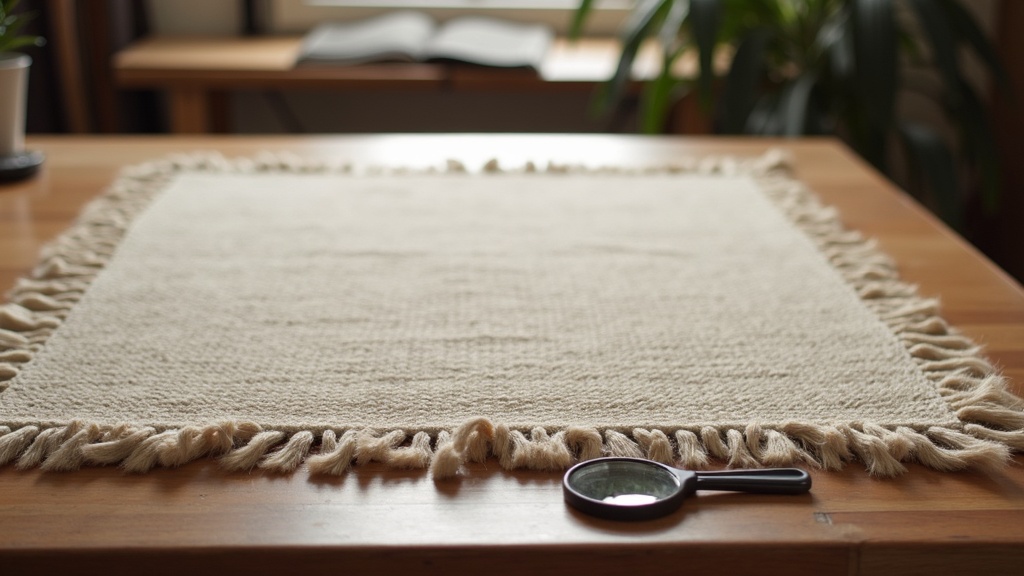
Getting a Rug Appraised: What to Expect
What happens at a rug appraisal, what an appraiser examines, and how to prepare a rug for a fair, accurate valuation.
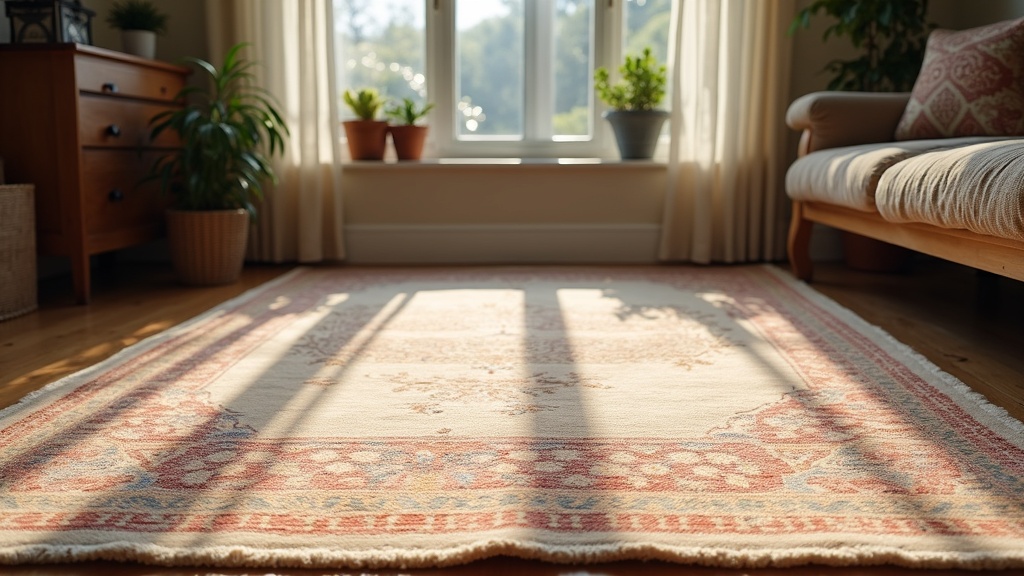
How Wear and Repairs Affect a Rug’s Value
Learn how appraisers weigh wear, patina and repairs when valuing a rug, and why cleaning mistakes can do more damage than age.
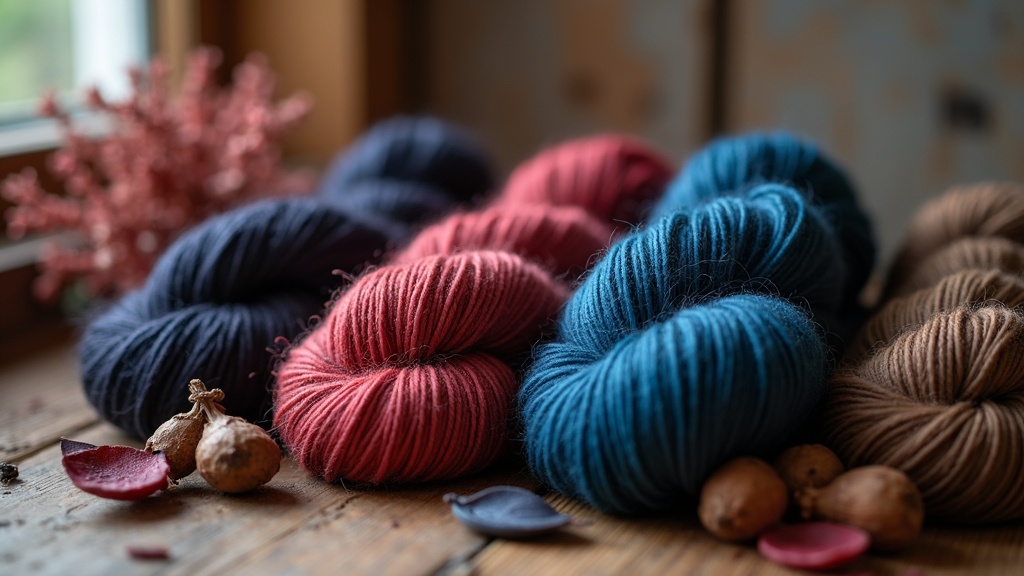
Natural vs Synthetic Dyes: How to Spot the Difference
Learn how abrash, fading, and crocking reveal whether a rug's dyes are natural or synthetic, and what that means for its care.
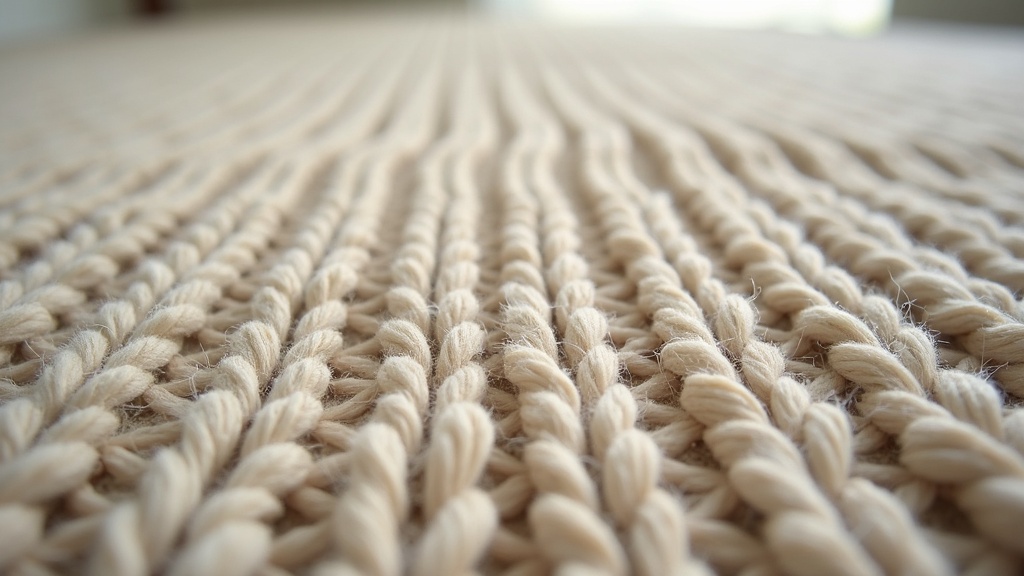
Knot Count Myths: Why Higher Isn’t Always Better
High knot count doesn't always mean a better rug. Here's what knot density really tells you, and what it doesn't.
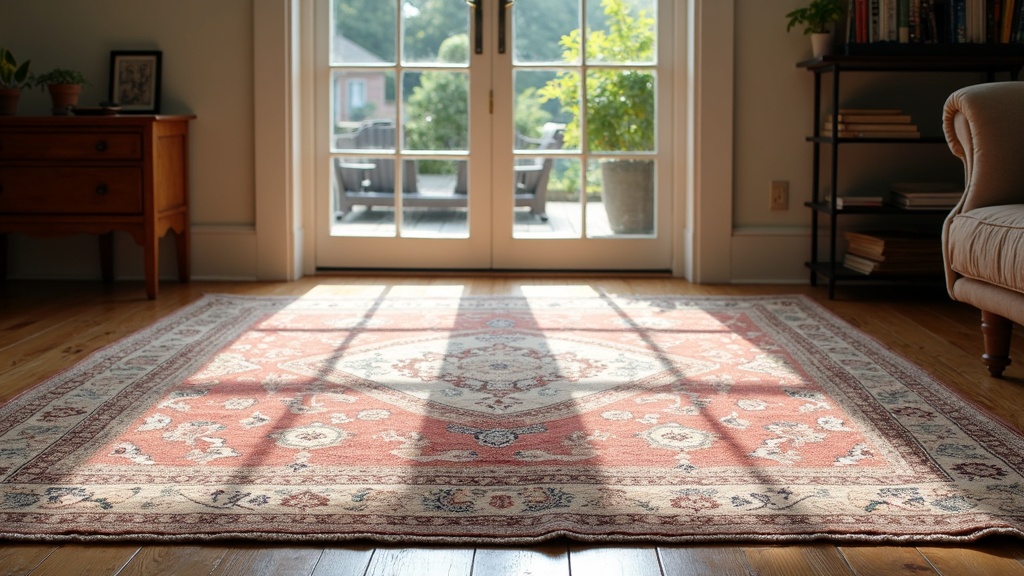
What Determines the Value of an Antique Rug?
Learn the real factors appraisers weigh in antique rug value: knots, materials, dyes, wear, and why only an in-person appraisal gives a…
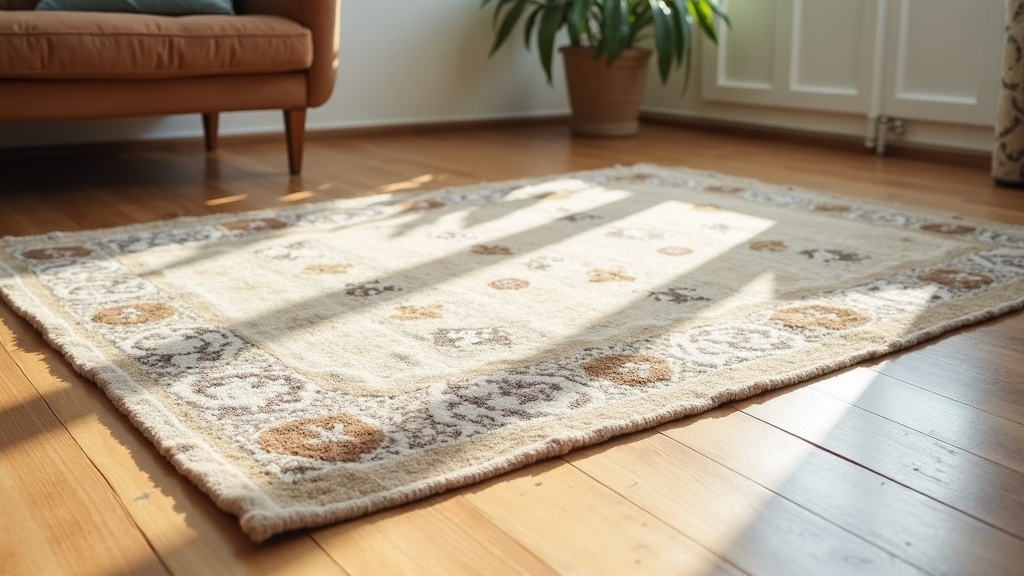
How to Tell If a Rug Is Handmade or Machine-Made
Learn to spot handmade vs machine-made rugs by checking the back, fringe, knots, and pattern regularity.