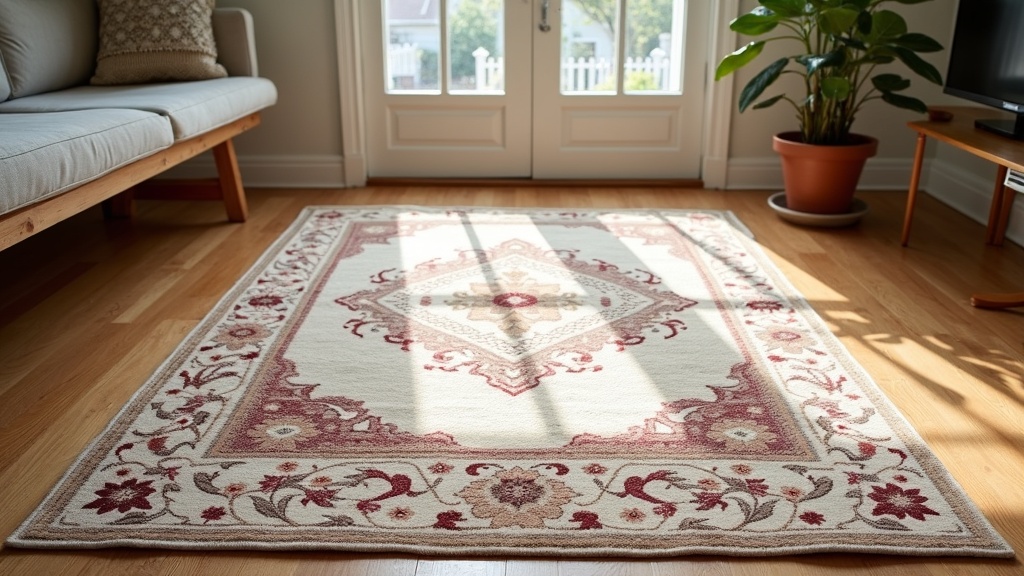
You clean a wool rug safely by dusting or vacuuming it often, blotting (never scrubbing) fresh spills with cool water and a wool-safe pH-neutral detergent, and testing any product on a hidden corner before it touches the visible pile. Skip hot water, steam, chlorine bleach, and ammonia entirely — they can felt, shrink, or discolor wool permanently. For anything hand-knotted, antique, heavily soiled, or valuable, the safest “method” is a phone call to a professional rug cleaner rather than a bucket.
Why wool doesn’t behave like carpet
Wool fiber is covered in microscopic scales, and those scales are exactly why wool rugs feel resilient and resist soil in the first place. Heat, agitation, and high-pH cleaners cause those scales to open and interlock — the same process that turns a wool sweater into felt in a hot wash. Once a wool rug’s pile felts or its foundation shrinks unevenly, there is no reversing it. That single fact is why almost every rule below exists: it’s not caution for its own sake, it’s the difference between a rug that lasts decades and one that’s ruined in an afternoon.
Know what you’re cleaning before you touch it
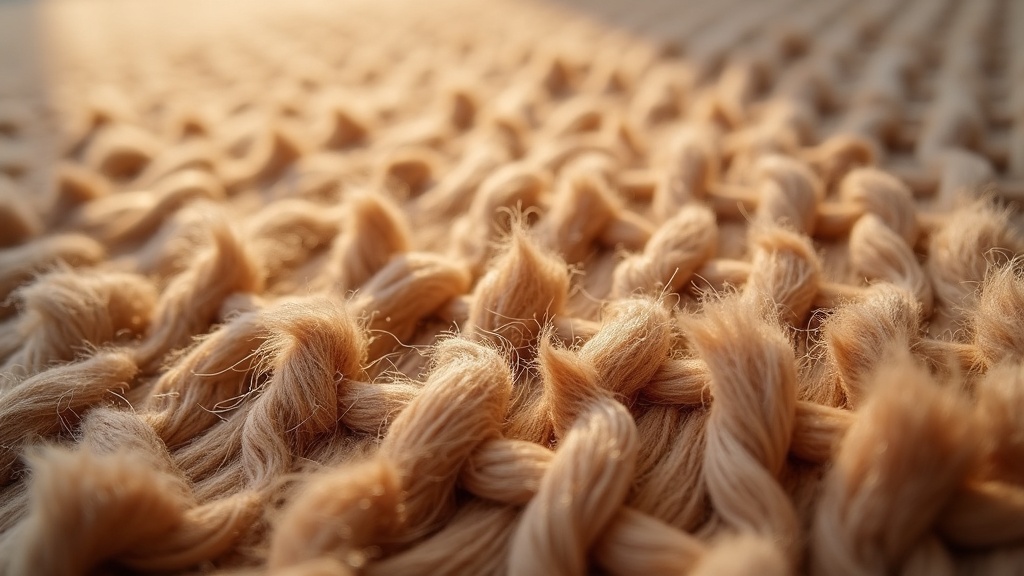
“Wool rug” describes a huge range of objects, from a machine-made wool-blend piece with a synthetic backing to a hand-knotted rug with a cotton or wool foundation that may be decades or centuries old. Construction changes what’s safe. A checked backing, a printed pattern that looks identical front and back versus fully on one side only, machine-perfect fringe sewn on as a separate strip, and an exactly even, grid-like pile are common signs of machine-made construction, which tends to tolerate cleaning a bit more forgivingly than a hand-knotted piece. Hand-knotted rugs, by contrast, have individually tied knots visible on the back, foundations of cotton, wool, or silk, and fringe that is a continuation of the foundation’s warp threads rather than sewn on. If you’re not sure which you have, the rug craft hub and the materials and construction archive both walk through how to read knots, backing, and fringe, and that reading matters more for cleaning decisions than most people expect.
Dye is the other unknown. Natural dyes and some early synthetic dyes can bleed or migrate when they get wet, especially reds and dark blues. Before any wet treatment, dampen a white cloth and press it firmly against an inconspicuous spot of every color in the rug. If any color transfers, stop — that rug needs a professional, not a home remedy.
Routine care: the cleaning that actually prevents most damage
The single most protective habit for a wool rug is regular, gentle dust removal, because ground-in grit works like sandpaper against the base of each pile fiber every time the rug is walked on. Vacuum both sides where possible, using suction only — not a rotating beater bar, which can snag and pull loose pile, fringe, and knots, especially on hand-knotted or antique rugs. For rugs with fringe, vacuum in the direction of the fringe rather than across it. Shaking or beating a smaller rug outdoors periodically (over a railing, not against a hard wall) removes deep dust that vacuuming alone misses. The rug care hub covers storage and day-to-day protection in more depth, including how rotation and padding reduce the wear that eventually leads to a rug needing heavier cleaning in the first place.
Spot cleaning wool safely, step by step
For a fresh spill on a wool pile rug of ordinary, non-antique, colorfast construction:
- Blot immediately with a clean, dry white cloth or paper towel — press straight down, don’t rub, which pushes the stain deeper and can distort the pile.
- Scrape away any solids gently with a spoon edge before they set.
- Mix a small amount of a wool-safe, pH-neutral detergent (the kind sold for hand-washing wool sweaters) with cool water.
- Test it on a hidden corner or the fringe base first, and wait a few minutes to confirm no color change or texture change.
- Apply the solution to a cloth, not directly to the rug, and blot the stain from the outside in.
- Rinse by blotting with a cloth dampened in plain cool water to remove detergent residue, then blot dry.
- Weight the area flat with clean, dry towels and a heavy, non-staining object, and let it air dry fully before walking on it.
This approach is appropriate for everyday synthetic-backed or machine-made wool rugs with confirmed colorfastness. It is not a substitute for professional cleaning on a hand-knotted, silk, antique, or uncertain rug — on those, even a small amount of water in the wrong spot can cause a dye run or a foundation pucker that is expensive or impossible to correct.
What to never use on a wool rug
- Chlorine bleach — it breaks down wool protein fiber and will visibly weaken or yellow the pile; there’s no wool-safe way to use it.
- Ammonia, or ammonia mixed with anything else — beyond wool’s sensitivity to high pH, mixing household chemicals (bleach with ammonia in particular) can produce dangerous fumes. Never combine cleaning products; use one product at a time and rinse between them if you must.
- Hot water — heat accelerates felting; always use cool or lukewarm water on wool.
- Steam cleaners and rental carpet-cleaning machines — these saturate the pile and foundation, and on a hand-knotted rug that saturation can shrink the foundation unevenly, causing permanent buckling or rippling.
- Alkaline, high-pH, or heavily fragranced all-purpose cleaners — most are formulated for synthetic carpet fiber, not protein fiber, and can dull or strip wool’s natural luster.
- Machine washing — appropriate for almost nothing beyond a small, purpose-made washable synthetic mat; never for a genuine hand-knotted wool rug.
Deep cleaning: when a full wash makes sense, and when it doesn’t
A wool rug that’s simply dusty responds well to vacuuming and occasional light spot treatment. A rug that’s genuinely soiled throughout — pet accidents, years of grit, a musty smell — usually needs a full immersion wash, and that is exactly the point where professional rug cleaners earn their fee. A qualified cleaner will test dyes, choose a wash method suited to the specific foundation and pile, control water temperature and pH, and — critically — dry the rug flat and evenly so the foundation doesn’t shrink unevenly or the colors don’t wick and bleed toward the edges. Attempting a full wash of a large wool rug in a bathtub or with a garden hose at home risks all of these outcomes, and once a foundation has shrunk out of square, reshaping it is a specialist repair job, if it’s possible at all.
If you’re weighing whether a piece is worth that investment, that’s a valuation question, not a cleaning one — an appraiser looks at knot density and type, foundation material, dye characteristics, wear patterns, and how the selvedge and fringe were finished to assess origin, age, and condition, and only an in-person appraisal from a qualified appraiser gives a reliable answer on what a specific rug is worth. General guides, including our own on rug buying, sizing and placement, and comparisons like wool versus synthetic longevity, can help you understand what you own, but none of that substitutes for a professional looking at the actual rug in hand.
Drying: the step people rush and regret
Wool holds moisture longer than synthetic fiber, and a rug left damp for more than a day risks mildew, odor, and dye bleeding into a pad or wood floor beneath it. After any wet treatment, prop the rug so air moves under and over it, use fans if possible, and avoid direct sun for hours-long drying, which can fade dyes unevenly. If the backing or foundation still feels cool or damp to the touch after 24 hours, that’s a sign moisture is trapped, and continued dampness against wood flooring can also cause cupping or staining in the floor itself.
Frequently asked questions about cleaning a wool rug
Can I use carpet shampoo on a wool rug?
Most carpet shampoos are formulated for synthetic fiber and are too alkaline for wool, risking dulling, yellowing, or felting. Use a wool-safe, pH-neutral detergent instead, always tested on a hidden area first, and avoid shampoos on hand-knotted or antique rugs entirely.
Is it safe to steam clean a wool rug?
Generally no. Steam introduces heat and moisture together, which is the exact combination that causes wool to felt and shrink, and on hand-knotted rugs it can distort the foundation. Light vacuuming and blot spot-cleaning are safer everyday choices.
How often should a wool rug be professionally cleaned?
It depends on foot traffic, pets, and household dust, but many wool rugs benefit from professional cleaning every one to three years, with regular vacuuming in between. A cleaner can also advise based on the rug’s specific fiber and construction.
Will cleaning ruin an antique wool rug?
Improper cleaning is one of the most common causes of permanent damage to antique rugs — dye bleeding, felting, and foundation shrinkage don’t reverse. Antique, hand-knotted, or silk rugs should go to a professional conservator rather than being cleaned at home.
What’s the fastest way to remove a fresh stain from a wool rug?
Blot immediately with a dry cloth, scrape off any solids, then blot (don’t rub) with a cool-water and wool-safe detergent solution tested on a hidden spot first. Speed matters far more than force — pressing or scrubbing spreads the stain and can distort the pile.
Rug Academy publishes general information about rugs and is not a dealer, appraiser, or cleaning service. Cleaning and repair methods depend entirely on fibre, dye and construction — test any treatment on a hidden corner first, and consult a professional rug cleaner or conservator before treating a hand-knotted, antique, silk, or valuable rug, as damage from cleaning is usually permanent. Any prices mentioned are illustrative examples only, and nothing here is an appraisal, an authentication, or a guarantee of a rug’s origin or value.