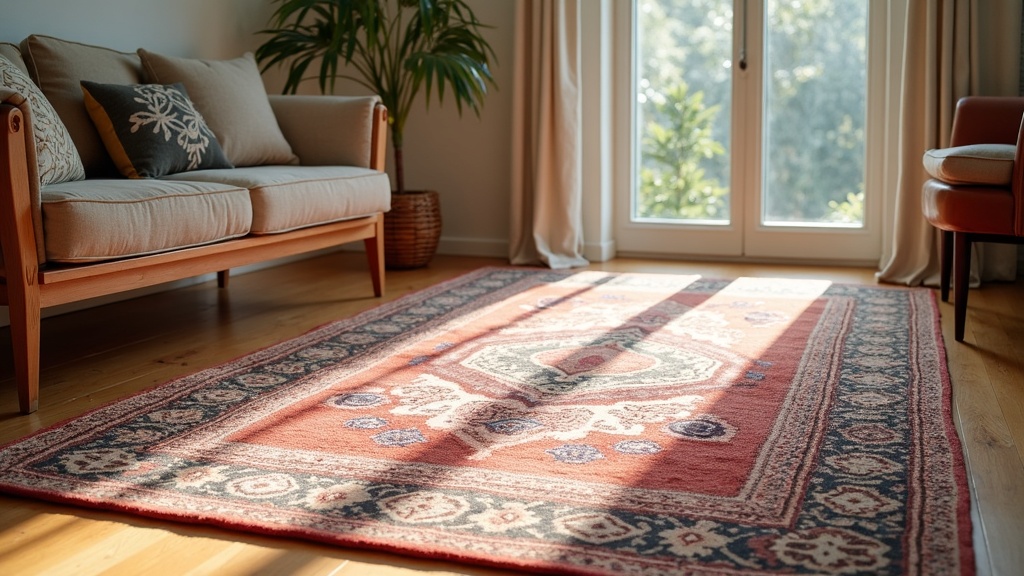
The difference comes down to how the pile is attached to the rug’s foundation. A hand-knotted rug is built one knot at a time around vertical warp threads on a loom, a process that can take months or years and produces a rug with no glue and a pile that runs through the entire structure. A hand-tufted rug is made faster by punching yarn through a fabric backing with a hand-held tufting gun, then securing it with a layer of glue and a cloth backing. Both are made by hand, but they are fundamentally different objects in terms of durability, longevity, and resale value.
How each construction is actually made
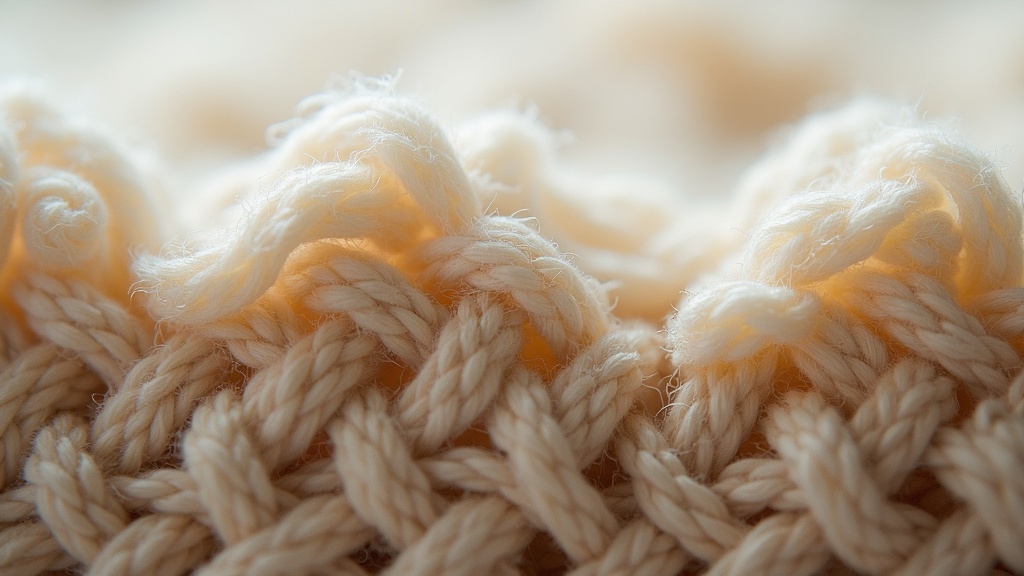
Hand-knotting is the older and slower technique, practiced for centuries across weaving regions from Iran and Turkey to India, Nepal, and parts of the Caucasus. A weaver ties individual knots around pairs of warp threads, then packs each row down with a comb-like tool before adding a weft thread and starting the next row. The knots themselves hold the rug together; there is no adhesive anywhere in the piece. This is why a genuine hand-knotted rug will show a matching, often intricate pattern on the back that mirrors the front.
Hand-tufting uses a stretched piece of fabric — usually cotton or a cotton-synthetic blend — mounted on a frame, with the pattern often marked or projected onto it. A tufting gun punches loops or cut yarn ends through the backing quickly, and once the design is complete, a layer of latex adhesive is applied to the underside to lock the yarn in place, followed by a second fabric or canvas backing to hide the glue layer. The result can look strikingly similar to a knotted rug from the front, but the back tells the real story: a plain cloth backing rather than a woven pattern.
Telling them apart by looking
You rarely need special equipment to distinguish the two — you need to know where to look.
- The back of the rug. A hand-knotted rug shows the pattern woven through to the reverse side, with visible knots and no fabric backing. A hand-tufted rug has a flat cloth or canvas backing that conceals the yarn ends and glue.
- Fringe. On a hand-knotted rug, the fringe is the continuation of the warp threads themselves — it is structural, not decorative. On a hand-tufted rug, any fringe is usually sewn on separately as a trim, since there is no warp extending beyond the field.
- Smell and flexibility near the edges. Tufted rugs often feel stiffer along the backing and can have a faint rubber or glue smell, especially when new or when damp.
- Edge and selvedge finishing. Hand-knotted rugs typically have a hand-wrapped selvedge (the woven edge binding), while tufted rugs usually have a machine-stitched or serged edge.
These are strong general indicators, not absolute proof. Reproductions, machine-made lookalikes, and hybrid constructions exist, and some tufted rugs are finished carefully enough to blur the lines at a glance. If you are trying to confirm exactly what you own, that’s a job for an appraiser, not a checklist — more on that below.
Durability and lifespan
This is where the two constructions really part ways. Because a hand-knotted rug’s pile is locked in by the knot structure itself, it can be sheared, re-piled, and repaired for generations without the rug falling apart — many antique hand-knotted rugs in museum textile collections are well over a century old and still structurally sound. Hand-tufted rugs depend on their glue layer for integrity. As latex ages, it dries out, cracks, and loses adhesion, and the yarn can begin shedding or pulling loose in patches, usually somewhere in the range of five to fifteen years depending on foot traffic, humidity, and how the rug is cleaned. This isn’t a manufacturing flaw so much as an inherent limit of the construction method.
For a broader look at how fibre choice interacts with construction to affect how long a rug lasts, see our comparison of wool vs synthetic rugs and which lasts longer, which covers wear patterns you’ll notice regardless of whether a rug is knotted, tufted, or machine-made.
Price expectations
Hand-knotting requires far more skilled labor per square foot than tufting, and that labor cost is reflected in price. As a rough illustration only, a small hand-tufted wool area rug might sit somewhere in the low hundreds of dollars, while a hand-knotted rug of comparable size and wool quality could run into the thousands, with fine wool or silk pieces going considerably higher — construction, knot density, fibre, and size all drive this enormously, and these figures are not quotes for any specific product. Machine-made rugs, which use neither knotting nor hand-tufting, sit at a different price tier again and are covered in more depth in our materials and construction guides.
Price alone is never a reliable way to identify construction — a well-made tufted rug can cost more than a small or poorly finished knotted one. Always verify construction by examining the piece directly rather than assuming from price point.
Care differences that matter
Because hand-tufted rugs have a glue-and-fabric backing, they generally should not be deep-soaked or steam-cleaned the way you might treat some flatweaves — excess moisture can degrade the latex adhesive, causing delamination or a musty odor that’s difficult to reverse. For routine care, vacuum a hand-tufted wool rug with the beater bar switched off or use a suction-only attachment, since beater bars can pull at the yarn and stress the backing. For light spills, blot promptly with a clean cloth and, for wool-pile tufted rugs, a small amount of cool water and a wool-safe detergent — never hot water, and never chlorine bleach or ammonia-based cleaners, which will damage wool fibre and can discolor it permanently.
Hand-knotted rugs bring their own considerations. Because the entire structure — pile, foundation, and fringe — is fibre with no glue holding it together, saturating one in water or running it through a machine wash can shrink the foundation unevenly and buckle the rug permanently, an outcome that cannot be reversed at home. Loose fringe is easily torn by a beater-bar vacuum, so use suction only along the fringe and pile edges. Our guide on how to clean a wool rug without ruining it walks through safe blotting and spot-cleaning steps in more detail, and the broader rug care hub covers stain removal, storage, and moth prevention for both constructions. If the rug is antique, silk, or you’re unsure of its fibre or dye stability, the safest move is always to test any product on a hidden corner first — and better still, to have a professional rug cleaner or textile conservator handle it, since natural dyes and some early synthetic dyes can bleed or migrate when a rug gets wet, and that kind of damage is not reversible. For deeper background on cleaning philosophy by fibre type, the cleaning and stains archive is a good starting point.
What this means for buying and value
If you’re shopping with resale value or heirloom potential in mind, construction is one of the biggest factors an appraiser will examine — alongside knot density, foundation material, dye characteristics, wear patterns, and how the selvedge and fringe are finished. Machine-made and hand-tufted rugs are generally not built or priced as long-term investments the way well-made hand-knotted rugs can be, though both can be entirely reasonable choices depending on budget, how the room is used, and how long you expect to keep the piece. Our rug craft hub goes further into how weaving techniques and regional traditions shape both the look and the durability of a hand-knotted rug.
None of this is a substitute for an in-person appraisal. If you’ve inherited a rug, found one at an estate sale, or are considering a significant purchase, a qualified appraiser can examine knot count, materials, and condition directly — something no article or photo comparison can reliably do for you. Be wary of any source that claims to identify a rug’s age, origin, or exact value from a description or a few photos alone.
Frequently asked questions about hand-knotted vs hand-tufted rugs
How can I tell if a rug is hand-knotted or hand-tufted?
Check the back: a hand-knotted rug shows the pattern woven through with no fabric backing, while a hand-tufted rug has a plain cloth or canvas backing hiding the glue layer that holds the yarn in place.
Do hand-tufted rugs shed a lot?
Some shedding is normal in the first few months as loose fibres from cutting and finishing work free; ongoing heavy shedding years later can signal the latex backing is aging or cracking.
Is a hand-knotted rug always worth more than a hand-tufted one?
Generally hand-knotted rugs command higher prices due to labor and durability, but condition, fibre quality, size, and design also matter enormously — an appraiser, not price alone, is the reliable way to judge value.
Can you clean a hand-tufted rug the same way as a hand-knotted one?
No — hand-tufted rugs have a glued backing that can delaminate if oversaturated, while hand-knotted rugs have no glue but their foundation can shrink or buckle if soaked, so care methods differ by construction and fibre.
How long do hand-tufted rugs typically last?
Many hand-tufted rugs perform well for roughly five to fifteen years under normal household traffic before the glue backing begins to weaken, though heavy use, humidity, and cleaning method can shorten or extend that range.
Rug Academy publishes general information about rugs and is not a dealer, appraiser, or cleaning service. Cleaning and repair methods depend entirely on fibre, dye and construction — test any treatment on a hidden corner first, and consult a professional rug cleaner or conservator before treating a hand-knotted, antique, silk, or valuable rug, as damage from cleaning is usually permanent. Any prices mentioned are illustrative examples only, and nothing here is an appraisal, an authentication, or a guarantee of a rug’s origin or value.