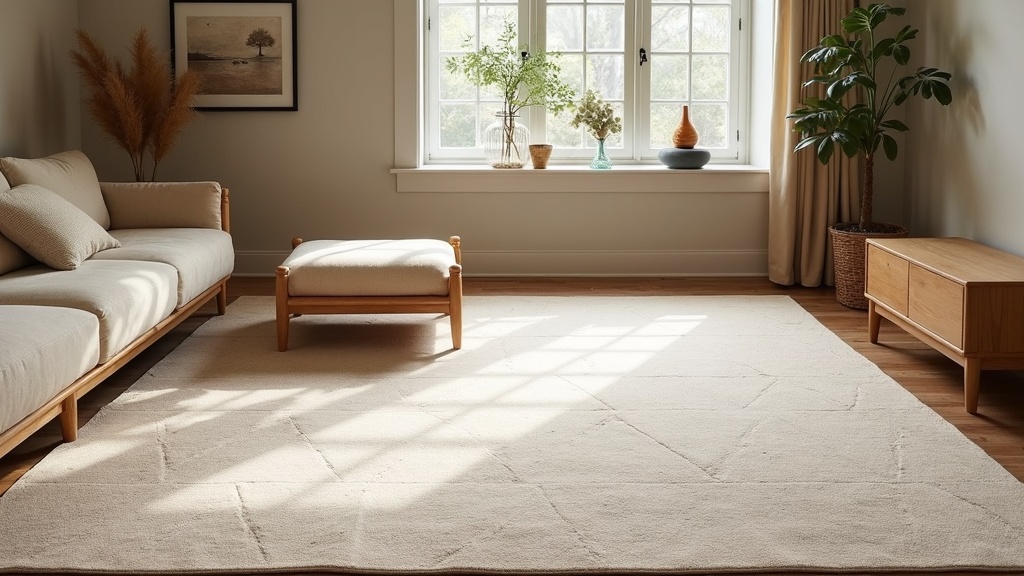
A rug colour that won’t date is one built from muted, slightly greyed or earth-based tones rather than pure, high-saturation hues, ideally in a shade with some depth and variation rather than a flat single tone. Warm neutrals, deep reds, indigo, and complex multi-tone patterns have stayed in circulation for centuries because they sit quietly against changing wall colours and furniture trends. The colours that date fastest are usually clear, bright, single-note shades tied to a specific decade’s palette — think acid yellow or a very cool “greige.”
Why some colours date and others don’t
Colour trends move faster than rugs do. A sofa gets reupholstered or a wall gets repainted in an afternoon; a good rug is meant to last decades, so its colour has to outlive several redecorating cycles. Colours date when they’re tightly linked to a specific design moment — a particular teal, a particular blush pink — because once that moment passes, the colour reads as a period marker rather than a neutral background. Colours that avoid this tend to share three traits: they’re desaturated rather than pure, they have some tonal variation rather than being flat and even, and they echo materials found in nature — clay, walnut, indigo, madder red — rather than a manufactured pigment trend.
This is part of why antique and tribal weavings so often still look current in modern rooms. Many were coloured with natural dyes that produce slightly uneven, complex tones rather than one uniform shade, and you can read more about how those dyes behave differently from synthetic ones in our piece on natural vs synthetic dyes. The unevenness isn’t a flaw; it’s part of what keeps the colour from reading as flat or “of a moment.”
Undertone matters more than the colour name
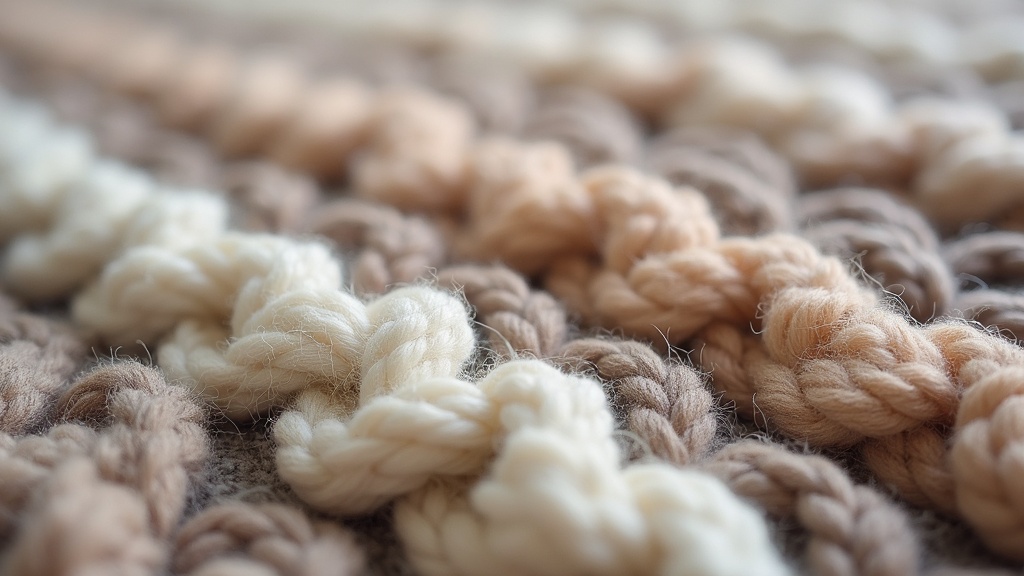
Two rugs both described as “beige” can behave completely differently in a room. One might carry a warm, yellow-based undertone; another a cool, grey-based one. The warm one will date less because it pairs naturally with wood tones, brass, and most wall colours used over the past several decades. The cool-grey undertone was extremely fashionable for a stretch of years and now reads distinctly as belonging to that period in a lot of interiors. Before buying, look at the rug in daylight, not showroom lighting, and check whether the undertone leans warm (yellow, orange, red) or cool (blue, grey, green). Warm neutrals have historically had more staying power, though this isn’t a rule — plenty of cool-toned traditional rugs, particularly in blue and rust combinations, have aged perfectly well because the colours are complex rather than flat.
Saturation and depth
A single, pure, bright colour across an entire field is the fastest thing to date, because it reads as a deliberate style statement rather than a background. Rugs with multiple depths of the same colour family, or a pattern that mixes two or three related tones, tend to feel calmer and less tied to a specific trend. This is one reason pattern often ages better than a large block of solid colour — our guide on choosing between a patterned and a solid rug goes into the practical trade-offs of each approach in more depth.
Classic colour families and how they tend to hold up
| Colour family | Why it tends to age well | Where it can go wrong |
|---|---|---|
| Rust, terracotta, brick red | Echoes natural clay and madder dye tones; pairs with wood and metal finishes | Very bright, orange-leaning red can feel dated fast |
| Deep indigo/navy | Reads as classic rather than trendy; grounds a room | Overly bright or pastel blue variants date quickly |
| Camel, warm beige, taupe | Neutral base that works with almost any accent colour | Grey-based cool beige tied to a specific past trend |
| Charcoal and warm grey | Works as a modern neutral without feeling stark | Very cool, blue-grey shades can look tied to one era |
| Multi-tone traditional patterns | Complexity of colour hides wear and avoids a single “trend” hue | A pattern itself can still feel dated if it’s a strong period motif |
How construction and dye type affect long-term colour
Colour longevity isn’t only about the shade you choose at the shop — it’s also about whether that colour stays stable over years of light exposure and foot traffic. Rugs dyed with natural, plant- or insect-based dyes typically fade unevenly and softly, which tends to look intentional and pleasing over time. Some early synthetic dyes and cheaper modern ones can fade in a flat, patchy way that looks like damage rather than patina. If you’re weighing a natural-wool piece against a synthetic or blend, the practical differences are covered in our look at wool-blend rugs and whether they’re worth it.
Sun exposure will change any rug’s colour eventually, and this matters for how a colour “lasts” as much as trend does. UV light breaks down dye molecules and lightens pile unevenly if a rug sits half in sun and half in shade, which can visually date a rug faster than any style shift. Our guide on how to protect a rug from sun fading covers rotation, window treatments, and UV-blocking film — all worth doing regardless of which colour you pick, but especially important with deeper, richer tones that show fading contrast more visibly than pale neutrals.
Pattern, motif, and colour working together
Colour rarely exists in isolation on a rug — it’s carried by a pattern, and some patterns read as more timeless than others. Classic medallion, boteh, and herati layouts have persisted across regions and centuries precisely because the motif itself doesn’t belong to a decade; you can see the range of these in our explainer on rug motifs. A saturated trend colour laid over a very traditional, well-established pattern tends to age more gracefully than the same colour in a bold, geometric, clearly contemporary layout, because the pattern isn’t fighting the colour for “period” identity.
If you’re shopping by style more broadly, it’s worth browsing the full range in our styles and patterns archive before settling on a specific colourway, since seeing a shade across several different pattern types makes it much easier to judge whether you’re responding to the colour or to a currently fashionable design.
A practical checklist before you buy
- View the rug in natural daylight and in the evening under your own lighting, not just showroom lights.
- Ask whether the dye is natural or synthetic, and how it’s expected to age with sun exposure.
- Check the undertone against your existing wood tones, wall colour, and any metal fixtures.
- Favour tonal variation and pattern over one flat, saturated colour if you want the rug to last through several redecorating cycles.
- Remember that construction and materials also affect longevity, not just colour — our rug buying guides hub covers sizing, placement, and materials together if you’re starting from scratch.
None of this is about predicting fashion with certainty — nobody can guarantee a colour will look right in fifteen years. But choosing complexity over flatness, natural-leaning tones over trend-pure ones, and pairing colour with a well-established pattern type consistently improves the odds of a rug ageing well rather than dating badly.
Frequently asked questions about choosing a rug colour that won’t date
What rug colour is safest for resale value or long-term appeal?
There’s no single “safe” colour, but muted neutrals and classic reds or indigos in traditional patterns have broad, lasting appeal across many interior styles, which tends to make a rug easier to place in future rooms compared with a highly trend-specific bright shade.
Do darker rugs date less than light ones?
Not inherently — darkness alone doesn’t prevent dating. What matters more is saturation and undertone; a flat, very cool dark grey can date as fast as a bright pastel, while a warm, tonally varied charcoal or deep rust tends to stay flexible.
Should I match my rug colour to my walls or furniture?
Matching too closely can tie the rug to that specific decor scheme, so it dates when you repaint. A rug that relates to, rather than mimics, your wall and furniture tones usually adapts better through future changes.
Do natural dyes really age better than synthetic dyes?
Natural dyes generally fade more softly and unevenly, which often reads as attractive patina rather than damage, while some synthetic dyes fade flatly or unevenly in a way that looks worn rather than aged; quality varies a lot within both categories.
Is a neutral rug always the safer choice than a patterned colourful one?
Not necessarily — a well-chosen traditional pattern with complex, muted colouring can be just as durable stylistically as a plain neutral, since the pattern itself carries visual interest without relying on one trend-specific shade.
Rug Academy publishes general information about rugs and is not a dealer, appraiser, or cleaning service. Cleaning and repair methods depend entirely on fibre, dye and construction — test any treatment on a hidden corner first, and consult a professional rug cleaner or conservator before treating a hand-knotted, antique, silk, or valuable rug, as damage from cleaning is usually permanent. Any prices mentioned are illustrative examples only, and nothing here is an appraisal, an authentication, or a guarantee of a rug’s origin or value.