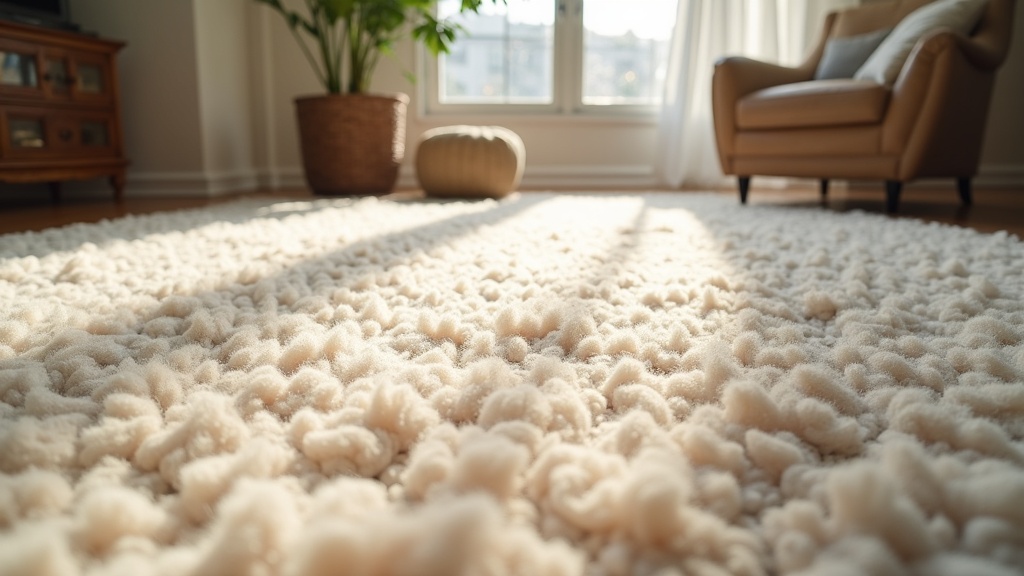
Baking soda absorbs surface moisture and some of the volatile compounds that cause odours, which is why it can make a rug smell better after pet accidents or general mustiness. It does not dissolve or lift stains, does not kill bacteria or mould, and it will not clean dirt out of pile the way a proper wash or professional cleaning does. Left damp or worked in too aggressively, it can also leave alkaline residue that dulls wool or affects certain dyes. It’s a useful, low-risk odour tool with real limits — not a substitute for cleaning.
What baking soda actually does
Sodium bicarbonate is a mild alkaline powder with a very fine, slightly abrasive crystal structure. On a rug, three things happen when you sprinkle it on dry pile: it absorbs surface moisture, it physically traps some loose particulate soil in its powder, and it neutralises certain acidic odour compounds through a simple chemical reaction. That’s the whole mechanism. It’s the same reason people keep an open box in the refrigerator — it’s absorbing and neutralising, not scrubbing or dissolving.
This makes it genuinely useful for two narrow jobs: pulling residual dampness out of pile after a spill has already been blotted, and reducing musty or urine-related odours that sit in the fibre rather than on the surface. If you’ve just dealt with a spill, baking soda is a reasonable follow-up step once you’ve already handled the initial cleanup described in guides on what to do immediately after a spill on a rug.
What it doesn’t do
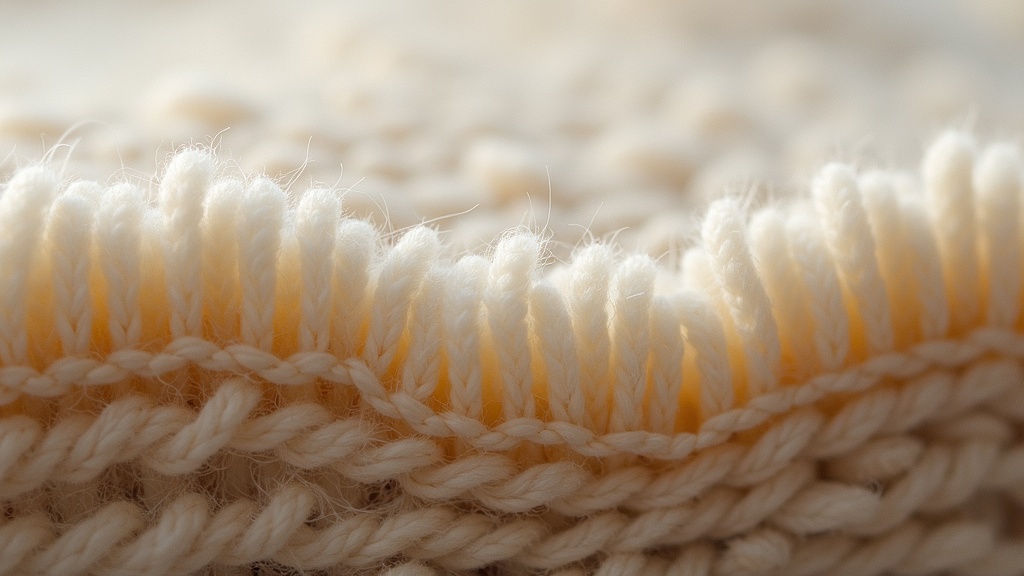
Baking soda has no detergent action. It doesn’t break down oils, break the bond between a stain and a fibre, or lift ground-in soil the way a surfactant does. Sprinkling it on a wine, coffee, or grease stain and leaving it overnight will not remove the stain — at best it dries the area faster and reduces a lingering smell if the spill had one. For actual stains, you need a fibre-appropriate cleaning approach, not an absorbent powder. If you’re dealing with oily residue specifically, that’s a different problem covered separately in guidance on removing grease and oil stains from a rug.
It also doesn’t disinfect. Odour neutralised is not the same as bacteria eliminated — if a pet accident has soaked into a wool pile and its foundation, the smell may return with humidity even after a baking soda treatment, because the underlying contamination is still there. For recurring or strong pet odour, the more complete approach is outlined in advice on removing pet stains and odour from a rug, and a musty smell that keeps coming back regardless of surface treatment is often a moisture or storage issue rather than something baking soda can fix — see the discussion on dealing with a rug that smells musty.
Fibre-by-fibre: where it’s low-risk and where it isn’t
Baking soda’s biggest practical risk isn’t chemical damage in most cases — it’s residue and grit. Fine powder that isn’t fully removed sits down in the pile, and over time it can dull the fibre’s natural sheen, feel gritty underfoot, and attract more soil because it clings to slightly damp or oily spots.
| Fibre / construction | Baking soda as a dry deodoriser | Notes |
|---|---|---|
| Wool, hand-knotted or machine-made pile | Generally low-risk in small amounts, brushed in and vacuumed out promptly | Wool is somewhat alkali-sensitive over time; don’t leave it sitting for days, and never combine with hot water, which is what actually causes felting and shrinkage |
| Silk or silk-blend rugs | Avoid | Silk fibres are fragile and easily dulled or roughened by abrasive powders and by moisture; these pieces belong with a specialist, as explained on silk rugs: fragile and misunderstood |
| Cotton or cotton-foundation flatweaves | Low-risk if fully vacuumed out | Cotton tolerates mild alkalinity reasonably well, but grit trapped in a tight flatweave is harder to extract than from cut pile |
| Jute or sisal | Avoid or use very sparingly | These fibres are damaged by moisture and by anything that isn’t fully dry-removed; see the separate guidance on cleaning a jute or sisal rug safely |
| Synthetic pile (polypropylene, nylon, polyester) | Low-risk | Synthetics are largely unaffected by mild alkalinity; the main issue is thorough removal, not fibre damage |
How to use it without creating a new problem
If you decide to use baking soda on a wool or synthetic rug you’re confident about, the method matters more than the product:
- Test on a hidden corner first — a small patch near the edge or underside — and check it after a few hours for any dulling, colour change, or residue that won’t brush out.
- Vacuum thoroughly beforehand so you’re deodorising clean pile, not trapping soil under the powder.
- Sprinkle a thin, even layer and let it sit for a limited window (an hour or two is usually enough); don’t leave it overnight on wool, since prolonged contact with any alkaline substance is the mechanism that eventually affects wool’s structure and colour.
- Vacuum it out completely, going over the area from multiple directions. Any powder left behind is a future problem, not a solved one.
Whatever vacuum you use, avoid a beater-bar setting on hand-knotted pile, fringe, or loosely woven flatweaves — the mechanical action that’s fine on synthetic carpet can pull yarns and fray edges on a handmade rug, a point covered in more detail in the guide to vacuuming rugs without damaging beater bars and fringe.
Never combine it with other cleaners
Baking soda is sometimes paired online with vinegar, hydrogen peroxide, or dish soap in “recipes” for rug stains. Resist this. Mixing chemicals in an attempt to boost cleaning power is unpredictable on textiles — it can strip dye, leave residue that attracts new soil, or in the case of anything combined with bleach-based products, release harmful fumes and destroy wool or silk protein fibres outright. Chlorine bleach in particular should never touch a wool or silk rug under any circumstance. If a stain doesn’t respond to a simple, single-step, fibre-appropriate treatment, that’s the signal to stop experimenting and get professional input rather than escalate the chemistry yourself.
When to skip the home remedy entirely
Baking soda is a low-stakes tool for a low-stakes problem: light surface odour on a rug you’re not worried about. It is not the right first move for a hand-knotted, antique, silk, or otherwise valuable rug, or for any rug where you’re not certain of the fibre and construction. Moisture, grit, and alkalinity all interact differently with old dyes, natural fibres, and hand-tied foundations than they do with a mass-produced synthetic rug, and the damage from getting it wrong is usually permanent, not something a second cleaning can undo. For anything in that category, the more useful next step is understanding what a conservator does differently from a general cleaner, covered in what a rug conservator does that a cleaner doesn’t, and starting there rather than with a kitchen cupboard fix. Broader background on which methods suit which fibres lives in the rug care hub, and the full run of cleaning and stain articles is collected in the cleaning and stains archive.
Frequently asked questions about baking soda on rugs
Does baking soda remove urine smell from a rug?
It can reduce surface odour by absorbing moisture and neutralising some odour compounds, but if urine has soaked into the pile or foundation, the smell often returns with humidity. Deeper contamination usually needs a fibre-appropriate wash or professional cleaning to fully resolve, not just a dry powder treatment.
Can I leave baking soda on my rug overnight?
For wool, it’s safer to limit contact to an hour or two rather than overnight, since prolonged exposure to any alkaline substance can gradually affect wool’s fibre and colour. Vacuum thoroughly afterward; any leftover powder sitting in pile for days is more risk than benefit.
Will baking soda damage a wool rug?
Used briefly, in small amounts, and vacuumed out completely, it’s generally low-risk on wool. The real risks come from leaving it too long, using it on damp wool, or pairing it with hot water or other cleaners, since those conditions are what actually cause felting, shrinkage, or dulling.
Is baking soda safe for silk or antique rugs?
No — silk is fragile and easily dulled by abrasive powders and moisture, and antique or hand-knotted rugs carry dyes and foundations that react unpredictably to home treatments. Both categories are better handled by a professional rug cleaner or conservator rather than a DIY dry-cleaning attempt.
What actually removes stains from a rug if baking soda doesn’t?
Stains generally need a targeted approach matched to the stain type and fibre — blotting, a wool-safe or fibre-appropriate detergent diluted in cool water, and patience, rather than an absorbent powder. Persistent or set-in stains, especially on valuable rugs, are best left to a professional.
Rug Academy publishes general information about rugs and is not a dealer, appraiser, or cleaning service. Cleaning and repair methods depend entirely on fibre, dye and construction — test any treatment on a hidden corner first, and consult a professional rug cleaner or conservator before treating a hand-knotted, antique, silk, or valuable rug, as damage from cleaning is usually permanent. Any prices mentioned are illustrative examples only, and nothing here is an appraisal, an authentication, or a guarantee of a rug’s origin or value.