Before you pay for an antique rug, ask about its age evidence, its dye and repair history, whether it has been chemically washed, and whether the price includes a written description you can verify. A seller who can answer these clearly, and who welcomes an independent appraisal, is behaving the way a reputable seller should. One who deflects or rushes you toward a decision is the biggest red flag of all.
Antique rugs are genuinely wonderful things to own, but the market has a wide spread between honest pieces and rugs dressed up to look older or rarer than they are. You don’t need to become an appraiser overnight. You do need a short list of pointed questions, and the patience to walk away if the answers don’t hold up.
Start with “why do you call this antique?”
The word “antique” gets used loosely. In the trade it generally implies a rug is roughly 80-100 years old or more, but plenty of sellers apply it to anything that looks old, distressed, or vaguely traditional. As we cover in Is an Old Rug Automatically an Antique?, age alone doesn’t establish rarity or value, and “old-looking” isn’t the same as old. Ask the seller what specifically leads them to that age estimate: family provenance, a prior appraisal, construction details, or just visual impression. A vague answer isn’t necessarily dishonest, but it should lower your confidence and raise your scrutiny of everything else.
What to ask about origin and attribution
- What region or weaving group is this attributed to, and on what basis?
- Is the name on the tag or invoice a documented regional or tribal designation, or a marketing name?
- Can I see the back of the rug and the selvedges, not just a styled photo of the front?
Names like Heriz, Bakhtiari, or Kazak refer to real weaving traditions, but they’re also sometimes borrowed loosely for style rather than origin. The hub page on rug craft and regional traditions is a good place to build a baseline understanding of what different regional constructions actually look like before you shop.
Ask what the appraiser or seller actually examined
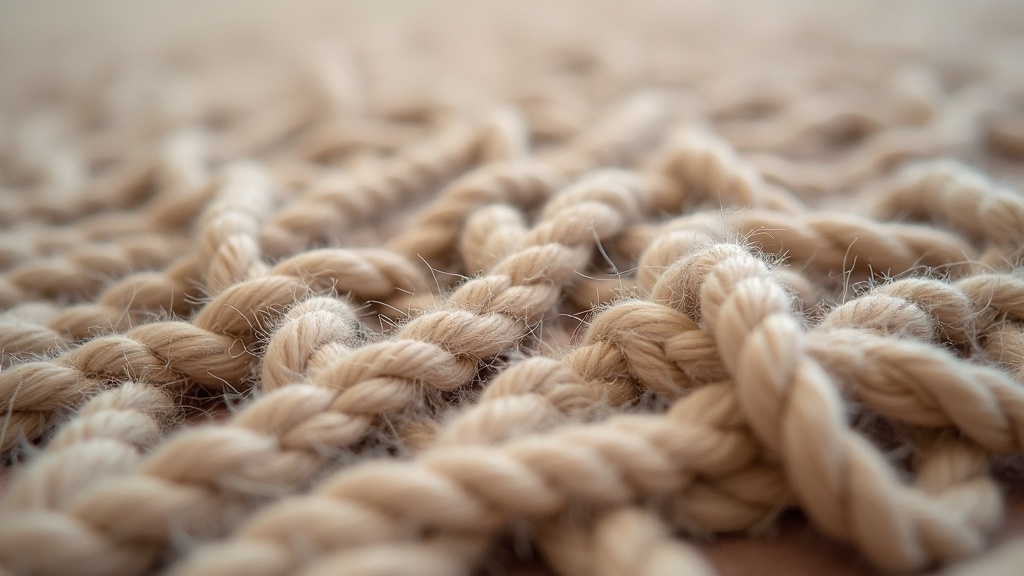
A credible age or origin claim rests on physical evidence, not impression. The things a qualified appraiser looks at include knot type and density, the foundation material (wool, cotton, or silk warps and wefts), the character of the dyes, the wear pattern across the pile, and how the selvedges and fringe were finished. Hand-spun wool has slight irregularities you can feel; cotton foundations became more common in certain regions and periods than others; natural dyes often show gentle, uneven fading rather than uniform flatness. None of these facts alone prove age, but together they build a picture, and a seller who understands and can point to them is worth more trust than one who can’t.
Ask directly: is this hand-knotted, hand-tufted, or machine-made? The distinction matters enormously for both value and durability, and how wear and repairs affect a rug’s value depends heavily on which category you’re in. Machine-made rugs have a uniform back, often with a woven-in label or a glued or latex backing, and rows of pile that look mechanically regular. Hand-knotted rugs show individual knots on the back, slight asymmetries, and a foundation you can see through the pile at the edges.
Ask about condition, repairs, and restoration
Very few genuinely old rugs have survived untouched. Reweaving, edge binding, fringe replacement, and patching are normal parts of an antique rug’s life and don’t automatically disqualify it. What matters is disclosure and quality of work. Ask:
- Has this rug been repaired, and where?
- Was the repair done with matching hand-spun wool and matching knot density, or with a patch that doesn’t match the surrounding pile?
- Are there any areas of foundation damage, dry rot, or moth activity that haven’t been addressed?
Run your hand gently over the surface and look at the rug against light from behind if possible; thin or brittle patches often show as lighter areas. Sellers dealing honestly will point out condition issues themselves rather than waiting to be asked.
Ask specifically about washing and chemical treatment
This is one of the most consequential questions you can ask, and one buyers frequently skip. A rug that has been chemically washed or “antique-washed” to fake a soft, faded look is a different object from one that acquired its patina through decades of gentle wear. As explained in Signs a Rug Has Been Chemically Washed or Painted, over-bright or unnaturally uniform “aging,” painted-in highlights, or a chalky smell can all indicate treatments meant to simulate age rather than reflect it. Ask plainly: has this rug been chemically washed, over-dyed, or “antiqued” in any way? A truthful answer changes both the price you should expect to pay and how the rug should be cared for going forward.
Ask about cleaning history and what care it will need
Ask when the rug was last cleaned and how. This matters because cleaning damage to a hand-knotted or antique rug is usually permanent, and it’s one of the fastest ways an otherwise valuable piece loses worth. If a seller mentions machine washing, steam cleaning, or scrubbing with household detergent, treat that as a serious warning sign, not a minor detail. Wool foundations can felt, shrink, and yellow when exposed to hot water or high-pH cleaners; silk is damaged by water and most detergents and should generally only be handled by a professional; natural and some early synthetic dyes bleed when wet; and saturating a hand-knotted rug’s foundation can cause permanent buckling. Chlorine bleach destroys both wool and silk outright, and mixing cleaning chemicals, especially anything containing bleach or ammonia, should never be part of the plan.
Once you own the rug, any cleaning should start with a test on a hidden corner, and anything beyond light surface dusting on a valuable, antique, silk, or uncertain-construction piece belongs with a professional rug cleaner or conservator rather than a DIY approach. The difference between the two roles is worth understanding before you need it; see what a rug conservator does that a cleaner doesn’t.
Ask about price, paperwork, and return terms
A fair price depends on far more than age: construction, condition, rarity of design, wool or silk quality, and current demand all play a role, which is why what determines antique rug value is genuinely a multi-factor question rather than a single number you can look up. Be wary of any seller who quotes a specific resale or investment figure with confidence; nobody can promise future value. Ask instead:
- Does the price include a written description of materials, origin claim, and condition?
- Is there a return period if an independent appraisal disagrees with the seller’s claims?
- Will the seller provide an invoice that states what was represented at time of sale?
As a rough illustration only, a decorative machine-made wool-blend rug in a common size might sit in the low hundreds, while a genuinely hand-knotted antique piece in good condition, with strong provenance, can run into the thousands or more; construction, size, condition, and rarity move these numbers enormously, and these figures are not a market rate for any specific rug.
When in doubt, get an independent appraisal
If real money is at stake, an in-person evaluation by a qualified, independent appraiser, someone with no financial stake in the sale, is the only reliable way to confirm age, origin, and condition claims. A good appraiser will examine the rug firsthand rather than relying on photos. Understanding the process in advance makes it far less intimidating; see getting a rug appraised: what to expect for a walkthrough of how an appraisal actually unfolds and what it can and can’t tell you.
| Question | Why it matters |
|---|---|
| Why do you call this antique? | Tests whether the age claim rests on evidence or marketing |
| Has it been chemically washed or over-dyed? | Distinguishes real patina from simulated aging |
| Has it been repaired, and how? | Repairs are normal; undisclosed ones aren’t |
| How was it last cleaned? | Reveals risk of hidden, irreversible damage |
| Can I get an independent appraisal before final sale? | The only reliable way to confirm claims that affect price |
Frequently asked questions about buying an antique rug
How do I know if an antique rug is real or fake?
No single sign proves authenticity on its own. Appraisers weigh knot type and density, foundation material, dye behaviour, wear patterns, and finishing together, then confirm conclusions in person, which is why a hands-on appraisal matters more than any one test you can do at home.
Is it normal for an antique rug to have repairs?
Yes, most surviving antique rugs have some repair history, and this doesn’t automatically reduce their appeal. What matters is whether repairs are disclosed, well-matched to the original wool and knotting, and limited to areas that don’t compromise the rug’s structural integrity.
Should I clean an antique rug before or after buying it?
Don’t clean it yourself before purchase, and be cautious about aggressive cleaning after. Test any treatment on a hidden area first, and take antique, hand-knotted, silk, or uncertain-construction rugs to a professional cleaner or conservator, since cleaning damage is usually permanent.
What’s a fair price for an antique rug?
There’s no single fair price; construction, condition, materials, rarity, and demand all move the number substantially. Treat any price quoted with confidence as one seller’s opinion, and use an independent appraisal to sanity-check significant purchases before you pay.
Can a seller refuse to let me get an independent appraisal?
A seller can decline, but reluctance to allow an independent, in-person appraisal before a significant purchase is a legitimate reason for caution. Reputable sellers of genuinely old, valuable rugs are typically comfortable with buyers verifying claims before final payment.
Rug Academy publishes general information about rugs and is not a dealer, appraiser, or cleaning service. Cleaning and repair methods depend entirely on fibre, dye and construction — test any treatment on a hidden corner first, and consult a professional rug cleaner or conservator before treating a hand-knotted, antique, silk, or valuable rug, as damage from cleaning is usually permanent. Any prices mentioned are illustrative examples only, and nothing here is an appraisal, an authentication, or a guarantee of a rug’s origin or value.