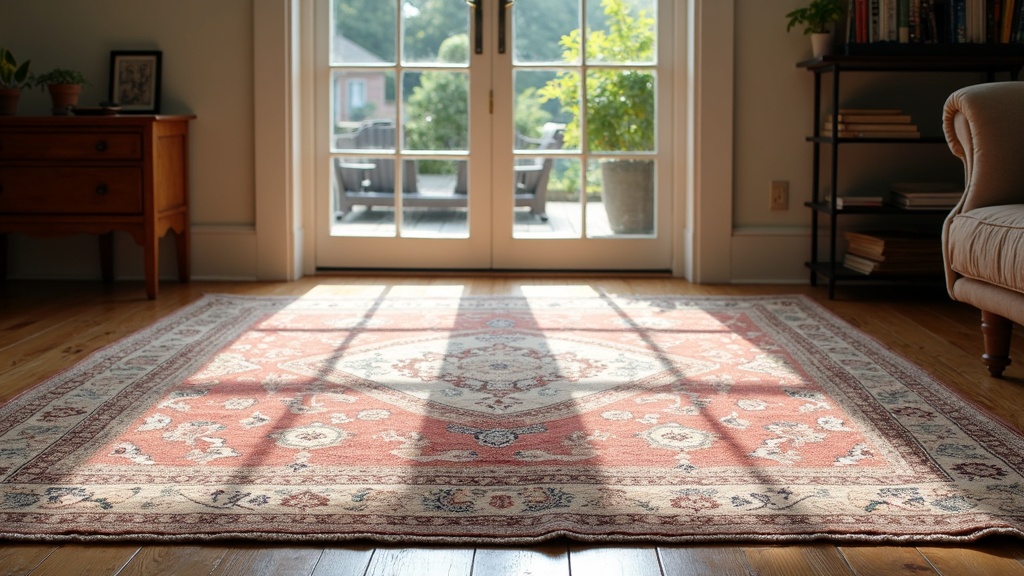
An antique rug’s value comes from the combination of how it was made, what it was made from, how well it has survived, and how rare or desirable its design and regional attribution are to collectors today. Appraisers weigh knot density and weave structure, fiber and dye quality, condition and repair history, and provenance together — no single factor decides the outcome on its own. Because these elements interact in ways that are hard to judge from a photo, a genuine number only comes from an in-person appraisal.
The core factors appraisers weigh
Every credentialed appraiser is essentially answering the same set of questions: how was this rug constructed, from what, by whom, and in what condition has it survived to reach me today. The craft and construction fundamentals behind a piece explain most of what separates a modest rug from a significant one.
Knot density and weave structure
Hand-knotted rugs are built knot by knot on a loom, and the fineness of that knotting is one of the first things an appraiser checks. Higher knot counts generally mean finer detail and more labor, though density alone doesn’t determine value — a coarsely knotted tribal weaving can be just as sought-after as a densely knotted city workshop piece, for different reasons entirely. If you want to understand how this measurement actually works and where its limits are, our piece on knot density and whether it actually matters goes into more depth. What matters more to an appraiser is consistency: even, regular knotting suggests a skilled weaver working steadily, while irregular spacing can point to a village workshop, a less experienced hand, or a later, lower-quality production.
Materials: wool, silk, and foundation
What the rug is made from — and how those materials were prepared — matters enormously. Hand-spun wool with natural lanolin still present tends to age and take dye differently than commercially processed wool. Silk is used for both pile and accent highlights in finer pieces and can carry real value, but it also complicates care, since silk reacts to water and most cleaning agents in ways wool doesn’t. The foundation — the warp and weft threads the knots are tied around — is usually cotton or wool, and appraisers examine it closely because foundation material and spin direction can help narrow down a region and era. Distinguishing a genuinely hand-knotted structure from a machine-made or hand-tufted imitation is foundational to any valuation, and our guide on telling a handmade rug from a machine-made one walks through the visual cues — a uniform, glued-on back and perfectly even fringe sewn on afterward are common signs of machine production or later reproduction, not age or quality.
Dyes: natural, early synthetic, and later chemical
Dye character is one of the more technical things an appraiser looks at, often with a loupe and raking light rather than a chemical test. Natural dyes from madder, indigo, and other plant or insect sources tend to show subtle variation and soft fading across a field, called abrash, that’s difficult to fake convincingly. Early synthetic dyes, introduced in the second half of the 19th century, sometimes fade or shift color in distinctive ways that experienced eyes can date fairly narrowly. Later chemical dyes tend to be flatter and more uniform. None of this is something a reader can reliably determine at home, but knowing that appraisers look for it explains why two rugs that look similar in a photo can be valued very differently in person.
Age, wear, and how appraisers read it
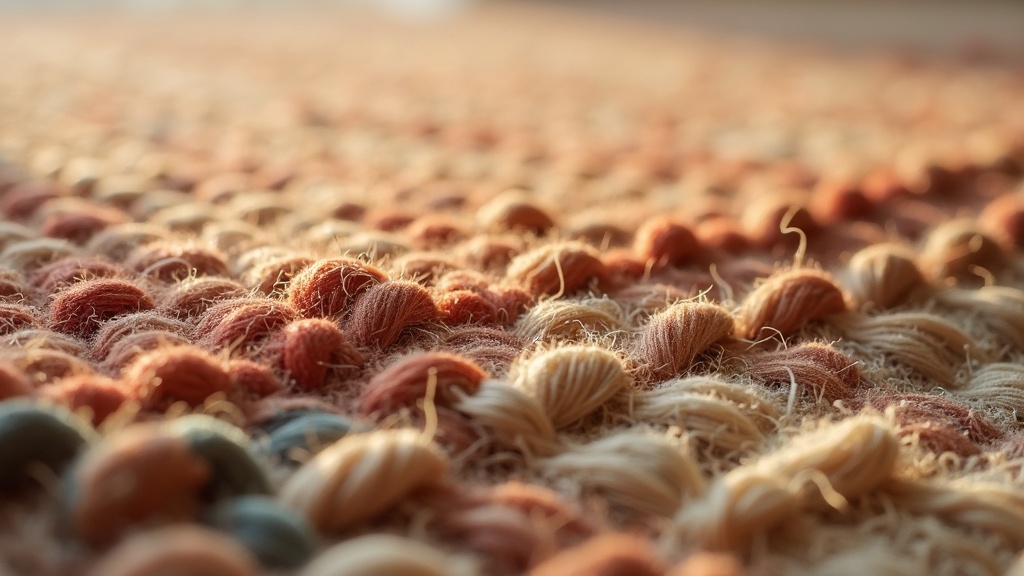
Genuine age leaves physical evidence: pile that has worn unevenly according to foot traffic patterns, foundation threads that have softened and darkened with handling, and fringe or selvedge (the finished edges) that show consistent, gradual wear rather than uniform distress. Appraisers also look at the back of the rug, where color and wear are often more honest than the face, since the pile there hasn’t been walked on or exposed to light. A rug that looks aggressively “antiqued” — deliberately distressed, with even wear everywhere or artificially faded color — is a common sign of a reproduction rather than a genuinely old piece. For general background on how regional weaving traditions developed and changed over time, the regional and antique rugs archive is a useful starting point, and readers curious about specific weaving origins may enjoy our overview of Persian rug regions as one example of how attribution actually works.
Condition and restoration
Condition affects value in ways that aren’t always intuitive. A little honest, even wear is expected and rarely hurts a rug’s desirability much; it’s part of an antique’s story. Structural damage is different — holes, dry or brittle foundation, moth damage, or a heavily reduced pile height all reduce both the rug’s stability and its market appeal. Past repairs matter too: reweaving done with matching wool, dye, and knotting technique by a skilled restorer can preserve most of a rug’s value, while visible patches, mismatched replacement yarn, or a rug that has been over-cleaned to the point of losing its patina generally cannot. Deciding whether a repair is worth the cost, and what kind of repair actually protects value versus just papering over a problem, is its own subject — we cover the trade-offs in when a damaged rug is worth repairing.
Design, rarity, and regional attribution
Beyond construction and condition, value is shaped by how unusual or sought-after a design is within its category. Some regional weaving traditions produced enormous volumes of a particular pattern, while others are rare simply because far fewer examples survive, or because a particular workshop or village style fell out of production. This is where connoisseurship, not just physical inspection, comes in — an appraiser familiar with a specific weaving tradition may recognize a design element, border treatment, or color combination that a generalist would miss entirely. This is also the part of valuation most vulnerable to guesswork online; a confident-sounding claim about origin or age from a photo alone should be treated with real skepticism.
Why cleaning and storage history matter to value
How a rug has been cared for over its life shows up directly in its condition, and therefore its value. Dirt and grit ground into the base of the pile accelerates wear from the inside out, while improper past cleaning can leave dye bleeding, a stiffened handle, or a foundation that has shrunk unevenly — all things an appraiser will notice and factor in. If you’re weighing whether to clean an old rug yourself before having it looked at, don’t. Hot water, high-pH detergents, and machine washing can cause wool to felt and shrink; chlorine bleach and ammonia-based cleaners will damage wool and silk and should never be combined with other household chemicals; and natural or early synthetic dyes can bleed the moment they get wet. Any hand-knotted, antique, silk, or otherwise valuable rug should go to a professional rug cleaner or conservator rather than through a home cleaning routine, because the wrong treatment is usually irreversible and can erase the very condition evidence a valuation depends on. General guidance on safe home maintenance for everyday rugs — as distinct from antiques — lives in our rug care hub, and specific structural fixes are covered in the repair and restoration archive.
Why only an in-person appraisal can give you a number
Everything above explains what appraisers look at, not what any particular rug is worth — and it can’t, because value depends on physically examining knot structure, fiber, dye, and condition together, in person, often with magnification and raking light. Online estimates based on photos alone are guesses, and prices vary enormously by size, condition, and current demand for a given style; a small machine-made wool-blend rug might sit in the low hundreds as an illustrative example, while a genuinely rare, well-preserved hand-knotted antique in the same size could be worth many times that — the range is simply too wide to generalize. If real money is at stake, whether you’re insuring, selling, or settling an estate, an in-person appraisal from a qualified, ideally certified appraiser is the only reliable way to get an actual figure. For background on the broader landscape of authentication and valuation, see the value and authentication archive.
Frequently asked questions about antique rug value
How can I tell if my rug is hand-knotted or machine-made?
Check the back: hand-knotted rugs show slightly irregular knots and the pattern is visible on the reverse, while machine-made rugs usually have a uniform, mesh-like backing with no visible knot structure and often a glued or stitched-on fringe.
Does a high knot count always mean a more valuable rug?
Not always. Knot density affects fineness and detail, but rarity, design, dye quality, condition, and regional origin all weigh in too — a coarser tribal weaving can be just as valuable as a densely knotted city piece for entirely different reasons.
Will cleaning my antique rug increase its value?
Careful professional cleaning that removes embedded soil without disturbing dye or fiber can help preserve value, but home cleaning with hot water, bleach, or the wrong detergent can cause irreversible damage and actually reduce it, so professional assessment first is safest.
Does a repaired antique rug lose value?
It depends on the repair. Skilled reweaving that matches original wool, dye, and knotting can preserve much of the value, while visible patches, mismatched yarn, or heavy over-cleaning tend to reduce both the rug’s stability and its market appeal.
How much is my antique rug actually worth?
There’s no reliable way to answer that from a description or photo. Value depends on physically examining knots, materials, dyes, and condition together, so a qualified in-person appraiser is the only source for an actual figure.
Rug Academy publishes general information about rugs and is not a dealer, appraiser, or cleaning service. Cleaning and repair methods depend entirely on fibre, dye and construction — test any treatment on a hidden corner first, and consult a professional rug cleaner or conservator before treating a hand-knotted, antique, silk, or valuable rug, as damage from cleaning is usually permanent. Any prices mentioned are illustrative examples only, and nothing here is an appraisal, an authentication, or a guarantee of a rug’s origin or value.