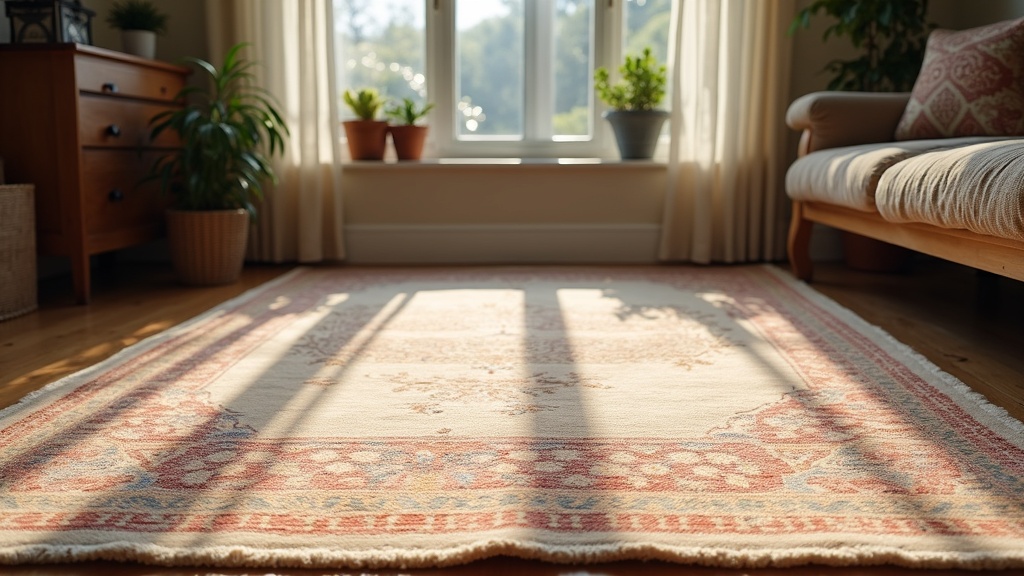
Wear and repairs affect a rug’s value in opposite ways depending on what caused them and how they were handled: honest, even wear that shows age and craftsmanship can be part of a rug’s character and barely dents its worth, while heavy pile loss, poor patchwork, or foundation damage can cut its value dramatically. The single biggest risk to value, though, isn’t wear at all — it’s cleaning done incorrectly, which can turn a repairable rug into an unsellable one in a single afternoon.
Why wear alone doesn’t automatically lower value
A hand-knotted rug is a working textile, and appraisers expect to see some evidence of use. Gentle, even wear across the pile — sometimes called patina — is often read as a sign of age and authenticity rather than a flaw, especially on antique and semi-antique pieces where a pristine surface would actually raise questions. What matters more than the presence of wear is its pattern: even, gradual thinning across high-traffic areas is normal, while patchy bald spots, moth grazing, or a worn-through foundation tell a different story about how the rug was kept.
This is one of the reasons appraisers examine knot type and density, foundation material, dye characteristics, and the finishing of the selvedge and fringe alongside wear, rather than judging condition in isolation. The hub page on rug craft and authentication walks through how these elements fit together, and the archive on value and authentication covers the individual factors in more depth.
Reading wear patterns correctly
- Even pile wear across a walkway or central field is typical of age and use, and is generally treated as expected condition rather than damage.
- Corrosive dye wear, where certain dark brown or black wool fibres have worn lower than the rest of the pile, points to historic dyes that were harsher on the fibre — a known characteristic in some antique pieces rather than a sign of neglect.
- Moth damage tends to be irregular and can affect both pile and foundation; the article on moth damage in wool rugs explains what can realistically be saved once this kind of loss has occurred.
- Dry, brittle foundation threads from long-term sun exposure or poor storage weaken a rug structurally in a way surface wear alone does not.
How repairs are judged
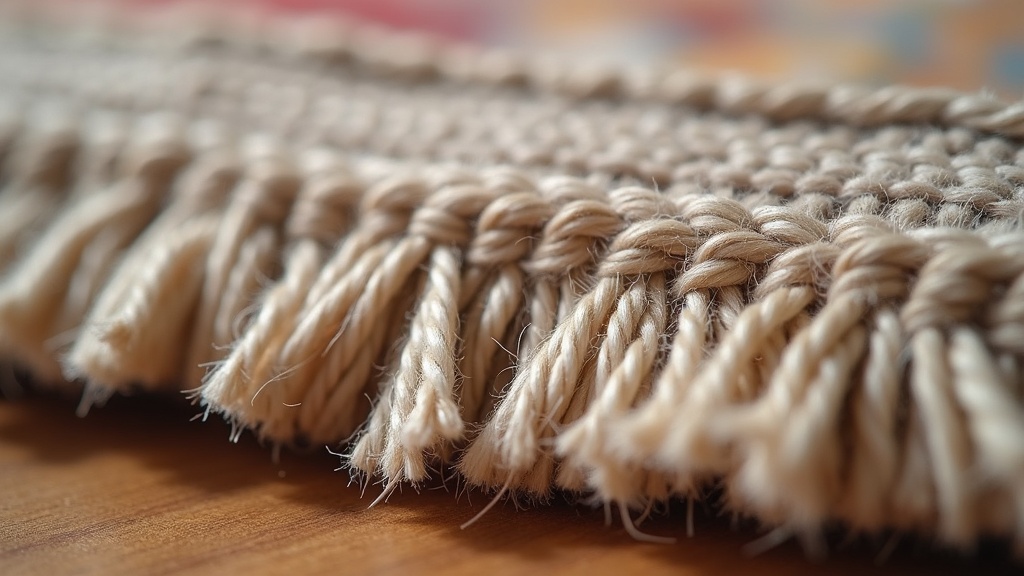
Repairs are not a single category — a small, well-matched reweave by a skilled restorer is judged very differently from a crude patch, mismatched fringe, or a section of pile glued down rather than rewoven. Appraisers look at whether repair wool matches the original in colour, twist and thickness, whether new knots follow the original knot count and structure, and whether the repair is confined to the damaged area or has disturbed surrounding original material. A repair that is visually invisible and structurally sound preserves far more value than one that is obvious or has been done with the wrong materials.
Foundation repairs — reinforcing or replacing warp and weft where a rug has worn through — are usually considered more serious than pile repairs, because the foundation is what gives a rug its shape and strength. Understanding the difference matters here, which is covered in more detail in warp, weft and pile: rug anatomy explained. A rug with a compromised foundation that has been patched rather than properly rewoven is at greater risk of further damage, and that risk is something a buyer or appraiser will factor into value.
Original repairs versus later interventions
Age isn’t the only thing appraisers weigh — they also consider when a repair was made. A repair carried out decades ago, using period-appropriate wool and dyes, is sometimes treated almost as part of the rug’s history. A recent repair using synthetic dye or machine-spun yarn on an otherwise all-natural, hand-spun antique piece stands out clearly under close inspection and can affect both value and authenticity assessments, since dye characteristics are one of the details examined when determining age and origin.
When is a repair worth doing at all?
Not every damaged rug is worth restoring, and the decision usually comes down to comparing the cost of professional restoration against the rug’s likely value once repaired. A hand-knotted rug with strong knot density, natural dyes and no other major damage may well justify the cost of reweaving a worn corner or reinforcing a fringe. A machine-made rug with a similar area of wear generally will not, simply because replacement cost is often lower than repair cost for that category of rug. This trade-off is explored fully in when is a damaged rug worth repairing?, and the repair and restoration archive has more on specific techniques such as reweaving, fringe replacement and edge binding.
As a rough illustration only — not a market rate — a straightforward fringe repair on a small rug might sit in the low hundreds, while a complex reweave on a large, finely knotted piece can run considerably higher; construction, size and the rarity of matching materials all drive this, and any real number should come from a quote after in-person inspection, not a general estimate.
Cleaning damage: the most common value killer
More rugs lose value through a single bad cleaning attempt than through years of ordinary foot traffic. This is worth taking seriously: cleaning damage is usually permanent, and a rug that survived a century of use can be ruined in one wash.
A few specific risks are worth naming plainly:
- Hot water and high-pH or alkaline cleaners cause wool to felt, shrink and yellow — this is a chemical change to the fibre, not something that can be reversed afterward.
- Chlorine bleach destroys both wool and silk fibres and should never be used on either.
- Silk is damaged by water and by most detergents; it generally needs professional handling rather than home cleaning, as covered in silk rugs: beautiful, fragile, and often misunderstood.
- Natural dyes, and some early synthetic dyes, can bleed and migrate when a rug is saturated with water, permanently staining adjacent light-coloured areas.
- Machine washing, steam cleaning, or oversaturating a hand-knotted rug can shrink the foundation unevenly, causing buckling that is difficult and expensive to correct — see can you steam clean a rug? for where that method helps and where it harms.
- Beater-bar vacuums can tear loose pile and fray fringe, which is why the guidance in vacuuming a rug correctly recommends suction-only attachments near edges and fringe.
For routine at-home care on a rug you’re confident is wool and not hand-knotted or antique, blotting a fresh spill promptly with cool water and a small amount of wool-safe detergent is generally safe; the fuller method, including what to avoid, is set out in how to clean a wool rug without ruining it. Never mix cleaning chemicals — combining bleach with ammonia or other household products can create dangerous fumes, and mixing detergents unpredictably can also alter dye stability. Always test any treatment on a hidden corner first, and if the rug is hand-knotted, antique, silk, of uncertain construction, or simply valuable to you, the safer and ultimately cheaper route is a professional rug cleaner or textile conservator rather than a home attempt.
What this means for value, in practice
Put together, wear and repair affect value along a few consistent lines: even wear is often neutral or even expected on older pieces; uneven or structural damage lowers value more; skilled, well-matched repairs preserve value far better than visible or mismatched ones; and cleaning damage — because it’s chemical and often irreversible — tends to be the most severe of all, sometimes reducing a valuable rug to little more than a floor covering. None of this replaces an actual appraisal. Where real money is involved — buying, selling, insuring, or deciding whether to restore — an in-person assessment by a qualified appraiser is the only reliable way to know what a specific rug is worth, since photographs and general guidelines can’t substitute for handling the piece directly.
Frequently asked questions about rug wear and repairs
Does a repaired rug lose value compared to an undamaged one?
Usually somewhat, yes, though how much depends on repair quality. A skilled, well-matched reweave has far less impact than a visible patch or mismatched fringe, and a professionally documented repair is generally viewed more favourably than an undisclosed one.
Is worn pile on an old rug a bad sign?
Not necessarily — even, gradual pile wear is common on genuinely old, well-used rugs and is often read as a sign of age rather than neglect. Patchy bald spots, moth damage, or a worn-through foundation are treated more seriously than uniform wear.
Can I clean an old rug myself to improve its value?
It’s risky. Hot water, high-pH cleaners, steam, and machine washing can shrink, felt, or bleed dyes on hand-knotted or antique rugs, and the damage is usually permanent. For anything valuable, antique, silk, or uncertain in construction, a professional cleaner is the safer choice.
Is it worth repairing a machine-made rug?
Often not, since replacement cost is frequently lower than professional repair cost for machine-made pieces. It comes down to comparing repair quotes against replacement price, which is covered in more detail in the linked guide on when repair makes sense.
How do appraisers tell an old repair from a new one?
They look at whether the repair wool, dye and spin match the original material and technique, and whether the knotting follows the rug’s original structure. Modern synthetic dye or machine-spun yarn on an otherwise antique, natural-dye rug is usually easy to spot up close.
Rug Academy publishes general information about rugs and is not a dealer, appraiser, or cleaning service. Cleaning and repair methods depend entirely on fibre, dye and construction — test any treatment on a hidden corner first, and consult a professional rug cleaner or conservator before treating a hand-knotted, antique, silk, or valuable rug, as damage from cleaning is usually permanent. Any prices mentioned are illustrative examples only, and nothing here is an appraisal, an authentication, or a guarantee of a rug’s origin or value.