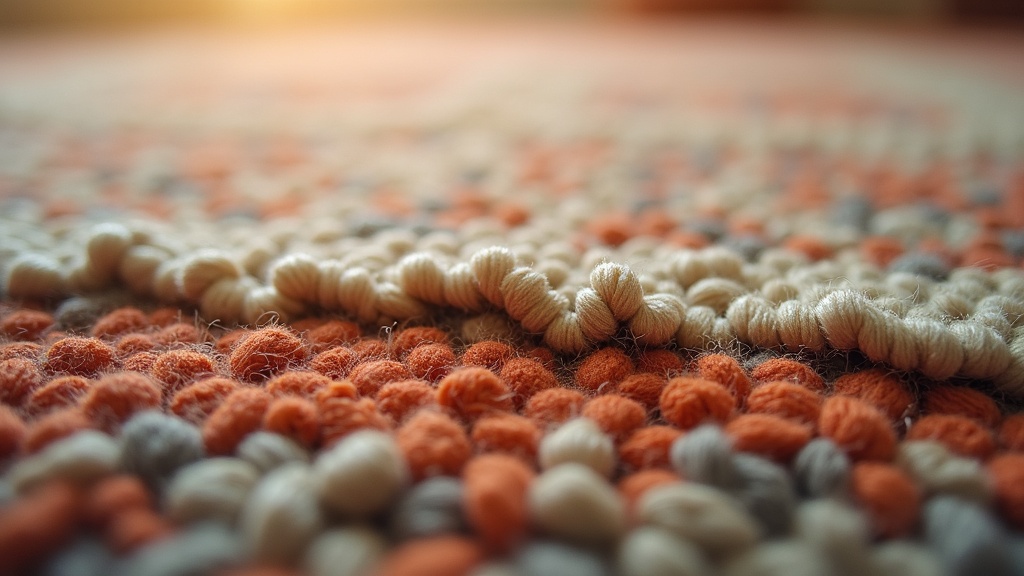
Professionals repair rug holes in one of two fundamentally different ways: reweaving, where a technician rebuilds the missing knots and foundation thread by thread to match the surrounding rug, or patching, where a piece of matching material is cut and stitched or inserted into the damaged area. Reweaving is slower, costlier, and generally invisible; patching is faster and cheaper but usually detectable and more likely to affect resale value. Which one a conservator recommends depends on the size of the hole, the rug’s construction, and how much the piece is actually worth saving.
Why the repair method matters
A hole in a rug is not just an aesthetic problem — it’s a structural one. Once the foundation (the warp and weft threads that hold everything together) is compromised, the surrounding pile can unravel further with every footstep or vacuum pass. Understanding how warp, weft and pile actually form a rug helps explain why a small snag left alone often becomes a much larger hole within a season or two. The repair method chosen should match the construction of the rug and the severity of the damage, not just the size of the hole in isolation.
Reweaving: rebuilding the rug from the inside out
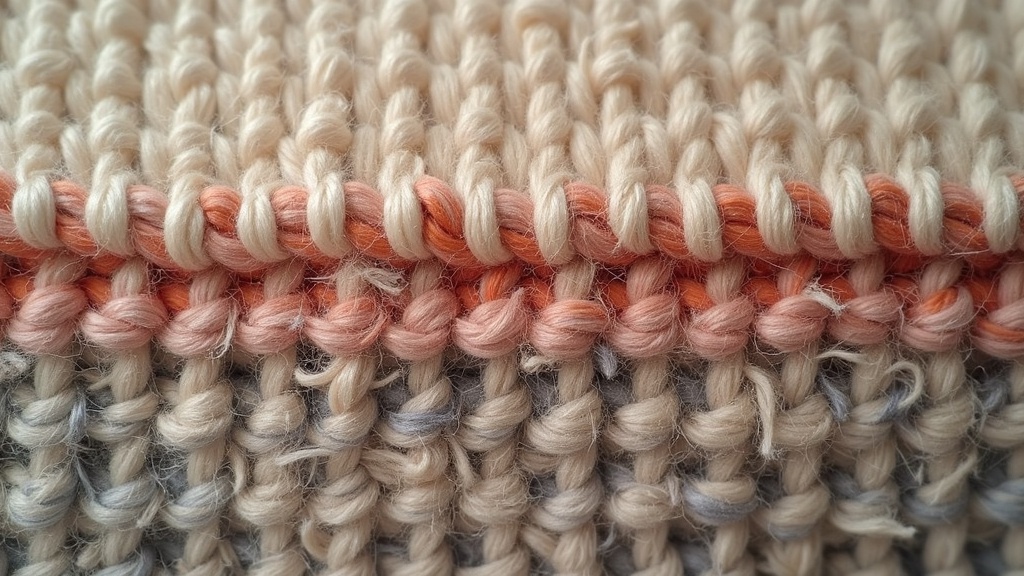
Reweaving is the process of removing damaged threads back to sound material and then rebuilding the missing warp, weft, and knots by hand, using yarn dyed and spun to match the original as closely as possible. On a hand-knotted rug, this means tying new knots one at a time, row by row, at roughly the same density as the original weave. It is slow, skilled work — a small area might take many hours — and it is priced accordingly.
Done well, a rewoven section is essentially invisible from the front of the rug, though it may be detectable from the back where new foundation threads meet old. This is the method conservators reach for on rugs where authenticity and value are a priority: an antique tribal piece, a fine city workshop rug, or anything the owner intends to keep in the family or eventually sell. Because reweaving preserves the rug’s structural and visual continuity, it does the least damage to the rug’s standing with a future appraiser, which matters a great deal when wear and repairs are part of how a rug’s value gets assessed.
What reweaving requires
- Matching wool (or silk, or cotton) that has been dyed to blend with the aged, sun-mellowed color of the original — not the bright, saturated color of new yarn.
- A weaver who understands the specific knot type used (Persian/asymmetrical, Turkish/symmetrical, or a flatweave structure) so the repair sits at the correct density and angle.
- Time. Rushed reweaving is usually visible as a stiff patch, a color mismatch, or an obvious ridge where new pile meets old.
Patching: faster, cheaper, and more visible
Patching involves cutting a section of similar rug material — sometimes salvaged from a damaged donor rug, sometimes a woven insert made for the purpose — and stitching it into the hole, usually secured to the surrounding foundation with heavy thread. It’s considerably faster than reweaving because no new knots are tied; the patch is essentially transplanted rather than rebuilt.
The trade-off is visibility and durability. A patch rarely matches the pile height, knot density, or exact color of the surrounding rug perfectly, and the seam where old and new material meet is a natural weak point that can fail again under foot traffic. Patching tends to be the practical choice for rugs where cost matters more than invisibility — a machine-made rug, a mid-range decorative piece, or a rug with sentimental rather than significant resale value. It’s a legitimate repair, not a lesser one, provided the reader’s expectations match what patching can actually deliver.
How professionals decide which to use
A conservator or repair specialist typically weighs several factors before recommending either method:
- Construction. Hand-knotted rugs can be rewoven knot by knot; machine-made rugs, which are built on power looms with glued or synthetic-backed foundations, often can’t be rewoven in the traditional sense and are usually patched or re-tufted instead.
- Size and location of the damage. A small moth hole in a field area is often a quick reweave. A large hole near a border or medallion, where pattern alignment is critical, takes far more skill and time to reweave convincingly — which is one reason moth damage in wool rugs is worth addressing the moment it’s spotted, before it spreads.
- Value of the rug. Reweaving costs scale with labor hours, so it makes the most economic sense on rugs whose value clearly exceeds the repair bill. Deciding whether a damaged rug is worth repairing at all is a separate but related judgment call, often made alongside the repair estimate itself.
- Owner’s intent. A rug destined for daily foot traffic in an entryway has different priorities than one being kept as a family heirloom or prepared for sale.
Reweaving vs patching at a glance
| Factor | Reweaving | Patching |
|---|---|---|
| Visibility | Usually invisible from the front when done well | Often detectable, especially up close |
| Time required | Hours to weeks, depending on size | Hours to a day or two |
| Best suited to | Hand-knotted, antique, or high-value rugs | Machine-made or lower-value decorative rugs |
| Effect on future value | Minimal, if matched well | Can be noted by an appraiser as a repair |
| Relative cost | Higher, priced by labor hours | Lower, priced by material and time |
Illustrative example only: a small reweave on a fine hand-knotted rug might run into the low hundreds of dollars for a modest area, while extensive reweaving across a border or medallion can cost considerably more — actual pricing depends entirely on the specialist, the rug’s density, and the size of the damage, so treat any number here as a rough sense of scale rather than a quote.
What this has to do with cleaning
Repair and cleaning are more connected than most owners realize. A hole that’s been patched or rewoven is especially vulnerable during cleaning: aggressive scrubbing, saturating the repair area, or using a beater-bar vacuum near loose pile can pull a fresh repair apart before it has fully settled. If a rug has recently been repaired, it’s worth telling your cleaner in advance and, in the meantime, sticking to a gentle suction-only vacuum and avoiding the repaired area with any spot treatment. General guidance on safe handling — including which cleaning approaches are appropriate for which fibers — is covered in more depth on the site’s rug care hub, and repair-specific advice lives in the repair and restoration archive.
As a rule, never apply a household cleaning product to a repaired or damaged area without testing on a hidden corner first, and never combine cleaning chemicals such as bleach and ammonia — the fumes are hazardous and neither is safe on wool or silk regardless. If the rug is hand-knotted, antique, silk, or of uncertain construction, the safest move is to have both the cleaning and the repair assessed by a professional conservator rather than experimenting at home.
A word on value and authentication
Owners sometimes ask whether a repair will “ruin” a rug’s value. The honest answer is that it depends on factors a written article can’t assess from a photo: knot density, the quality of the match, where on the rug the repair sits, and how the rug’s overall condition compares to similar pieces. An appraiser examining a repaired rug will look at knot type and consistency, foundation material, dye characteristics under different light, and how well wear patterns align with the rug’s claimed age — not just whether a repair exists. If real money is riding on the decision, whether to insure, sell, or restore further, an in-person appraisal from a qualified appraiser is the only reliable way to get a straight answer.
Frequently asked questions about reweaving vs patching rug holes
Is reweaving always better than patching a rug?
Not always — reweaving is usually less visible and better for hand-knotted or valuable rugs, but it’s slower and costlier. For machine-made or lower-value rugs, a well-done patch can be the more sensible, cost-effective repair without meaningfully changing how the rug looks or performs day to day.
How much does it cost to reweave a hole in a rug?
Costs vary enormously by rug density, hole size, and location, so any figure is illustrative only — a small area might sit in the low hundreds of dollars, while extensive border or medallion work costs more. Get an in-person quote from a rug repair specialist for an accurate estimate.
Can a machine-made rug be rewoven?
Generally no, not in the traditional hand-knotting sense — machine-made rugs are built on power looms with different foundations, so damage is usually addressed with patching, re-tufting, or edge binding rather than knot-by-knot reweaving.
Will a repaired rug still be worth as much?
It depends on the quality and visibility of the repair, and only a qualified appraiser examining the actual rug can say how much a specific repair affects value; a skilled, well-matched reweave typically preserves value far better than a visible patch.
How do I know if my rug’s hole is worth repairing?
Weigh the repair cost against the rug’s condition, materials, and sentimental or resale value — a small hole in a valuable hand-knotted rug is almost always worth fixing, while extensive damage on a low-cost machine-made rug may not justify professional repair costs.
Rug Academy publishes general information about rugs and is not a dealer, appraiser, or cleaning service. Cleaning and repair methods depend entirely on fibre, dye and construction — test any treatment on a hidden corner first, and consult a professional rug cleaner or conservator before treating a hand-knotted, antique, silk, or valuable rug, as damage from cleaning is usually permanent. Any prices mentioned are illustrative examples only, and nothing here is an appraisal, an authentication, or a guarantee of a rug’s origin or value.