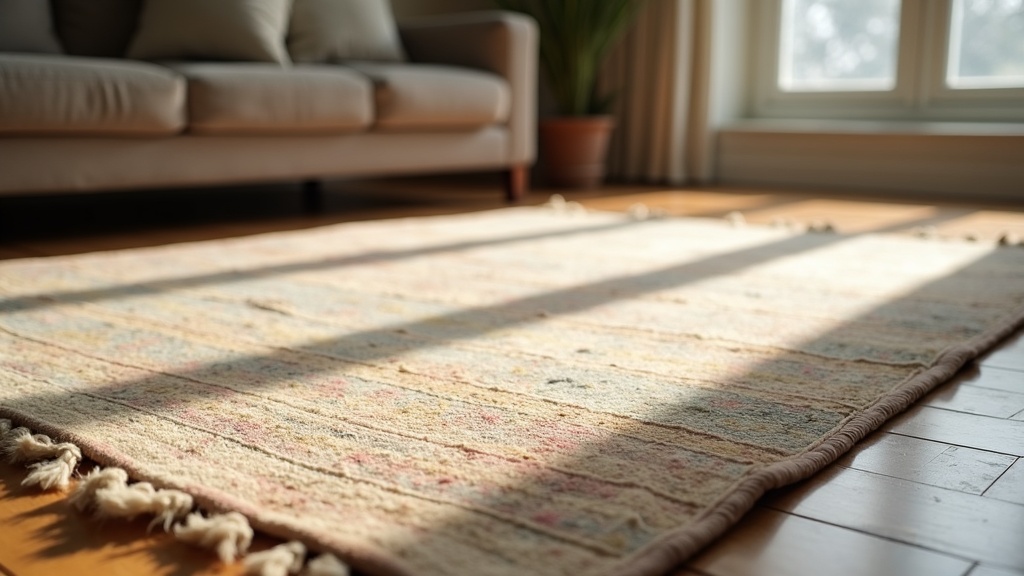
A damaged rug is worth repairing when the cost of restoration is reasonable relative to its value, when the damage is structural rather than purely cosmetic, and when the materials and craftsmanship are good enough to survive being fixed. A machine-made rug with a torn edge is often cheaper to replace than mend; a hand-knotted rug with the same damage may be worth hundreds in repair because the field and pile are otherwise intact. The right answer depends on what the rug is, what’s actually wrong with it, and what you want from it going forward.
What actually decides whether repair makes sense
Three questions drive almost every repair decision: what is the rug made of and how was it constructed, how bad is the damage, and what would a fix cost compared to what the rug is worth or what a similar replacement would cost. None of these are separate from each other. A hand-knotted wool rug on a cotton foundation can often be rewoven so invisibly that only a specialist would spot it, because the original knotting technique can be reproduced thread by thread. A tufted rug, by contrast, is glued together with a fabric backing, and once that backing separates or the glue dries out, there often isn’t a “repair” in the traditional sense — the whole piece is failing at once. If you’re not sure which category your rug falls into, the difference matters enough that it’s worth working through how to tell if a rug is handmade or machine-made and, if it is handmade, whether it’s hand-knotted or hand-tufted before you call anyone for a quote.
Construction also determines who can even do the work. Hand-knotted repair is done by hand, knot by knot, matching the original wool or silk as closely as possible. Tufted and machine-made rugs are generally repaired, if at all, by patching or re-securing backing rather than reweaving pile, which is one reason low-cost rugs are so often simply replaced.
Types of damage, and what they mean for repair
Not all damage is equal, and the type tells you a lot about whether fixing it is realistic.
- Moth and carpet beetle damage eats wool pile down to the foundation in patches. If the foundation threads are intact, a weaver can reknot the missing area. If the foundation itself is chewed through, the repair becomes a much larger reweave.
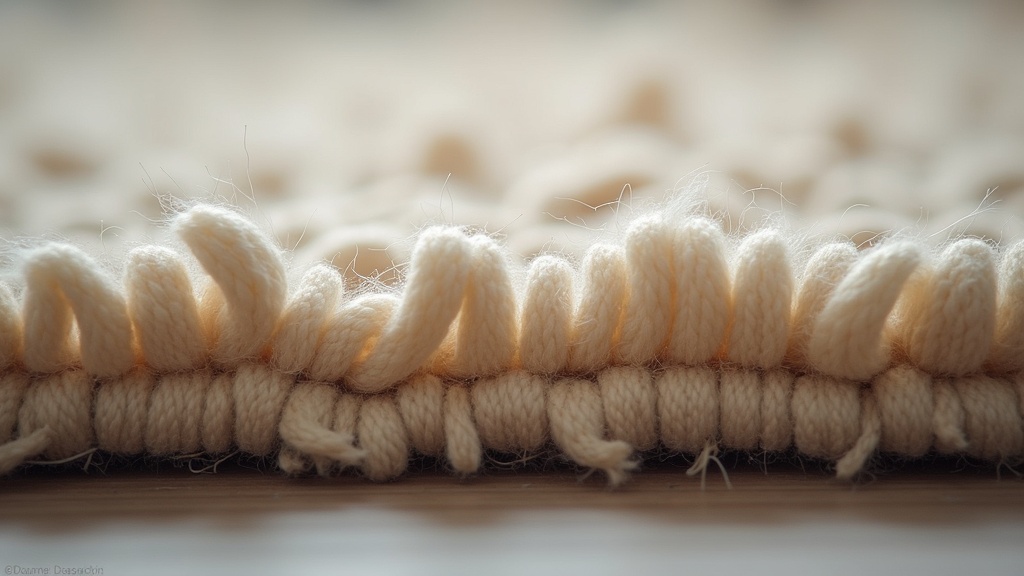
- Torn or frayed edges (selvedge) and loose fringe are some of the most repairable damage there is, because the selvedge wrapping and fringe are somewhat separate from the main field and can be rebuilt or reinforced without touching the pile.
- Worn pile from decades of foot traffic, especially in a walkway or in front of a favorite chair, can sometimes be re-piled in that section, but heavy, even wear across a large area is harder to justify repairing than a small, isolated worn patch.
- Dry rot or foundation splitting, often from long-term dampness or age, is the most serious kind of damage, because it means the structural threads holding the whole rug together are failing, not just the surface.
- Water stains and dye bleeding are a different problem entirely — often not repairable in the structural sense at all, but sometimes correctable through professional washing and, in rare cases, careful re-dyeing of a small area.
- Odor and stiffness from prior water damage or improper storage point to a cleaning and conservation issue rather than a repair one, and how the rug was stored matters a great deal here — see the guidance in protection and storage for how humidity and folding contribute to this kind of damage in the first place.
What repair actually costs, in principle
There’s no way to give you an accurate number for your specific rug without seeing it, and anyone who quotes a firm price sight unseen should make you cautious. But it helps to understand the rough logic restorers use, so you can sanity-check a quote.
| Type of damage | General repair approach | Illustrative cost logic (not a quote) |
|---|---|---|
| Small moth patch, foundation intact | Hand reknotting to match surrounding pile | Priced by knot density and area — a small, low-knot-count patch is far cheaper than a dense, fine-weave one |
| Fringe wear or loss | New fringe overcast or rewoven into the end finish | Often priced per linear foot of rug width |
| Torn selvedge | Rewrapping the edge in matching wool or cotton | Priced per linear foot along the damaged side |
| Widespread pile wear | Partial re-piling or, in bad cases, not economically repairable | Cost rises quickly with area — this is where “repair vs. replace” decisions usually happen |
| Foundation splitting | Structural reweaving or conservation-grade patching | Often the most labor-intensive and expensive category |
As a general illustration only: a small corner reknot on a modest rug might land somewhere in the low hundreds of dollars, while extensive reweaving on a larger, finely knotted piece can run considerably higher — sometimes more than a comparable new rug would cost. That’s not a quote for your rug; it’s simply the shape of how these costs scale, and any real number has to come from someone who has examined the piece.
When the rug’s value changes the math
This is where people get into trouble, because the instinct is to ask “what’s it worth?” before deciding whether to repair it — and that’s exactly the question nobody can answer from a description or a photo. An appraiser evaluating a damaged rug looks at knot type and density, the foundation material, how the dyes behave and whether they show the kind of subtle variation typical of natural dyeing, the wear pattern across the piece, and how the selvedge and fringe were finished at the loom. Consistent, mechanically regular repeats in the back of the rug, a glued or latex-coated backing, or perfectly uniform synthetic color are the kinds of things that often point toward a machine-made or reproduction piece rather than an older handmade one, though none of these are certainties on their own. This kind of examination is really the territory of value and authentication, and it’s genuinely not something that can be done reliably through a written description — an in-person appraisal by a qualified appraiser is the only reliable way to know what a damaged rug is actually worth before you commit money to fixing it. If you want the broader background on how origin and craftsmanship are assessed generally, the rug craft hub is a reasonable starting point, and the regional and antique rugs archive covers how different weaving traditions are identified.
Before any repair: don’t make the damage worse with cleaning
It’s common to want to clean a damaged rug before sending it for repair, but this is exactly the wrong order if you’re not certain of the fiber and construction. Hot water, high-pH detergents, or machine washing can felt and shrink wool, and chlorine bleach will destroy both wool and silk outright — never mix bleach with ammonia or any other household cleaner, since the fumes are dangerous and neither will make the fiber safer to treat. Silk rugs and rugs with natural or early synthetic dyes are especially risky to wet at all, because dyes can migrate or bleed, and this is usually a job for a professional rather than a home attempt. If you do intend to spot-test a wool rug’s pile away from the damaged area, use cool water with a small amount of wool-safe detergent, test on a hidden corner first, and stop immediately if any color transfers onto a white cloth. For anything hand-knotted, antique, silk, or of uncertain construction, the safer path is a professional rug cleaner or conservator, not a home remedy — see rug care for the broader distinctions between cleaning, repair, and long-term protection, and the cleaning and stains archive for fiber-specific detail.
When it’s genuinely better to walk away
Repair isn’t always the right call, even on a rug you love. It rarely makes sense when the foundation is rotted or splitting across a large area, when the cost of matching wool and labor exceeds what a similar rug would cost to buy, or when the piece is a lower-cost machine-made rug where the backing itself is failing rather than a single fixable spot. In those cases, the more useful investment is often in protecting the next rug you buy — a good pad, rotation out of direct sun, and proper storage do more for a rug’s lifespan than any repair can undo after the fact, which is covered in Do You Really Need a Rug Pad? and in the wider rug buying guides hub if you’re weighing a replacement.
Frequently asked questions about repairing a damaged rug
Is it worth fixing a rug with moth damage?
Often yes, if the foundation threads under the eaten pile are still intact — a weaver can reknot the missing wool. If the moths have chewed through the backing threads too, the repair becomes larger and more expensive, so it’s worth an in-person look before deciding.
How much does rug reweaving cost?
It varies enormously with knot density, wool quality, and the size of the damaged area, so there’s no single figure that applies broadly — a small patch on a coarser rug costs far less than a similar patch on a fine, densely knotted one. A restorer needs to see the rug to quote accurately.
Can a machine-made rug be repaired?
Sometimes, for edge binding or fringe, but tufted rugs with a glued fabric backing generally can’t be rewoven the way hand-knotted pile can, so once the backing itself is failing, replacement is usually more practical than repair.
Should I clean a damaged rug before repairing it?
Not without knowing the fiber and construction first. Cleaning a wool or silk rug incorrectly can shrink, felt, or bleed the dyes permanently, which makes the eventual repair harder — a professional cleaner or conservator should generally assess the rug before any washing happens.
How do I know if my damaged rug is valuable enough to repair?
Nobody can tell from a photo or description — value depends on knot type, materials, age, and condition all together. An in-person appraisal from a qualified appraiser is the only reliable way to weigh repair cost against actual worth.
Rug Academy publishes general information about rugs and is not a dealer, appraiser, or cleaning service. Cleaning and repair methods depend entirely on fibre, dye and construction — test any treatment on a hidden corner first, and consult a professional rug cleaner or conservator before treating a hand-knotted, antique, silk, or valuable rug, as damage from cleaning is usually permanent. Any prices mentioned are illustrative examples only, and nothing here is an appraisal, an authentication, or a guarantee of a rug’s origin or value.