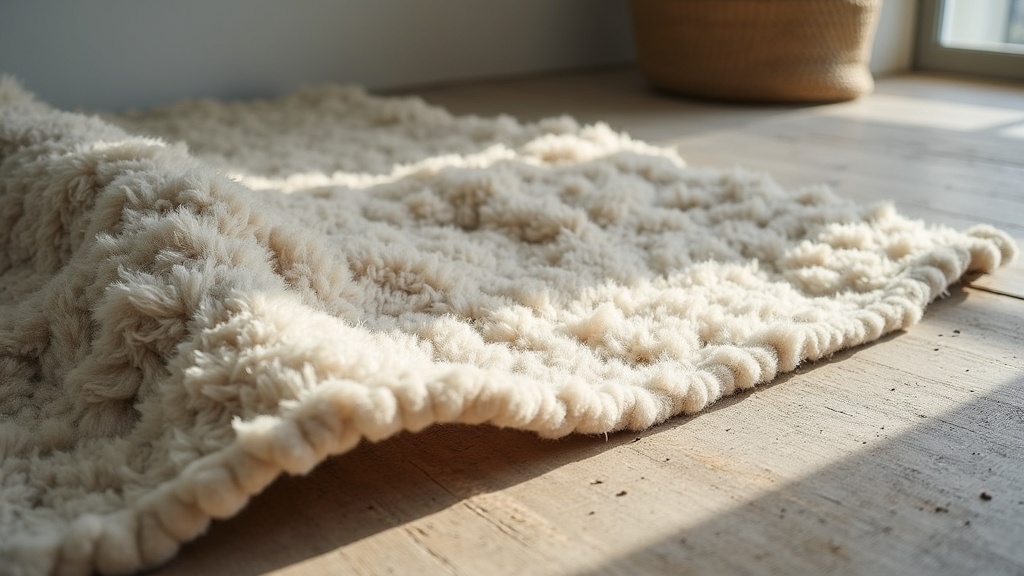
Moth damage in wool rugs can often be stopped from spreading and repaired at the edges, but wool that has actually been eaten away is gone for good — it cannot be regrown or rewoven back to its original state, only patched, rewoven by a specialist, or lived with. What can be saved usually comes down to how early the damage was caught, how localized it is, and whether the foundation threads beneath the pile are still intact.
Why wool rugs attract moths in the first place
It is not the adult moth that eats your rug — adult clothes moths do not feed at all. The damage comes from the larvae, which feed on keratin, the protein found in wool, silk, hair, and feathers. They favor dark, undisturbed spots: under furniture, beneath a rug pad in a rarely-moved room, inside folded storage, or along a wall where a rug sits against upholstery. Cotton, jute, and synthetic fibres are not a food source, which is one reason moth damage is almost always a wool-and-silk problem rather than an issue for synthetic rugs — a distinction worth knowing if you are weighing wool against synthetic materials generally, covered in our piece on wool vs synthetic rug lifespan.
Recognizing moth damage versus ordinary wear
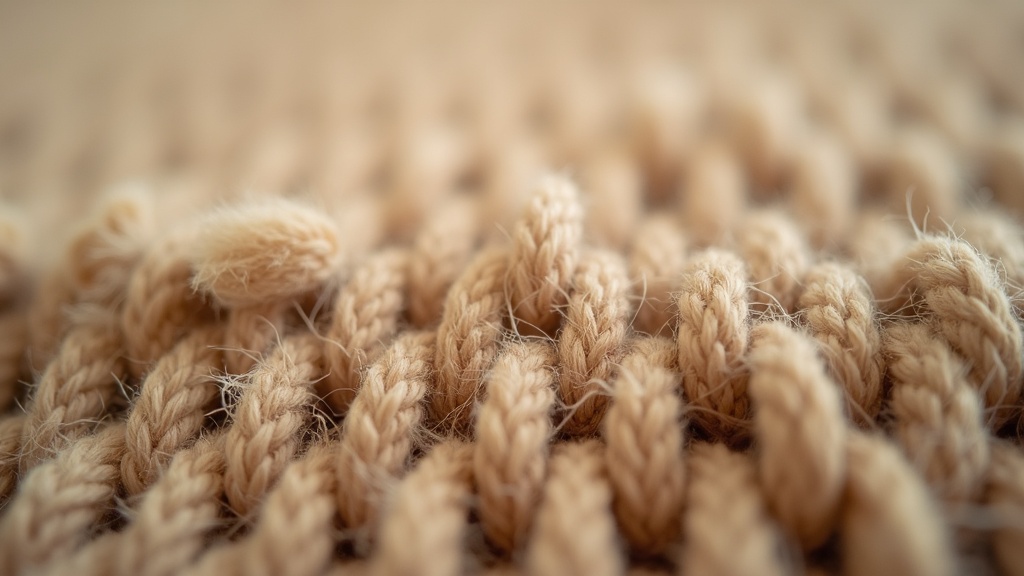
Moth damage has a distinctive look that differs from foot-traffic wear or pet chewing. Look for:
- Irregular, patchy bare spots rather than the even, gradual thinning of a well-walked path
- Bare patches concentrated under furniture, along walls, or on the underside of a folded or rolled rug
- Fine, sand-like debris (frass) or silky webbing near the damaged area
- Pile that comes away in tufts when gently tugged, exposing the foundation weave underneath
If the damage looks more like a single frayed edge rather than scattered patches, that is more often mechanical wear or fringe unraveling — a separate problem covered in our guide to fixing frayed rug fringe.
What can typically be saved
The honest answer depends on three things: how much pile is gone, whether the foundation (the warp and weft threads the knots are tied around) is still sound, and how visible the damaged area is. In practical terms:
- Small, isolated patches where only pile has been eaten and the foundation is intact are usually the best candidates for repair — a weaver can reknot the missing area to match the surrounding pile.
- Larger areas with foundation damage — where the warp or weft threads themselves have been chewed through or have rotted from the exposed opening — require more invasive rebuilding and are harder, though not always impossible, to disguise.
- Damage in a border or fringe area is often easier to address than damage in the center of a field pattern, simply because it is easier to blend visually.
- Damage on a hand-knotted rug can generally be rewoven by hand to match the original knotting; damage on a machine-made or tufted rug is much harder to repair invisibly, since the backing and construction do not lend themselves to hand reknotting.
None of this can be judged accurately from a photo or a general description — a restorer needs to see the rug in person, examine the foundation under the damaged pile, and check whether matching wool and dye lots are realistically available.
What usually cannot be saved
Be realistic about a few things. If larvae have been active for months, damage is often more extensive than it first appears, since they tend to feed from the underside of the rug where it is harder to notice. Widespread, scattered damage across a large area of field pattern is rarely cost-effective to reweave stitch by stitch, even when it is technically possible. And damage that has gone all the way through the foundation in multiple spots weakens the structural integrity of the rug in a way that patching alone does not fully address. In these cases, the decision often becomes whether the rug’s sentimental or monetary value justifies the cost of extensive restoration — a question we walk through in more detail in when a damaged rug is worth repairing.
Safe first steps once you find damage
Before any repair conversation, the priority is stopping active feeding and removing any eggs or larvae without damaging the rug further.
- Vacuum gently, without a beater bar. A beater-bar or rotating-brush vacuum can snag and pull loose or already-weakened pile and fringe. Use suction only, on a low setting, and vacuum both sides of the rug if it is portable enough to lift.
- Get it into light and air. Larvae and eggs dislike light, heat, and air movement. Airing a wool rug outdoors on a dry day, pile-side up, and turning it periodically, disrupts the conditions moths need.
- Do not douse the area in water or detergent as a treatment for moths. Water does not kill larvae reliably and, on a wool rug, uneven wetting can cause the wool to felt, shrink, or the pile to pucker — and if any dyes are unstable, localized wetting can cause them to bleed into surrounding areas. If you also need to address a stain in the same rug, see our guide to cleaning a wool rug safely for what is appropriate for wool specifically, and always test in a hidden corner first.
- Never combine bleach with other cleaning products, and avoid bleach on wool altogether. Chlorine bleach breaks down wool fibre and will not selectively kill larvae without damaging the surrounding pile — it is not an appropriate moth treatment.
- Isolate the rug if you suspect an active infestation rather than moving it around the house, which can spread eggs to other textiles, closets, or upholstered furniture.
If the rug is hand-knotted, antique, silk, or of uncertain construction, this is a case where professional help is worth the call before you do anything beyond vacuuming and airing it out — a conservator can identify whether larvae are still active, freeze or otherwise treat the rug safely, and assess the extent of damage without risking further loss.
Repair options once feeding has stopped
Once you are confident the infestation is dealt with, repair is a separate, structural question. Options a restorer may discuss include:
- Reknotting — rebuilding the missing pile knot by knot to match the surrounding wool and pattern, the standard approach for hand-knotted rugs with foundation intact
- Patching — inserting a matched piece of rewoven material, more common for larger losses or less visible areas like edges and undersides
- Foundation reinforcement — rebuilding warp and weft threads before pile repair, needed when the damage has gone all the way through
All of these fall under the broader craft of hand restoration, which is worth browsing in our rug care hub and the repair and restoration archive if you want to understand the range of techniques before getting a quote.
Preventing it from happening again
Prevention is largely about disrupting the conditions moths need: darkness, stillness, and undisturbed wool. Rotating rugs periodically, vacuuming underneath furniture and rug pads, and avoiding long-term storage of a rolled wool rug in a dark closet without periodic airing all reduce risk. Cedar and lavender have a mild deterrent effect but are not a substitute for regular vacuuming and inspection. If you are storing a rug for a season, our protection and storage archive covers rolling, wrapping, and airing practices that keep wool in good condition long-term.
When value is part of the decision
If the rug is old, hand-knotted, or was inherited, moth damage can raise a second question alongside repair: is it valuable, and does that change what is worth spending on restoration? An appraiser answering that would look at knot type and density, the foundation material, dye characteristics, wear patterns, and how the selvedge and fringe were finished — not at the moth damage itself, which is a condition issue rather than an authentication one. We outline what actually goes into that assessment in what determines antique rug value and in the broader value and authentication archive. No article, photo, or description can substitute for an in-person appraisal when real money is involved.
Frequently asked questions about moth damage in wool rugs
How do I know if it’s moths and not just wear?
Moth damage tends to show up as scattered, irregular bare patches rather than smooth, even thinning along a walking path. Look for fine debris or fibre clumping near the spot, and check dark, undisturbed areas like under furniture, since that is where larvae usually feed.
Can a moth-eaten rug be repaired invisibly?
Small, isolated patches on hand-knotted rugs can often be reknotted to blend closely with the surrounding pile, though an exact invisible match depends on finding comparable wool and dye. Larger areas, machine-made construction, or foundation damage are much harder to disguise fully.
Will vacuuming kill moth larvae?
Vacuuming with strong suction removes larvae, eggs, and frass mechanically, which helps, but it does not guarantee every egg is removed from deep in the pile. It should be paired with airing the rug in light and, for serious infestations, professional treatment.
Is it safe to wash a wool rug to get rid of moths?
Not as a general fix — saturating a wool rug can cause felting, shrinkage, or dye bleeding, and water does not reliably kill larvae anyway. Vacuuming, airing, and isolating the rug are safer first steps; a professional cleaner can advise on any further treatment.
When should I just call a professional about moth damage?
Call a professional whenever the rug is hand-knotted, antique, silk, or of uncertain construction, or if you are unsure whether the infestation is still active. A conservator can confirm the larvae are gone and assess whether the foundation is damaged before any repair work begins.
Rug Academy publishes general information about rugs and is not a dealer, appraiser, or cleaning service. Cleaning and repair methods depend entirely on fibre, dye and construction — test any treatment on a hidden corner first, and consult a professional rug cleaner or conservator before treating a hand-knotted, antique, silk, or valuable rug, as damage from cleaning is usually permanent. Any prices mentioned are illustrative examples only, and nothing here is an appraisal, an authentication, or a guarantee of a rug’s origin or value.