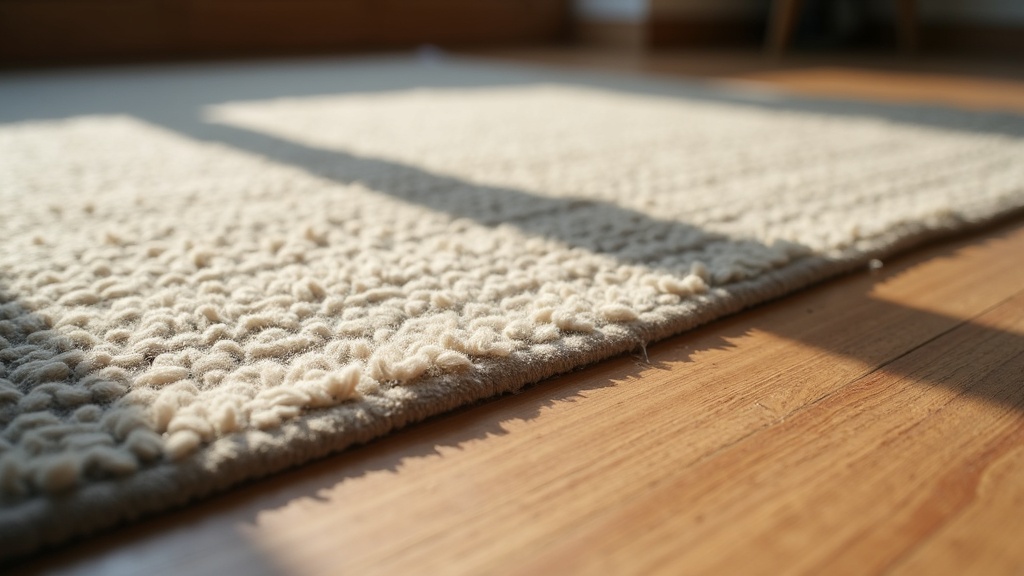
A burn mark on a rug can range from a shallow scorch that only singes the tips of the pile to a deep char that destroys fibre down to the foundation. Shallow scorches on wool can sometimes be trimmed level and made nearly invisible; deep burns almost always require a patch or reweave rather than any cleaning product. What you do next depends entirely on the fibre, the depth of the damage, and whether the rug is hand-knotted or machine-made — so the first job is assessment, not treatment.
Why burns behave differently depending on the fibre
Not all burn damage is equal, and the material tells you a lot before you touch anything. Wool is naturally flame-resistant and tends to smoulder and char rather than melt, which means a cigarette burn or ember often only damages the very tips of the pile. Synthetic fibres like nylon, polypropylene and polyester melt and fuse under heat, leaving a hardened, glassy residue that cannot be trimmed back to a clean edge the way wool can. Silk scorches easily and the damaged fibre becomes brittle and weak, so even gentle handling around a silk burn can cause further loss. Cotton, often used in the foundation rather than the pile, chars and can weaken the structural threads that hold the whole weave together, which is a different and more serious problem than surface pile damage.
If you’re unsure what your rug is made of, that uncertainty matters more here than almost anywhere else. A guide to warp, weft and pile anatomy can help you understand what you’re looking at, but identifying fibre with confidence often takes a burn test or microscopic look that’s best left to a professional.
First steps after you notice a burn
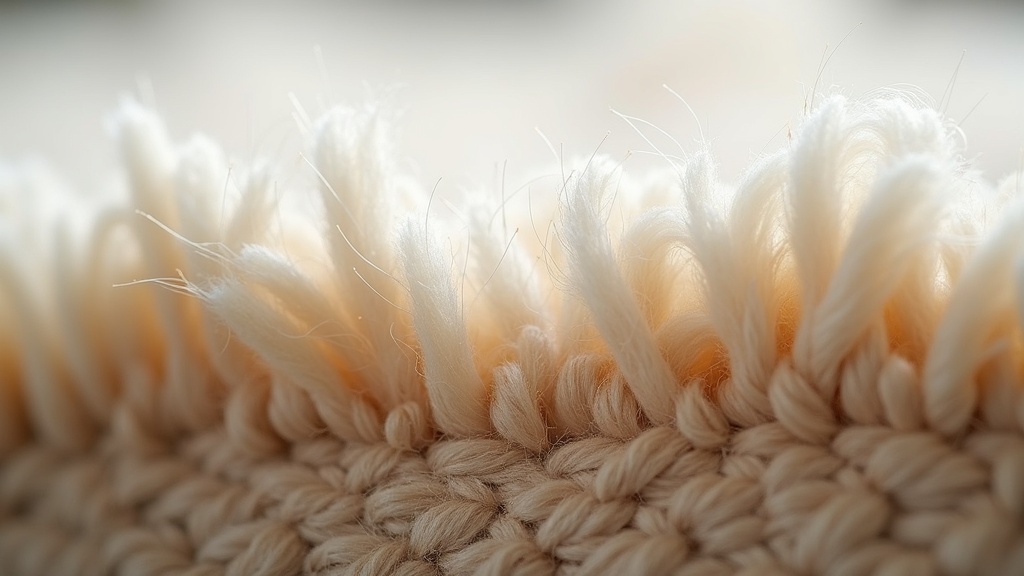
Resist the urge to scrub, cut, or apply a cleaning product straight away. The first useful thing you can do is simply look closely, ideally with the rug flat and in good light, and note:
- How deep the damage goes — does it stop at the tip of the pile, or reach the foundation threads underneath?
- How wide the affected area is, and whether it follows a single knot or spreads across several.
- Whether the surrounding pile is loose, hardened, or discoloured, which can indicate melted synthetic fibre versus charred wool.
- Whether the burn sits within the field of the pattern or along a border, since this affects how noticeable a repair will be.
Photograph the area before doing anything else. This record is useful whether you end up hiring a repair specialist, filing an insurance claim, or eventually having the rug appraised.
Small, shallow scorches: what can realistically be done at home
On a wool pile rug, a very minor scorch that has only crisped the surface tips can sometimes be improved by carefully trimming the charred fibre level with fine, sharp scissors, working a few fibres at a time and checking your progress constantly. This is a cosmetic fix, not a repair, and it only works when the damage is shallow and the surrounding pile is undamaged wool. It is not appropriate for silk, for synthetic pile that has melted, or for any burn that has reached the foundation — in those cases trimming does nothing useful and can make the area look worse.
Do not attempt to clean a burned area with any stain remover, bleach, or ammonia-based product in the hope of lifting discolouration. Chlorine bleach breaks down wool and silk fibre and will widen the damage; ammonia mixed with other household cleaners can produce hazardous fumes and has no place near a rug in any combination. If there is soot or smoke residue around the burn and you want to clean the surrounding pile, a wool-safe approach on a wool rug is to blot gently with cool water and a small amount of pH-neutral, wool-safe detergent, always testing on a hidden corner first to check the dye doesn’t bleed. Silk should not be cleaned this way at all; water and most detergents damage silk fibre and discolour many silk dyes, so soot or staining near a silk burn is a job for a textile conservator.
Deeper burns: patching, reweaving, and tufting-in
Once a burn has gone through the pile and reached the foundation, or has damaged an area larger than a coin, repair rather than cleaning is the only realistic path. Professional rug repairers generally use one of a few approaches: reweaving the damaged section by hand to match the surrounding knot count and pattern, inserting a patch from a matching donor rug, or “tufting in” replacement pile where reweaving isn’t practical. Each has different cost, durability, and visual results, and the right choice depends on the rug’s construction, value, and how visible the repaired area will be. Our overview of reweaving versus patching goes through how professionals decide between these methods and what each involves.
Machine-made and tufted rugs are usually more straightforward and less costly to repair or simply replace, since the materials are consistent and often still available. Hand-knotted rugs, particularly older or regional pieces, require a repairer who can match wool colour, twist, and knot density closely enough that the patch doesn’t stand out — which is a specialised skill, not a general upholstery or carpet repair.
When to call a professional instead of DIY-ing it
Burn damage is one of the clearer cases where professional help is worth seeking out rather than experimenting. You should go to a professional rug cleaner or conservator, not attempt DIY treatment, whenever the rug is hand-knotted, antique, made of silk, of uncertain fibre, or simply valuable enough that a mistake would be costly. A conservator brings tools and judgement a general cleaner doesn’t — matching dye lots, stabilising a weakened foundation, or deciding whether an area needs consolidation before any repair work begins. Our piece on what a rug conservator does that a cleaner doesn’t explains that distinction in more detail, and it’s worth reading before you call around for quotes. The broader rug care hub and its repair and restoration archive are good starting points if you also need to address fringe damage, curling edges, or other issues alongside the burn.
Does a burn mark affect a rug’s value?
Almost certainly, but by how much depends on factors an appraiser weighs in person rather than something that can be estimated from a description. They’ll look at knot density and foundation material, how visible the burn is within the pattern, whether a repair has already been done and how well, and how the damage compares to the rug’s overall wear pattern. A small, well-repaired burn on a rug with otherwise honest wear affects value far less than a large, unrepaired one on a rug that’s otherwise in excellent condition. Our article on how wear and repairs affect a rug’s value walks through this reasoning, and if real money is riding on the answer — for insurance, resale, or estate purposes — an in-person appraisal is the only reliable way to get a number, as covered in getting a rug appraised: what to expect. No online description, including this one, can substitute for that.
Frequently asked questions about burn marks on rugs
Can you fix a burn hole in a rug yourself?
Only very shallow wool scorches can be trimmed level yourself with care. Anything that reaches the foundation, involves synthetic melted fibre, or affects a silk or hand-knotted rug needs a professional repairer, since a home attempt usually widens the damage or looks worse than doing nothing.
Does insurance cover a burn mark on a rug?
Many home insurance policies cover accidental damage including burns, but coverage and required documentation vary by insurer and policy. Photograph the damage immediately, keep any purchase records, and contact your insurer before attempting repairs, since some require an assessment first.
Will a burn mark always show after repair?
A well-matched reweave on a hand-knotted wool rug can be nearly invisible, but results depend on dye matching, knot density, and the repairer’s skill. Machine-made and tufted rugs are harder to disguise seamlessly because donor material matching the exact pattern is often unavailable.
Is it worth repairing a burned rug or replacing it?
This depends on the rug’s construction, size, and sentimental or resale value versus the repair cost. A valuable hand-knotted piece is usually worth repairing; an inexpensive machine-made rug with a large burn is often more economically replaced.
Can smoke smell from a burn be cleaned out of a rug?
On wool, gentle airing and a wool-safe cleaning of the affected area can reduce mild smoke odour, always testing on a hidden spot first. Persistent or strong smoke odour, especially in silk or antique rugs, is better handled by a professional cleaner with proper ventilation and equipment.
Rug Academy publishes general information about rugs and is not a dealer, appraiser, or cleaning service. Cleaning and repair methods depend entirely on fibre, dye and construction — test any treatment on a hidden corner first, and consult a professional rug cleaner or conservator before treating a hand-knotted, antique, silk, or valuable rug, as damage from cleaning is usually permanent. Any prices mentioned are illustrative examples only, and nothing here is an appraisal, an authentication, or a guarantee of a rug’s origin or value.