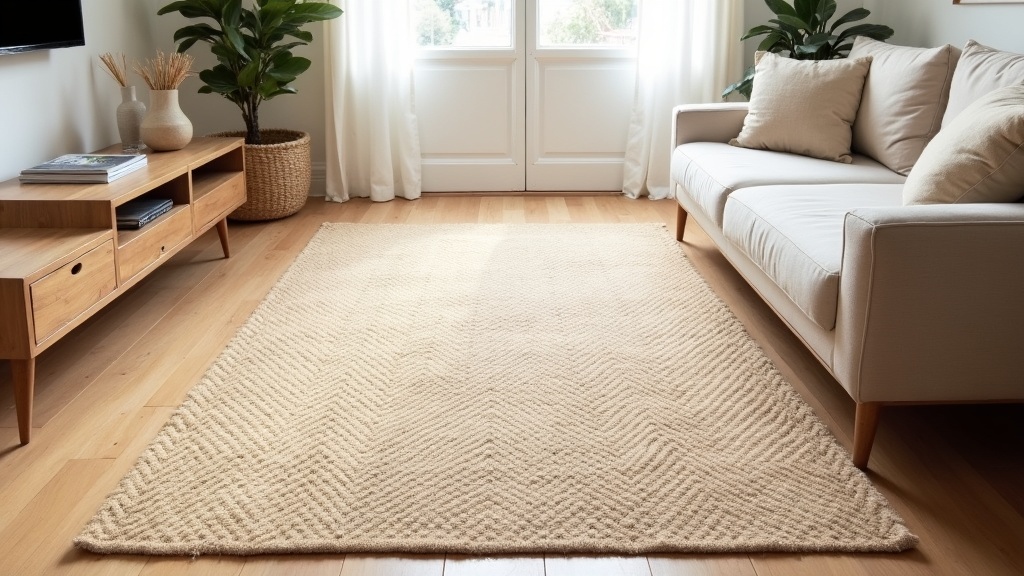
Sisal and seagrass rugs earn their reputation for durability because both fibres are stiff, tightly woven, and naturally resistant to abrasion — which is why you see them in hallways, stair runners, and high-traffic living rooms. The drawbacks are just as real: both fibres stain when wet, seagrass in particular resists dye and stain protection, and neither tolerates the kind of deep-clean or steam treatment that revives a wool or synthetic pile rug. Choosing one means accepting a trade — excellent wear resistance for a fibre that needs careful, largely dry maintenance.
What sisal and seagrass actually are
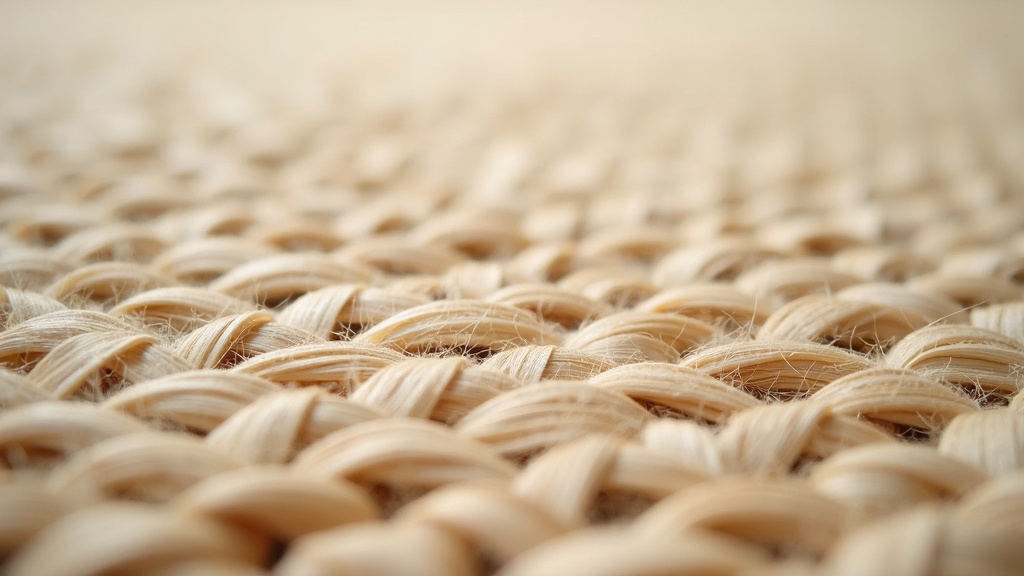
Sisal comes from the agave plant, spun into a coarse, slightly hairy yarn and woven into flatweave patterns — herringbone, basketweave, and boucle textures are common. Seagrass is harvested from an actual aquatic grass, and its fibre is smoother, harder, and slightly waxy because it grows in water; that natural coating is part of why seagrass resists staining from everyday dirt better than sisal does, but also why it takes dye poorly and is usually left in its natural straw-to-green colour rather than dyed to order. Both are grouped with jute as “natural fibre” flooring, though jute is softer and less durable than either — worth knowing if you’re comparing options, which our piece on jute rugs in a living room covers directly. For the broader landscape of fibre choices, the rug buying guides hub and the materials and construction archive are good starting points before you commit to a natural-fibre floor covering.
Where the durability comes from
Sisal’s strength is structural: the fibre is rigid and doesn’t crush or mat the way a cut-pile wool rug can, so foot traffic patterns are far less visible over time. It holds its shape under furniture and doesn’t develop the flattened “wear lane” you get with softer piles. Seagrass takes this further — its natural wax means it sheds surface dirt rather than absorbing it, so a seagrass runner in an entryway can look presentable for years with only routine vacuuming. Neither fibre is attractive to moths, unlike wool, which is one genuine advantage if you’re placing a rug in a space you don’t monitor closely, such as a guest room or a vacation property.
Where durability has limits
“Durable” here means resistant to wear, not resistant to damage. Both fibres are quite inflexible, so folding or rolling them tightly for storage or shipping can crease or crack the yarn permanently — they want to lie flat, not be rolled the way a pile rug tolerates. They’re also abrasive underfoot compared with wool or cotton, which is a comfort trade-off rather than a durability one, but it matters if you’re choosing a rug for a room where people sit or lie on the floor.
The drawbacks that catch people out
- Water staining: Sisal contains natural sugars that react with water to produce brown, sometimes permanent, watermarks — spill a glass of wine or even plain water and let it sit, and you may see a ring long after the liquid is gone.
- Poor stain release: Because the fibres are absorbent and unsealed (unless treated by the manufacturer), oil-based stains and pet accidents can penetrate quickly and are very hard to lift back out.
- Humidity sensitivity: Both fibres can develop a musty smell in damp conditions, since natural plant fibre holds moisture at the base of the weave where air doesn’t circulate. If you’re already dealing with this, our guide on how to deal with a rug that smells musty walks through safe drying and airing steps.
- No wet cleaning at home: Neither fibre should be shampooed, steam cleaned, or soaked. Water saturates the base of the weave, is slow to dry, and can cause browning, mildew, or a permanent change in the fibre’s texture.
- Colour is limited: Seagrass especially doesn’t accept dye well, so if you want a specific colourway you’re mostly choosing from sisal or a sisal-look synthetic blend instead.
Cleaning sisal and seagrass safely
For everyday dust and grit, vacuum regularly using suction only, without a rotating beater bar, which can fray the fibre ends and loosen the weave over time — the same principle covered in our piece on vacuuming a rug correctly applies here even though these rugs don’t have fringe to worry about. For a fresh spill, blot immediately with a dry, absorbent cloth — press, don’t rub, and don’t reach for a wet cloth first. If the spill has dried or left residue, a small amount of plain water on a clean cloth can help lift it, but apply sparingly, work from the outside of the stain inward, and dry the area quickly with a fan or open window; never pour water directly onto sisal or seagrass and never saturate the base of the weave. Always test any cleaning approach on a hidden corner or offcut first, because both fibres can develop a permanent colour change with even mild treatments, and this damage does not reverse.
Do not use chlorine bleach, ammonia, or any combination of household cleaning chemicals on a natural-fibre rug — bleach can discolour the fibre unevenly and mixing chemicals such as bleach and ammonia produces dangerous fumes with no cleaning benefit that justifies the risk. Commercial carpet shampoos and steam cleaners are also unsuitable, since the moisture they introduce is exactly what these fibres handle worst. If a stain is set, large, or the rug has sentimental or replacement value, it’s worth consulting a professional cleaner who works specifically with natural-fibre floor coverings rather than experimenting further at home — this is genuine advice, not a formality, because sisal and seagrass punish improvised wet cleaning more readily than most rug fibres. The general principles of when a rug needs expert attention are covered across our rug care hub.
Buying and placement decisions
A rug pad matters here as much as it does with any other floor covering, both to stop slipping on hard floors and to reduce the abrasion between a stiff natural-fibre backing and the floor finish underneath — our guide to rug pads by floor type covers which pad materials suit hardwood versus tile. Sisal and seagrass are generally sold as machine-made, flatwoven floor coverings rather than hand-knotted collectible textiles, so questions of antique value or hand-knotting rarely apply to them the way they would to a wool pile rug — if you’ve inherited or bought a piece and are unsure what it actually is, that’s a question for a qualified appraiser rather than a guess based on appearance, as outlined in our overview of what to expect from a rug appraisal.
Prices vary by weave density, width, and whether the rug is bound or fringed at the edge; as a rough illustration, a basic sisal area rug in a common size might sit in the low-to-mid hundreds, while a wall-to-wall custom-bound seagrass installation costs considerably more — but retailer, region, and finishing drive this enormously, so treat any figure as a starting point for comparison rather than a market rate.
Sisal vs seagrass at a glance
| Feature | Sisal | Seagrass |
|---|---|---|
| Texture underfoot | Coarse, slightly hairy | Smoother, firmer |
| Stain resistance | Lower — absorbs quickly | Higher — natural wax sheds dirt |
| Water sensitivity | High — browns easily | High — can pool and stain |
| Dye acceptance | Good, wide colour range | Poor, mostly natural tones |
| Best rooms | Living rooms, hallways, stairs | Entryways, dry high-traffic zones |
Frequently asked questions about sisal and seagrass rugs
Can you steam clean a sisal rug?
No — steam introduces moisture into fibres that already brown and stain from water, and drying is slow enough that mildew and musty odours can develop. Vacuum regularly instead, blot spills immediately, and use only sparing, quick-dried water for stubborn marks after testing on a hidden area.
Why did my seagrass rug get water stains?
Seagrass has a natural wax coating that sheds light dirt, but standing liquid can still penetrate at the base of the weave and leave a ring once it dries, especially with hard water or coloured spills. Blotting fast and drying the area with airflow reduces the risk considerably.
Are sisal rugs good for homes with pets?
They’re durable against scratching and everyday wear, but pet accidents are hard to fully lift out because the fibre absorbs liquid quickly and doesn’t release stains easily. A washable pet-friendly synthetic may suit a household with frequent accidents better than natural fibre.
Do sisal and seagrass rugs need a rug pad?
Yes — a suitable pad reduces slipping on hard floors and cushions the stiff, abrasive backing against the floor finish. The right pad material depends on whether you have hardwood, tile, or carpet underneath, since some pads can discolour certain floor finishes over time.
Can you fix water stains on a sisal rug at home?
Sometimes light staining fades as the rug dries and ages, but set brown watermarks are often permanent because they come from a chemical reaction between the fibre’s natural sugars and water, not surface dirt. For a valuable or highly visible rug, a professional natural-fibre cleaner is the safer route before trying home remedies.
Rug Academy publishes general information about rugs and is not a dealer, appraiser, or cleaning service. Cleaning and repair methods depend entirely on fibre, dye and construction — test any treatment on a hidden corner first, and consult a professional rug cleaner or conservator before treating a hand-knotted, antique, silk, or valuable rug, as damage from cleaning is usually permanent. Any prices mentioned are illustrative examples only, and nothing here is an appraisal, an authentication, or a guarantee of a rug’s origin or value.