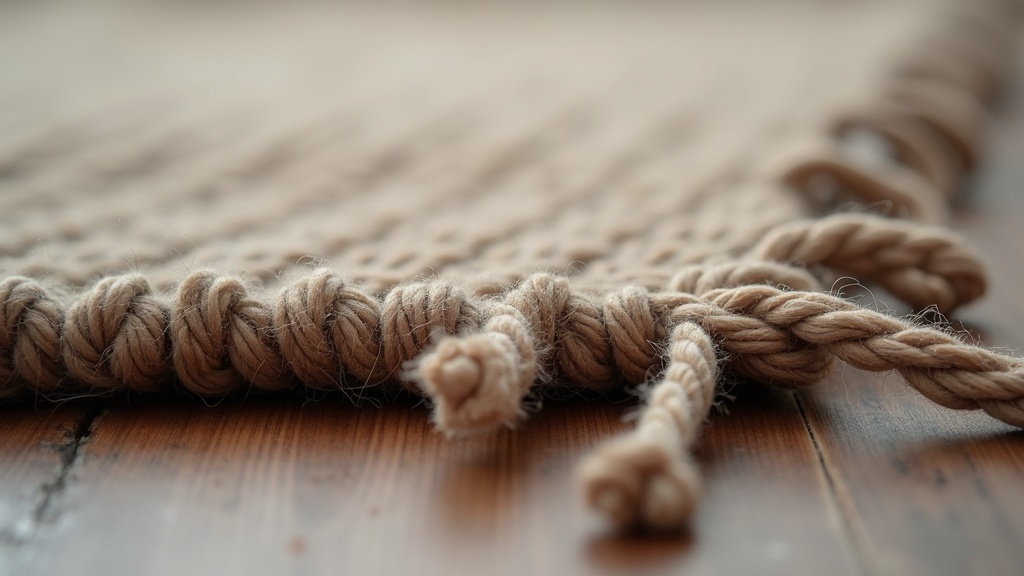
Worn rug edges can often be restored, but the right fix depends entirely on what is actually failing. If the wrapped cord along the side (the selvedge) has frayed or unraveled, a professional can rebind or reweave it. If the end fringe is thinning or missing, that is a different repair with different materials. And if the pile itself has worn down to the foundation near the border, no amount of edge work will bring it back — that calls for reweaving or patching instead. The first job isn’t fixing anything; it’s correctly identifying which of these three problems you’re looking at.
Why edges wear before the field does
Rug edges take more mechanical stress than the open field of the rug. They get caught by vacuum wheels and furniture legs, they’re the part most often gripped when a rug is dragged or rolled, and on a hand-knotted piece the selvedge is usually a narrower, less padded structure than the body of the rug — often just a few extra warp threads overcast with wool or cotton yarn rather than the dense knotted pile that protects the rest of the foundation. Once that wrapping wears through, the exposed warp threads have nothing holding them together, and the rug can start to unravel inward from the side. This is a structural issue, distinct from the curling that happens when moisture or age relaxes a selvedge, which we cover separately in fixing a curling or damaged rug selvedge.
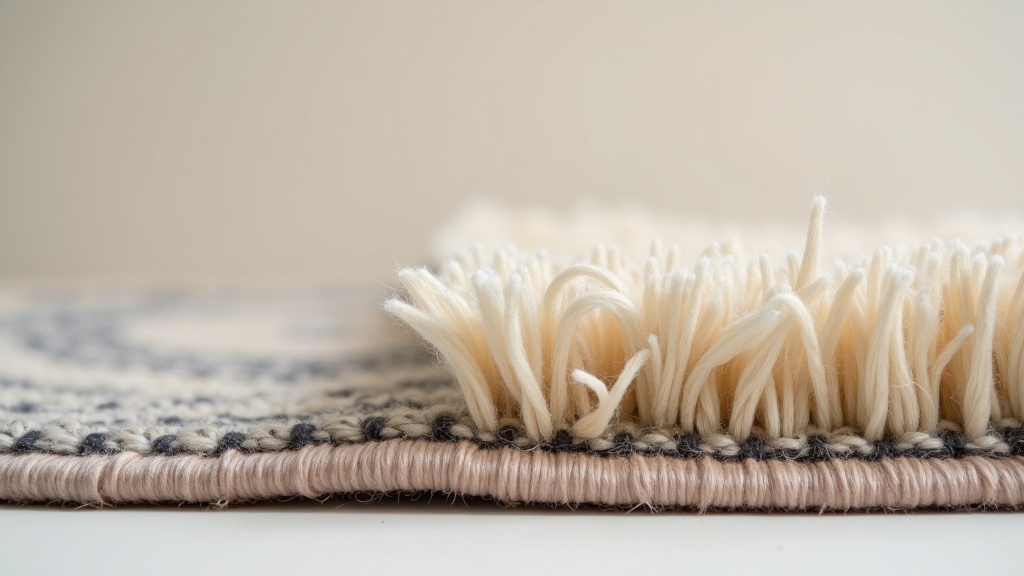
It helps to know the vocabulary before you decide anything. The selvedge is the finished side edge; the fringe is the extension of the lengthwise warp threads at each end. Both are part of the rug’s foundation, not decoration, and both do real structural work holding the knots in place. If you’re not sure which part of the rug you’re dealing with, the anatomy is laid out clearly in Warp, Weft and Pile: Rug Anatomy Explained, and it’s worth reading before attempting any repair, because a fix aimed at the wrong problem can make things worse.
What a repair professional actually assesses
Before any needle touches the rug, a conservator or experienced repair workshop will look at several things, and you can do the same visual check at home before deciding whether a repair is worth pursuing:
- How far the damage has progressed. A few inches of frayed overcasting is a small, contained repair. Warp threads that have already broken and let knots fall out is a larger job that may require reweaving a section of the border.
- What the foundation is made of. Wool, cotton, and silk foundations all behave differently under a needle and take dye differently, which affects whether a repair yarn can be matched invisibly or will always show slightly.
- Whether the wear is isolated or a sign of wider fragility. A rug that is dry, brittle, or splitting along the pile as well as the edge may not be a good candidate for extensive hand-repair, because the surrounding material may not hold new stitching.
- Whether the rug is hand-knotted or machine-made. A machine-made rug’s edge is usually a serged or overlocked seam, which can sometimes be re-sewn on a domestic or heavy-duty machine at low cost. A hand-knotted rug’s selvedge is worked by hand and needs to be repaired the same way to hold and to look right.
These are the same categories of evidence an appraiser looks at when assessing a rug generally — knot density, foundation material, wear pattern, and the quality of the selvedge and fringe finishing all factor into how a piece is read. If you want to understand that broader process, Getting a Rug Appraised: What to Expect walks through what an appraisal actually involves and why it isn’t something to guess at from photos.
What can be done at home, and what shouldn’t be
There is a narrow, legitimate range of edge maintenance an owner can do without professional help, and it’s worth being honest about where that range ends.
- Trimming loose overcast threads so they don’t catch and pull further is reasonable on a rug you’re not precious about, using sharp scissors and cutting only what is already detached.
- Hand-tacking a short section of unraveling selvedge with strong, colour-matched thread can buy time on a lower-value, machine-made rug, but this is a temporary hold, not a structural repair, and it is not something to attempt on a hand-knotted or antique piece where the wrong stitch tension or thread can distort the border permanently.
- Cleaning the edge area before repair matters, because dirt and grit accelerate fibre breakdown at exactly the point that’s already weak. For a wool rug of known construction, this generally means blotting — never scrubbing — with cool water and a small amount of pH-neutral, wool-safe detergent, always tested on a hidden corner first. Hot water and high-alkalinity cleaners cause wool to felt, shrink, and yellow, so they should be avoided entirely near a fragile edge. Silk rugs are a different case: silk is damaged by water and by most household detergents, and an edge repair on a silk or silk-blend piece should go to a professional before any cleaning is attempted at all.
What shouldn’t happen at home: no bleach, ever, on wool or silk — it breaks down the protein structure of both fibres and the damage doesn’t reverse. No mixing of cleaning chemicals, and no reaching for ammonia or bleach together or in sequence, since combining household chemicals can produce fumes that are hazardous with no cleaning benefit that a mild, single-purpose detergent doesn’t already provide. No steam cleaning or saturating the edge in water, because a wet foundation can shrink and pull the border out of true, a problem covered in more depth in Can You Steam Clean a Rug? When It Helps or Ruins It. And no beater-bar vacuum run directly along a worn or fraying edge — the rotating brush catches loose yarn and pulls it out further, which is exactly backwards from what you want; the safer vacuum approach is described in Vacuuming a Rug Correctly: Beater Bars and Fringe.
For anything beyond superficial trimming and gentle cleaning — any hand-knotted rug, any rug you believe is antique, any silk or fine wool piece, or any rug where you simply don’t know the construction — the honest advice is to take it to a professional rug cleaner or textile conservator rather than experiment. Damage from an incorrect cleaning or repair attempt is very often permanent, and a rug that could have been restored for a modest fee can end up devalued or unsalvageable.
Professional restoration: rebinding, reweaving, and overcasting
When a worn selvedge goes to a workshop, the typical approach is either to rebind the existing edge with new wrapping yarn over the surviving warp threads, or, if the warps themselves have broken, to reweave a short section of the border to reconstruct the structure before rebinding it. This is closely related to the decision-making involved when pile has worn through in the field of a rug rather than at the edge, which is explained well in Reweaving vs Patching: How Professionals Repair Holes — the same trade-off between full reconstruction and a contained patch applies to edges.
Pricing for this kind of work varies enormously and is driven by the rug’s size, the length of edge affected, the fibre, and the skill required to match colour and knot style invisibly. As an illustrative example only, a short section of overcasting on a small, simple wool rug might run in the low hundreds of dollars, while extensive reweaving of a border on a large or finely knotted piece can run considerably higher — these are not quotes, and a workshop should always assess the actual rug before giving a number. For general upkeep once a repair is done, the practical routines in Rug Academy’s rug care hub cover cleaning, storage, and rotation together, since edge wear tends to recur if the underlying causes — friction, sun exposure, poor rug pad support — aren’t addressed as well.
Does an edge repair affect the rug’s value?
This is where owners often want a definite answer, and the honest one is: it depends, and only a qualified appraiser looking at the actual rug can say for certain. A skilled, sympathetic repair generally preserves more value than letting damage spread, but a visible, poorly matched repair can be more noticeable — and sometimes more value-affecting — than leaving honest, stable wear alone. The broader relationship between condition, repair quality, and value is discussed in How Wear and Repairs Affect a Rug’s Value, and if you’re weighing whether a repair is worth the expense at all, When Is a Damaged Rug Worth Repairing? sets out the factors — age, rarity, sentimental value, and repair cost relative to the rug’s likely worth — that go into that decision. None of this substitutes for an in-person appraisal where real money is at stake; a qualified appraiser is the only reliable source for what a specific rug is actually worth before or after repair.
Frequently asked questions about restoring a rug’s worn edges
Can you fix a worn rug edge yourself?
Minor trimming of already-loose threads and gentle, tested cleaning are reasonable for most rugs. Actual reweaving or rebinding of a hand-knotted selvedge takes trained hands and matching materials, and attempting it yourself risks making the damage worse or permanent.
How much does it cost to repair a rug’s edge?
It varies widely by rug size, fibre, and how much edge needs rework — a small contained repair might sit in the low hundreds of dollars as an illustrative example, while a large or fine rug’s full border reweave can cost considerably more; a workshop needs to see the rug to quote accurately.
Is a worn edge a sign the rug is falling apart?
Not necessarily. Edges wear faster than the field because they take more friction and handling, and a worn selvedge can often be repaired even when the rest of the rug is structurally sound. It’s worth having it assessed before assuming the whole rug is failing.
Should I clean a rug before repairing the edge?
Removing loose grit around the damaged area helps, but cleaning method depends on fibre — wool generally tolerates a mild, cool, pH-neutral detergent tested on a hidden spot, while silk should go to a professional. Never soak or steam-clean a fraying edge.
What’s the difference between fixing a curling edge and a worn edge?
Curling is usually caused by moisture, drying, or foundation tension pulling the selvedge out of shape, while worn edges involve actual fibre loss or fraying of the wrapping yarn. They can look similar but need different fixes, so it’s worth diagnosing which one you have before choosing a repair.
Rug Academy publishes general information about rugs and is not a dealer, appraiser, or cleaning service. Cleaning and repair methods depend entirely on fibre, dye and construction — test any treatment on a hidden corner first, and consult a professional rug cleaner or conservator before treating a hand-knotted, antique, silk, or valuable rug, as damage from cleaning is usually permanent. Any prices mentioned are illustrative examples only, and nothing here is an appraisal, an authentication, or a guarantee of a rug’s origin or value.