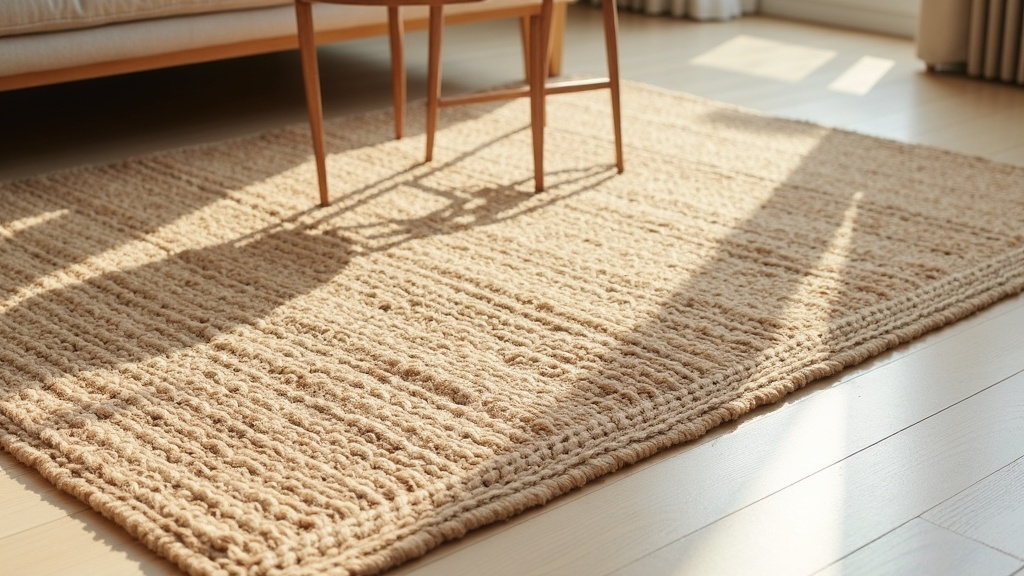
A jute rug can be a good idea for a living room if you want warm, natural texture on a modest budget and your space sees light-to-moderate foot traffic. It is less well suited to homes with heavy daily wear, pets that have accidents, or rooms near an entryway where moisture and grit are constant. The fiber itself is the deciding factor: jute looks and feels wonderful underfoot, but it behaves very differently from wool or synthetic pile when it comes to durability and cleaning.
What jute actually is, and why that matters
Jute is a plant-based bast fiber, harvested from the stalk of the jute plant and spun into yarn, similar in family to fibers like hemp or sisal. It is biodegradable, renewable, and typically left in its natural undyed color or lightly dyed, which is part of its appeal for a casual, organic-modern living room look. But as a cellulose fiber, jute behaves more like paper than like wool. It absorbs water readily, dries slowly, and loses strength when wet. That single property explains almost everything else you need to know about living with one.
Where a jute rug earns its keep
- Texture and warmth without wall-to-wall carpet. Jute adds visual softness and a tactile, woven quality that plain hardwood or tile lacks, at a much lower cost than a hand-knotted wool piece.
- Neutral, layerable base. Its natural tan-to-gold tone pairs easily under a smaller patterned rug, a styling move that also protects the jute’s more delicate weave from direct heavy furniture legs.
- Budget-conscious rooms. A machine-woven jute rug in a common living room size might sit in the low-to-mid hundreds of dollars, though size, weave density and retailer vary this enormously — treat any figure you see as illustrative, not a quote.
- Low-humidity, drier climates. Jute is far more forgiving in places without high ambient moisture, where the fiber’s slow-drying nature is less of a daily risk.
Where jute struggles
- Moisture sensitivity. Spilled wine, a wet umbrella, a leaking planter, or a humid, non-air-conditioned room can leave jute with permanent dark staining known as cellulosic browning — a chemical change in the fiber itself, not just surface dirt, and it cannot always be reversed.
- Wear in high-traffic zones. The individual yarns are coarser and less resilient than wool, so a jute rug under a well-used sofa path or in a busy family room will crush, fray and shed fiber faster than a comparable wool piece — a difference covered in more depth in our comparison of wool vs synthetic rug lifespan.
- Pets and children. Jute holds onto odors and stains from accidents more stubbornly than synthetic fibers built for stain resistance, and it is not a fiber you can flood with water and detergent to fully rinse clean.
- Underfoot feel. Some people love the nubby texture; others find it rough for bare feet or lounging, which is worth testing in person before committing to a large size.
Fibre safety: cleaning a jute rug without ruining it
This is the part where jute punishes shortcuts. Because the fiber weakens and can discolor when saturated, the golden rule is to keep water to an absolute minimum.
- Routine care: Vacuum regularly on a low-suction setting or with the beater bar turned off, since a rotating brush can pull and fray the looped or flat-woven jute fibers. Shake smaller jute rugs outdoors occasionally to release grit that works down into the weave.
- Spills: Blot immediately with a plain, dry white cloth or paper towel, pressing rather than rubbing, to lift liquid before it soaks in. Do not pour water or a cleaning solution onto the spot; the goal is to remove moisture, not add more.
- Spot cleaning: If a stain needs more than blotting, use the smallest amount of lightly damp cloth with a small amount of mild, pH-neutral detergent, work the area gently, then blot dry immediately and speed up drying with a fan or open window. Always test on a hidden edge or corner first, since some jute is dyed with colors that can bleed or shift with any moisture at all.
- What to avoid entirely: never machine wash a jute rug, never steam clean it, and never saturate it the way you might a synthetic bathmat. Chlorine bleach and ammonia-based cleaners should never be used or combined with anything else — they can discolor natural fibers and the fumes from mixing chemicals are a genuine health hazard, not just a rug hazard. Avoid hot water as well; it accelerates browning and does nothing to make cleaning more effective.
- When to call in help: a large, deeply set stain, a musty odor suggesting the rug got wet and stayed wet, or any rug you consider a meaningful investment is a job for a professional rug cleaner experienced with natural fibers, not a DIY project. This is true even though jute rugs are rarely antique or hand-knotted in the way a Persian piece might be — the fiber’s fragility, not its rarity, is the reason for caution.
For a broader look at safe methods by fiber type, the rug care hub and the cleaning and stains archive both walk through what’s safe for wool, cotton and synthetic constructions as well, which is useful if you’re layering a jute base under a different top rug.
Practical placement tips
If you decide a jute rug suits your living room, a few placement choices reduce the fiber’s weak points:
- Keep it away from direct sightlines to an entry door, a pet water bowl, or a plant stand that gets watered on the rug.
- Use a rug pad — beyond cushioning, a breathable pad helps prevent moisture from getting trapped between the jute and the floor, and it stops the coarser weave from sliding on hardwood. Our guide on whether you really need a rug pad covers the material choices that work best under natural fiber rugs specifically.
- Size it properly for your seating arrangement; jute’s flat, casual look reads differently at scale than a plush wool rug, so it’s worth checking a proper living room rug size guide before ordering.
- Consider a smaller jute accent rather than full room coverage if your household includes pets, young kids, or a lot of daily traffic, reserving the fiber for a reading corner or under a coffee table instead.
Construction quality: what to look for
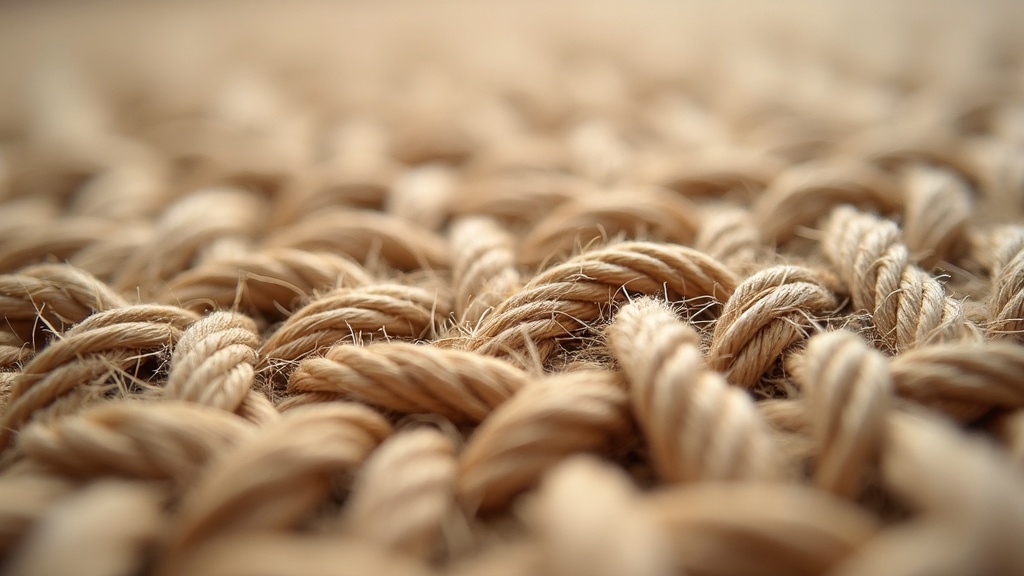
Not all jute rugs are equal, and construction affects both feel and durability. A tightly woven, dense flatweave will generally hold its shape and resist crushing better than a loose, chunky loop weave, though the looser styles often have more visual texture. Check the back of the rug: a clean, even weave with consistent tension suggests better quality control than one with loose threads or visible gaps. If you’re comparing a jute rug to other handmade or machine-made options in a showroom, our piece on how to tell whether a rug is handmade or machine-made explains the broader signs — knot or weave regularity, fringe treatment, and back texture — that apply across fiber types, and the rug buying guides hub is a good next stop for weighing jute against wool, cotton, and blended constructions before you buy.
Frequently asked questions about jute rugs in living rooms
Do jute rugs stain easily?
Yes, more easily than wool or synthetic fibers, because jute absorbs liquid quickly and can develop permanent brown discoloration when it stays wet. Blot spills immediately with a dry cloth, avoid soaking the area, and treat any stubborn stain as a job for gentle spot cleaning or a professional rather than heavy scrubbing.
Can you vacuum a jute rug?
Yes, but use suction only, with the beater bar or rotating brush turned off, since the brush can snag and fray jute’s coarser fibers. Regular light vacuuming prevents grit from settling into the weave, which is one of the main things that wears jute out over time.
Are jute rugs good for high-traffic living rooms?
Generally not as good as wool or synthetic pile for heavy daily use, since jute’s fibers crush and shed faster under constant footsteps. They work better in lower-traffic zones, layered under furniture, or in living rooms used more for occasional seating than constant walking.
Do jute rugs work with pets?
They can, but with real caveats — jute holds odors from accidents and cannot be flooded with water to rinse clean the way some synthetic rugs can. If pet accidents are a regular possibility, a stain-resistant synthetic or a washable wool blend may hold up better long term.
How long do jute rugs typically last?
Lifespan depends heavily on traffic, humidity and care, so any specific number would be a guess rather than a fact. In lower-traffic, dry rooms with careful cleaning a jute rug can look good for years; in humid or heavily used spaces it will show wear, flattening and discoloration much sooner.
Rug Academy publishes general information about rugs and is not a dealer, appraiser, or cleaning service. Cleaning and repair methods depend entirely on fibre, dye and construction — test any treatment on a hidden corner first, and consult a professional rug cleaner or conservator before treating a hand-knotted, antique, silk, or valuable rug, as damage from cleaning is usually permanent. Any prices mentioned are illustrative examples only, and nothing here is an appraisal, an authentication, or a guarantee of a rug’s origin or value.