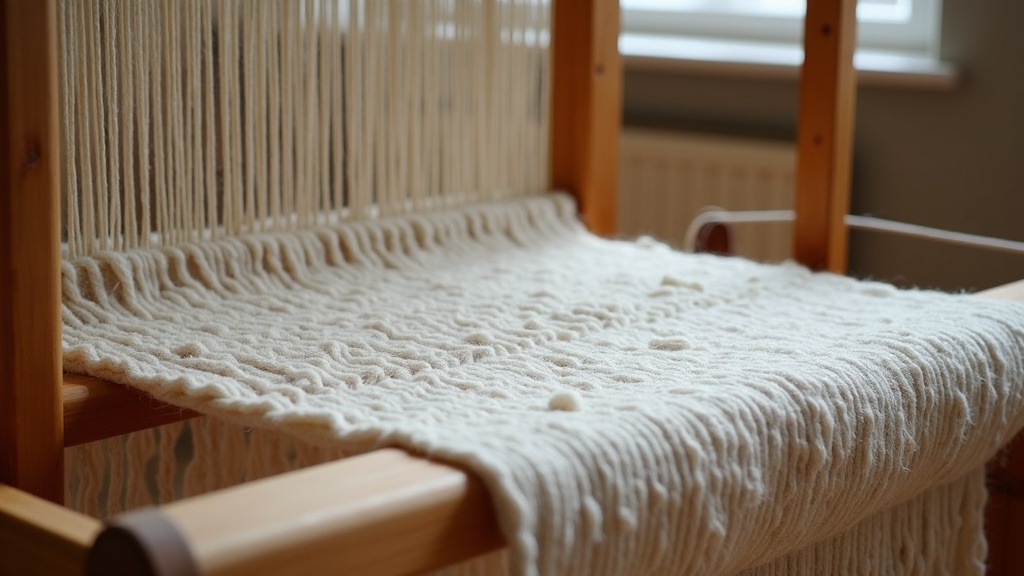
“Hand-loomed” means a rug was made on a loom that required a person to operate it, rather than a fully automated machine — but the term is used so loosely in retail that it can describe anything from a genuine handwoven flatweave to a rug made on a mechanical device that only needs a human to press a lever. It is not a synonym for hand-knotted, and it is not a reliable indicator of age, origin, or investment value on its own. Understanding what the phrase actually promises — and what it conveniently leaves out — is the difference between paying a fair price and paying a premium for a label that sounds more artisanal than it is.
The core problem: “hand-loomed” describes a process, not a quality tier
In rug marketing, terms tend to get stretched to fit whatever sounds best. “Hand-loomed” is technically accurate for a wide range of construction methods, which is exactly why it’s popular with sellers. A rug can be called hand-loomed if:
- It is a genuine handwoven flatweave, like a kilim or dhurrie, built thread by thread on a simple frame or floor loom with no mechanical assistance at all.
- It is woven on a semi-mechanical loom where a person feeds yarn and operates the mechanism by hand, but the loom itself does much of the structural work.
- It is tufted using a hand-held tufting gun punched through a stretched backing cloth — a process some sellers stretch the term to cover, even though most of the trade reserves “hand-tufted” as its own separate category for good reason.
This is why two rugs both labeled “hand-loomed” can differ enormously in construction, durability, and price. The label tells you a human was involved in operating the equipment. It does not tell you whether the piece has knots, a woven structure, or a glued backing.
How it differs from hand-knotted and hand-tufted
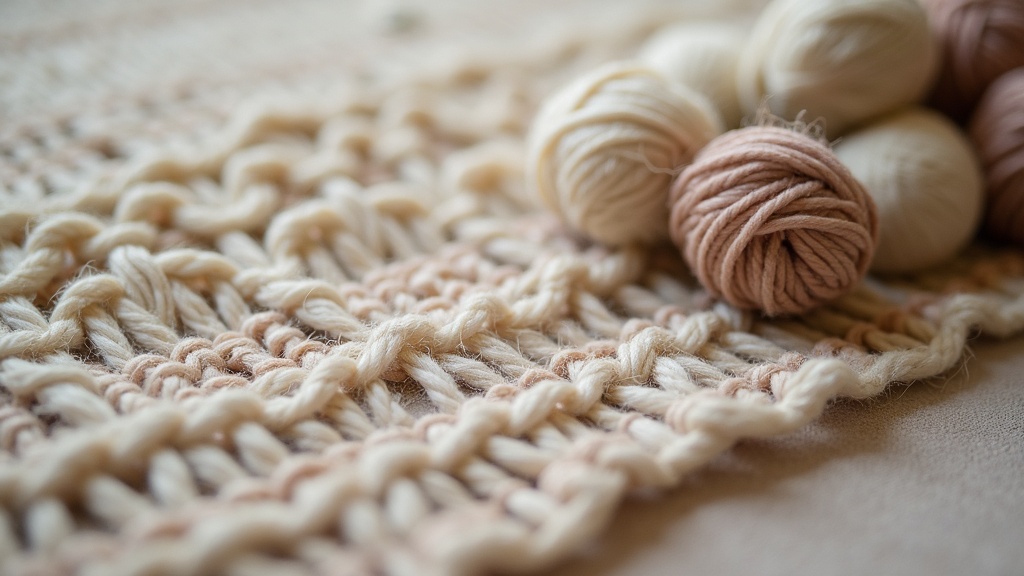
The rug trade has three terms that get confused constantly, and it’s worth separating them cleanly:
| Term | What actually happens | Typical signs |
|---|---|---|
| Hand-knotted | Individual knots tied by hand around warp threads, row by row, entirely by manual labor over weeks or months | Visible knots on the back, irregular fringe that is the extension of the foundation warp, slight asymmetry in pattern |
| Hand-loomed | Woven on a loom operated manually; may or may not involve knotting | Varies widely — could show a flat woven back (flatweave) or a pile structure depending on technique |
| Hand-tufted | Yarn punched through a stretched fabric backing with a tufting gun, then a secondary backing glued on to hold it in place | Visible canvas or scrim on the back, often a felt or latex layer, fringe usually sewn on separately rather than woven through |
If you’re trying to work out which category a specific rug falls into, the most reliable approach is to examine the back of the piece and the fringe, which is covered in detail in our guide on hand-knotted vs hand-tufted rugs. A rug with a taped or glued backing and short, applied fringe is almost never a true hand-loomed flatweave.
Why sellers reach for this term
“Hand-loomed” carries a warm, artisanal connotation without the labor cost of true hand-knotting. A hand-knotted rug can represent hundreds of hours of skilled work; a machine-assisted, hand-operated loom can produce a comparable-looking rug far faster. Neither is inherently a bad product — a well-made hand-loomed wool flatweave can be a good, durable, honestly priced rug — but the term is sometimes used to justify pricing closer to hand-knotted territory than the construction actually warrants. As an illustrative example only, a hand-loomed wool-blend rug in a standard living room size might sit somewhere in the low-to-mid hundreds, while a comparable hand-knotted piece from the same size range could run into the low thousands or well beyond, depending on materials, knot density, and origin. Construction and size drive this enormously, and these figures are not quotes for any specific product.
What to actually check before you trust the label
Rather than relying on a hang tag, look at the rug the way an appraiser would approach the question of construction — not to determine value on the spot, but to understand what you’re buying:
- Flip it over. A woven structure shows the pattern echoed (sometimes reversed or muted) on the back. A tufted rug shows a solid backing fabric or scrim instead.
- Check the fringe. Genuine woven fringe is a continuation of the warp threads and can’t be pulled off. Sewn-on fringe is a strong sign of a tufted or machine-finished piece.
- Look at the selvedge. The wrapped edge of a handwoven rug tends to be integrated into the weave; a glued or overlocked edge suggests a different construction method.
- Feel for a backing layer. A rug with a stiff canvas, felt, or latex layer on the underside is tufted, not loomed in the traditional sense.
- Ask what “hand-loomed” refers to specifically. A reputable seller should be able to tell you whether the rug is knotted, flat-woven, or tufted — not just repeat the marketing phrase.
For a broader walkthrough of these checks, our guide on how to tell if a rug is handmade or machine-made goes through the physical evidence step by step, and the rug craft hub is a good starting point for understanding weaving techniques more generally.
Where flatweaves fit into this
Many rugs honestly and accurately called “hand-loomed” are flatweaves — kilims, dhurries, and similar structures with no pile, built by interlocking weft threads directly around the warp rather than knotting. These are a legitimate and often beautifully made category in their own right, distinct from both knotted pile rugs and tufted construction. If you want to understand that weaving process specifically, see what a kilim is and how it’s made. The presence of a flatweave structure is a genuine, checkable fact — unlike the vaguer promise of “hand-loomed” alone.
Value, authentication, and the limits of a label
None of this — knot type, backing, fringe construction — tells you what a specific rug is worth or where it was actually produced. Construction method is one input among several that a qualified appraiser weighs, alongside foundation material, dye characteristics, wear patterns, and finishing details, and appraisers are trained to read these signs in combination rather than relying on any single feature. If you’re evaluating a rug for insurance, resale, or estate purposes, a label on a tag — hand-loomed or otherwise — is not a substitute for an in-person appraisal by a qualified professional. Our value and authentication archive covers the broader criteria appraisers use in more depth.
Does construction affect how you care for the rug?
Yes, and this matters more than the label itself. A hand-loomed wool flatweave, a hand-knotted wool pile rug, and a hand-tufted rug with a latex backing all respond differently to moisture, heat, and cleaning products, so knowing the actual construction — not just the marketing term — should guide how you clean and maintain it. Wool tolerates gentle, cool-water, wool-safe detergent cleaning far better than it tolerates hot water or high-pH products, which can cause felting, shrinkage, and yellowing. Chlorine bleach should never be used on wool or silk under any circumstances, and mixing household cleaning chemicals is never a good idea — if you’re ever tempted to reach for bleach or ammonia on a stain, don’t; combining agents like these can produce harmful fumes and will not improve the cleaning result. Always test any treatment on a hidden corner first, and if the rug is hand-knotted, antique, silk, or you’re not certain of its construction, the safer path is a professional rug cleaner or conservator rather than a DIY attempt. Our materials and construction archive and the broader rug craft hub are useful next stops if you want to keep learning how construction shapes both durability and care.
Frequently asked questions about hand-loomed rugs
Is hand-loomed the same as hand-knotted?
No. Hand-knotted specifically means individual knots tied by hand around the warp, row by row. Hand-loomed just means a person operated the loom — the rug could be knotted, flat-woven, or made by another manual process entirely, so the terms aren’t interchangeable.
Is a hand-loomed rug good quality?
It can be, but quality depends on the specific construction, fiber, and finishing, not the label alone. A well-made hand-loomed flatweave can be durable and attractive; the term itself doesn’t guarantee craftsmanship the way a detailed inspection of the back and fringe can.
How can I tell if my rug is hand-loomed or machine-made?
Check the back for a woven pattern echo versus a solid canvas backing, examine whether the fringe is woven-through or sewn on, and look at the selvedge edges. A stiff glued backing and perfectly uniform stitching usually point to machine or tufted construction.
Are hand-loomed rugs worth more than machine-made ones?
Not automatically. Price depends on materials, labor, size, and construction complexity, and only a qualified appraiser can give a reliable value assessment for a specific piece. Treat any pricing you see as illustrative rather than a guarantee tied to the “hand-loomed” label.
Can I clean a hand-loomed rug the same way as a machine-made one?
Not necessarily — cleaning safety depends on the fiber (wool, cotton, silk) and the foundation, not on whether it’s called hand-loomed. Always identify the actual fiber first, test cleaners on a hidden spot, and consult a professional for anything hand-knotted, antique, silk, or uncertain in construction.
Rug Academy publishes general information about rugs and is not a dealer, appraiser, or cleaning service. Cleaning and repair methods depend entirely on fibre, dye and construction — test any treatment on a hidden corner first, and consult a professional rug cleaner or conservator before treating a hand-knotted, antique, silk, or valuable rug, as damage from cleaning is usually permanent. Any prices mentioned are illustrative examples only, and nothing here is an appraisal, an authentication, or a guarantee of a rug’s origin or value.