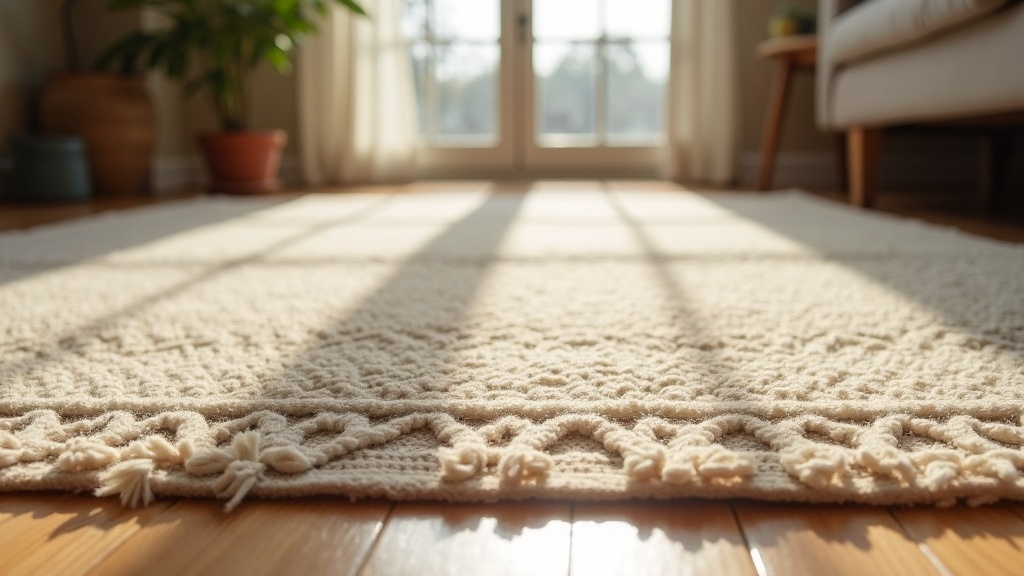
Wool rugs cost more because they take more raw material, more processing, and — in hand-knotted pieces — enormously more labor than synthetic alternatives. A machine-made wool-blend rug might sit in the low-to-mid hundreds for a living-room size, while a hand-knotted wool rug of the same size can run into the thousands, depending on knot density, origin and finishing. The extra cost is worth it when you want a rug that ages well, hides wear, and can be repaired for decades rather than replaced.
What actually drives the price of a wool rug
Wool itself is not exotic, but good wool for rug-making is selective. Fibre length, elasticity, and lanolin content vary by breed and by whether the wool is hand-spun or machine-spun, and higher-grade wool resists crushing and holds dye more evenly. That’s before you even get to construction. A tufted wool rug is made quickly with a tufting gun and a latex backing, while a hand-knotted wool rug is built knot by knot on a loom, a process that can take months for a single piece — a difference explained in more detail in why hand-knotted rugs take so long to make.
Labor is the single biggest cost driver in hand-knotted wool rugs. Knot count contributes too, though it’s often oversold as the only thing that matters — see knot density: does it matter for a more grounded take. Origin, dye type (natural dyes generally cost more to produce than synthetic ones), and even loom size and workshop overhead all feed into the final price. None of this means a higher price always means a better rug; it means the price is usually tracking real inputs, and it pays to understand which ones.
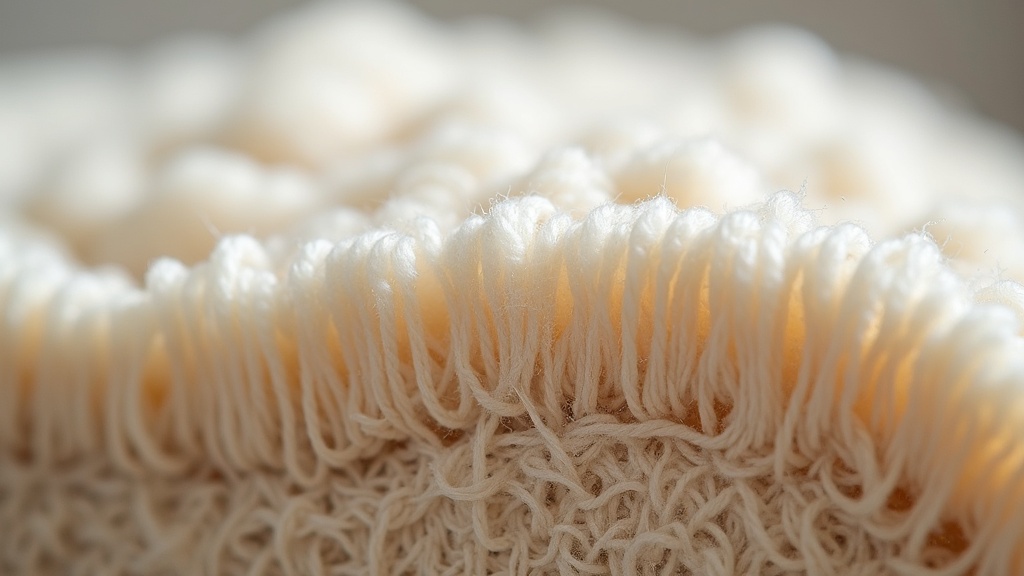
Wool vs wool-blend vs synthetic: what you’re actually paying for
The category “wool rug” covers a wide range of construction, and construction matters more than fibre content alone. A rug labeled wool might be hand-knotted on a cotton foundation, hand-tufted with a glued latex back, or machine-woven on power looms — see how machine-made rugs are produced for how that process differs from hand work. Each construction method changes durability, repairability, and price.
| Construction | Typical price behavior | Longevity outlook |
|---|---|---|
| Hand-knotted wool | Highest, scales with knot density and labor | Decades to generations with care; repairable |
| Hand-tufted wool | Mid-range | Limited by latex backing, which degrades over time |
| Machine-made wool or wool-blend | Low to mid, depends on size and brand | Good for the price but not repairable in the traditional sense |
| Synthetic (nylon, polypropylene) | Lowest | Durable against stains, but pile crushes and doesn’t recover the way wool does |
If you’re weighing a blended option specifically, what a wool-blend rug is and whether it’s worth it goes into the trade-offs directly. For a side-by-side on how these fibres perform over years of use, wool vs synthetic rugs: lifespan is a useful companion read, and the broader rug buying guides hub covers sizing and placement decisions that affect which construction makes sense for a given room.
When paying more for wool is genuinely worth it
Wool’s real advantage is resilience. The fibre has a natural crimp that lets it spring back after being walked on, so wool rugs resist matting in ways synthetics generally don’t over the same years of use. Wool is also naturally flame-resistant, soil-resistant to a degree because of its lanolin content, and takes dye in a way that ages into gentler, more forgiving tones rather than fading unevenly.
The cost tends to be worth it when:
- The rug will sit in a high-traffic area for many years and needs to recover from daily compression.
- You want a piece that can be professionally cleaned and repaired rather than replaced — reweaving and patching are realistic options for hand-knotted wool in a way they simply aren’t for a tufted or fused synthetic rug.
- You care about resale or heirloom value, where hand-knotted construction, natural dyes, and regional weaving traditions carry recognized value over time.
- You want a rug that will still look intentional after a decade, rather than one that shows crush marks and colour fade within a couple of years.
It’s worth noting that “worth it” is not the same as “worth the most expensive option available.” A well-made machine-woven wool rug, explained in the materials and construction archive, can be a sensible middle ground for a family room that will see heavy use and eventual replacement anyway.
When it isn’t worth paying more
Wool isn’t the right call everywhere. In a mudroom, a covered porch, or anywhere routinely wet, wool’s slow-drying nature and vulnerability to moisture make it a poor match compared with flatweave or synthetic options. If budget is tight and the rug is a short-term placeholder, a well-made synthetic or wool-blend rug will do the job without the higher upfront cost or the added care requirements. And if you’re being sold a rug purely on the promise that “hand-knotted” or “wool” guarantees future value, that claim needs scrutiny — construction quality, condition, and market factors all matter, and no seller can promise appreciation.
Protecting the investment: wool rug care basics
Because wool costs more to buy, it’s worth protecting correctly — and wool has real, specific vulnerabilities that differ from synthetic fibres. Hot water and high-pH or alkaline cleaners cause wool to felt, shrink, and yellow, so any at-home spot cleaning should use cool water and a wool-safe detergent applied by blotting, never scrubbing. Chlorine bleach will destroy wool fibre outright and should never be used, and mixing cleaning chemicals — for instance reaching for bleach and ammonia together — is never advisable regardless of fibre, since the combination itself is hazardous.
Routine maintenance matters too: a standard vacuum with a beater bar can pull and damage fringe and loose pile, so a suction-only setting or a vacuum without a rotating brush is safer for wool pile rugs. For anything beyond routine dust — an active spill, a pet stain, or a rug that’s hand-knotted, antique, or otherwise uncertain in construction — the safest first move is covered in how to clean a wool rug safely, and always test any product on a hidden corner first. When a rug is valuable, old, or you’re not sure what you’re dealing with, a professional rug cleaner or conservator is the right call, not a DIY attempt, because cleaning damage to wool and especially to hand-knotted foundations is usually permanent.
Assessing whether a specific rug justifies its price
None of the general guidance above tells you what a particular rug in front of you is actually worth — that requires physical examination. An appraiser looks at knot type and density, the foundation material (cotton, wool, or silk), dye characteristics under and away from light, wear patterns consistent with age and use, and the finishing of the selvedge and fringe. Machine-made rugs typically show telltale uniformity — perfectly even knots, a plain woven-in label, or a poly-cotton backing — that hand work doesn’t replicate. If you’re comparing a specific rug’s asking price against its construction, getting a rug appraised: what to expect explains the process, and an in-person appraisal by a qualified appraiser is the only reliable way to confirm origin, age, or value — this article can’t and won’t render that verdict for you.
Frequently asked questions about wool rug cost
Why are wool rugs so much more expensive than synthetic rugs?
Wool costs more to grow, clean, spin and dye than synthetic fibres, and hand-knotted wool rugs add months of skilled labor on top of material costs. Machine-made wool rugs sit between these extremes, costing more than synthetics but far less than hand-knotted equivalents.
Is a wool rug worth it for a house with kids and pets?
Often yes for durability, since wool resists matting and holds up to foot traffic well, but wool is more vulnerable to spills and moisture than synthetics. Consider a tightly woven wool-blend or synthetic option in areas with frequent accidents, and see how pet-specific concerns are handled.
How can I tell if a rug is really wool or a blend?
A burn test on a loose fibre (done carefully, ideally by a professional) shows wool self-extinguishing with a smell like burnt hair, while synthetics melt. Retailers should also disclose fibre content on a label, though labels aren’t always reliable on secondhand pieces.
Do hand-knotted wool rugs actually last longer than machine-made ones?
Generally yes, because hand-knotted construction can be repaired — reweaving worn areas or patching holes — in ways a glued or tufted backing cannot. Machine-made rugs are durable for their price but are typically replaced rather than restored once damaged.
Is it worth paying extra for a hand-knotted wool rug over a hand-tufted one?
If longevity and repairability matter to you, yes, since hand-tufted rugs rely on a latex backing that degrades and can’t be rewoven. If budget or short-term use is the priority, a hand-tufted or machine-made wool rug may suit the situation better.
Rug Academy publishes general information about rugs and is not a dealer, appraiser, or cleaning service. Cleaning and repair methods depend entirely on fibre, dye and construction — test any treatment on a hidden corner first, and consult a professional rug cleaner or conservator before treating a hand-knotted, antique, silk, or valuable rug, as damage from cleaning is usually permanent. Any prices mentioned are illustrative examples only, and nothing here is an appraisal, an authentication, or a guarantee of a rug’s origin or value.