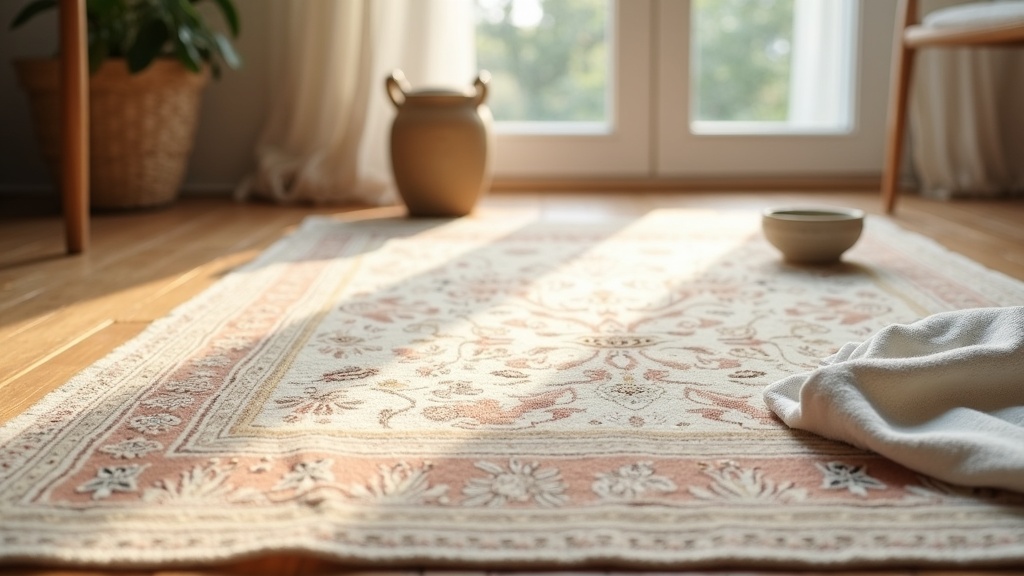
To remove a pet stain and its odour from a rug, blot up as much moisture as possible, treat the area with a fibre-appropriate enzymatic or wool-safe cleaner, and let it dry completely before deciding whether more work is needed. The exact product and method depend entirely on whether your rug is wool, synthetic, or silk, and whether it is hand-knotted or machine-made. Getting this wrong — using bleach, ammonia, hot water, or a steam cleaner on the wrong fibre — can set the stain permanently or damage the rug itself, so the fibre identification step is not optional.
Why pet accidents are harder than an ordinary spill
Urine is chemically different from wine or coffee. It is alkaline once it dries, it penetrates deep into pile and foundation, and it contains uric acid crystals that reactivate and smell whenever humidity rises — which is why odour can return weeks after a rug seems clean. Because pet stains soak downward rather than sitting on the surface, surface-only cleaning often masks a problem that is still present in the backing or padding underneath. This is also why pet stains are more likely than most spills to cause colour bleed and permanent yellowing if handled carelessly, especially on wool.
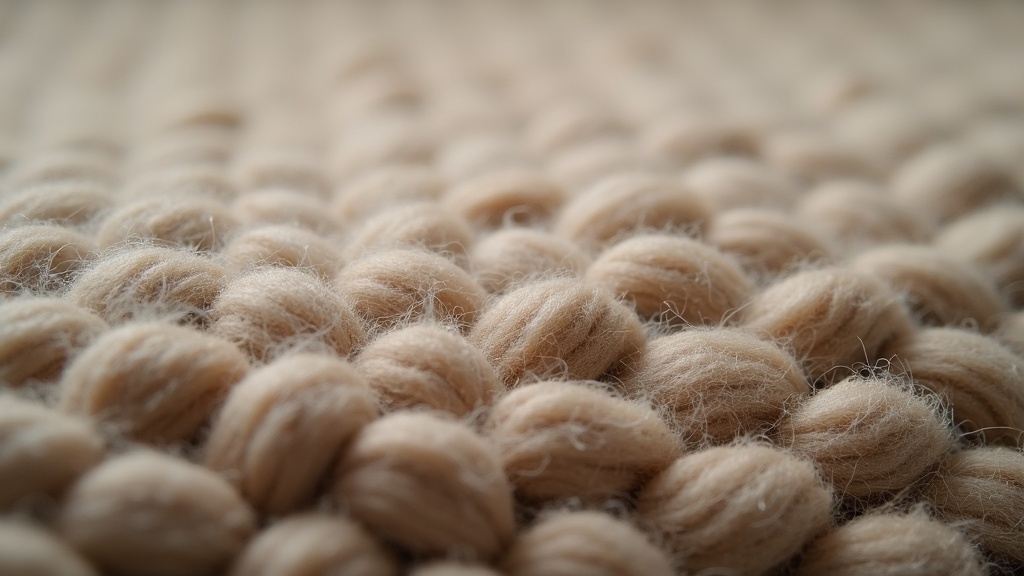
Identify the fibre and construction before you touch it
Every safe step below depends on knowing what you are cleaning. A machine-made rug with synthetic fibres such as polypropylene or nylon tolerates far more moisture and mild detergent than a hand-knotted wool or silk piece. If you are not sure how to tell the two apart, the site’s guide on how to tell if a rug is handmade or machine-made walks through fringe construction, back-of-rug patterning, and knot regularity. The broader rug buying guides hub and the materials and construction archive are useful if you inherited a rug and have no paperwork on it.
If the rug is silk, has an unusually fine weave, shows an old or hand-tied fringe, or you simply cannot determine its fibre with confidence, stop and call a professional rug cleaner or conservator before applying anything. Silk in particular is damaged by water and by most household detergents; the guide on silk rugs and why they’re often misunderstood explains why even well-meaning home cleaning frequently causes water rings, colour loss, or a permanent change in the fibre’s sheen.
Treating a fresh accident on wool or synthetic-pile rugs
For a wool or synthetic rug of known, sturdy construction, work quickly:
- Blot, don’t rub. Press white paper towels or a clean cloth straight down onto the wet area to absorb as much liquid as possible. Rubbing pushes urine deeper into the pile and can distort the fibres.
- Rinse with cool water only. Cool or lukewarm water, never hot — hot water on wool causes the fibre to felt, shrink, and can yellow the wool permanently, an effect that cannot be reversed at home.
- Apply a small amount of wool-safe or pH-neutral detergent diluted in cool water, tested first on a hidden corner of the rug (an edge under furniture is ideal) to check for colour bleed before treating the visible stain.
- Blot again to lift the loosened residue, then rinse the treated spot with a cloth dampened in plain cool water to remove detergent residue, which otherwise attracts dirt over time.
- Dry fast and flat. Weight the area with clean dry towels, or use a fan, to pull moisture out quickly. A rug left damp for more than a day risks mildew and, on a hand-knotted piece, can encourage the foundation to shrink unevenly.
For synthetic pile such as polypropylene, this same sequence is more forgiving of a slightly stronger detergent and a bit more water, but the same rule about avoiding hot water and heavy saturation still applies, because most rugs — synthetic or wool — have a woven or latex-backed foundation that can distort when it gets too wet for too long.
What never to use
Do not reach for chlorine bleach on any wool or silk rug — it breaks down the protein structure of the fibre and the damage is immediate and irreversible. Do not mix ammonia with any other household cleaner, including vinegar or bleach, in an attempt to boost odour removal; combining cleaning chemicals can produce toxic fumes and offers no cleaning benefit that a proper enzymatic product doesn’t already provide more safely. Avoid steam cleaners and rental carpet-shampoo machines on hand-knotted or wool rugs entirely — the combination of heat and saturation is one of the most common causes of rug damage the industry sees, and the reasoning is laid out in detail in can you steam clean a rug? when it helps or ruins it.
Getting rid of the odour, not just the stain
Because uric acid crystals are what cause the smell to return, an odour problem usually needs an enzymatic cleaner formulated for pet stains, which breaks the crystals down rather than just masking them with fragrance. Apply sparingly, following the same test-first and blot-dry approach above, and avoid oversaturating the rug — enzymatic cleaners still need to dry out fully to finish working, and a rug that stays damp underneath will keep smelling regardless of what was applied on top. A light dusting of plain baking soda left on a dry, already-cleaned rug for a few hours and then vacuumed off can help absorb residual odour on synthetic and sturdy wool rugs, but should not be used as a substitute for actually treating the stain, and should be tested on a hidden spot first since some dyes react to alkaline powders.
If you suspect there are old stains you can’t see, a UV (blacklight) flashlight in a darkened room will make dried urine residue glow, which helps you find spots that need treatment before they cause ongoing odour. This is worth doing before any deep clean, since treating a rug you think is clean while missing three older spots wastes effort and moisture.
When the padding or backing is affected
If urine has soaked through to a rug pad or the floor underneath, the rug itself may be clean while the smell persists from below. Replacing a saturated rug pad is usually simpler and safer than trying to treat it, and it’s a good moment to reconsider whether the current pad is doing its job — the reasoning in do you really need a rug pad? covers how the right pad also reduces slipping and cushions wear, quite apart from the stain question.
When to stop and call a professional
Hand-knotted, antique, silk, or otherwise valuable rugs should go to a professional rug cleaner or textile conservator for anything beyond an immediate blot-and-dry response to a fresh accident. Professionals can flush a rug’s foundation properly, control drying to prevent shrinkage, and address dye bleed risk in ways that are difficult to manage safely at home. This is also the moment to think about value: a rug’s worth is tied to its knot density, dye character, and condition, and cleaning damage can permanently reduce all three. The rug care hub and the cleaning and stains archive cover related situations, and if odour has caused visible fibre damage or discolouration, when is a damaged rug worth repairing? is a useful next read before you spend money on either cleaning or repair.
For general reference on textile cleaning principles, conservation bodies such as the American Institute for Conservation publish guidance aimed at professionals, which underlines just how much fibre-specific knowledge sits behind what looks like a simple stain-removal task.
Frequently asked questions about removing pet stains and odour from a rug
How do you get old dried pet urine stains out of a rug?
Rehydrate the dried area lightly with cool water, then apply an enzymatic cleaner suited to your rug’s fibre, testing on a hidden spot first. Dried stains often need repeat treatments, and deep-set or discoloured old stains on wool or hand-knotted rugs are best assessed by a professional cleaner.
Does vinegar remove dog urine smell from a rug?
Diluted white vinegar can neutralise some odour on sturdy synthetic rugs but is risky on wool, where its acidity can affect certain dyes, and it does little against uric acid crystals compared with an enzymatic cleaner. Always test first and never combine vinegar with bleach or ammonia.
Can you use baking soda on a wool rug for pet odour?
Yes, in most cases, applied dry after the stain itself has been treated and the rug is fully dry, then vacuumed off after a few hours. Test on a hidden area first, since some dyes and finishes react to alkaline powders.
Will steam cleaning remove pet odour from a rug?
Steam can set odour deeper into a rug’s foundation rather than removing it, and the heat and moisture pose a real shrinkage and dye-bleed risk on wool and hand-knotted rugs. It’s generally safer to use targeted enzymatic treatment and thorough drying instead.
How do you know if a pet stain has ruined a rug permanently?
Signs include a hardened or brittle patch of pile, colour that has changed or bled beyond the original stain, or a smell that returns no matter how the rug is cleaned. A professional cleaner or conservator can assess whether the damage is cosmetic, structural, or reversible.
Rug Academy publishes general information about rugs and is not a dealer, appraiser, or cleaning service. Cleaning and repair methods depend entirely on fibre, dye and construction — test any treatment on a hidden corner first, and consult a professional rug cleaner or conservator before treating a hand-knotted, antique, silk, or valuable rug, as damage from cleaning is usually permanent. Any prices mentioned are illustrative examples only, and nothing here is an appraisal, an authentication, or a guarantee of a rug’s origin or value.