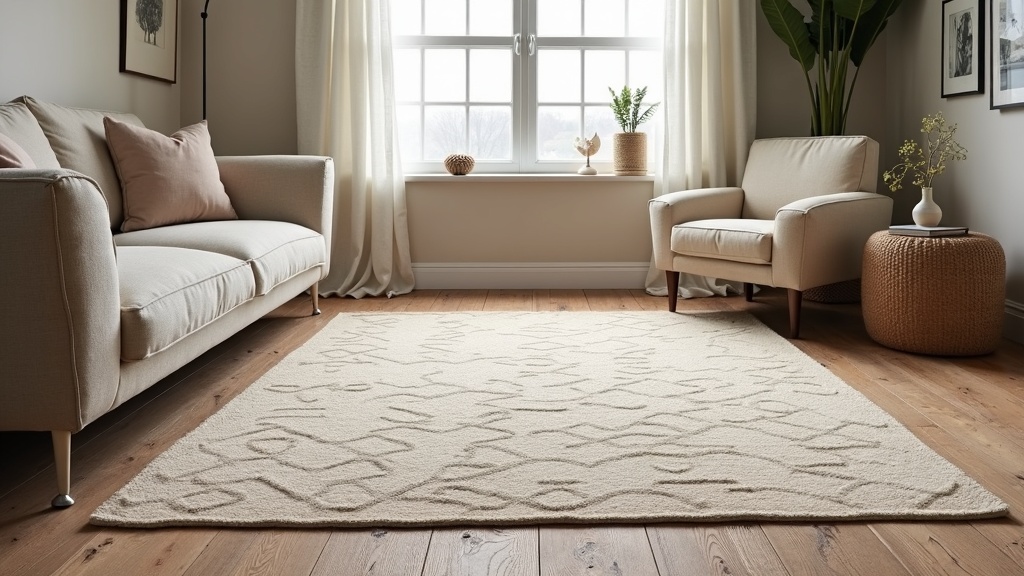
Choose a patterned rug when you want it to hide soil, absorb visual attention, and anchor a room with more personality; choose a solid rug when you want the floor to recede and let furniture, art, or architecture carry the eye. Beyond aesthetics, the two also behave differently in daily life — patterned rugs mask wear and stains far better, while solid rugs reveal both flaws and craftsmanship more honestly. The right answer depends on your household, your room, and how much you’re willing to maintain.
What Pattern and Colour Actually Change in a Room
A patterned rug does visual work that a solid one can’t. Multiple colours and a busy motif break up the eye’s path across the floor, which is why patterned rugs often make small or awkward rooms feel more grounded rather than empty. They also forgive a mismatched mix of furniture finishes, because the rug itself is already doing the “loud” job in the room, freeing everything else to be quieter.
A solid rug does the opposite: it acts as negative space. In a room with bold art, patterned upholstery, or strong architectural lines, a solid rug lets those elements read clearly instead of competing with a busy floor. Solid rugs also age a room’s style more slowly — a well-chosen neutral wool rug can outlast several sofa changes, where a strongly patterned rug tied to a particular trend may start to feel dated sooner. If you’re still working out proportions and placement for the room itself, the sizing fundamentals in our rug buying guides hub are worth reviewing before you commit to either look.
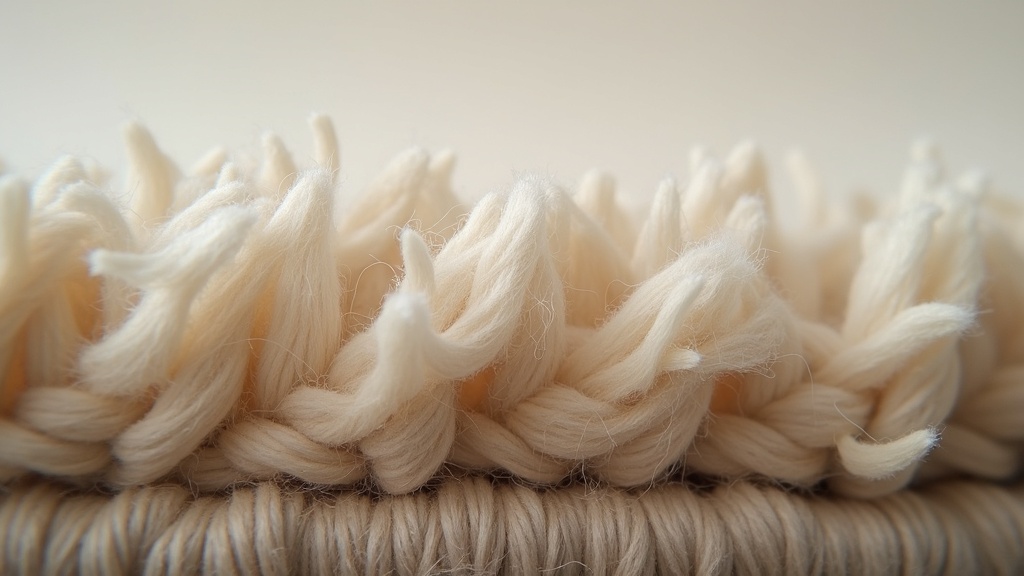
Practical Trade-offs: Hiding Wear vs Showing It
This is the trade-off people underestimate. Pattern — especially multi-tonal, curvilinear pattern like a Persian medallion or an all-over Herati design — is extremely good at camouflaging everyday reality: pet hair, foot traffic paths, a wine spill that didn’t fully lift, faint pile crushing under furniture. Solid rugs show all of it. A pale solid wool rug in a high-traffic hallway will visibly darken along the walking line years before a densely patterned rug in the same spot looks worn at all.
That doesn’t mean solid rugs are a bad choice for busy households — it means they need more deliberate colour selection (mid-tones hide more than very pale or very dark solids) and a realistic maintenance routine. It also means that if you already know a room gets heavy use from kids, pets, or a lot of foot traffic, pattern isn’t just decorative preference; it’s a genuinely practical strategy for stretching the years between deep cleans.
| Consideration | Patterned rug | Solid rug |
|---|---|---|
| Hides stains and wear | Generally well | Shows more readily |
| Room styling flexibility | Sets the tone; furniture stays simpler | Lets other elements lead |
| Visual longevity | Can feel trend-tied over time | Tends to age more neutrally |
| Pairing difficulty | Easier to mix with plain furnishings | Needs more intentional colour matching |
Construction, Value, and What Pattern Signals
Pattern isn’t only a style decision — it’s also connected to how a rug is made, which matters if value or authenticity is part of your thinking. Intricate, asymmetrical, hand-drawn-looking patterns are typically a sign of hand-knotting, where a weaver is working row by row from a design rather than printing colour onto a pre-woven surface. Machine-made rugs can now reproduce fairly complex patterns too, so pattern complexity alone isn’t proof of anything — what an appraiser actually looks at is knot type and density, the foundation material on the back, how the fringe and selvedge are finished, and whether the pattern is perfectly regular (often a sign of machine production) or shows the small human irregularities typical of hand work. Our guide to telling a handmade rug from a machine-made one walks through those specific signs, and the piece on knot density explains why that single number gets both overused and misunderstood as a value shortcut.
Solid-coloured handmade rugs exist too — plain-weave kilims, some tribal flatweaves, and certain minimalist Moroccan-style pieces are prized specifically for their restraint rather than their pattern complexity. In those cases, value signals shift toward wool quality, dye evenness, selvedge finishing, and weave structure rather than pattern intricacy. Either way, if you’re weighing a purchase or an inheritance where real money is involved, a photograph and a guess are not a substitute for an in-person appraisal by a qualified appraiser — pattern and colour can suggest a story, but they can’t confirm origin, age, or worth on their own. For context on how design vocabulary itself sits between old and new, see our explainer on what makes a rug “transitional” in style, since transitional pieces deliberately blend traditional pattern with more solid, modern colour fields.
On price, construction drives the number far more than pattern does. A machine-made wool-blend rug with an elaborate pattern in a common living-room size might sit somewhere in the low hundreds, while a comparably sized hand-knotted wool rug — patterned or solid — often costs several times that, and hand-knotted silk pieces can run into the thousands. These are illustrative ranges only; actual pricing depends on materials, origin, size, and condition, and varies enormously by retailer and region.
Cleaning Considerations for Both
Because pattern hides staining so effectively, patterned rugs can sometimes hold spills or spot damage longer before anyone notices — which is its own risk, since a stain left untreated has more time to set into the fibre. Solid rugs get treated faster simply because the mark is visible immediately, but the fibre itself needs the same care either way. What matters for cleaning safety isn’t the design at all — it’s the fibre and how the rug is built.
For a wool pile rug on a cotton or wool foundation, a fresh spill can generally be blotted (never rubbed) with cool water and a small amount of pH-neutral, wool-safe detergent, working from the outside of the mark inward so it doesn’t spread. Hot water and high-pH or alkaline cleaners are a real risk with wool — they can cause the fibres to felt, shrink, or yellow, and that kind of damage doesn’t reverse. Chlorine bleach and ammonia-based products should never touch a wool or silk rug, and you should never mix cleaning chemicals together in an attempt to boost their effect — combining products like bleach and ammonia can also create dangerous fumes, quite apart from what it does to the textile. Our guide on cleaning a wool rug without ruining it and the specific walkthrough on getting a red wine stain out of a rug go through fibre-safe steps in more detail.
Silk rugs are a different matter entirely — water and most detergents can cause silk to lose sheen, distort, or bleed dye, so these are best left to a professional rather than treated at home. And whatever the fibre, always test any product on a hidden corner first, since dyes — especially natural or early synthetic ones — can bleed or shift when they get wet even if the base fibre itself would tolerate the treatment. If the rug is hand-knotted, antique, silk, or you’re simply not sure what it’s made of, that uncertainty itself is the reason to call a professional rug cleaner or conservator rather than experiment, because over-wetting a hand-knotted foundation or using the wrong cleaner can shrink or buckle it permanently. Broader cleaning and stain guidance for different fibres lives in our cleaning and stains archive, and general upkeep — including storage and everyday protection — is covered across the wider rug care hub.
Making the Decision: A Few Questions to Ask Yourself
- How much daily traffic, pet activity, or spill risk does this specific room actually see?
- Is the rug meant to be the room’s focal point, or a quiet backdrop for furniture and art?
- Do you want a design that will still look right in ten years, or are you comfortable replacing it as trends shift?
- Are you buying for décor alone, or is craftsmanship and potential resale value part of the decision too?
There’s no universally correct answer — a heavily used family room and a quiet formal sitting room can reasonably land on opposite choices. Browsing the range of looks in our styles and patterns archive is a practical way to see how the same room type looks dressed both ways before you buy.
Frequently asked questions about patterned vs solid rugs
Is a patterned rug better for hiding stains than a solid rug?
Generally yes — multi-tonal, busy patterns break up the eye’s focus and camouflage spills, pet hair, and traffic wear far more effectively than a single flat colour, which shows marks and pile crushing almost immediately by comparison.
Do solid rugs show wear faster than patterned ones?
Yes, especially in mid- to light-toned solids placed in high-traffic areas; walking paths, furniture indentations, and faded sun spots become visible sooner because there’s no competing colour or motif to distract the eye.
Which is more timeless, a patterned or a solid rug?
Solid, neutral-toned rugs tend to age more gracefully alongside changing furniture and trends, while strongly patterned rugs — particularly those tied to a specific decorating moment — can start to feel dated sooner, though classic traditional motifs are more durable stylistically than novelty prints.
Can a solid rug still be hand-knotted and valuable?
Yes — plain-weave kilims and some minimalist tribal or contemporary designs are hand-knotted or handwoven and valued for wool quality, dye evenness, and weave structure rather than pattern complexity, so solid colour alone says nothing about whether a rug is handmade.
Should pattern or room size decide my rug choice first?
Room proportions and furniture layout should come first, since an oversized or undersized rug undermines any design regardless of pattern; once sizing is settled, choose pattern versus solid based on traffic level, existing décor, and how much visual attention you want the floor to draw.
Rug Academy publishes general information about rugs and is not a dealer, appraiser, or cleaning service. Cleaning and repair methods depend entirely on fibre, dye and construction — test any treatment on a hidden corner first, and consult a professional rug cleaner or conservator before treating a hand-knotted, antique, silk, or valuable rug, as damage from cleaning is usually permanent. Any prices mentioned are illustrative examples only, and nothing here is an appraisal, an authentication, or a guarantee of a rug’s origin or value.