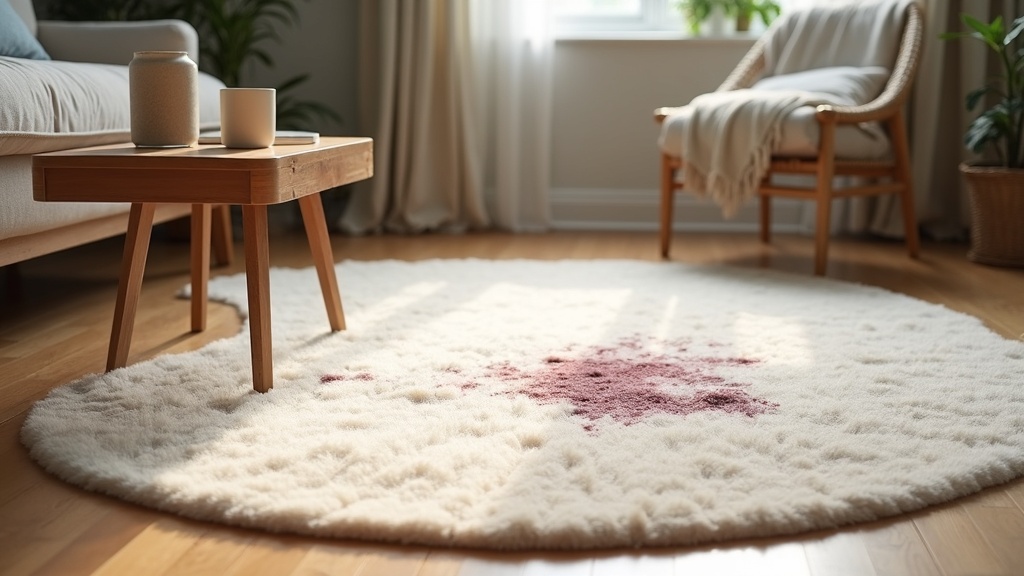
Blot a fresh red wine spill immediately with a clean white cloth, working from the outside in, then treat with cool water and a small amount of pH-neutral, wool-safe detergent for wool rugs, or a diluted synthetic-carpet cleaner for machine-made synthetics — never hot water, never rubbing, and never chlorine bleach. Dried or old stains often need a professional, especially on hand-knotted, silk, or antique rugs, because repeated wetting can set the stain permanently or damage the dyes and foundation.
Why speed and technique matter more than the product you use
Red wine contains both pigment and acid, and it starts bonding to wool and other protein or plant fibres within minutes. The single biggest factor in whether a stain comes out is how fast you blot, not which cleaner you reach for. Rubbing pushes the wine deeper into the pile and can distort the fibres or fuzz the surface; blotting lifts liquid back out. Heat is the other enemy — hot water can set the tannins in wine permanently and, on wool, causes the fibre to felt and shrink. Work cool, work fast, and resist the urge to scrub.
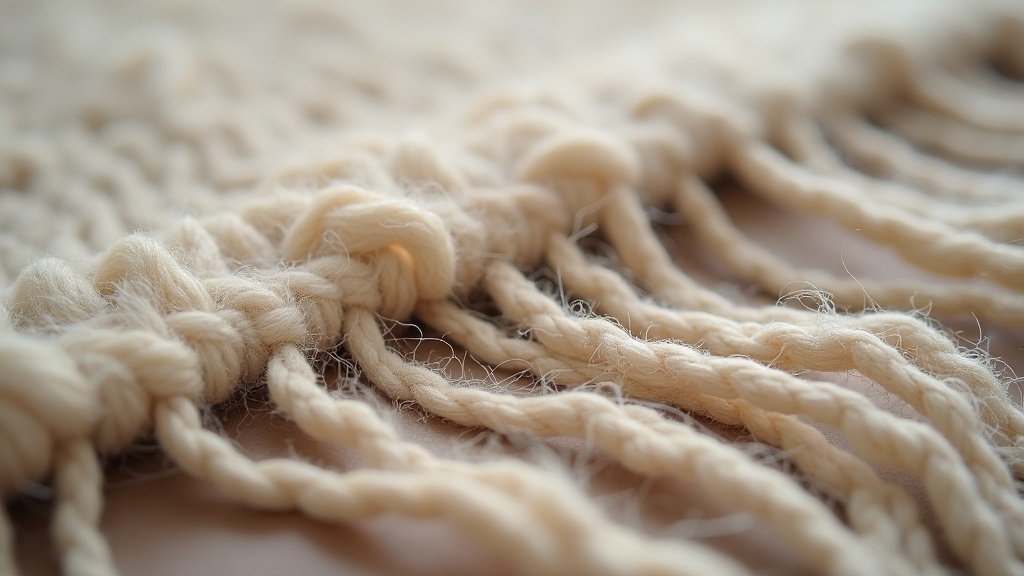
First response: what to do in the first five minutes
- Blot immediately with a clean, white, absorbent cloth or paper towel, pressing straight down rather than wiping sideways.
- Scrape up any solids (ice, food) with a dull edge, never a knife blade against the pile.
- Flood a little cool water onto the stain and blot again, repeating several times to dilute the wine before it dries.
- If you have it on hand, sprinkle plain salt or cornstarch on a fresh spill to help draw liquid out before it soaks in — this is a stopgap, not a stain remover, and should be vacuumed off promptly with a suction-only vacuum, since beater-bar vacuums can snag pile and fringe.
Fibre-specific treatment: what is safe, and where it isn’t
Rugs are not interchangeable when it comes to cleaning, and this is the point where a lot of good intentions do real damage. Before treating any stain beyond the initial blotting above, test your chosen solution on a hidden corner or the underside of the fringe and wait a few minutes to check for color transfer or texture change.
Wool rugs (hand-knotted or machine-made)
Wool tolerates cool water and mild treatment reasonably well, but it is sensitive to heat, alkalinity, and prolonged wetting. Mix a small amount of a pH-neutral, wool-safe detergent (the kind sold for hand-washing wool sweaters works well) with cool water, apply with a cloth rather than pouring it on, and blot rather than saturate. Rinse by blotting with plain cool water afterward to remove detergent residue, then press dry with towels. Avoid alkaline all-purpose cleaners and anything labeled “oxi” or peroxide-based unless you have confirmed colorfastness, since these can shift natural dyes. For a full walkthrough of safe wool cleaning routines beyond stains, see our guide on how to clean a wool rug without ruining it.
Synthetic rugs (nylon, polypropylene, polyester)
Machine-made synthetic rugs are generally more forgiving of stains and moisture than wool or silk, which is one reason they’re a common choice underfoot in high-traffic rooms. A diluted synthetic-carpet spot cleaner or a mild dish soap solution, applied cool and blotted rather than scrubbed, will usually lift red wine without much drama. Even so, test first — some synthetic backings and latex adhesives can discolor or delaminate with heavy saturation, and older synthetic rugs may use dyes that aren’t as stable as newer ones.
Silk and silk-blend rugs
Silk is the one fibre where the safest instruction is often to do very little yourself. Silk loses strength when wet, is easily damaged by ordinary detergents, and can water-stain in ways that are worse than the original spill. Blot gently with a dry cloth to remove excess liquid, then stop and call a professional rug cleaner or textile conservator. This is not caution for its own sake — silk rugs are frequently among the more valuable pieces in a home, and a DIY attempt gone wrong is rarely reversible.
Antique, hand-knotted, or unidentified rugs
If you don’t know what your rug is made of, or you know it’s old, hand-knotted, or came from a source suggesting real value, treat the stain conservatively and get expert help sooner rather than later. Natural dyes and some early synthetic dyes are prone to bleeding when they meet water, which can turn a manageable spot into a spreading blotch across the field of the rug. A qualified rug cleaner can identify the fibre and dye behavior before committing to a wet treatment. Our rug care hub and the cleaning and stains archive cover more scenarios like this if you want to read further before you act.
What never to do, and why
- Never use chlorine bleach. It destroys wool and silk fibre structure and will strip or shift color on virtually any dyed rug, natural or synthetic.
- Never mix cleaning chemicals — combining ammonia-based glass cleaners with bleach-based products, for instance, produces toxic fumes, and mixing unrelated stain removers can react unpredictably on the fibre itself even without a chemical hazard.
- Never use hot water or steam on wool or hand-knotted rugs. Heat combined with moisture is what causes wool to felt, shrink, and sometimes yellow, and steam can loosen the foundation knots on a hand-knotted piece.
- Never saturate a hand-knotted rug by pouring water or cleaner directly onto it or running it through a home carpet-cleaning machine. Over-wetting can shrink the foundation unevenly and cause the rug to buckle or cockle permanently.
Drying properly matters as much as the stain treatment
After blotting, press with dry towels and weight them down for a few minutes to draw out moisture, then let the area air-dry fully before walking on it or replacing furniture — trapped moisture invites mildew and can cause a slow-drying dye to migrate further than it already has. A fan or open window speeds this along. Avoid direct sun or a hair dryer on high heat, both of which risk drying the wool too fast and unevenly, or fading dyes with UV exposure. If the rug sits on a pad, check that the pad underneath is also dry before putting the rug back down, and consider whether a rug pad is contributing to trapped moisture in that spot.
When it’s time to call a professional
Some situations are better handed to a specialist than tackled at the kitchen sink: a rug that’s hand-knotted, antique, silk or silk-blend, of uncertain fibre, or one you simply care about not risking. Professionals have access to controlled wet-cleaning setups, fibre and dye testing, and experience judging how a specific stain and rug will interact — something no article can fully substitute for. If a stain has already dried, set, or spread before you got to it, professional extraction is also usually more effective than another round of home treatment, since repeated home attempts can make a stain harder to remove later, not easier. It’s also worth remembering that a stubborn stain is sometimes the moment people reconsider a rug’s condition more broadly; if that’s you, our piece on when a damaged rug is worth repairing is a useful next read.
Frequently asked questions about red wine stains on rugs
Does club soda actually remove red wine from a rug?
Club soda mainly dilutes and helps lift fresh wine through blotting; the carbonation itself does little chemically. Plain cool water works about as well for the initial response — the real value is in blotting promptly, not the specific liquid you use.
Will baking soda and vinegar get red wine out of a wool rug?
Avoid this combination on wool. Vinegar’s acidity and baking soda’s alkalinity can both affect wool dye and fibre, and mixing them isn’t necessary for cleaning — a wool-safe detergent and cool water is the safer, more predictable approach.
Can you use hydrogen peroxide on a red wine stain?
Peroxide can bleach some natural dyes and is unpredictable on wool and silk, so test on a hidden spot first or avoid it on rugs you value. For anything hand-knotted, antique, or of uncertain fibre, a professional cleaner is the safer route.
What if the red wine stain has already dried?
Dried stains are harder to fully remove at home and more likely to need repeated gentle treatment or professional extraction, especially once the tannins have bonded with the fibre. Blot with cool water to soften it, avoid scrubbing, and consider a professional if it doesn’t lift with mild treatment.
Is it safe to rent a carpet-cleaning machine for a rug stain?
Home carpet-cleaning machines can over-saturate a rug and, on hand-knotted or wool pieces, risk shrinking or buckling the foundation. They’re generally more appropriate for wall-to-wall synthetic carpet than for area rugs, particularly handmade ones.
Rug Academy publishes general information about rugs and is not a dealer, appraiser, or cleaning service. Cleaning and repair methods depend entirely on fibre, dye and construction — test any treatment on a hidden corner first, and consult a professional rug cleaner or conservator before treating a hand-knotted, antique, silk, or valuable rug, as damage from cleaning is usually permanent. Any prices mentioned are illustrative examples only, and nothing here is an appraisal, an authentication, or a guarantee of a rug’s origin or value.