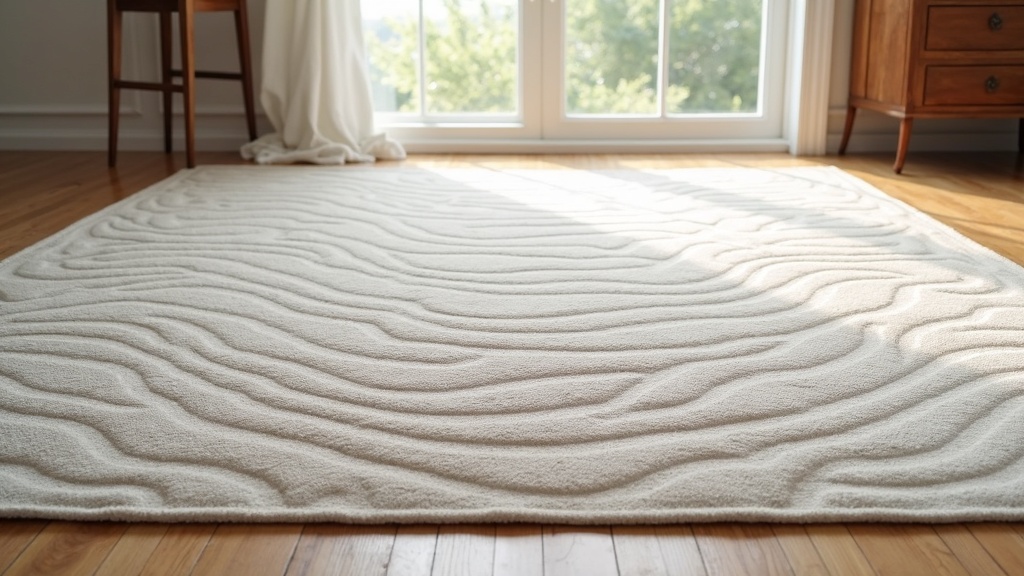
Rug buckling and rippling almost always come down to one of three things: humidity moving through the fibres, a missing or wrong pad letting the rug shift and bunch, or the foundation itself has stretched, shrunk unevenly, or been distorted by water or improper cleaning. Small waves that flatten out after a day usually resolve with time, weight, and the right pad. Ripples that stay put, especially ones tied to a hard edge or old water damage, usually need a professional to re-stretch, re-block, or repair the foundation.
Why rugs buckle and ripple in the first place
A rug is a textile under tension. The foundation — cotton, wool, or occasionally jute warp and weft threads — was woven or set at a particular width and length, and the pile sits on top of that grid. When the foundation absorbs moisture unevenly, expands or contracts at a different rate than the surrounding fibres, or gets compressed by furniture and foot traffic in some spots but not others, the flat plane of the rug stops being flat. It bunches, waves, or lifts at the edges. This is different from simple corner curling, which is usually a localised memory-of-storage problem rather than a whole-rug distortion, though the two can appear together.
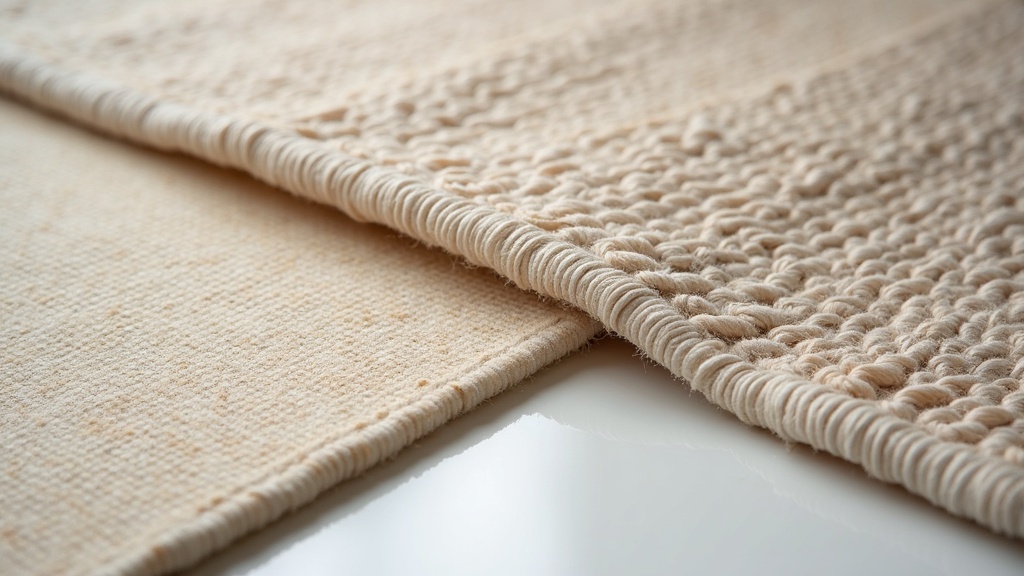
Common causes worth ruling out
- No rug pad, or the wrong one. Without a pad, a rug can shift, stretch at the edges under furniture, and develop waves as it’s walked on unevenly. A pad that’s too thick or too grippy for the floor type can also cause its own bunching.
- Humidity and seasonal moisture. Wool and cotton both take on and release moisture with the air. In humid climates or damp basements, a rug can expand slightly and ripple; in very dry heated rooms, the same rug may pull tight and curl instead.
- Furniture and foot traffic patterns. Heavy furniture legs compress the pile and foundation in fixed spots, while open areas keep their original height, creating a wave at the boundary.
- Improper cleaning or over-wetting. Saturating a hand-knotted rug, machine washing it, or steam cleaning it can shrink the foundation unevenly and buckle it in a way that doesn’t relax on its own. This is one of the most common causes of a rug that ripples permanently rather than temporarily.
- Age and foundation wear. In older or antique pieces, the warp and weft threads themselves may have weakened or stretched unevenly over decades, independent of anything the current owner has done.
- Storage folds. A rug folded rather than rolled for storage develops creases that can look like rippling once it’s laid back down; this is covered in more depth in our guide on how to store a rug long term without damaging it.
What you can safely try at home
For mild, temporary rippling — the kind that shows up after a humid week or a furniture rearrangement — a few gentle steps often help:
- Reverse-roll it. Roll the rug pile-side out (opposite to how it’s usually stored) and leave it rolled for a day or two, then unroll and lay it flat. This works with the fibre’s natural memory instead of against it.
- Flip and rotate. Turning the rug 180 degrees evens out wear and traffic patterns that may be feeding the problem, and it’s good practice regardless of buckling.
- Weight the waves. Place flat, heavy objects — books, furniture — on the high points for a few days to encourage the fibres to relax back into plane.
- Add or upgrade the pad. A rug pad appropriate to the floor surface reduces slippage and gives the rug a consistent, cushioned surface to lie on. If you’re unsure whether you need one at all, our piece on rug pads walks through when they matter most.
- Manage room humidity. A humidifier in dry months or a dehumidifier in damp ones keeps moisture swings smaller, which reduces the expansion-and-contraction cycle that drives rippling in the first place.
None of these steps involve water, heat, or chemicals, which is why they’re reasonably low-risk to try yourself regardless of fibre. Where things get riskier is if the ripple is tied to a stain or odour you’re also trying to treat.
Where cleaning and buckling intersect — and where to be careful
Owners sometimes reach for a deep clean when they notice buckling, assuming dirt or moisture trapped in the pile is the cause. Sometimes it is — but the cleaning method itself can make foundation distortion worse if it’s not matched to the fibre.
- For a wool pile rug on a cotton foundation, light surface cleaning with a wool-safe detergent and cool water, applied sparingly and blotted rather than soaked, is generally safe; full saturation is not, because wool felts and the foundation can shrink unevenly when it dries. Our guide to cleaning a wool rug safely covers this in more detail.
- For silk or silk-blend rugs, water and most detergents can cause colour bleeding and permanent fibre damage, so these should go to a professional rather than being treated at home.
- Chlorine bleach should never be used on wool or silk under any circumstance — it breaks down the protein structure of the fibre. Hot water and high-pH or alkaline cleaners cause the same felting and shrinkage problem as full saturation, just faster.
- Steam cleaning can push a mild ripple into a permanent one if the foundation shrinks unevenly as it dries; this trade-off is explored fully in our article on steam cleaning risks.
- Never mix cleaning chemicals — combining products like bleach and ammonia-based cleaners produces toxic fumes and won’t do the rug any favours either.
Always test any cleaning approach on a hidden corner first, and if the rug is hand-knotted, antique, silk, or you’re not certain of its construction, the safer and often cheaper-in-the-long-run choice is a professional rug cleaner or conservator, particularly given how often the pattern is described in how often you should professionally clean a rug.
When the fix needs a professional
If reverse-rolling, weighting, and a better pad don’t flatten the rug within a couple of weeks, or if the ripple sits along a specific line — say, following an old water stain, a repaired section, or one edge of the rug — the foundation itself may need attention. This is restoration work, not cleaning, and it typically involves:
- Blocking and stretching: the rug is dampened in a controlled way, pulled back to its original dimensions on a flat surface, and pinned or secured until it dries evenly. This corrects distortion from uneven shrinkage but requires equipment and experience to avoid making things worse.
- Foundation repair: where warp or weft threads have broken or stretched, a conservator can reweave or reinforce the affected section.
- Re-backing: for rugs with a secondary backing (more common in machine-made or hand-tufted pieces), a failing backing can be replaced rather than patched.
Whether this work is worth doing depends on the rug’s construction and condition — our article on when a damaged rug is worth repairing goes through that decision in more detail, and the broader rug care hub and repair and restoration archive cover related fixes like fringe repair and edge binding.
A note on value and what buckling does or doesn’t mean
Rippling on its own says relatively little about a rug’s age or value — it’s a condition issue, not an authentication one. If you’re trying to work out what you actually own before deciding how much to spend on restoration, an appraiser looks at knot type and density, foundation material, dye characteristics, and selvedge and fringe finishing, details covered in how to tell if a rug is handmade or machine-made. None of that can be determined reliably from a description or a photo, so if real money is riding on the decision — a costly re-stretch versus letting a lower-value piece go — an in-person appraisal from a qualified appraiser is the only reliable answer, not a guess based on how the rug looks online.
Preventing buckling from coming back
A correctly sized, breathable rug pad matched to the floor surface is the single biggest preventer of rippling day to day. Beyond that, rotating the rug seasonally, keeping indoor humidity reasonably stable, and avoiding full saturation during cleaning all reduce the odds of the foundation moving unevenly. If the rug goes into storage between seasons, rolling it correctly — never folding — prevents new creases from forming in the first place.
Frequently asked questions about rug buckling and rippling
Why does my rug keep rippling even with a pad underneath?
A pad reduces slippage but won’t fix humidity-driven expansion or a foundation that’s already distorted from past water damage or improper cleaning. If rippling persists with a good pad in place, the cause is more likely internal to the rug’s structure than the floor surface.
Can a rippled rug flatten out on its own over time?
Mild, recent rippling from humidity or furniture rearrangement often relaxes with reverse-rolling, weighting, and a few weeks of normal use. Rippling caused by uneven shrinkage from water or heat exposure usually doesn’t self-correct and needs professional stretching or repair.
Is it safe to steam a wrinkled rug flat myself?
Home steaming can push moisture unevenly into the foundation and worsen shrinkage, especially on wool or hand-knotted rugs, so it’s not something to try casually. A professional cleaner or conservator can assess whether controlled moisture and blocking is appropriate for your specific rug.
Does rug buckling mean the rug is damaged beyond repair?
Not usually — buckling is a condition issue that’s often correctable through re-stretching or foundation repair rather than a sign the rug is ruined. Whether repair makes sense depends on the rug’s construction, extent of the distortion, and how much you value keeping it.
Will a new rug pad stop my rug from rippling in humid weather?
A pad helps with slippage and cushioning but won’t fully stop moisture-related expansion in humid conditions, since that’s a fibre response rather than a friction problem. Managing room humidity with a dehumidifier alongside a good pad addresses both causes at once.
Rug Academy publishes general information about rugs and is not a dealer, appraiser, or cleaning service. Cleaning and repair methods depend entirely on fibre, dye and construction — test any treatment on a hidden corner first, and consult a professional rug cleaner or conservator before treating a hand-knotted, antique, silk, or valuable rug, as damage from cleaning is usually permanent. Any prices mentioned are illustrative examples only, and nothing here is an appraisal, an authentication, or a guarantee of a rug’s origin or value.