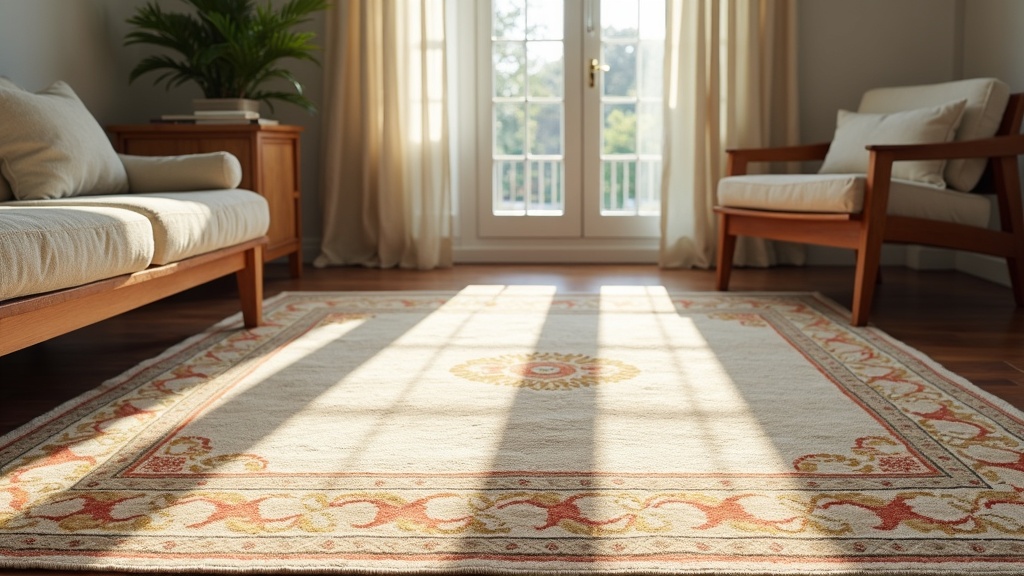
Most household area rugs benefit from professional cleaning roughly every 12 to 18 months, though a rug in a low-traffic guest room might go two to three years between visits while one under a dining table or in a pet-heavy household may need attention every 6 to 12 months. The right interval depends on foot traffic, fibre type, whether pets or children use the room, and how much soil and grit the rug is absorbing between vacuuming sessions. There is no single correct number — but there are clear signs that tell you when a rug is overdue.
Why the interval isn’t the same for every rug
Professional cleaning exists to remove what a home vacuum cannot reach: fine grit that has worked down into the foundation, oils and skin cells that dull the pile, and dissolved soiling that regular vacuuming just redistributes. A rug that only sees socked feet in a spare bedroom accumulates this slowly. A rug in an entryway, under a dining table, or shared with dogs and small children accumulates it fast, sometimes within months. Frequency guidance is really traffic guidance dressed up as a schedule.
Fibre matters too. Wool is naturally soil-resistant and forgiving of a longer interval between deep cleans, which is one reason it remains a common choice for busy rooms — see our comparison of wool and synthetic rug lifespans for more on how fibre affects durability. Flatweaves and jute or sisal rugs behave differently again; jute in particular is prone to water damage and general wear, which is discussed in our piece on jute rugs in living rooms. A hand-knotted silk rug is a different case entirely and is covered separately below.
General guidelines by situation
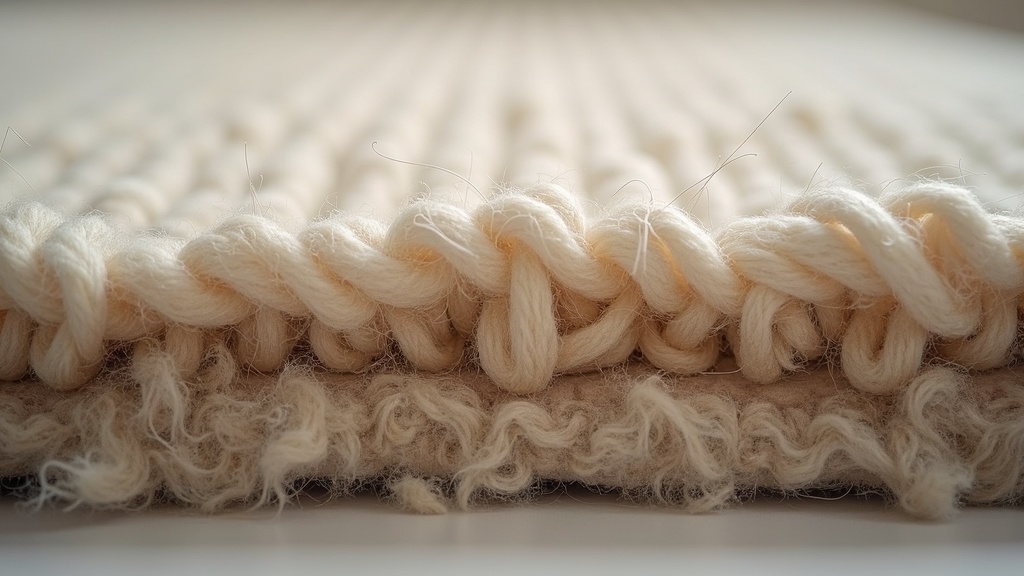
These are starting points, not rules. Use them alongside a visual and tactile check of the rug itself.
| Situation | Suggested interval | Why |
|---|---|---|
| Low-traffic room, no pets/kids | Every 2–3 years | Slow soil accumulation; vacuuming keeps surface grit manageable |
| Living room, moderate daily use | Every 12–18 months | Steady foot traffic and airborne dust settle into the pile |
| Households with pets or young children | Every 6–12 months | Dander, spills, and accidents introduce oils and odour-causing residue faster |
| Entryway, hallway, or high-traffic runner | Every 6–12 months | Grit acts like sandpaper on foundation yarns with repeated foot pressure |
| Rug in storage, rarely walked on | Before storage, then as needed | Cleaning before rolling prevents moth eggs, dirt, and odour setting into fibres |
These ranges assume regular vacuuming in between — ideally with a suction-only or low beater-bar setting near fringe, since beater-bar vacuums can shred fringe and pull loose pile out of hand-knotted rugs. Anyone weighing whether a rug pad is worth adding to reduce grit migration and slippage can read more in Do You Really Need a Rug Pad?, since a pad also reduces the abrasion that drives cleaning frequency up.
Signs a rug needs cleaning sooner than scheduled
- The pile looks matted or flattened even after vacuuming and a light fluffing by hand.
- There’s a persistent musty or “wet dog” smell, which usually means soiling has reached the foundation, not just the pile surface.
- Colours look dull or grey compared to the original, especially in traffic lanes.
- Anyone in the household has worsening allergy symptoms indoors — rugs trap dust, pollen, and dander that dry vacuuming only partially removes.
- You can see or feel grit when you bend the pile back near the base.
If odour is specifically tied to pet accidents rather than general soiling, professional cleaning may still be necessary even on a fresh schedule, because surface treatment alone often doesn’t reach urine that has soaked into the foundation. Our guide on removing pet stains and odour from a rug covers what can realistically be done at home versus what requires a specialist.
What professional cleaning does that home methods don’t
A qualified rug cleaner typically removes the rug from the room, dusts it thoroughly to knock out deep grit (often the single most damaging thing sitting in a rug), washes it in a controlled, fully rinsed and fully dried process, and grooms the pile before it’s returned. This is very different from carpet cleaning equipment run over a rug in place, which can leave moisture trapped against a hard floor or pad and lead to mildew, browning, or dye bleed. If someone has ever suggested renting a steam cleaner or carpet shampooer for an area rug, it’s worth reading Can You Steam Clean a Rug? When It Helps or Ruins It first — steam and saturation can shrink or buckle a hand-knotted foundation permanently, and that damage does not reverse.
Fibre-specific cautions worth knowing before you book anyone
Not all “professional cleaners” are equipped for all rug types, and this is where real damage happens. Wool rugs are vulnerable to hot water and high-pH detergents, which cause the fibre to felt, shrink, and yellow — a competent wool cleaner works cool and pH-neutral, as explained in How to Clean a Wool Rug Without Ruining It. Silk is damaged by water itself and by most standard detergents, so silk and silk-blend rugs should go only to a cleaner experienced with delicate fibres; background on why is in Silk Rugs: Beautiful, Fragile, and Often Misunderstood. Natural dyes, and some early synthetic dyes used in older pieces, can bleed or migrate when wet, which is exactly the kind of risk a general carpet-cleaning franchise may not be set up to assess. If a rug has moth damage or active insect activity, cleaning needs to happen alongside — not instead of — proper treatment, covered in Moth Damage in Wool Rugs: What Can Be Saved.
Always test any spot treatment on a hidden corner of the rug first — the underside of a corner or an edge tucked under furniture — before applying anything more broadly, and never combine cleaning chemicals such as bleach and ammonia-based products in an attempt to boost results; the fumes are hazardous and the combination doesn’t clean better, it just damages fibre and dye faster. If a rug is hand-knotted, antique, silk, or of uncertain construction, the safest and most cost-effective decision is usually to take it to a professional rug cleaner or textile conservator rather than experiment at home. Our rug care hub and the cleaning and stains archive both go deeper into safe at-home maintenance between professional visits.
Between professional cleans: what’s safe to do yourself
Regular vacuuming (suction mode, away from fringe) is the single biggest thing that extends the interval between professional cleans, because it removes surface grit before it works down to the foundation. For fresh spills, blotting immediately with a clean white cloth — never rubbing — limits how far a stain spreads and how much dye is disturbed. For wool, a small amount of cool water and a wool-safe, pH-neutral detergent applied to a cloth (not poured on the rug) can lift many fresh spots; for anything beyond a fresh, small spill, or for silk, viscose, or an antique piece, stop and call a professional rather than continuing to work the stain. Rotating a rug periodically also evens out wear and sun exposure, which is a separate maintenance habit worth pairing with cleaning — see How to Protect a Rug From Sun Fading.
When cleaning intersects with value
Owners of older or hand-knotted rugs sometimes wonder whether cleaning affects resale value or authenticity. Cleaning itself doesn’t change a rug’s origin or age, but done incorrectly it can cause wear, colour loss, or foundation damage that does affect condition — one of the factors an appraiser weighs alongside knot density, foundation material, dye characteristics, and wear pattern. If you’re trying to understand what a rug might be worth or whether damage is worth repairing, that’s a separate question from cleaning frequency, and it’s covered in What Determines the Value of an Antique Rug? and When Is a Damaged Rug Worth Repairing?. For anything with real monetary stakes, an in-person appraisal from a qualified appraiser is the only reliable way to know what you have — no online description, including this one, can substitute for that.
Frequently asked questions about professional rug cleaning frequency
How do I know if my rug needs cleaning or just vacuuming?
If the pile still looks even and there’s no odour or visible dulling, vacuuming is enough for now. Matted pile, greying colour in traffic areas, or a musty smell after vacuuming usually mean soil has reached the foundation and professional cleaning is due.
Is it bad to wait longer than 18 months between professional cleans?
Not necessarily — a low-traffic rug can safely go two to three years. The risk of waiting too long is mainly abrasive grit grinding down pile fibres over time, so the real guide is wear and visible soiling, not a fixed calendar date.
Can I just clean my rug myself instead of hiring someone?
For synthetic and some wool flatweaves, light home maintenance is reasonable, but hand-knotted, silk, antique, or uncertain-construction rugs risk permanent shrinkage, dye bleed, or felting if washed or saturated incorrectly at home, so professional cleaning is the safer route.
Does professional cleaning remove pet urine smell completely?
It often significantly reduces or eliminates it, especially if treated soon after the accident, but urine that has fully penetrated the foundation and dried over a long period can sometimes leave a faint residual odour even after professional treatment.
How much does professional rug cleaning typically cost?
Pricing varies enormously by size, fibre, and condition — a small synthetic rug might cost in the low tens of dollars while a large hand-knotted wool rug could run into the low hundreds; these are illustrative examples only and any real quote should come from a local professional who has seen the rug.
Rug Academy publishes general information about rugs and is not a dealer, appraiser, or cleaning service. Cleaning and repair methods depend entirely on fibre, dye and construction — test any treatment on a hidden corner first, and consult a professional rug cleaner or conservator before treating a hand-knotted, antique, silk, or valuable rug, as damage from cleaning is usually permanent. Any prices mentioned are illustrative examples only, and nothing here is an appraisal, an authentication, or a guarantee of a rug’s origin or value.