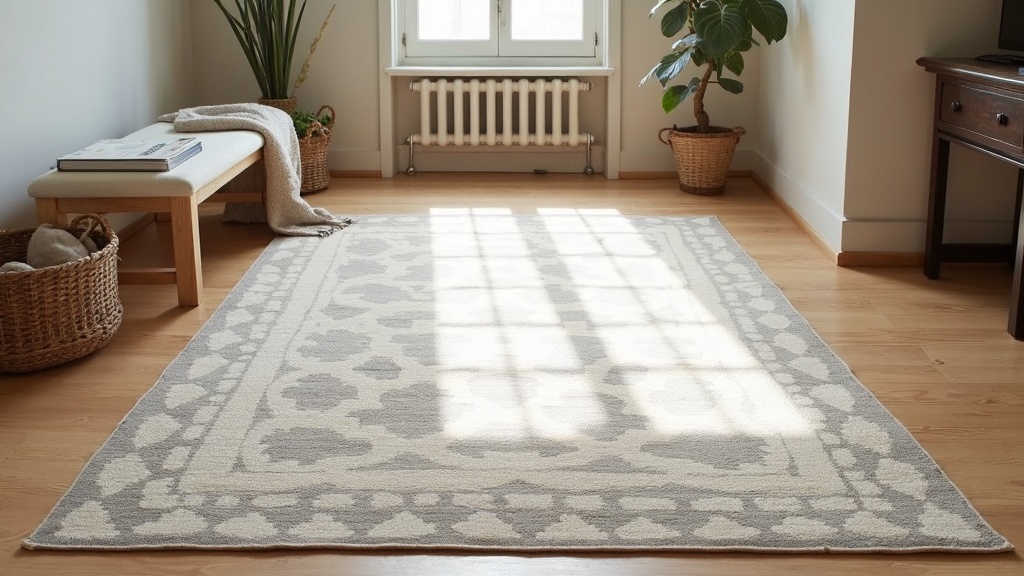
An antique-wash or distressed rug is, in almost every case, a new rug that has been mechanically or chemically treated to look old — faded, softened, or worn at the edges before it ever touches a floor. You’re buying a manufactured aesthetic, not necessarily an aged object, and the price should reflect that: construction and fibre still determine durability and value far more than the surface effect does. Whether that’s a perfectly reasonable purchase or a disappointing one depends entirely on what you think you’re getting.
What “Antique-Wash” and “Distressed” Actually Mean
Both terms describe finishing techniques applied after a rug is woven, not a style of weaving itself. “Antique-wash” typically refers to a chemical or dye-stripping process that mutes the original colours, giving them the soft, slightly chalky tone associated with a rug that’s been walked on and sun-faded for a century. “Distressed” usually goes further, adding mechanical abrasion — sanding, shearing, or localized bleaching — to mimic thin patches, foundation showthrough, or worn corners. Some pieces combine both: an overdyed base colour with a deliberately uneven, faded finish laid over a traditional medallion or geometric pattern.
None of this is inherently dishonest. Reputable retailers generally disclose that these are new, finished rugs. The trouble comes when a buyer assumes “looks antique” means “is antique,” or when a private seller — knowingly or not — lets that assumption stand.
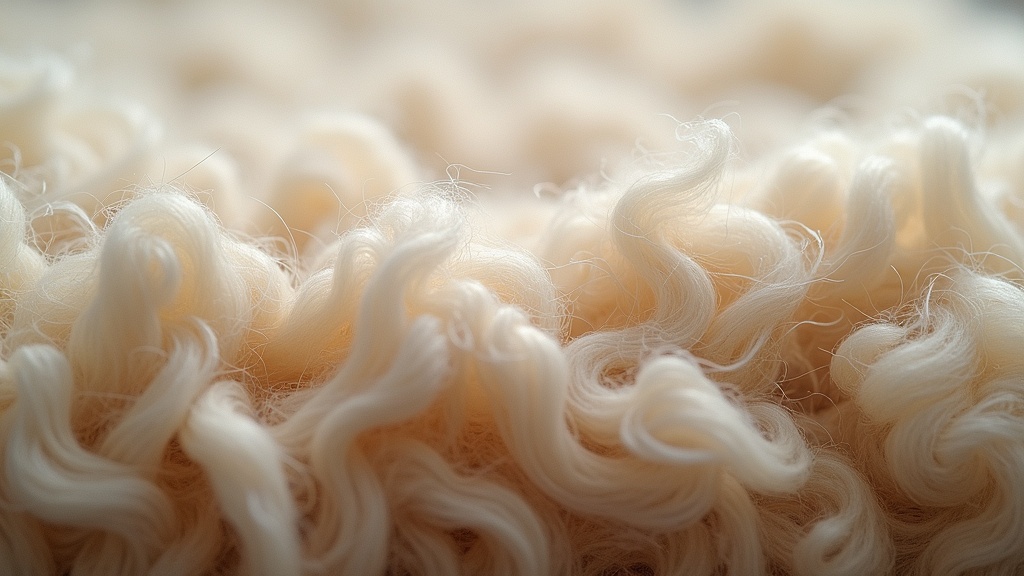
How the Look Is Achieved
There are a few common production routes, and they matter because they affect both durability and cleaning:
- Overdyeing — a finished rug, often an older machine-made or hand-knotted piece with a busy traditional pattern, is dipped in a strong single colour to mute the design underneath. This is the source of the popular teal, coral, or charcoal “overdyed vintage” look.
- Chemical washing — mild acid or enzyme washes strip some dye and soften the pile, similar in principle to stone-washing denim.
- Mechanical distressing — shearing the pile unevenly, sanding high spots, or hand-abrading corners and edges to simulate decades of foot traffic.
- Print and jacquard imitation — on the cheaper end, a flat-woven or tufted rug is simply printed with a faded, mottled pattern; there’s no physical distressing at all, just a printed illusion of one.
Understanding which method was used tells you a lot about what you’re buying. A genuinely overdyed hand-knotted rug is still a hand-knotted rug underneath, with all the durability that implies. A printed imitation on a synthetic backing is a different product entirely, closer to a patterned mat than a woven textile — worth reading up on general construction differences at Rug Academy’s rug craft hub before you shop.
New Rug vs. Genuinely Old Rug: What an Appraiser Actually Looks At
You cannot tell age from colour alone, and no one — including us — can tell you what a specific rug is, where it was made, or what it’s worth from a description or photo. What a qualified appraiser examines instead is physical evidence that manufacturing can’t easily fake:
- Knot type and structure — hand-knotted rugs show irregular knots on the back and a foundation of warp and weft visible between them; understanding this structure is covered in more depth at Warp, Weft and Pile: Rug Anatomy Explained.
- Foundation material and spin — hand-spun wool, cotton, or silk foundations age and wear differently than machine-spun synthetic backing.
- Dye behaviour — natural dyes fade unevenly and shift subtly with light exposure over decades; some early synthetic dyes and modern overdyes behave very differently under magnification and under a damp cloth test, a distinction explained at Natural vs Synthetic Dyes: How to Spot the Difference.
- Wear pattern — genuine age produces wear concentrated where feet, furniture, and light actually fall; artificial distressing is often more uniform or oddly placed, appearing at the edges regardless of a rug’s actual traffic pattern.
- Selvedge and fringe finishing — hand-finished fringe is usually an extension of the foundation warp; sewn-on fringe, glued edges, or a uniformly frayed look straight from the factory are common markers of a reproduction.
These are the same criteria that matter for any older rug, distressed or not — more detail on how they combine to affect worth is at What Determines the Value of an Antique Rug? If money is genuinely at stake — insurance, resale, inheritance — an in-person appraisal from a qualified appraiser is the only reliable answer. No article, including this one, can substitute for someone examining the actual object.
A Quick Comparison
| Feature | New antique-wash / distressed rug | Genuinely aged rug |
|---|---|---|
| Wear location | Often even, or concentrated at edges regardless of use | Concentrated where feet and sun actually reach |
| Colour behind pile base | Original saturated colour often visible at the root of the pile | Fading generally consistent through the pile depth |
| Fringe | Frequently sewn-on or uniformly frayed | Continuous with the foundation warp, irregular wear |
| Smell/feel | May carry chemical wash residue or unusually soft, processed hand | Varies with fibre and storage history |
Caring for a Distressed or Antique-Wash Rug
Cleaning risk depends on fibre and finishing chemistry, not on how the rug looks. This is the part worth getting right, because damage from cleaning is usually permanent.
If the rug is wool, hand-knotted or machine-made, spot-clean with cool water and a small amount of wool-safe, pH-neutral detergent, blotting rather than rubbing. Hot water and high-pH or alkaline cleaners can cause wool to felt, shrink, and yellow — this risk is not reduced by the rug being new. Never use chlorine bleach on wool; it breaks down the protein fibre. Never mix cleaning chemicals, and be cautious with ammonia-based glass or floor cleaners near any dyed textile — combining them with other household products can produce dangerous fumes for no cleaning benefit.
If the rug is viscose, rayon, or another cellulosic “art silk” fibre — common in cheaper distressed pieces sold for their sheen — treat it as extremely water-sensitive; these fibres crush, water-stain, and lose their lustre easily, a problem covered directly at Viscose Rugs: Why They Look Great and Age Badly.
Overdyed and antique-wash rugs specifically carry an extra risk: the wash process can leave dye less stable than in a conventionally dyed rug, meaning colours may bleed or migrate when the rug gets wet, even if it’s brand new. Always test any cleaning product on a hidden corner first and watch for colour transfer onto your cloth. Avoid saturating the rug or steam cleaning it — steam and prolonged wet cleaning can shrink or buckle a woven foundation, and the risks of that method specifically are laid out at Rug Academy’s rug care hub. If the piece is hand-knotted, silk, genuinely antique, or you’re simply unsure of its construction, the safer and more respectful choice is a professional rug cleaner or textile conservator rather than a home attempt.
What This Means for Price
Because “distressed” is a finish, not a construction method, price ranges vary enormously and shouldn’t be assumed from looks alone. As illustrative examples only: a machine-made, printed or tufted distressed-look rug in a common living-room size might sit in the low hundreds; a hand-knotted wool rug that has been overdyed or chemically washed, given the labour in the base weave, could run considerably higher; a genuinely antique piece with authentic wear, evaluated by an appraiser, could be worth many times either — or, depending on condition and demand, surprisingly little. None of these figures are current market rates, and none apply to any specific rug you might be looking at. Knot density and construction quality, not the wash effect, drive most of that spread — a subject worth reading before you compare listings side by side.
Frequently asked questions about antique-wash and distressed rugs
Is an antique-wash rug actually antique?
Almost never. “Antique-wash” describes a finishing treatment applied to a new rug to mimic aged colour and softness, not a claim about actual age. A genuinely old rug is identified by its knotting, foundation, and wear pattern, not its surface tone.
Can you wash an overdyed or distressed rug at home?
Only cautiously, and only after checking fibre and testing a hidden spot. Wool tolerates cool water and wool-safe detergent; viscose and silk are far more water-sensitive and often best left to a professional cleaner, especially since overdye colours can bleed.
Do distressed rugs hold their value?
Value tracks construction — knotting, fibre, foundation — more than the distressed finish itself. A well-made hand-knotted rug with an overdyed surface still carries the value of a well-made hand-knotted rug; a printed synthetic imitation generally doesn’t appreciate the way a genuine antique might.
Why do distressed rugs fade unevenly in odd places?
Manufactured distressing often abrades edges or high points uniformly, since it’s applied before the rug is ever walked on. Genuine age-related fading concentrates wherever sunlight and foot traffic actually occur, which is why real wear patterns rarely look perfectly symmetrical.
How do I know if my “vintage-look” rug is hand-knotted or machine-made?
Check the back: hand-knotted rugs show individual, slightly irregular knots and a visible foundation; machine-made rugs usually have a uniform woven or glued backing. If you’re still unsure, a professional appraiser or experienced rug dealer can confirm construction quickly by examining the piece directly.
Rug Academy publishes general information about rugs and is not a dealer, appraiser, or cleaning service. Cleaning and repair methods depend entirely on fibre, dye and construction — test any treatment on a hidden corner first, and consult a professional rug cleaner or conservator before treating a hand-knotted, antique, silk, or valuable rug, as damage from cleaning is usually permanent. Any prices mentioned are illustrative examples only, and nothing here is an appraisal, an authentication, or a guarantee of a rug’s origin or value.