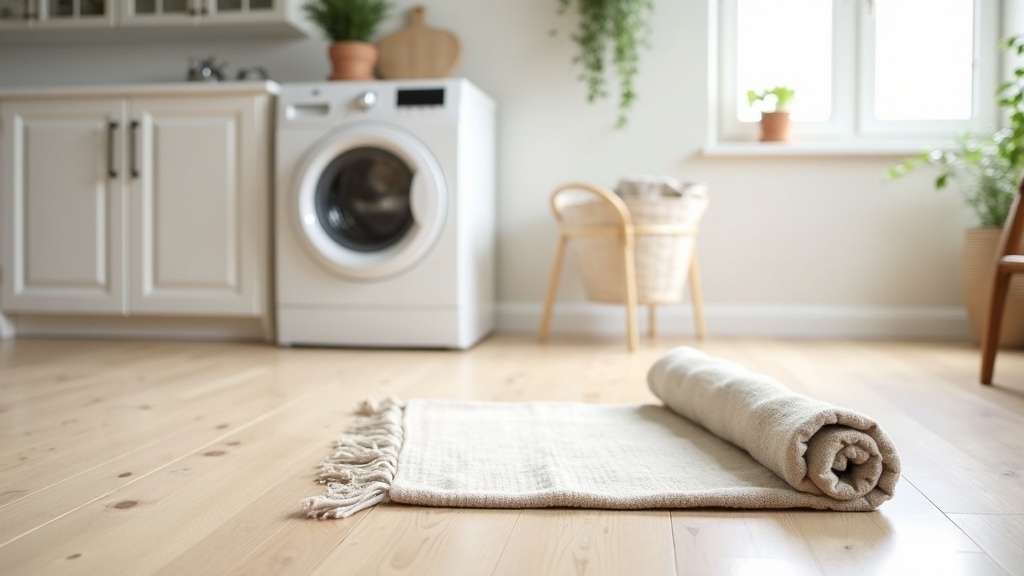
Yes, but only for a narrow category of rugs, and getting this wrong is usually a one-way mistake. Small, flat, synthetic or cotton rugs that are labelled “machine washable” — think cotton kitchen mats, some jute-look polypropylene runners, and thin accent rugs under roughly 3×5 feet — can often go through a gentle, cold cycle without harm. Hand-knotted rugs, wool pile rugs, silk rugs, antiques, and anything you can’t confidently identify should never go into a washing machine, because the agitation, water volume and heat can shrink or distort the woven foundation in ways that cannot be undone.
The honest answer to “can you wash a rug in a washing machine” depends entirely on how the rug was made, not on how dirty it is or how much you want a quick fix. This article walks through how to tell the difference, what actually happens inside a machine that makes it risky, and when the smarter move is a professional clean instead.
Which rugs can actually go in a washing machine
Machine washing works for rugs built the way a bath mat or cotton dhurrie is built: flat, low-pile, made from machine-spun cotton, polypropylene, or polyester, with no fringe, no latex or jute backing that could disintegrate, and small enough to fit loosely in the drum. Many retailers sell these explicitly as washable — the care label will say so in plain terms. If yours does, a cold, gentle cycle with a mild, low-sudsing detergent and no bleach is generally fine, followed by air-drying flat rather than machine drying, since heat can shrink cotton and warp synthetic backing.
This is a different animal from a hand-knotted or hand-tufted wool rug. If you’re unsure which category your rug falls into, our guide on how to tell whether a rug is handmade or machine-made walks through the visible clues — fringe construction, back-of-rug knot visibility, and edge finishing — that separate a washable production rug from a woven textile that needs gentler handling.
A quick fibre and construction reference
| Rug type | Machine wash? | Why |
|---|---|---|
| Small cotton kitchen/accent rug, labelled washable | Usually yes, cold/gentle cycle | Cotton is stable, low pile, no foundation to distort |
| Polypropylene or polyester flatweave | Often yes on care label instructions | Synthetic fibres are less water-reactive, but backings can crack under heat |
| Jute or sisal | No | Natural plant fibres weaken, shrink and can mildew when saturated |
| Wool pile, hand-knotted or hand-tufted | No | Hot water and agitation felt and shrink wool; foundation can buckle |
| Silk or silk-blend | No | Silk loses strength and lustre when wet; almost always needs a professional |
| Antique or unknown-origin rug | No | Dyes may not be colorfast; damage from a wrong guess is permanent |
For more on how jute specifically behaves indoors and where it holds up, see is a jute rug a good idea for a living room.
Why hand-knotted and wool rugs can’t go in a machine
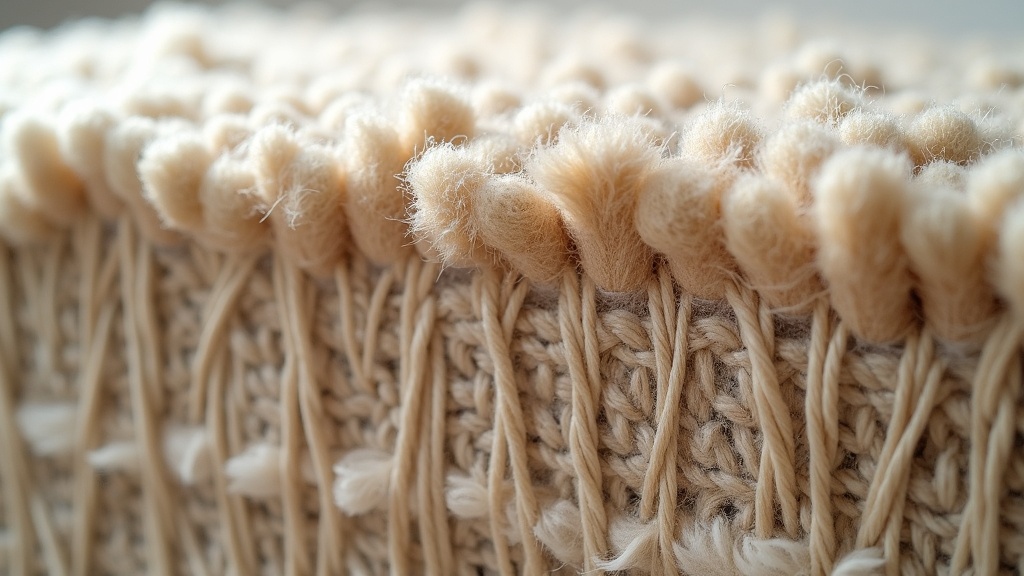
A hand-knotted rug is built on a woven cotton, wool, or silk foundation with thousands of individual knots holding the pile in place. Submerging that structure in a machine and spinning it does two damaging things at once: the mechanical agitation stresses and can loosen knots and foundation threads, and the combination of water, heat and detergent can felt wool fibres — causing them to shrink, mat together, and sometimes yellow. Once wool felts, it does not relax back to its original state. This is also why hot water and high-pH or alkaline cleaners are unsafe for wool generally, machine or not.
Silk rugs are even less forgiving. Silk loses tensile strength when wet and is damaged by most household detergents, which is why silk pieces are usually best left to a specialist rather than treated at home at all — our piece on silk rugs goes into why the fibre behaves so differently from wool and cotton. And natural dyes, along with some early synthetic dyes, can bleed and migrate when a rug is fully saturated — a risk a washing machine amplifies because the dye-laden water circulates repeatedly through the whole piece rather than staying local to one blotted spot.
None of this means these rugs can’t be washed at all — it means they need a controlled process: hand-washing flat with cool water and a wool-safe, pH-neutral detergent, thorough rinsing, and careful flat-drying, ideally done or supervised by a professional. If the rug is valuable, antique, or you’re not sure of its construction, that’s a genuine recommendation to bring in a professional rug cleaner or conservator, not a formality.
Testing and washing a machine-safe rug at home
- Check the manufacturer’s care label first. If it says “spot clean only” or “dry clean,” that overrides any general advice here.
- Vacuum the rug from both sides before washing to remove grit, using a vacuum without a beater bar if the rug has any fringe or loose weave — beater bars can fray edges, a topic covered in vacuuming a rug correctly.
- Test any detergent on a hidden corner or the underside first, and let it dry to check for colour change or texture change before treating the whole rug.
- Wash on a cold, gentle or delicate cycle with a small amount of mild detergent — never chlorine bleach, which breaks down both wool and silk fibres and can weaken cotton over repeated use, and never mixed with ammonia or other household chemicals, which can produce fumes and offer no cleaning benefit that a single product doesn’t already provide.
- Skip the dryer for anything with a backing, fringe, or rubber grip strip; air-dry flat, away from direct sun, to avoid shrinkage and fading.
If the rug is a synthetic blend rather than pure cotton, it’s worth understanding what that blend actually is before you wash it — see what a wool-blend rug is and whether it’s worth it for how blended fibres behave differently from either pure wool or pure synthetic construction.
What to do instead of a machine for everything else
For rugs that fall outside the washable category, the safer paths are spot-cleaning known stains with fibre-appropriate methods, routine vacuuming and rotation to even out wear, and periodic professional cleaning. Professional rug washing — done by hand or in specialist immersion equipment designed for textiles, not household appliances — controls water temperature, pH, and drying far more precisely than a home machine or steam cleaner can. If you’ve wondered whether a handheld steamer is a safer shortcut, it generally isn’t for pile rugs; the risks are laid out in can you steam clean a rug. For guidance on how often a hand-knotted or wool rug actually needs that level of attention, see how often should you professionally clean a rug, and browse the full rug care hub for cleaning, repair and storage topics organized by task.
A professional cleaning for a mid-size wool area rug might run from roughly fifty to a few hundred dollars depending on size, condition and region — an illustrative range only, since actual pricing depends on the cleaner, the rug’s condition, and local market rates. Broader background on materials and how they’re constructed is in the rug buying guides hub, and the cleaning and stains archive collects fibre-specific stain guidance if you’re dealing with a specific spill rather than a full wash.
Frequently asked questions about washing a rug in a machine
Can I put my area rug in the washing machine?
Only if it’s small, flat, made of cotton or synthetic fibre, and labelled machine washable by the manufacturer. Hand-knotted, wool pile, silk, or any rug of uncertain construction should not go in a machine — the risk of permanent shrinkage or distortion is real and not reversible.
Will a wool rug shrink in the washing machine?
Very likely, yes. Wool fibres felt and shrink when exposed to hot water, agitation, and alkaline detergents, all of which a standard washing machine cycle provides. Wool rugs, especially hand-knotted ones, should be hand-washed carefully or cleaned by a professional instead.
Is it safe to machine wash a jute or sisal rug?
No. Jute and sisal are natural plant fibres that weaken, shrink, and can develop mildew or odor when fully saturated with water. These fibres are best spot-cleaned and kept away from standing water entirely; a full wash cycle is not appropriate for them.
How do I wash a small washable rug at home?
Vacuum both sides first, test detergent on a hidden spot, then run a cold, gentle cycle with a mild, low-sudsing detergent and no bleach. Air-dry the rug flat rather than using a dryer, since heat can shrink cotton and warp any rubber or latex backing.
Can I put a rug in the dryer after washing it?
Generally, no, if the rug has a rubber, latex, or fabric backing, fringe, or any wool content — dryer heat can crack backings, shrink fibres, and warp the shape. Air-drying flat, away from direct sun, is the safer option for almost every washable rug type.
Rug Academy publishes general information about rugs and is not a dealer, appraiser, or cleaning service. Cleaning and repair methods depend entirely on fibre, dye and construction — test any treatment on a hidden corner first, and consult a professional rug cleaner or conservator before treating a hand-knotted, antique, silk, or valuable rug, as damage from cleaning is usually permanent. Any prices mentioned are illustrative examples only, and nothing here is an appraisal, an authentication, or a guarantee of a rug’s origin or value.