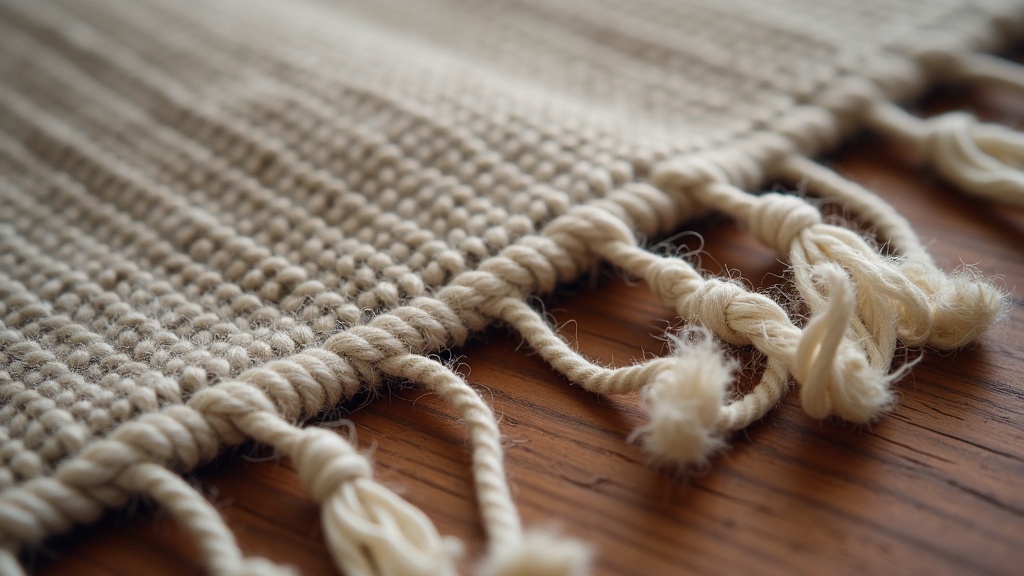
A curling or damaged selvedge is fixed by re-wrapping the exposed edge cords with matching yarn to stop further unraveling, and, if the underlying warp threads are cut or missing, by having a professional rebuild that section before it spreads into the pile. Simple curling from age or foot traffic can often be corrected at home with basic hand-sewing; frayed, broken, or missing selvedge on a hand-knotted or valuable rug is a job for a repair specialist, because the fix touches the rug’s structural edge.
What the selvedge actually does
The selvedge is the finished edge that runs along the two long sides of a rug, as distinct from the fringe at each end. On a hand-knotted piece it’s usually formed by wrapping extra weft or a dedicated yarn around one or more outer warp threads, binding the edge so the knots can’t slip off sideways. Machine-made rugs fake this with a stitched or serged overlock edge glued or sewn on afterward. Understanding which kind you have matters enormously before you touch it, because a hand-wrapped selvedge and a machine overlock fail in different ways and need different repairs. If you’re unsure how your rug is put together, the anatomy of warp, weft, and pile is worth reviewing first, since selvedge damage almost always traces back to what’s happening at those outer warp threads.
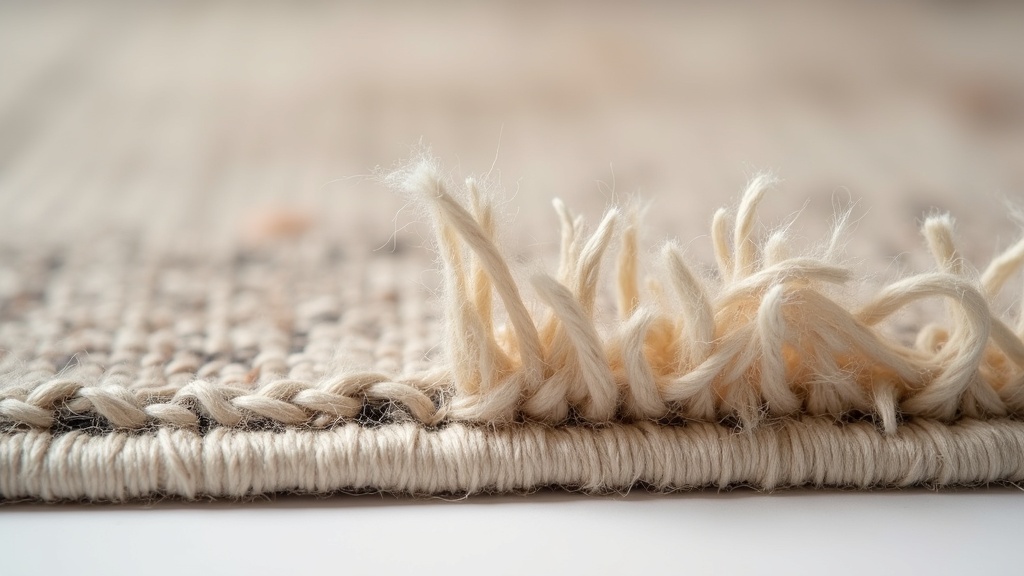
Why selvedges curl or unravel in the first place
Curling along the edge and outright selvedge damage usually come from different causes, though they often show up together.
- Uneven drying or humidity. A rug that dried unevenly after cleaning, or that sits in a room with fluctuating humidity, can cup or curl along its edges as the foundation fibres expand and contract at different rates.
- Foot traffic and furniture. Edges get stepped on, snagged by vacuum wheels, or dragged under furniture legs far more than the centre of the rug, so the wrapping yarn wears through long before the field does.
- Age and dry rot. Cotton or wool wrapping yarn that’s decades old can simply become brittle and shed, especially if the rug spent years folded or under a heavy piece of furniture.
- Pets and beater-bar vacuums. Chewing, scratching, and aggressive vacuuming are common culprits — a beater-bar head can catch and rip a loose selvedge in seconds, which is one reason correct vacuuming technique matters along edges and fringe.
- Poor storage. Rugs rolled the wrong way, stored folded, or left flat under a curling weight for long periods can develop a set that looks like edge damage but is really just a memory in the fibre.
Curling that isn’t tied to actual fibre breakage is a different problem from damage, and it’s covered in more detail in a dedicated piece on stopping a rug from curling at the corners, including flattening methods that don’t involve any sewing at all.
Assessing what you’re actually dealing with
Before reaching for a needle, look closely at the edge in good light, ideally with a magnifier.
- Wrapping only. If the outer warp cord is still intact and just the wrapping yarn has worn away or loosened, this is the easiest case — the structure is sound, only the covering is gone.
- Warp exposed but unbroken. If you can see the bare cord itself, undamaged but no longer covered, this needs re-wrapping soon, before the cord itself starts to fray from exposure.
- Warp cut or missing. If the cord is severed or entire sections are gone and the first row of knots is starting to loosen, the rug needs its edge rebuilt, not just re-covered. This is structural repair, not a wrapping job.
Case three is where DIY should stop. Rebuilding a selvedge involves replacing warp material and re-securing the outermost knots, which is closely related to the kind of structural work described in reweaving versus patching — it takes the same judgment about matching yarn weight, twist, and colour, and a poorly rebuilt edge can pull the whole rug out of square.
Re-wrapping a worn selvedge yourself
If the damage is limited to worn wrapping yarn over an intact cord, and your rug is a sturdy wool flatweave or a machine-made piece with a simple stitched edge, a careful hand-repair is reasonable to attempt.
- Use wool yarn close in weight and colour to the original wrapping, or waxed linen thread for a durable, low-stretch repair on a plainer rug. Avoid synthetic yarns that won’t take dye or age the same way as the surrounding wool.
- Work with the rug flat and un-tensioned. Starting a few rows before the damaged section, wrap the yarn firmly and evenly around the cord, matching the original wrap direction and density so the repair doesn’t stand out as a ridge or a gap.
- Secure both ends by weaving the tail back through several wraps rather than knotting on the surface, where a knot will catch on shoes and pull loose again.
- Never glue a selvedge. Fabric or contact adhesives stiffen the edge, attract soil, and are extremely difficult for a conservator to remove later if a proper repair becomes necessary — it’s a fix that actively makes future repair harder.
This kind of edge maintenance sits alongside re-securing a loose fringe, and the two are often tackled in the same sitting; see fixing frayed rug fringe for the equivalent technique at the ends of the rug.
Where DIY repair should stop
Set the needle down and call a professional if any of the following apply:
- The rug is hand-knotted, antique, silk, or of uncertain age and origin — the value of these pieces rests partly on original materials and finishing, and an amateur re-wrap can be visible and permanent in a way that affects both appearance and, potentially, appraised value.
- Warp cords are cut or missing, or knots along the edge are visibly loosening — this needs rebuilding, not just re-covering.
- You can’t confidently identify the fibre. Wool tolerates careful hand-sewing well; silk foundations are far more delicate and can be damaged by ordinary sewing tension.
- The curling is severe enough that you suspect the foundation itself has shrunk unevenly, which points toward a structural problem covered in rug buckling and rippling rather than a simple edge repair.
A qualified rug repair studio can match wrapping yarn dye lot, rebuild missing warp with the correct cord thickness, and re-secure loosened knots without introducing new stress on the weave — work that’s genuinely difficult to reverse if done wrong, which is why professional restoration for anything valuable is worth the cost of a consultation. For general context on how any repair, done well or badly, tends to affect what a rug is worth, see how wear and repairs affect a rug’s value.
Cleaning around a damaged selvedge
A rug with a curling or partially unraveled edge should not be soaked, steam-cleaned, or run through a washing machine — moisture works into the exposed warp cord and accelerates rot, and agitation can finish tearing a weakened edge. For wool rugs with sound selvedges elsewhere, spot cleaning with cool water and a wool-safe detergent is fine away from the damaged section; keep the damaged area dry until it’s been repaired. Never use chlorine bleach on wool or silk, and don’t mix cleaning products — combining bleach and ammonia-based cleaners produces toxic fumes, and even non-toxic combinations can react unpredictably on dye. Always test any product on a hidden corner first, and if the rug is hand-knotted, antique, or you’re unsure of its fibre, treat it as a job for a professional rug cleaner rather than a home project. Broader guidance on cleaning frequency and safe products lives in the rug care hub and the repair and restoration archive.
Frequently asked questions about fixing a curling or damaged rug selvedge
Why does my rug’s edge keep curling up even after I flatten it?
Persistent curling usually means the foundation fibres have a “set” from long-term rolling, folding, or uneven drying, or that the wrapping yarn has worn thin along that edge. Weighting the edge flat for a few days or re-wrapping worn sections often resolves it; ongoing curling with no obvious cause is worth a professional look.
Can I sew a rug selvedge myself or should I hire someone?
Re-wrapping worn yarn over an intact cord is a reasonable DIY job with matching wool or waxed linen thread. If warp cords are cut, missing, or knots are loosening, that’s structural rebuilding and belongs with a professional repairer.
What thread or yarn should I use to repair a rug edge?
Match the weight, twist, and colour of the original wrapping as closely as possible — usually wool yarn on hand-knotted rugs, or a durable cotton or linen thread on flatweaves. Avoid slick synthetic thread that won’t hold a firm wrap or take dye evenly over time.
Does a repaired selvedge lower a rug’s value?
A visible, mismatched, or glued repair can affect both appearance and appraised value, while a skilled, discreet reweave typically has far less impact. If the rug has any age or resale significance, get an in-person appraisal rather than guessing at the effect of a repair.
Is selvedge damage the same as fringe damage?
No — the selvedge runs along the two long sides and secures the knots sideways, while fringe is the warp extension at each end. They fail for similar reasons but are repaired with different techniques, and a rug can have one problem without the other.
Rug Academy publishes general information about rugs and is not a dealer, appraiser, or cleaning service. Cleaning and repair methods depend entirely on fibre, dye and construction — test any treatment on a hidden corner first, and consult a professional rug cleaner or conservator before treating a hand-knotted, antique, silk, or valuable rug, as damage from cleaning is usually permanent. Any prices mentioned are illustrative examples only, and nothing here is an appraisal, an authentication, or a guarantee of a rug’s origin or value.