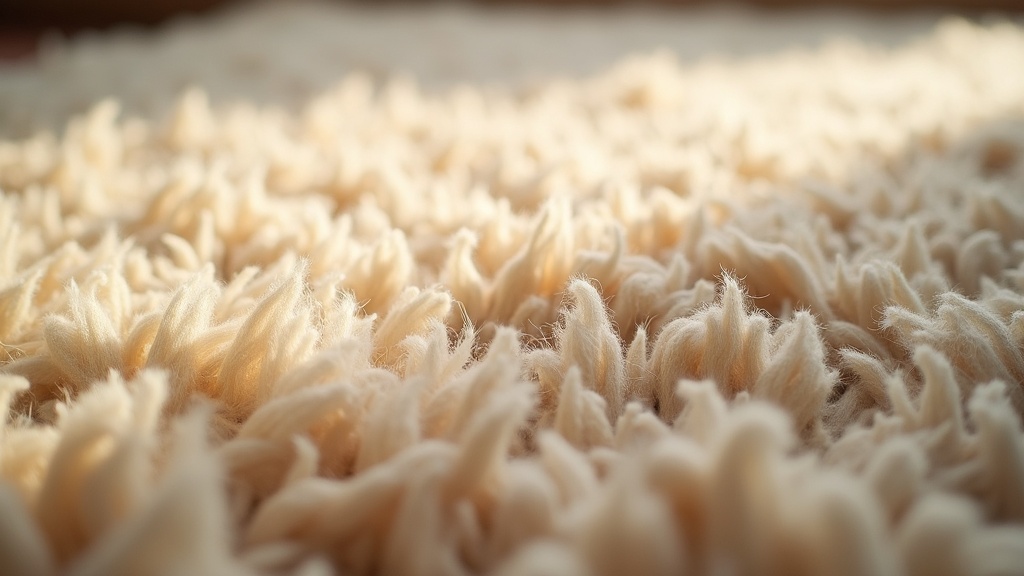
A chemically washed or painted rug usually gives itself away through a mismatch: colour that looks too even for the wear underneath, a fringe that’s a different shade than the pile, a chemical or bleach-like smell, and dye that bleeds onto a damp white cloth in patterns that don’t follow natural fading. None of these signs alone is proof, but together they’re a strong reason to ask more questions before you buy, or to get a professional opinion on a rug you already own.
Why rugs get washed or painted in the first place
Not every chemical treatment is deceptive. A “wash” is a normal, sometimes beneficial step in a rug’s life — it can remove decades of grime, even out lustre, or produce the deliberately faded, soft-toned look sold as “vintage” or “antique-wash,” which we cover in detail in our guide to antique-wash and distressed rugs. The problem isn’t washing itself; it’s washing or painting used to disguise condition problems — hiding moth damage, evening out a poor repair, masking a colour run, or manufacturing artificial age on a newer piece to make it look older and more valuable than it is. Painting, sometimes called “dye touch-up” or “colour correction,” involves applying pigment directly onto the pile or foundation rather than dyeing the yarn before weaving.
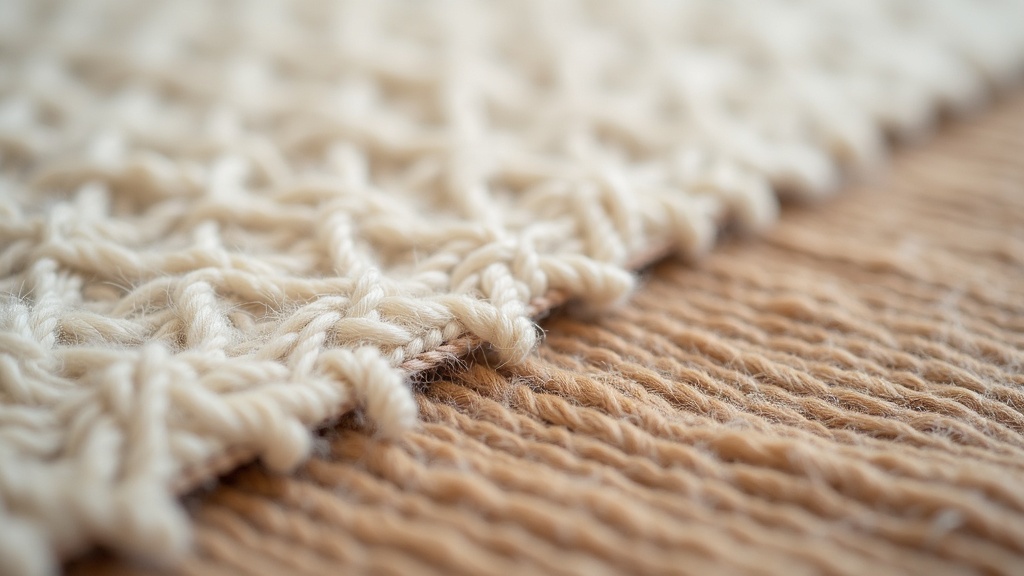
Signs of chemical washing to look for
- Uniform, flat colour with no depth. Hand-knotted wool woven from naturally dyed or well-dyed yarn tends to show subtle striation (“abrash”) and gentle tonal shift with age and light exposure. A rug that’s been heavily bleached or overdyed to mute or “antique” its colours can look strangely even, almost chalky, across the whole field.
- A dry, brittle, or straw-like handle. Wool that has been washed with harsh alkaline chemicals or bleaching agents loses its natural lanolin and elasticity. Instead of a springy, slightly oily feel, the pile feels stiff, and individual tufts may snap rather than bend.
- A chemical or sour smell that lingers well after airing, as opposed to the musty smell of old storage, which is a different issue covered in this piece on musty rug smells.
- Excessive sheen that looks glossy rather than lustrous. Some finishing washes are designed to add shine, which can look attractive in a showroom but is sometimes used to mask a duller, lower-quality wool or a synthetic blend underneath.
- Colour that doesn’t match wear. If the centre and edges of the rug show identical, unfaded colour but the pile height clearly shows heavier wear in a walking path, something has evened out a colour difference that should exist naturally.
Signs of painting or dye touch-up
- Colour that sits on top of the fibre rather than inside it. Dyed yarn is coloured all the way through each strand before weaving; painted repairs coat the surface. Bend a tuft of pile back gently and look at the base of the fibres near the foundation — if the colour is markedly lighter or absent where the paint didn’t reach, that’s a strong sign of surface application.
- A fringe that doesn’t match the field. Fringe is usually the exposed, unwoven ends of the warp threads, so it should share the same base fibre colour as the foundation inside the rug. A fringe that’s been bleached bright white or painted to match a “restored” look, while the visible warp inside the pile is a different shade, is a common shortcut.
- Stiff or crusty patches on the back of the rug, particularly around a repaired area, which can indicate paint or dye was used to blend a patch, reweave, or moth-damaged section into the surrounding field. If you’re assessing a repair, our overview of how wear and repairs affect a rug’s value explains what buyers and appraisers weigh here.
- Colour transfer that looks unnaturally sharp-edged under magnification, rather than the soft, slightly irregular migration you’d expect from a dye that bled naturally during an old wash or a spill.
The white cloth test — done safely
The standard way to check for unstable or surface-applied dye is the damp white cloth test, and it can be done at home with care. Dampen a clean white cotton cloth with cool water only — no detergent, no vinegar, no ammonia — and press it gently against a small, inconspicuous area of pile for a few seconds. Lift it and look for colour transfer. Repeat on a couple of different colours in the rug. Heavy, immediate colour transfer suggests dye that hasn’t been properly fixed, which is common in both cheap synthetic dyeing and in some painted repairs; light, gradual transfer over many minutes is less unusual and doesn’t necessarily indicate a problem. For more on how to read colour behaviour generally, see natural vs synthetic dyes: how to spot the difference.
Two safety notes matter here. First, always test on a hidden corner or the underside of the fringe, never a visible area, in case the moisture itself causes any bleeding. Second, use cool water only and nothing else — never combine cleaning agents, and never reach for household bleach or ammonia to “check” a colour, since chlorine bleach will damage wool and silk on contact and mixing chemicals can produce dangerous fumes. If the rug is hand-knotted, antique, silk, or you’re not sure of the construction, it’s worth having a professional rug cleaner or conservator do this kind of assessment instead, both for the rug’s safety and because they can interpret what they see more reliably than a home test can.
What this means for buying and value
Evidence of chemical washing or painting doesn’t automatically mean a rug is worthless or fraudulent — plenty of legitimately sold “washed” and “distressed” rugs are marketed honestly as such, and a light wash is a normal part of cleaning and restoration. What it does mean is that you can’t take the rug’s apparent age, condition, or colour at face value, and you should factor that into what you’re willing to pay. An appraiser assessing authenticity and value looks at a combination of things beyond colour: knot type and density on the back of the rug, the foundation material (wool, cotton, or silk warp and weft), the character of the dyes under magnification, the wear pattern relative to the reported age, and the finishing of the selvedge and fringe. Any one of these in isolation can be misleading, which is why genuine appraisal work looks at the whole picture rather than a single test. If you’re weighing a significant purchase or want to understand a rug you’ve inherited, an in-person appraisal by a qualified appraiser is the only reliable way to settle questions of origin, age, and value — our guide on getting a rug appraised: what to expect walks through how that process actually works. Broader background on how construction and craft affect all of this lives in our rug craft hub, and general upkeep guidance, including when a rug genuinely needs cleaning versus when it’s being oversold as “restored,” is in our rug care hub and the value and authentication archive.
Frequently asked questions about chemically washed and painted rugs
How can I tell if a rug has been chemically washed?
Look for an unusually even, flat colour with little natural variation, a dry or brittle feel to the wool, a lingering chemical smell, and a glossy rather than naturally lustrous sheen. None of these alone is conclusive, but two or three together are worth investigating further with a professional.
Is a chemically washed rug worth less?
It depends entirely on why it was washed and what it’s being sold as. A rug openly sold as antique-washed or distressed for style isn’t automatically devalued, but a rug where washing was used to hide damage or fake age typically is, which is a judgment best made through an in-person appraisal.
What does a painted rug fringe look like?
A painted fringe often looks bright white or uniformly toned compared to the warp threads visible inside the pile, sometimes with a slightly stiff or coated texture, and may show colour flaking or unevenness at the very tips where the paint was applied by hand.
Can I test for dye bleeding at home safely?
Yes, using a clean white cotton cloth dampened with cool water only, pressed gently on a hidden corner of the pile. Avoid detergents, vinegar, or ammonia for this test, and consult a professional rug cleaner before doing anything beyond this simple check on a valuable or antique rug.
Does chemical washing damage a wool or silk rug?
It can. Harsh alkaline washes or bleaching agents strip wool’s natural lanolin, leaving it brittle and prone to yellowing, while silk is especially vulnerable to water and most cleaning chemicals. This is why washing and dye correction on valuable rugs is generally left to specialists rather than done at home.
Rug Academy publishes general information about rugs and is not a dealer, appraiser, or cleaning service. Cleaning and repair methods depend entirely on fibre, dye and construction — test any treatment on a hidden corner first, and consult a professional rug cleaner or conservator before treating a hand-knotted, antique, silk, or valuable rug, as damage from cleaning is usually permanent. Any prices mentioned are illustrative examples only, and nothing here is an appraisal, an authentication, or a guarantee of a rug’s origin or value.