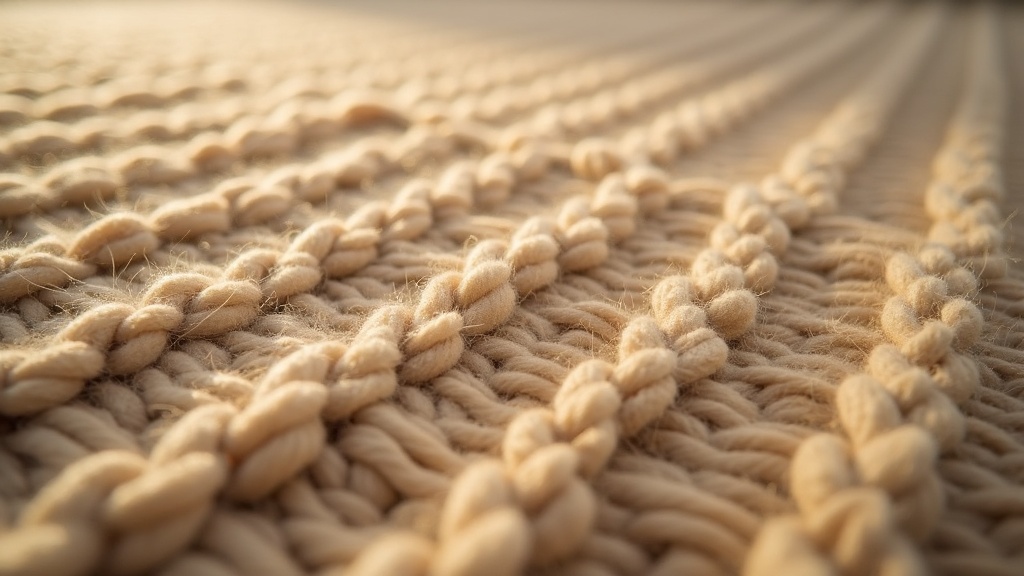
Knot density is the number of individual knots packed into a square inch (or square decimeter) of a hand-knotted rug’s foundation, and it does matter — but mostly for two things: how much pattern detail the weaver could render, and how the rug tends to wear over decades. It is not, by itself, a reliable stand-in for age, origin, or dollar value, and a rug with a lower knot count is not automatically inferior.
What Knot Density Actually Measures
Every hand-knotted rug is built by tying individual knots around pairs of warp threads, row after row, then trimming the pile to a level surface. Knot density is simply how tightly those knots are packed. A coarse tribal rug might have 40 to 80 knots per square inch; a fine city workshop piece can run into the hundreds, and exceptional silk pieces occasionally exceed a thousand. More knots per square inch means finer warp and weft, thinner yarn, and more opportunities for the weaver to shift color and shape a curve instead of a blocky zigzag.
This is why knot density correlates so strongly with how much detail a design can hold. A dense weave can render a curling vine or a small floral motif with real fidelity. A coarse weave renders the same idea as an angular abstraction — which is not a flaw, just a different visual language, and often the deliberate style of tribal and village weaving rather than a limitation the weaver was fighting against.
How Knot Density Is Counted
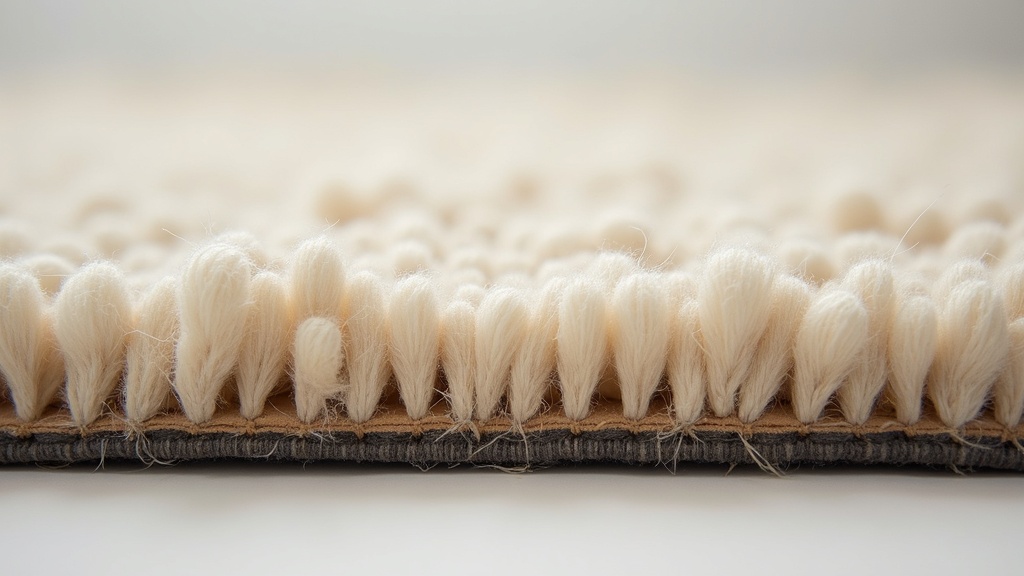
Appraisers and experienced dealers usually count knots along a fixed length on the back of the rug — say, one horizontal inch and one vertical inch — then multiply to get knots per square inch. Doing this accurately takes practice, because you need to distinguish a single knot from the loops of warp and weft around it, and turned or asymmetric (Persian) knots look different on the back than symmetric (Turkish) ones. This is one of the details covered on the site’s rug craft hub, which goes into the mechanics of knotting and weaving in more depth than a single article can.
If you want to try it yourself, flip the rug over, find an area with the most even weave, and count the knots in a one-inch strip both ways with a ruler and a magnifying glass or phone camera zoomed in. It’s slow and a little tedious the first few times, but it’s the only way to get a real number instead of a guess.
Does More Knots Always Mean Better?
No — and this is where a lot of buyers get steered wrong. Higher knot density generally means:
- Finer detail and smoother curves in the pattern
- A denser, often thinner pile that can feel firmer underfoot
- More labor hours, which is one input into price but not the only one
It does not automatically mean:
- Better wool or dye quality — a densely knotted rug in poor wool can still shed or dull faster than a coarser rug in excellent wool
- Older or more “authentic” — some contemporary workshop rugs are knotted extremely fine specifically because fine count sells
- Higher resale value — regional reputation, condition, dye quality, and design desirability all weigh in alongside knot count
Durability is a genuine, defensible reason knot density matters: a tightly knotted foundation resists the pile crushing and the structure loosening under years of foot traffic, all else being equal. But “all else being equal” is doing a lot of work in that sentence — a coarse, sturdy tribal rug in good wool can easily outlast a fine but thin, poorly finished piece.
What Knot Density Tells an Appraiser — and What It Doesn’t
When someone qualified to authenticate a rug examines it, knot density is one data point among several: knot type and structure, the foundation material (cotton, wool, or silk), dye characteristics under magnification or light exposure, wear pattern on the pile, and how the selvedge and fringe are finished. Together these help distinguish a hand-knotted rug from a machine-made or hand-tufted one, and they help narrow down a weaving tradition — but no single measurement, including knot count, tells you what a rug is, where it was made, or what it’s worth on its own. That kind of read requires seeing the piece in person.
If you’re trying to work out whether a rug is even hand-knotted in the first place — a separate but related question from density — the site’s comparison of construction types is a useful starting point, covered in how to tell if a rug is handmade or machine-made and, for a specific and commonly confused pair, hand-knotted vs hand-tufted rugs. Knot density as a concept only really applies to true hand-knotted construction; tufted rugs are made by punching yarn through a backing with a tufting gun and have no knots to count at all.
If real money is involved — buying, insuring, or selling a rug you believe is old or valuable — the only reliable path is an in-person appraisal from a qualified appraiser who can examine the knot structure, materials, and wear directly. Photographs and online descriptions, including anything in this article, are not a substitute for that. More on the criteria involved lives in the value and authentication archive.
How to Estimate Knot Density Without Formal Tools
You don’t need a lab to get a useful sense of a rug’s fineness:
- Flip the rug over and look at the back. Tighter, smaller stitches packed close together indicate a finer, denser weave.
- Bend the rug gently along a fold. Finer weaves tend to fold more flexibly; very coarse ones can feel stiffer.
- Look at curved motifs in the pattern from the front. Smooth, rounded curves usually indicate higher density; jagged, stepped curves usually indicate a coarser count.
- Compare pile height. Finer-knotted rugs are often (not always) clipped to a shorter, denser pile than coarse tribal weaves.
None of this replaces an actual knot count, but it will get you close enough to have an informed conversation with a seller or appraiser.
Knot Density Across Regions and Styles
Knot density varies enormously by weaving tradition, and low density is often a matter of regional style rather than lesser skill. Nomadic and village weavings — many Persian tribal rugs, for instance — are traditionally coarser and bolder, prizing geometric strength over fine detail, while urban workshop production in cities historically known for fine weaving tends toward much higher counts. If you’re trying to get oriented in this landscape, a beginner’s guide to Persian rug regions and the broader distinction laid out in Persian vs Oriental rugs are both useful starting points before you start comparing knot counts across pieces that were never meant to be compared on that axis.
Price follows some of this, loosely. As an illustrative example only — not a market rate — a coarser, hand-knotted wool tribal rug in a common size might sit at a noticeably lower price point than a finely knotted city workshop piece of comparable size and wool quality, simply because of the labor hours involved. But design, wool grade, dye quality, age, and condition all move that number too, sometimes more than knot count does. For a broader look at how construction choices shape what you’re paying for, the rug buying guides hub and materials and construction archive cover the other variables worth weighing alongside density.
Whatever density a rug turns out to have, protecting it is a separate topic from evaluating it — rotation, padding, and safe cleaning practices all matter more day to day than the knot count, and the site’s rug care hub covers those in detail.
Frequently asked questions about knot density
Is higher knot count always more valuable?
Not necessarily. Knot count affects labor and detail but value also depends on wool or silk quality, dye type, design, condition, age, and regional reputation — a coarser rug in excellent materials can be worth more than a finer one in poor condition.
How do I count knots per square inch myself?
Flip the rug over, mark a one-inch strip horizontally and vertically with a ruler, and count the individual knots in each strip using a magnifying glass, then multiply the two numbers together for knots per square inch.
Does knot density prove a rug is hand-knotted?
Knot density only applies to genuine hand-knotted construction, so counting a plausible knot structure on the back is one clue toward hand-knotted, but machine-made and hand-tufted rugs can mimic the look from the front, so checking the back structure matters more than the density number alone.
What’s a “good” knot density for a wool rug?
There’s no universal threshold — tribal and village wool rugs are often intentionally coarse for durability and bold pattern, while finer city-workshop rugs run much higher. “Good” depends on the style and intended use, not a single benchmark number.
Can knot density tell me how old a rug is?
No. Knot density reflects weaving tradition and workshop practice, not age — both antique and brand-new rugs can be coarse or fine. Dating a rug reliably requires an in-person examination by a qualified appraiser looking at multiple factors together.
Rug Academy publishes general information about rugs and is not a dealer, appraiser, or cleaning service. Cleaning and repair methods depend entirely on fibre, dye and construction — test any treatment on a hidden corner first, and consult a professional rug cleaner or conservator before treating a hand-knotted, antique, silk, or valuable rug, as damage from cleaning is usually permanent. Any prices mentioned are illustrative examples only, and nothing here is an appraisal, an authentication, or a guarantee of a rug’s origin or value.