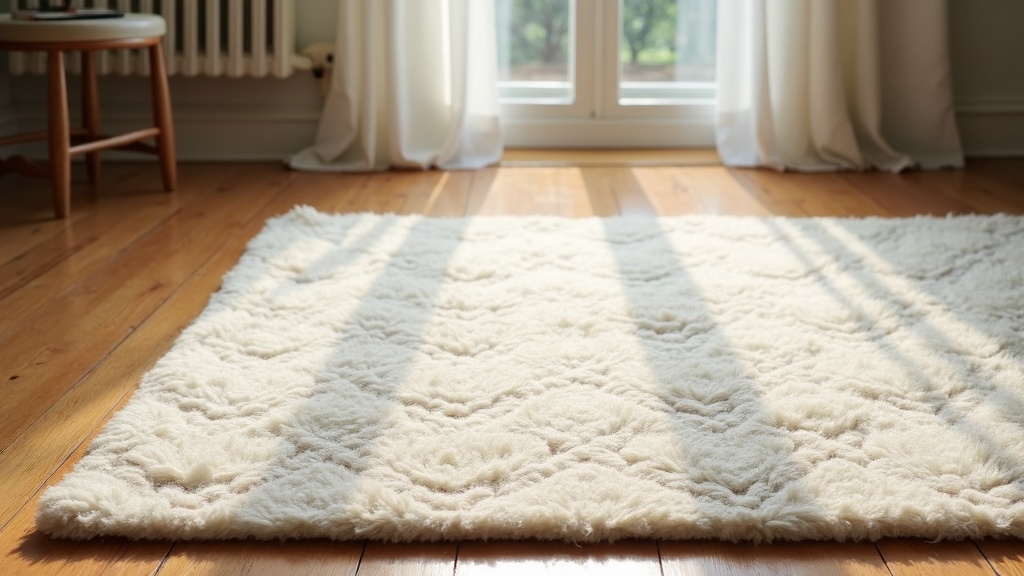
Rug corners curl because the backing or foundation has been rolled tightly for storage or shipping, and the fibers “remember” that shape. The fastest fixes are reverse-rolling the rug, weighting the corners flat for a few days, or using a non-slip rug pad that holds the edges down against the floor. In stubborn cases, a light, fiber-appropriate steam application can help relax the curl, but this depends heavily on what the rug is made of, so it’s worth reading the cautions below before you reach for an iron or a spray bottle.
Why rug corners curl in the first place
Most curling is simply mechanical memory. Rugs are shipped and stored rolled up, sometimes for months, and the fibers at the corners have been bent in one direction long enough to hold that curve. Thinner, flatter-woven rugs and rugs with synthetic backings are especially prone to this because the backing material itself has some elasticity and “wants” to spring back toward its rolled shape.
Humidity plays a role too. Natural fibers like wool and cotton absorb and release moisture from the air, and uneven moisture between the top and bottom of a rug can cause one side to expand slightly more than the other, pulling a corner up. This is why curling is often worse in a dry winter or right after a rug has been shipped from a different climate.
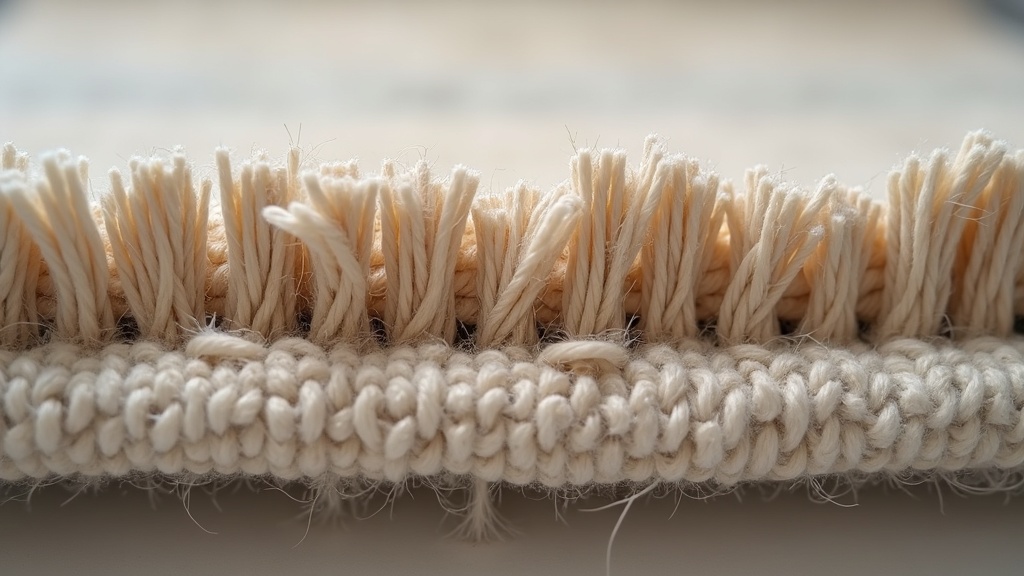
A separate cause, and the one worth paying more attention to, is a failing foundation. On some machine-made rugs the latex or rubber backing that holds the pile in place degrades over years, especially with heat and sunlight, and starts to shrink or crack unevenly. On hand-knotted rugs, a warped or unevenly tensioned foundation can produce a similar lifting at the edges. If you understand how rugs are actually built, from knot type to foundation material, it’s easier to tell the difference between a temporary shipping curl and a structural problem; the rug craft hub is a good starting point for that background.
Fixes that work for most rugs
Start with the least invasive option and work up.
- Reverse rolling. Roll the rug backward, pile side out, for a day or two. This counteracts the original curl direction and is safe for essentially any rug, hand-knotted or machine-made, because it involves no moisture or chemicals at all.
- Weighting flat. Lay the rug right side up on a flat floor and place flat, heavy objects (books, boxed weights, furniture) on the curling corners for several days. This is slow but completely safe for wool, cotton, silk, jute, and synthetic rugs alike.
- A rug pad. A pad with grip on both sides holds the corners down against the floor and also stops the rug shifting and creeping, which is usually worth doing anyway. If you haven’t already worked through the reasoning on whether your floor and rug type need one, see Do You Really Need a Rug Pad?
- Corner tape or grippers. Small adhesive rug-corner grips, applied to the underside only, can hold a corner down on hard flooring without touching the pile or dyes at all.
These four methods cover the vast majority of curling cases and involve no water, heat, or chemicals, which makes them the right first move for any rug regardless of what it’s made from.
Where moisture and heat come in — and where they don’t
If reverse-rolling and weighting haven’t fully released the curl after a week or two, a controlled application of moisture can help relax the fibers, but this is where fiber identification matters enormously.
For a machine-made rug with a synthetic pile (nylon, polypropylene, polyester) and a synthetic or latex backing, lightly dampening the curled corner on the back with a cool, damp cloth and then flattening it under a weighted board for a day is generally low-risk, since these fibers don’t felt or bleed the way wool can.
For a hand-knotted or hand-tufted wool rug, avoid hot water or steam applied directly and avoid ironing. Heat and moisture together can cause wool to felt, shrink, or pucker, and that kind of distortion is not something you can undo at home. If a wool rug’s corner won’t flatten with dry weighting alone, this is a job for a professional rug cleaner, not a home steam treatment. Our guide to cleaning wool rugs safely covers the same felting risk in more detail, since the mechanism is identical whether you’re treating a stain or a curl.
For silk or silk-blend rugs, don’t apply water or steam yourself at all. Silk is easily damaged by moisture, loses luster, and can water-spot permanently. A curling silk rug should go to a conservator.
For jute, sisal, or other plant-fiber flatweaves, moisture is especially risky because these fibers can weaken, brown, or mildew if they stay damp, and they dry slowly. Dry weighting is the safer route; if you’re weighing up whether a jute rug suits a high-traffic room at all, our piece on jute rugs in living rooms covers the durability trade-offs.
Whatever method you choose, test it on a hidden corner or edge first, and if the rug is antique, hand-knotted, silk, or of uncertain fiber, get an assessment from a professional rug cleaner or conservator before doing anything beyond dry weighting. Cleaning and treatment damage to a good rug is usually permanent, and a curling corner is a much cheaper problem to live with for a week than a felted or water-stained one is to fix.
Never reach for chlorine bleach or ammonia-based products to “clean up” a corner while you’re at it — bleach destroys wool and silk outright, and mixing cleaning chemicals is never a good idea regardless of fiber.
When curling is actually a bigger problem
Occasionally what looks like ordinary curling is really the backing failing. On machine-made rugs, a cracking, flaking, or crumbling latex backing won’t respond to weighting because the material itself has degraded; sections may lift permanently and the backing can shed granules onto the floor. On hand-knotted rugs, persistent lifting at one corner combined with visible puckering, wavy edges, or an uneven pile height can point to foundation distortion from improper washing, uneven drying, or old moth or water damage rather than simple shipping memory.
If dry weighting for a couple of weeks makes no difference, or the curling is paired with cracking, odor, stiffness, or discoloration, it’s worth asking whether the rug needs restoration rather than a quick flatten. Our guide on when a damaged rug is worth repairing walks through how a repairer weighs cost against the rug’s condition and value, and the broader rug care hub covers cleaning, repair, and storage together if you want the fuller picture.
Preventing it from coming back
- Store rugs rolled, not folded. Folding creates sharp creases that are far harder to release than a gentle roll, and folded creases can eventually break the foundation fibers on a hand-knotted piece.
- Roll pile-side in for long-term storage, which is the more common industry convention and tends to protect the pile surface, though check any specific care guidance that came with your rug.
- Use a rug pad year-round, not just to fix a curl. It reduces the tendency for edges to lift again and also protects the backing from abrasion against hard flooring.
- Rotate the rug periodically so one area isn’t always bearing the same furniture weight or sun exposure, both of which can encourage uneven curling over time.
- Control humidity where you can; very dry indoor air in winter is a common trigger for new curling on natural-fiber rugs.
For more on keeping rugs flat, clean, and structurally sound over years of use, the protection and storage archive collects further reading on pads, rotation, and storage conditions.
Frequently asked questions about rug corners curling
Why does my new rug keep curling at the corners?
New rugs are typically shipped tightly rolled, and the fibers hold that curved shape for a while after unrolling. Reverse-rolling the rug for a day or two, then weighting the corners flat under books or furniture for several days, usually resolves it without any cleaning products.
Can I use an iron to flatten a curling rug corner?
Direct ironing is risky, especially on wool or silk, because heat combined with pressure and any residual moisture can felt, scorch, or flatten the pile permanently. If you try heat on a synthetic-backed rug, use a low, indirect setting through a cloth, test a hidden spot first, and avoid it entirely on wool, silk, or hand-knotted rugs.
Does a rug pad actually stop curling?
A grippy rug pad won’t reverse an existing curl on its own, but it holds the corners against the floor and stops shifting, which prevents mild curling from getting worse and often keeps a flattened corner from lifting again.
Is curling a sign my rug is damaged or wearing out?
Usually not — most curling is just rolled-storage memory or humidity. It becomes a concern if the backing is cracking or flaking, the pile is uneven near the curl, or the corner won’t release after a couple of weeks of dry weighting, which points to a foundation or backing problem rather than simple memory.
Should I get a professional to fix a curling antique rug?
Yes, if the rug is hand-knotted, antique, silk, or you’re unsure of its construction. Dry, weighted flattening at home is safe, but any moisture, steam, or pressing treatment carries real risk of permanent damage, and a rug conservator can flatten it correctly without that risk.
Rug Academy publishes general information about rugs and is not a dealer, appraiser, or cleaning service. Cleaning and repair methods depend entirely on fibre, dye and construction — test any treatment on a hidden corner first, and consult a professional rug cleaner or conservator before treating a hand-knotted, antique, silk, or valuable rug, as damage from cleaning is usually permanent. Any prices mentioned are illustrative examples only, and nothing here is an appraisal, an authentication, or a guarantee of a rug’s origin or value.