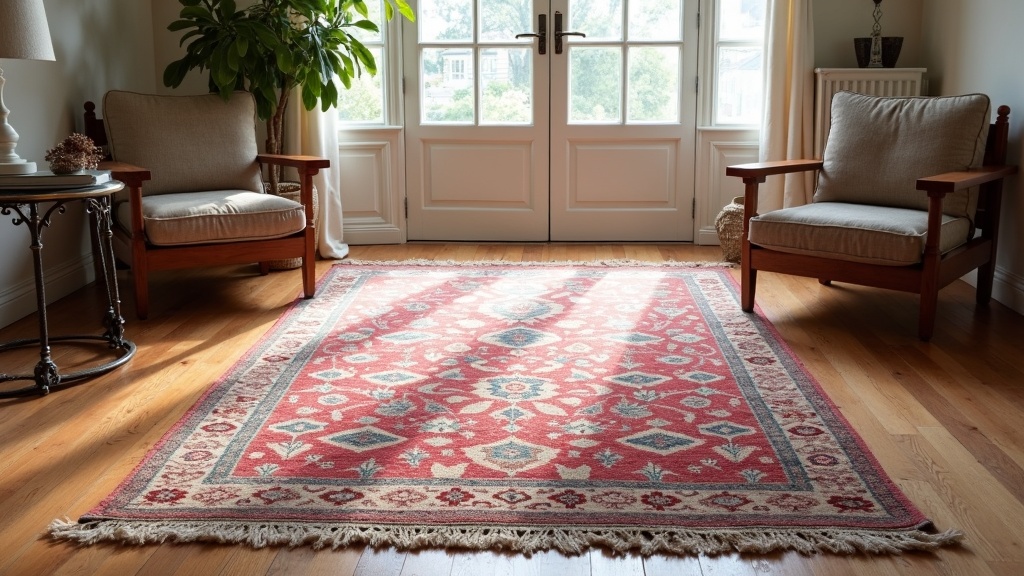
Rug prices are set by a combination of material cost, how the rug was made and how long it took, where it was produced, its age and condition, and simple supply and demand for that particular look. There is no single formula — a machine-made piece and a hand-knotted piece can look similar in a photo and differ in price by a factor of ten or more. Understanding the individual pieces of that puzzle is far more useful than looking for one “correct” number, because for most rugs, that number genuinely doesn’t exist until a buyer and seller agree on it.
The building blocks of a rug’s price
Every price tag, whether on a big-box floor rug or a century-old tribal weaving, is really the sum of several separate decisions made long before the rug reached a showroom. Understanding these components explains why two rugs that look nearly identical from across a room can carry wildly different price stickers — a topic covered in more depth in why two similar-looking rugs can differ hugely in price.
Raw materials
Fibre is often the first and biggest cost driver. Hand-spun wool, silk, and natural plant fibres like jute or sisal all have very different raw costs, and that gets passed straight through. Wool costs more than synthetic fibres like polypropylene to begin with, and better-graded wool — cleaner, longer-staple, less brittle — costs more again. Silk multiplies the cost further because it’s labor-intensive to produce and delicate to weave. The reasoning behind wool’s premium is explored in why wool rugs cost more — and when it’s worth it, and a side-by-side comparison of fibre types lives in the rug buying guides hub.
Construction method and labor
This is where price differences get enormous. A hand-knotted rug is built one knot at a time on a loom, and a single square meter of a moderately fine rug can represent weeks of skilled labor. A hand-tufted rug is punched through a backing with a tufting gun and finished with a glued layer of latex — much faster to produce. A machine-made rug is woven on power looms at industrial speed. None of these are inherently “bad,” but they represent wildly different amounts of human time, and labor is usually the largest single cost in a handmade rug. The mechanics of each process are laid out in machine-made rugs: how they’re produced and in the weaving techniques archive under weaving and techniques.
Knot density and fineness
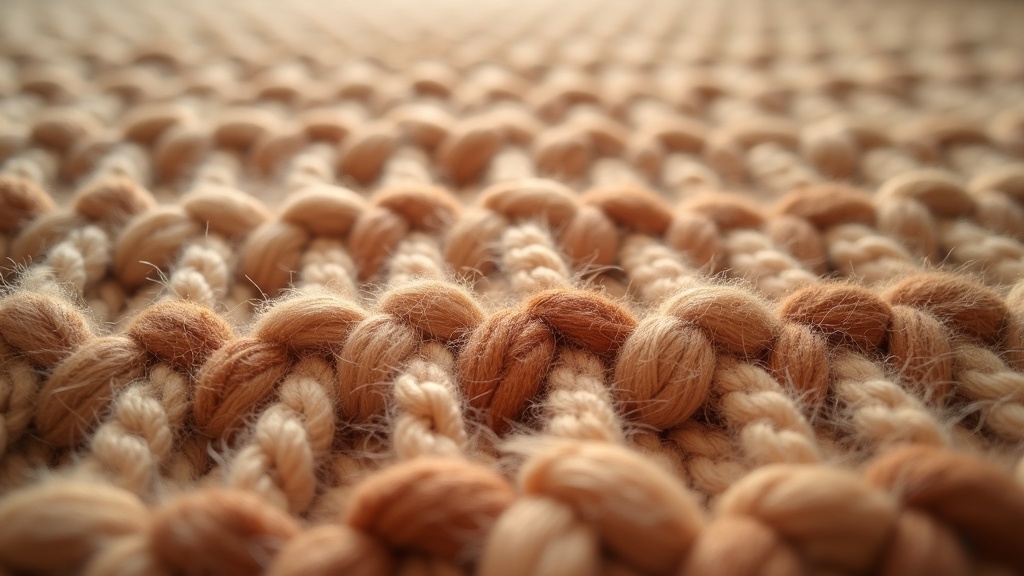
Within hand-knotted rugs specifically, the number of knots per square inch affects both how long a rug takes to weave and how fine the detail in the pattern can be. But density alone doesn’t determine quality or value — a coarser, well-executed tribal rug can be more desirable and valuable than a densely knotted but mediocre one. It’s one factor among several, not a scorecard.
Origin, reputation and regional style
Where a rug was woven, and by which community or workshop tradition, carries its own market weight. Names like Heriz, Bakhtiari, or Bijar each carry associations built over generations — certain wool quality, certain palettes, certain construction habits — and buyers familiar with those traditions will pay for that association. This isn’t superstition; it reflects real, observable differences in how rugs from a given region are typically made. Regional traditions are covered across the site’s regional and antique rugs archive, including pieces on Caucasian, Afghan, and Chinese and Tibetan weaving traditions.
Age, rarity and condition
Age can raise a rug’s value, but only in combination with rarity, quality, and — critically — condition. An old rug that has been heavily worn, poorly repaired, or over-washed can be worth far less than a younger rug in excellent original condition. Conversely, an old rug isn’t automatically valuable just because it’s old; plenty of ordinary production rugs from any era were made for everyday use and were never especially fine to begin with.
This is territory where a written guide can only take you so far. An appraiser physically examining a rug looks at knot type and structure, the foundation material (cotton, wool, or silk), dye characteristics under different light, wear patterns across the pile, and the finishing of the selvedge and fringe — details that indicate not just age but how the rug was actually constructed and how it has been treated since. None of this can be reliably assessed from a photo, which is why an in-person appraisal by a qualified appraiser is the only reliable way to get an answer with real money attached. What that process actually involves is walked through in getting a rug appraised: what to expect, and the broader question framework sits in the value and authentication archive.
Supply, demand and fashion
Beyond craft and history, ordinary market forces apply. A style that’s currently in demand with interior designers will command a premium regardless of how it was made. A rug in an unusual size will sometimes sell for more simply because fewer options exist in that size. Even shipping costs, import tariffs, and the exchange rate at time of purchase filter into a final price, especially for rugs imported from a specific weaving region.
A rough sense of scale, not a price list
It’s tempting to want a chart that says “this rug is worth this much.” That doesn’t really exist, but it’s possible to describe the rough order of magnitude that different construction types tend to occupy, purely as illustration:
| Construction type | Typical labor input | Illustrative price range (5×8 example) |
|---|---|---|
| Machine-made, synthetic fibre | Minutes on a power loom | Low hundreds |
| Hand-tufted, wool | Days, plus latex backing and finishing | Mid hundreds to low thousands |
| Hand-knotted, wool, village production | Weeks to months | Low to mid thousands |
| Hand-knotted, fine wool or silk, workshop production | Months to years | Several thousand and up, no fixed ceiling |
These are examples only, meant to show relative scale between construction types — not a quote for any specific rug you own or are considering. Actual prices vary enormously with size, condition, region, and the current market for that particular look. The difference between hand-knotted and hand-tufted construction specifically is explained further in the site’s guide to handmade vs. machine-made rugs.
What this means if you’re buying or selling
If you’re buying, the most useful question isn’t “is this a good price” in the abstract, but “does the construction and material match what I’m being told, and is that construction reasonable for this price.” Ask what the rug is made of, how it was constructed, and where. A reputable seller should answer plainly. If you’re trying to understand a rug you already own — perhaps inherited or bought years ago — resist the urge to guess its value from photos or forum posts. Wear patterns, dye bleed, and foundation material all require close, in-person examination, and even experienced appraisers rarely commit to a figure without handling the piece.
None of this touches on care, but it’s worth saying here because it affects value directly: a rug’s price is tied to its condition, and condition can be destroyed permanently by the wrong cleaning approach. Bleach breaks down wool and silk fibres. Hot water and high-pH detergents cause wool to felt, shrink, or yellow. Silk is damaged by water and most detergents and should generally be handled only by a professional. If in doubt about a rug’s fibre or construction, the safest move before any cleaning is to test in a hidden corner and, for anything hand-knotted, antique, silk, or otherwise valuable, to consult a professional cleaner or conservator rather than risk it — a distinction explained in the rug care hub.
Frequently asked questions about how rug prices are set
Why do two rugs that look the same cost such different amounts?
Appearance alone doesn’t reveal construction. One may be machine-made from synthetic fibre and the other hand-knotted in wool or silk over weeks or months. Labor, material, and finishing differences are usually invisible in a photo but drive most of the price gap.
Is a higher knot count always worth more money?
Not necessarily. Knot count affects fineness of detail but not quality on its own — a well-made, coarser rug can be more valuable than a denser one with poor wool or sloppy finishing. Density is one factor among several, not a standalone measure of worth.
Does age automatically make a rug more valuable?
No. Age only adds value alongside rarity, quality, and condition. A worn or poorly repaired old rug can be worth less than a well-made newer one, and plenty of old rugs were ordinary production pieces to begin with.
Can I get an accurate value estimate from photos online?
Not reliably. Assessing knot structure, foundation material, dyes, and wear requires close physical examination. Anything with meaningful money at stake should go to a qualified in-person appraiser rather than an online estimate.
Why do handmade rugs cost so much more than machine-made ones?
Handmade rugs involve weeks or months of skilled labor per piece, plus higher-grade materials in many cases. Machine-made rugs are produced in minutes on power looms with less costly synthetic fibre, which is reflected directly in the price difference.
Rug Academy publishes general information about rugs and is not a dealer, appraiser, or cleaning service. Cleaning and repair methods depend entirely on fibre, dye and construction — test any treatment on a hidden corner first, and consult a professional rug cleaner or conservator before treating a hand-knotted, antique, silk, or valuable rug, as damage from cleaning is usually permanent. Any prices mentioned are illustrative examples only, and nothing here is an appraisal, an authentication, or a guarantee of a rug’s origin or value.