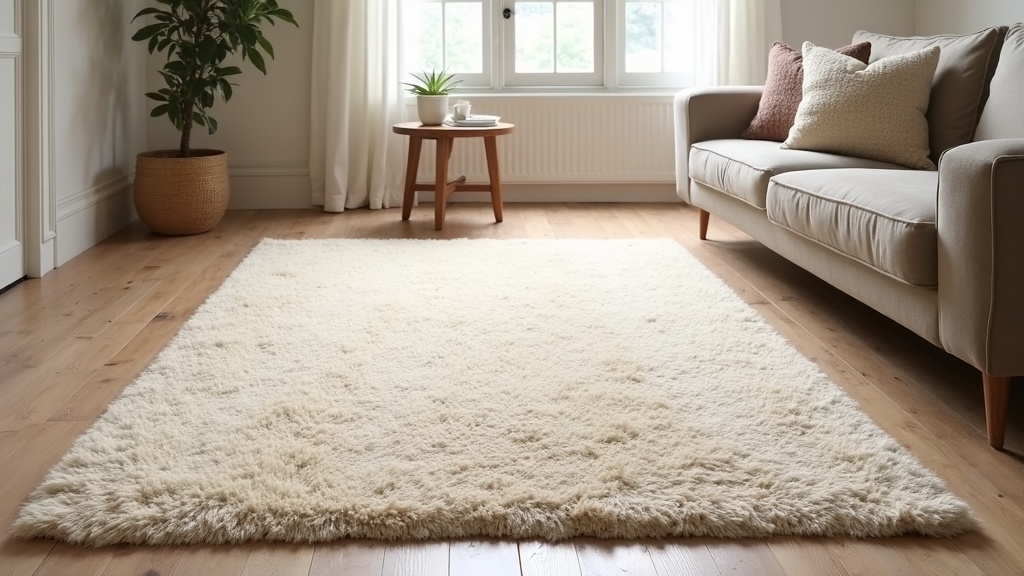
Neutral rugs don’t look boring when the interest comes from texture, weave, and dye variation rather than color. A flat, single-tone rug in beige or grey can read as lifeless, but the same palette woven with pile-height changes, tonal patterning, or natural fibre irregularity reads as rich and layered. The trick is choosing construction and material first, and treating “neutral” as a starting point rather than the whole decision.
Why neutral so often ends up flat
Most disappointing neutral rugs share one problem: everything about them is uniform. Same yarn, same pile height, same dye lot, same repeat pattern printed or tufted in one pass. Uniformity is what makes a rug feel like a product rather than a textile. Rugs that hold visual interest without color usually have some kind of built-in variation — in how the light hits the surface, in the weave structure itself, or in the dye. None of that requires bold color; it requires paying attention to construction, which is exactly the territory covered on the site’s rug buying guides hub.
Texture does the work color usually does
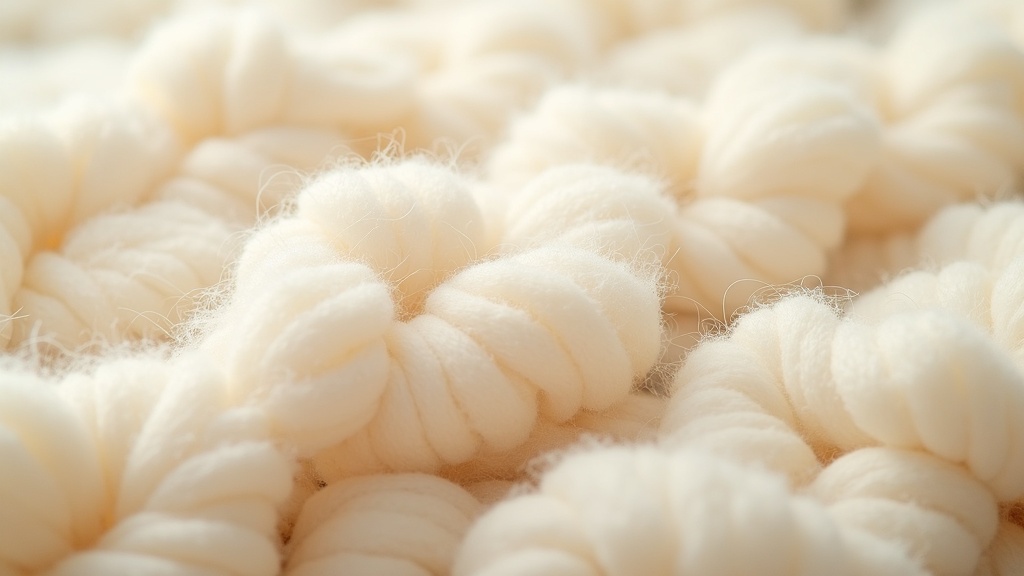
The simplest way to add depth to a neutral rug is to change pile height or weave structure across the design. A high-low pile — where the pattern is carved in relief rather than printed — catches shadow along the edges of the motif, so a cream-on-cream medallion still reads clearly from across the room. Flatweaves do the opposite trick: because there’s no pile to catch light, the texture comes from the weave pattern itself, visible ridges and reversed sections that shift subtly as you walk around the rug. The difference between a flatweave and a piled construction is worth understanding before you shop, and it’s laid out in more detail on the page comparing flatweave vs. pile rugs.
Fibre choice changes texture more than color choice does
Wool has a natural crimp and slight sheen variation that gives even a solid-color rug some visual movement. Jute and sisal bring a coarse, matte texture with visible fibre irregularity that reads as organic rather than flat, though they come with real durability trade-offs worth weighing against a wool option — a comparison covered in the general overview of rug fibres compared. Silk highlights, by contrast, can add a shifting sheen to a neutral field, but silk is fragile, expensive, and not something to introduce into a high-traffic room without understanding the maintenance it demands.
Pattern without leaning on color
Tone-on-tone pattern is the classic move: the same motif rendered a shade or two darker or lighter than the field, so the design is felt more than seen. Geometric repeats, meanders, and classic motifs like a medallion, boteh, or herati all translate well into this treatment because their structure holds up even when the contrast is subtle. If you want to understand what these traditional motifs actually represent before choosing one in a muted colorway, the breakdown of common rug motifs is a useful starting point. A neutral rug with a recognizable, well-proportioned pattern almost never looks flat, because the eye has something to trace even without color contrast to guide it.
Dye character: the difference between “neutral” and “dead”
Not all beiges are equal. A rug dyed with natural dyes, or one that has aged and mellowed over decades, typically shows abrash — subtle striping or shading where dye lots varied slightly between weaving sessions. That variation is not a flaw; on hand-knotted rugs it’s often a sign of traditional production and it’s part of what keeps a neutral field visually alive. Uniform synthetic dye, by contrast, can produce a flatter, more mechanical-looking neutral, though modern synthetic dyes are also more colorfast and consistent, which has real practical upside. The trade-offs between the two are worth reading in full on the page about natural vs. synthetic dyes before you decide which matters more for your room.
None of this means you can look at a rug and know for certain whether its dye is natural, or whether its age accounts for the shading you’re seeing. Dye characteristics are one of several things an appraiser examines alongside knot type and density, foundation material, wear patterns, and how the selvedge and fringe are finished — and drawing conclusions from color alone, without that fuller picture, is how people misjudge both age and value. If you’re weighing a specific piece for anything beyond decorating, that’s a job for an in-person appraisal, not a guess based on how the dye looks in photos.
Choosing construction to match the room
A minimalist room can carry a very quiet neutral rug precisely because the walls, furniture, and light are doing less work elsewhere — restraint is the whole point, and choosing a rug that supports rather than fights that mood is covered directly on the page about minimalist rooms and choosing a rug with restraint. A busier room with patterned upholstery or varied wood tones can actually carry more textural interest in the rug without feeling cluttered, since the rug becomes the calm anchor rather than another competing pattern. Either way, a neutral choice that will still feel right in five years is a different question from one that photographs well today, and it’s worth thinking through using the guidance on choosing a rug colour that won’t date.
Caring for a neutral rug without ruining it
Light-colored rugs show stains and grey traction lanes more visibly than dark ones, which makes correct cleaning even more important. The right method depends entirely on fibre: a wool rug can generally be blotted with cool water and a small amount of wool-safe detergent for light spills, but hot water or any high-pH cleaner will cause wool to felt, shrink, and yellow, so those are never appropriate. A jute or sisal rug behaves completely differently and needs its own approach, covered step by step in the guide to cleaning a jute or sisal rug safely. Silk should generally go to a professional rather than being treated at home, since water and most detergents can damage it permanently. Chlorine bleach and ammonia should never be used on wool or silk, and never combined with other cleaning products regardless of fibre — mixing chemicals is not a shortcut, it’s a way to create fumes or damage you can’t undo.
Before treating any spot on a neutral rug, test on a hidden corner first, since some dyes bleed or migrate when wet even if the rug looks colorfast. And if the rug is hand-knotted, antique, silk, or you’re not certain of its construction, the safest move is a professional rug cleaner or conservator rather than a home remedy — cleaning damage to a good rug is usually permanent, and a light neutral piece shows that damage more clearly than a dark one ever would. General cleaning fundamentals are covered across the site’s cleaning and stains archive.
What neutral rugs with real texture tend to cost
Price ranges vary enormously by construction, fibre, and size, so treat any figure here as illustrative only. A machine-made wool-blend rug with a carved high-low pattern in a common living-room size might sit somewhere in the low hundreds. A hand-knotted wool rug with natural-dye variation and traditional motifs in the same size will typically run substantially higher, reflecting labor and materials rather than color. Flatweave options in wool, cotton, or blended fibres often land in between. None of these numbers should be read as a current market rate for any specific rug — construction and provenance drive price far more than palette does.
Frequently asked questions about neutral rugs
Why does my neutral rug look flat and cheap even though it’s a nice colour?
Flatness usually comes from uniform pile height, uniform dye, and a printed or single-pass pattern rather than the color itself. Look for texture variation, tone-on-tone pattern, or natural dye shading (abrash) to add depth without changing the palette.
Are cream and beige rugs harder to keep clean than dark rugs?
Light colors show stains, traction lanes, and pet hair more visibly, but they aren’t inherently harder to clean — the cleaning method still depends entirely on fibre. Wool needs cool water and wool-safe products; jute and sisal need a different, drier approach; silk usually needs a professional.
What’s the difference between a natural and a synthetic neutral dye?
Natural dyes tend to show subtle shading (abrash) between dye lots, which reads as texture and is common in older or traditional hand-knotted rugs. Synthetic dyes are typically more uniform and colorfast, which is practical but can look flatter in a solid neutral field.
Do textured neutral rugs work in a small room?
Yes — texture doesn’t add visual weight the way strong color or busy pattern does, so a high-low pile or flatweave neutral rug can add interest to a small room without making it feel crowded.
How do I know if a neutral rug is hand-knotted or machine-made?
Check the back: hand-knotted rugs show individual knots and slight irregularity, while machine-made rugs typically have a uniform woven or backed appearance. For a confident answer, especially if value matters, an in-person appraisal is more reliable than judging from color or pattern alone.
Rug Academy publishes general information about rugs and is not a dealer, appraiser, or cleaning service. Cleaning and repair methods depend entirely on fibre, dye and construction — test any treatment on a hidden corner first, and consult a professional rug cleaner or conservator before treating a hand-knotted, antique, silk, or valuable rug, as damage from cleaning is usually permanent. Any prices mentioned are illustrative examples only, and nothing here is an appraisal, an authentication, or a guarantee of a rug’s origin or value.