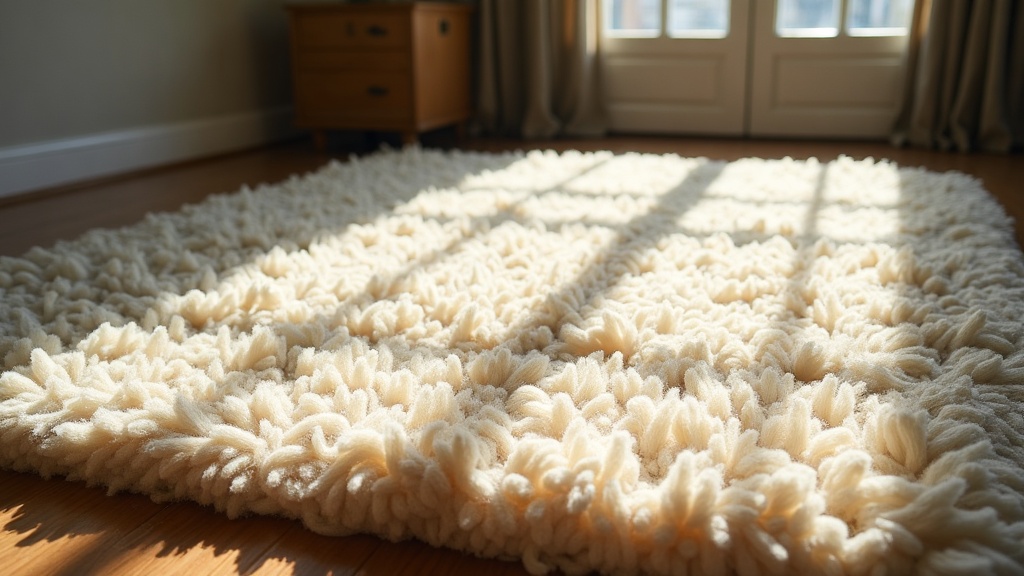
Pile height — how tall the yarn stands above a rug’s foundation — changes how a rug feels underfoot, how it handles dirt and crumbs, how easily doors and furniture clear it, and how it responds to vacuuming and cleaning. Low pile (roughly under a quarter inch) sheds debris easily, sits flush under doors, and holds up in heavy traffic; high pile is softer and quieter but traps grit deeper, resists vacuuming, and can make furniture and doors a problem. Neither is objectively better — it’s a trade-off you choose based on the room.
What pile height actually is
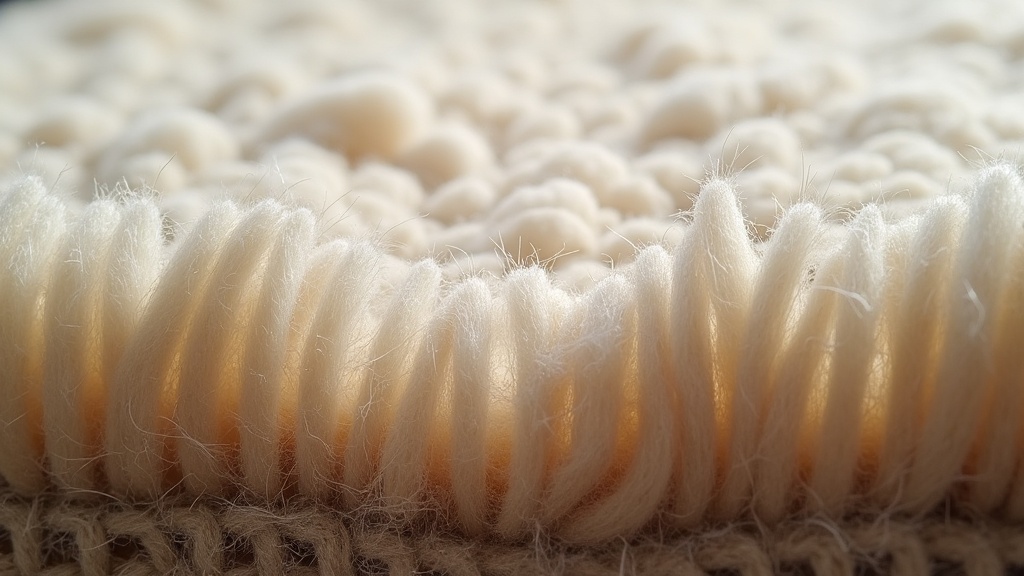
Pile height is simply the length of yarn standing above the woven or tufted foundation, measured after the rug is finished — not the total thickness of the rug, which also includes the foundation and any backing. A flatweave kilim has essentially no pile at all; a plush shag can run an inch or more. Understanding where that yarn sits relative to the warp and weft structure underneath explains a lot of what follows, because pile height and construction method are closely linked. Hand-knotted rugs are typically clipped to a fairly even, moderate height; hand-tufted rugs can be sculpted into varying heights for pattern effect; machine-made rugs often run either very low and dense or deliberately plush, depending on the look being sold.
Underfoot feel and acoustics
The most obvious daily effect is comfort. A low, dense pile feels firm and grounded — good for a hallway or a room with a lot of foot traffic where a soft, sinking feel would actually be tiring to walk on repeatedly. A taller pile, like the deep, springy wool found in many gabbeh-style rugs, feels cushioned and quiet, and it does genuinely dampen sound better — more yarn mass between a hard floor and the room absorbs footfall and echo. That’s part of why open-plan living rooms with hard flooring often benefit from a taller pile, while a busy entry or kitchen runner is usually better served by something low and tight.
Doors, furniture, and daily friction points
Pile height has very literal consequences for anything that has to pass over or rest on the rug. A door that swings across the rug needs enough clearance to avoid dragging on high pile — something worth measuring before buying, not after. Furniture legs sink into a tall pile and can leave lasting depressions, especially under heavy pieces like sofas and dining tables, whereas a low, dense pile resists this because there’s simply less yarn to compress. Chairs on casters are also far easier to roll across a low pile; a thick shag will catch wheels and shift underfoot. None of this is fixable after the fact except by choosing furniture cups or moving the piece — it’s a placement decision that pile height quietly controls.
Traffic, durability, and where dirt goes
High-traffic areas punish tall pile in a specific way: yarn gets crushed and matted down from repeated footsteps faster than it does in a dense, low construction, because there’s more length to bend and less density to spring back. This is one reason entryways, stair runners, and rooms with pets tend to do better with a lower, tighter pile — see the trade-offs discussed for homes with pets and for high-traffic entryways. Dirt and grit behave differently too. In a low pile, debris mostly sits on the surface and vacuums off. In a tall pile, sand and crumbs work their way down toward the base, out of the reach of casual vacuuming, where they act like sandpaper against the foundation every time the rug is walked on. A taller pile isn’t a worse rug — but it does demand more frequent, more deliberate cleaning to stay healthy long-term.
Vacuuming and everyday cleaning by pile height
The single most common damage mechanism tied to pile height is the vacuum itself. A rotating beater bar is designed for cut-and-loop carpet and is too aggressive for many rugs: on a hand-knotted or hand-tufted wool rug it can pull and fray yarn, and on any rug with fringe it can shred the fringe in seconds. Suction-only settings, or a vacuum with the beater bar switched off or raised, are the safer default — this is covered in more depth for beater bars and fringe. Tall pile generally needs more frequent, slower passes to lift embedded grit; low, dense pile can usually be cleaned quickly and often.
For spills, the safe response also depends on fibre, not just pile height. On a wool pile rug, blot — don’t rub — with a clean cloth and cool water, adding a small amount of a pH-neutral, wool-safe detergent only if needed. Hot water and alkaline or high-pH cleaners can cause wool to felt, shrink, or yellow, so stick to cool water and mild products. On silk pile, or anything with a silk-wool blend, water and most detergents are risky — silk fibres are weakened when wet and can water-stain permanently, so a professional is the safer call rather than experimenting. Chlorine bleach should never touch wool or silk under any circumstance, and ammonia or bleach should never be combined with other cleaning products — mixing household chemicals can produce dangerous fumes and offers no cleaning benefit that a proper wool- or silk-safe product doesn’t already provide. Always test any treatment on a hidden corner first, and for a hand-knotted, antique, silk, or otherwise valuable rug, a professional rug cleaner or conservator is the right first call rather than a last resort — full immersion methods, steam cleaning, or a home washing machine can shrink or buckle a rug’s foundation in ways that cannot be undone.
Pile height and value — what it does and doesn’t tell you
Pile height alone doesn’t establish what a rug is worth or how it was made, and it isn’t something a reader can use to authenticate a piece on their own. What an appraiser actually looks at includes knot type and density, the foundation material, dye characteristics, wear patterns, and how the selvedge and fringe are finished — pile height is just one data point among several, and a uniform, machine-sheared pile height is often (not always) a sign of machine production rather than hand craftsmanship, as explained in more detail on the rug buying guides hub. If you’re trying to work out what you own or what it’s worth, an in-person appraisal from a qualified appraiser is the only reliable answer — no pile measurement, photo, or online guide can substitute for that.
Choosing pile height for a room
- Entryways and hallways: low, dense pile that sheds grit and resists crushing.
- Living rooms with heavy furniture: moderate pile that won’t leave deep, permanent leg depressions.
- Bedrooms: taller pile is fine and often preferred, since foot traffic is lighter and comfort matters more.
- Homes with pets or kids: lower pile is easier to clean and less prone to matting from repeated crushing.
- Rooms with rolling chairs or doors that swing over the rug: measure clearance before committing to anything plush.
It’s also worth remembering that pile height isn’t the same axis as fibre or weave type — a low-pile flatweave and a low-pile cut-pile rug behave quite differently in wear and cleaning, a distinction covered further under flatweave versus pile rugs.
Frequently asked questions about pile height
Is high pile or low pile better for a living room?
It depends on traffic and furniture. Low pile handles daily foot traffic and furniture legs better and is easier to vacuum; high pile feels softer and quieter but crushes faster under heavy use and can trap dirt near the base, so weigh comfort against how much the room actually gets walked on.
Does pile height affect how long a rug lasts?
Yes, indirectly — a dense, tightly packed pile (whether short or tall) tends to resist crushing and wear better than a sparse one, because density is what springs back after footsteps, not height alone. A tall but loosely packed pile will mat down faster than a shorter, denser one.
Can I vacuum a high-pile rug with a regular vacuum?
Suction-only settings are generally safer than a spinning beater bar, which can fray yarn and shred fringe on hand-knotted or hand-tufted rugs. Go slowly over tall pile to lift embedded grit, and check your vacuum’s settings before running it over any fringed or hand-made rug.
Why does my thick rug show dents from furniture?
Furniture legs compress tall pile yarn over time, and it doesn’t always spring back fully, especially under sustained weight. Rotating furniture occasionally, using wide furniture cups, and choosing a firmer, denser pile in rooms with heavy pieces all help reduce permanent flattening.
Does pile height tell you if a rug is hand-knotted?
Not on its own. Hand-knotted rugs are usually clipped to an even, moderate height, but pile height alone can’t confirm origin or method — that requires examining knot structure, foundation, and finishing details, ideally by a qualified appraiser rather than by pile height alone.
Rug Academy publishes general information about rugs and is not a dealer, appraiser, or cleaning service. Cleaning and repair methods depend entirely on fibre, dye and construction — test any treatment on a hidden corner first, and consult a professional rug cleaner or conservator before treating a hand-knotted, antique, silk, or valuable rug, as damage from cleaning is usually permanent. Any prices mentioned are illustrative examples only, and nothing here is an appraisal, an authentication, or a guarantee of a rug’s origin or value.