
Viscose rugs look great because the fibre is engineered to mimic silk’s high sheen and fine hand, reflecting light in a way wool never quite does. They age badly because that same fibre is structurally weak, absorbs water like a sponge, and crushes underfoot instead of springing back. The glossy surface you fall for in the showroom is, mechanically, one of the least durable floor coverings you can buy.
What viscose actually is
Viscose (also sold as rayon, art silk, or “bamboo silk” in some marketing) is a regenerated cellulose fibre. It starts as wood pulp or bamboo pulp, which is dissolved in chemicals and extruded into filaments. It is not synthetic in the way polyester or nylon are, but it is not a natural fibre in the way wool or cotton are either — it sits in between, semi-synthetic, and it inherits weaknesses from both worlds without the strengths of either. This is a core distinction covered in more depth in the rug buying guides hub, and it’s worth understanding before you shop by look alone.
Why it photographs and shows so well
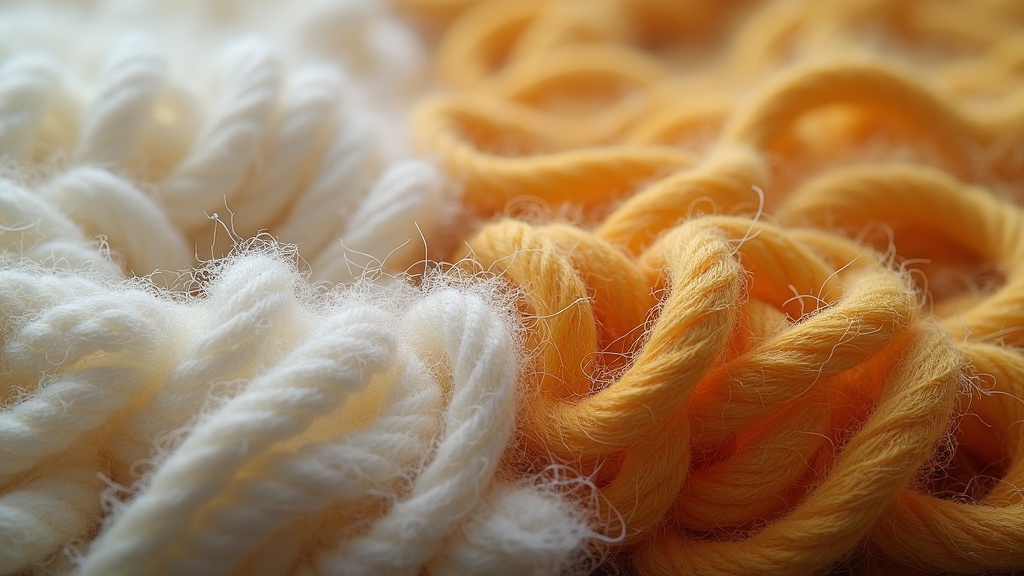
The individual filaments are smoother and more uniform than wool fibre, so they reflect light more directly. That’s what gives viscose rugs their silk-like glow and their ability to show subtle colour shifts as you walk around them — the same pile can look pale silver from one angle and deep charcoal from another. Manufacturers lean on this because it photographs beautifully in a showroom or a listing photo, and it genuinely does look more luxurious than a comparable wool piece at first glance.
Why it ages badly
Three properties work against viscose over time, and they compound each other:
- Low fibre strength — viscose has poor tensile strength, especially when wet, so pile fibres break and abrade under normal foot traffic far faster than wool.
- No resilience — wool fibre has a natural crimp that lets it spring back after being crushed. Viscose has none. Once the pile is flattened by furniture legs or heavy walking paths, it typically stays flattened.
- Extreme water sensitivity — viscose swells and can distort permanently when it gets wet, and it dries with visible watermarks and colour changes far more readily than wool or nylon.
Sun exposure adds a fourth problem: viscose yellows and loses its lustre under UV light more visibly than most other pile fibres, so a viscose rug in a sunny room can look dated within a couple of years. If you’re placing one anywhere near direct light, the guidance in how to protect a rug from sun fading is worth reading before you commit to a spot for it.
Living with a viscose rug day to day
These rugs are not a good match for high-traffic hallways, dining rooms with chair movement, or households with kids and pets, because the crushing and staining show up fast in exactly those conditions. They tend to do better as a low-traffic accent — under a coffee table in a room that gets gentle use, or layered for texture rather than laid where feet and furniture legs concentrate pressure. If you’re deciding between fibres at the shopping stage, it’s worth comparing viscose’s trade-offs against wool directly, which is covered in wool vs synthetic rugs: which lasts longer.
Cleaning a viscose rug: what is genuinely safe
Because viscose swells and stains permanently when saturated, the safest ongoing care is prevention rather than cleaning: vacuum gently with suction only, no beater bar, since a rotating brush head will tear and pill the fibres. Blot spills immediately with a plain white absorbent cloth — press, don’t rub, since rubbing drives the stain deeper and abrades the fibre surface.
Beyond blotting fresh spills, do not attempt home spot-cleaning with water or detergent on a viscose rug. Water tends to leave a visible ring or halo as it dries unevenly, and many viscose rugs are dyed in ways that bleed or migrate when wet, similar to the natural-dye issues described in natural vs synthetic dyes: how to spot the difference. Never use steam cleaning on a viscose rug — the combination of heat and moisture is close to the worst-case scenario for this fibre, for reasons explained in can you steam clean a rug: when it helps or ruins it. Never reach for chlorine bleach or ammonia-based products either; besides the fibre damage, mixing bleach and ammonia-containing cleaners produces toxic fumes, so the two should never be combined under any circumstances.
If a viscose rug is stained beyond a light blot-and-dry, or if it’s a valuable or hand-knotted piece with viscose pile (some fine Chinese and Turkish rugs use viscose deliberately for the sheen), the only safe next step is a professional rug cleaner experienced with cellulosic fibres. This is not a throwaway caution — a home attempt at spot-cleaning viscose is one of the more common ways a decorative rug gets permanently disfigured. General guidance on cleaning frequency and what a professional visit actually involves is in how often should you professionally clean a rug, and the broader rug care hub covers cleaning, repair, and storage together. Always test any treatment, however mild, on a hidden corner first and watch for colour transfer or texture change before going further.
Handmade, hand-loomed, or machine-made?
Viscose shows up across all three construction types, and the fibre itself doesn’t tell you which one you’re holding. An appraiser or experienced buyer looks instead at knot structure and density on the back, the regularity of the pattern (hand-knotted pieces show minor, human irregularities that machine-made rugs don’t), the foundation material, and the finishing at the selvedge and fringe. A perfectly uniform pattern with a printed-looking back and a glued or serged edge usually points to machine manufacture; hand-tied fringe that is a continuation of the foundation warp usually points to handwork. These distinctions are laid out in more detail in how to tell if a rug is handmade or machine-made, and the wider materials and construction archive if you want to compare fibres beyond viscose. None of this tells you age or origin on its own — that’s a job for an in-person appraisal, not a checklist.
Buying viscose with open eyes
None of this means viscose is a bad choice categorically — it’s a reasonable one for a specific job: a low-traffic decorative accent where sheen and softness underfoot matter more than longevity. A machine-made viscose-blend rug in a common size might sit somewhere in the low hundreds as an illustrative example only; construction, blend, and retailer vary enormously, and this is not a quote for any specific product. What matters is buying it knowing what it is — a fibre chosen for looks, not endurance — rather than expecting wool-like resilience from a silk-like shine.
Frequently asked questions about viscose rugs
Can you clean a viscose rug yourself?
Light vacuuming without a beater bar and immediate blotting of fresh spills are reasonably safe. Beyond that, home spot-cleaning with water or detergent risks permanent watermarks and dye bleed, so stains that don’t lift with blotting should go to a professional cleaner experienced with cellulosic fibres.
Why does my viscose rug look worn out already?
Viscose fibre has almost no resilience, so pile crushed by foot traffic or furniture legs typically doesn’t spring back the way wool does. This flattening, combined with the fibre’s low tensile strength, is why viscose rugs show wear far faster than wool or synthetic equivalents.
Is viscose the same as silk?
No. Viscose is regenerated cellulose made from wood or bamboo pulp; silk is a natural protein fibre produced by silkworms. Viscose is manufactured to mimic silk’s sheen at a lower cost, but it lacks silk’s strength and behaves very differently when wet or cleaned.
Can you steam clean or shampoo a viscose rug?
Steam cleaning and wet shampooing are both unsafe for viscose because heat and saturation cause the fibre to swell, distort, and dry with visible watermarks or colour changes. These methods are better suited to some wool constructions, and even then only under specific conditions.
Is a viscose rug a bad investment?
It depends on what you want from it. Viscose suits a low-traffic decorative role where sheen matters more than durability, but it’s not a good match for hallways, dining areas, or busy households. It’s rarely valued as an antique or investment-grade piece the way hand-knotted wool or silk rugs can be.
Rug Academy publishes general information about rugs and is not a dealer, appraiser, or cleaning service. Cleaning and repair methods depend entirely on fibre, dye and construction — test any treatment on a hidden corner first, and consult a professional rug cleaner or conservator before treating a hand-knotted, antique, silk, or valuable rug, as damage from cleaning is usually permanent. Any prices mentioned are illustrative examples only, and nothing here is an appraisal, an authentication, or a guarantee of a rug’s origin or value.