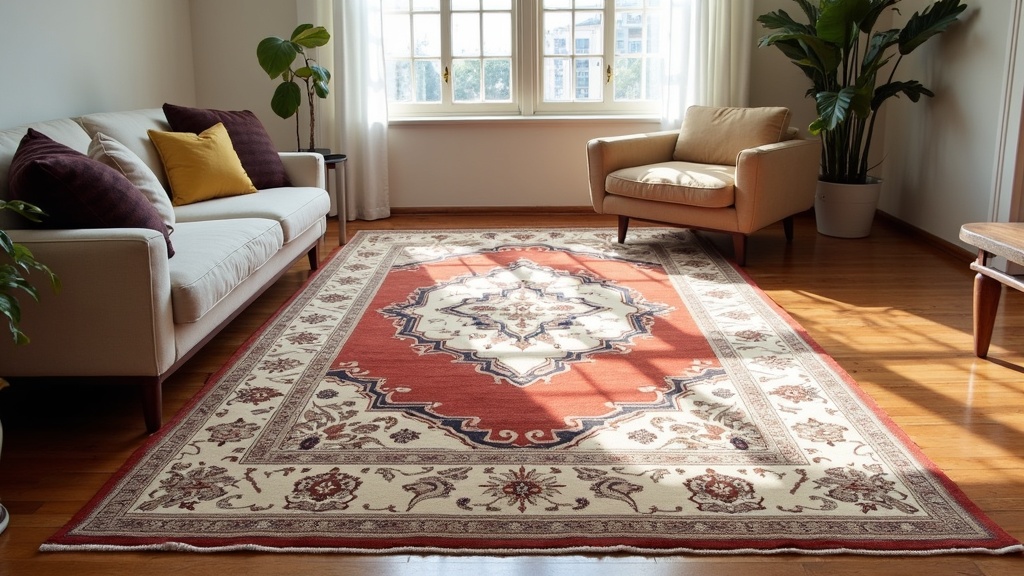
Serapi, Heriz and Bakhtiari are names tied to specific weaving regions in northwestern and west-central Iran, and each points to a recognizable look: Heriz and its finer sub-grade Serapi are known for large, angular medallions in brick red, rust and navy; Bakhtiari is known for garden-plot or panel designs woven by tribal and village weavers in the Zagros mountains. Seeing one of these words on a tag tells you something about design tradition and origin, but it is a starting point for research, not proof of age or value.
Where these names actually come from
Persian rugs are often named for the town, district or tribal group associated with their weaving, and the three names in this title all trace back to that pattern. Understanding regional naming is easier once you have a general map of how Persian weaving areas differ, which is covered in more depth on the site’s Regional & Antique Rugs pages and in a broader primer on Persian rug regions for beginners. It also helps to know how “Persian” relates to the wider “Oriental rug” umbrella, a distinction explained in Persian vs Oriental rugs.
Serapi
Serapi is generally used to describe a subset of Heriz-area weaving, usually associated with an earlier production period and a slightly finer, more open drawing than typical later Heriz work. In practice, “Serapi” on a modern tag is often a marketing term borrowed to suggest that older, more refined look, whether or not the rug has any direct link to the original weaving group. That gap between a historical name and its modern retail use is common across the rug trade, and it’s one reason a name alone should never be treated as a guarantee.
Heriz
Heriz refers to a district in northwestern Iran that became known for sturdy, room-size carpets with a bold central medallion, angular cornerpieces and a relatively coarse, durable weave compared with finer city workshop rugs. Heriz carpets were made in large quantities for both domestic use and export, which is part of why the name shows up so often; it describes a design family and a general weaving tradition rather than a single narrow point of origin.
Bakhtiari
Bakhtiari rugs come from villages associated with the Bakhtiari tribal confederation in the Zagros mountains, and the name is most closely tied to a distinctive “garden” layout: a grid of compartments, each holding a different plant, tree or floral motif, rather than a single dominant medallion. Bakhtiari weaving includes both tribal work and more organized village or workshop production, so quality and fineness vary widely under the same name.
Reading the design, not just the label
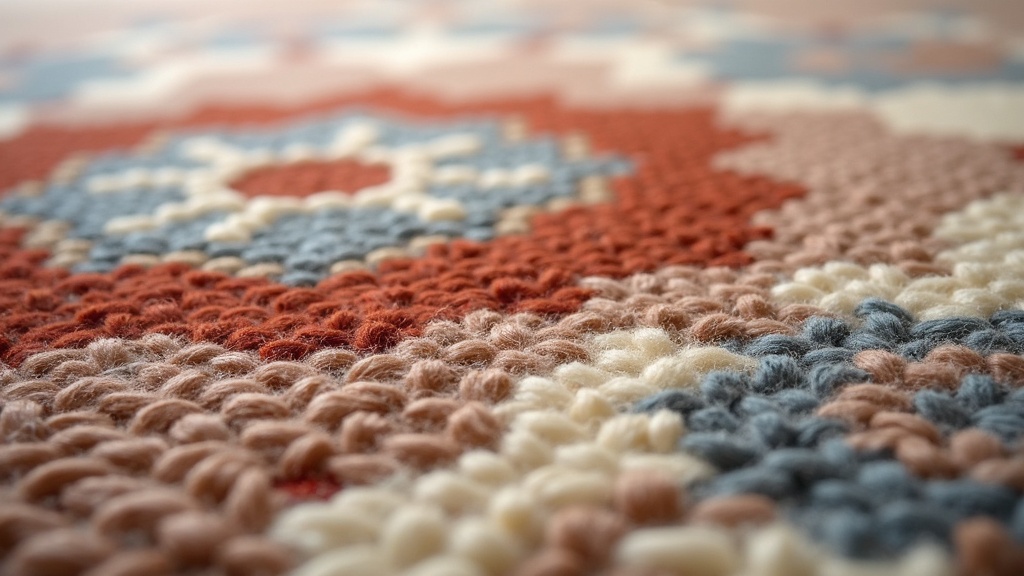
All three names are associated with recognizable motifs, and learning to read those motifs is more useful than memorizing the words themselves. A guide to the vocabulary of medallions, the boteh, and the herati pattern is laid out in Understanding Rug Motifs, which explains how the same basic design elements recur across regions with local variations in color, density and drawing. Knot type and density also matter here: a persistent myth is that a higher knot count always means a better or more valuable rug, which is addressed directly in knot count myths. Heriz work, for example, is prized for durability and boldness rather than for extremely fine knotting, so a lower knot count is not automatically a mark against it.
What actually determines value, and why the name isn’t enough
None of this article can tell you what a specific rug is, where it was made, how old it is, or what it is worth — that requires seeing the piece in person. What an appraiser or knowledgeable dealer looks at includes the knot type and density, the foundation material (wool, cotton or silk), the character and consistency of the dyes, the wear pattern across the pile, and the finishing at the selvedge and fringe. Machine-made and reproduction pieces are common in these popular design families precisely because Heriz and Bakhtiari looks are commercially desirable; giveaways often include an unnaturally uniform back, a printed or fused-looking pattern with no knot structure visible from behind, and fringe that is sewn on rather than a continuation of the foundation warp. A general framework for these criteria is covered in what determines antique rug value, and the mechanics of foundation, warp and weft are explained in Warp, Weft and Pile: Rug Anatomy Explained.
If money is genuinely at stake — buying, insuring, selling or settling an estate — the only reliable answer is an in-person appraisal by a qualified appraiser, not a name on a listing or a guess from a photo. Getting a rug appraised: what to expect walks through how that process typically works. As a rough sense of scale only: a machine-made rug in a Heriz-style pattern might sit somewhere in the low hundreds for a common size, while a genuinely hand-knotted, older village or tribal piece can run far higher — construction, age, condition and size drive this enormously, and no figure here should be read as a current market rate.
Caring for a Serapi, Heriz or Bakhtiari rug
Most rugs sold under these names are wool pile on a cotton foundation, which is relatively forgiving compared with silk, but “relatively forgiving” is not the same as low-risk, and cleaning damage on a hand-knotted rug is usually permanent. For light surface dust, a wool pile rug generally tolerates gentle vacuuming without a beater bar, since beater bars can shred fringe and pull at loose knots — the right technique is covered in vacuuming a rug correctly. For a fresh spill, blotting promptly with a clean cloth and, if needed, cool water with a small amount of wool-safe detergent is the safer approach for wool pile; never use hot water or a high-pH cleaner, since heat and alkalinity cause wool to felt, shrink and yellow, and never reach for chlorine bleach or ammonia, or mix cleaning products together, since bleach breaks down both wool and silk fibers and chemical combinations can be genuinely hazardous.
Older Bakhtiari and Heriz pieces sometimes carry natural or early synthetic dyes that can bleed when saturated with water, so any at-home treatment should be tested on a hidden corner first — an inconspicuous spot near the fringe or under furniture — before it touches a visible area. A full-immersion wash, a steam cleaner, or a home washing machine can shrink the cotton foundation and cause permanent buckling, a risk detailed in can you wash a rug in a washing machine and in the broader overview of dry cleaning methods and when they’re appropriate. Because these are typically hand-knotted, older, and sometimes genuinely valuable pieces, the safest general rule is to treat home cleaning as maintenance only and send anything beyond light surface care to a professional rug cleaner or conservator, whose approach differs from a standard carpet-cleaning service in ways explained in what a rug conservator does that a cleaner doesn’t.
Frequently asked questions about Serapi, Heriz and Bakhtiari rugs
What’s the difference between a Serapi and a Heriz rug?
Serapi is typically used for a finer, often older sub-grade of Heriz-area weaving with a more open, refined drawing, while Heriz more broadly covers the district’s bolder, coarser production. On modern tags the word “Serapi” is sometimes applied loosely to suggest that finer look, so the design and weave matter more than the label alone.
Is a Bakhtiari rug the same as a Persian garden rug?
Bakhtiari rugs commonly use a “garden” compartment layout with a grid of floral panels, which is one specific expression of the broader Persian garden-design tradition rather than the only one. Other regions and workshops have produced garden-style layouts too, so the compartment design alone doesn’t confirm Bakhtiari origin.
How can I tell if my rug is hand-knotted or machine-made?
Check the back: hand-knotted rugs show individual knots and a slightly irregular pattern that mirrors the front, while machine-made rugs typically show a uniform mesh backing or a printed pattern with no visible knot structure. Fringe that’s sewn on separately, rather than a continuation of the foundation, is another common sign of machine production.
Are Heriz rugs valuable?
Value depends on age, condition, size, dye quality and hand-knotted construction rather than the regional name by itself, and only an in-person appraisal by a qualified appraiser can give a reliable figure. Heriz carpets range widely from modest village pieces to significant older examples, so no general price applies to all of them.
Can I clean an old Bakhtiari or Heriz rug myself?
Light vacuuming without a beater bar and prompt blotting of spills with cool water and a wool-safe detergent are generally reasonable for wool pile, but always test on a hidden area first. For anything beyond routine maintenance, especially on an older or hand-knotted piece, it’s worth using a professional rug cleaner or conservator, since improper washing can permanently shrink or discolor the rug.
Rug Academy publishes general information about rugs and is not a dealer, appraiser, or cleaning service. Cleaning and repair methods depend entirely on fibre, dye and construction — test any treatment on a hidden corner first, and consult a professional rug cleaner or conservator before treating a hand-knotted, antique, silk, or valuable rug, as damage from cleaning is usually permanent. Any prices mentioned are illustrative examples only, and nothing here is an appraisal, an authentication, or a guarantee of a rug’s origin or value.