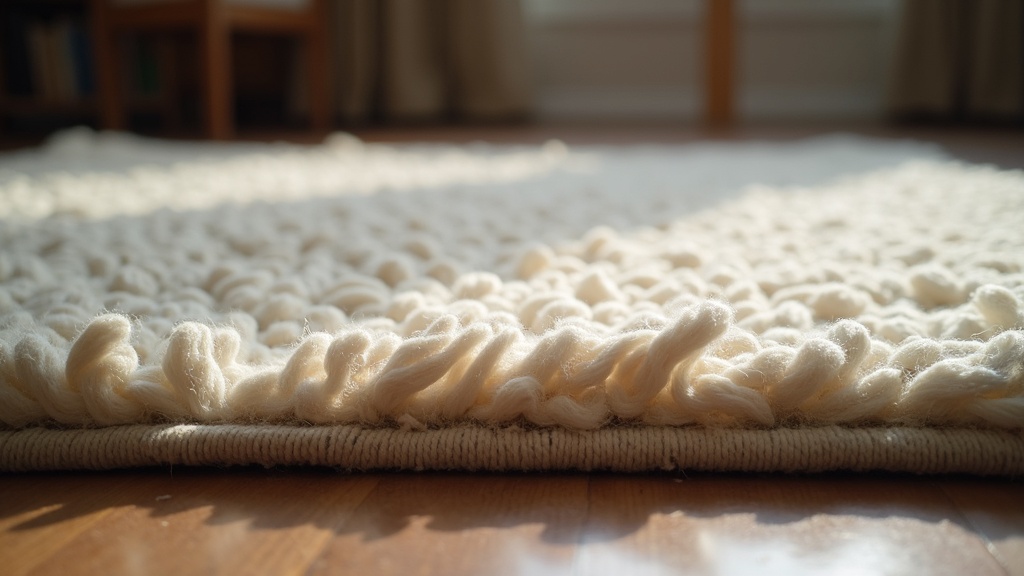
A rug cleaner removes soil, odor, and surface stains from a rug that is generally in good structural condition. A rug conservator does something different in kind, not just degree: they assess fibre, dye stability, foundation strength, and prior repairs before deciding whether — and how — a rug can be treated at all, with the goal of preserving the object rather than simply making it look fresh. The distinction matters most for hand-knotted, antique, silk, or otherwise valuable rugs, where the wrong treatment can cause damage that no one can undo.
Two different jobs, two different questions
A cleaning service typically asks: how do we get this rug clean? A conservator asks a prior question: what is this rug, and what will happen to it if we do X? That second question changes everything downstream. It’s the difference between treating a rug like a piece of household textile and treating it like an artifact with a specific fibre chemistry, dye history, and construction that all interact with water, heat, and pH in particular ways.
This isn’t snobbery about “real” rugs versus everyday ones. A machine-made wool-blend rug from a home goods store can usually go through a fairly standard wet-cleaning process without much drama. A hand-knotted wool or silk piece, especially one with natural dyes or an unknown repair history, cannot be treated the same way — and a good cleaner should know the difference and refer out when needed. Our rug care hub covers the everyday side of this; this article is about where that everyday care ends and conservation begins.
What a conservator actually examines before touching the rug
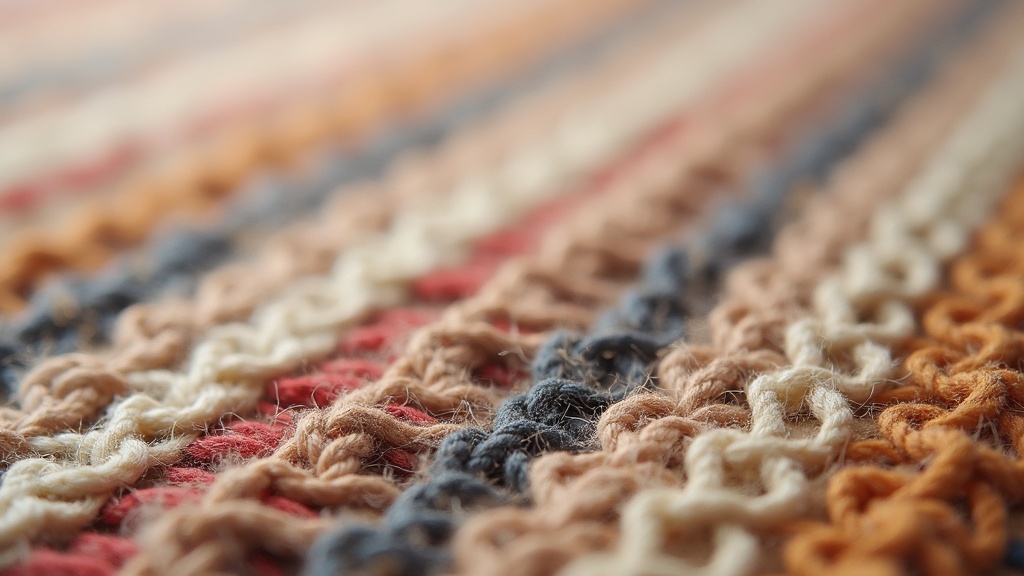
Before any liquid, brush, or heat touches the pile, a conservator is looking at:
- Fibre identification — wool, silk, cotton, or a blend, since each reacts differently to water, heat, and pH.
- Dye stability — whether dyes are natural or synthetic and whether they are likely to bleed or migrate when wet. You can read more about how to spot the difference in Natural vs Synthetic Dyes: How to Spot the Difference.
- Foundation condition — whether the warp and weft are sound enough to withstand wetting and drying without shrinking or distorting. See Warp, Weft and Pile: Rug Anatomy Explained for how these layers work together.
- Prior repairs and reweaves — old patches, overcasting, or fringe reattachment done with different materials that may not behave the same way in cleaning.
- Existing damage — moth grazing, dry rot, or structural splits that could worsen under agitation or moisture.
A general cleaner is rarely equipped, trained, or paid to do this level of diagnosis. Their job is throughput: get soil out, get the rug dry, get it back to the customer. That’s a legitimate service for the right rug — it’s just not the same service.
Cleaning vs conservation: a practical comparison
| Task | Typical rug cleaner | Rug conservator |
|---|---|---|
| Primary goal | Remove dirt, odour, visible stains | Preserve structure, fibre, and dye integrity long-term |
| Pre-treatment testing | Sometimes, informally | Systematic fibre and dye testing before any wet process |
| Handling of antique or silk pieces | May treat the same as any rug | Often recommends minimal intervention or specialist-only methods |
| Repair work | Not typically offered | Reweaving, reknotting, or stabilising foundation as needed |
| Documentation | Rare | Condition notes and treatment records, useful for insurance or resale |
Neither role is “better” in the abstract — a wool-blend area rug with a coffee spill doesn’t need conservation-level intervention any more than a car needs a restoration shop for an oil change. The skill is matching the rug to the right level of care, which is exactly what How Often Should You Professionally Clean a Rug? gets into for routine maintenance schedules.
Why the wrong treatment is often permanent
This is the part worth taking seriously. Chlorine bleach destroys wool and silk protein fibres outright. Hot water combined with alkaline or high-pH cleaners causes wool to felt, shrink, and yellow — a change in the fibre structure itself, not something that brushes out. Silk is damaged by water and by most detergents, which is why silk and fine wool-silk blends should generally go to a professional rather than be treated at home. Natural dyes, and some early synthetic dyes, can bleed and migrate the moment they get wet, bleeding colour from a border into a field permanently. Machine washing, steam cleaning, or fully saturating a hand-knotted rug can shrink the foundation unevenly and buckle the rug in a way that’s difficult or impossible to fully correct — related issues are covered in Dry Rug Cleaning Methods and When They’re Appropriate if you want to understand when a dry approach is the safer starting point.
None of this means a household rug can never be spot-treated at home. If you know the rug is machine-made synthetic-fibre construction, blotting a fresh spill with cool water and a small amount of wool-safe detergent, applied to a cloth rather than poured directly on the rug, is generally low-risk. But always test on a hidden corner first — a spot near a wall or under furniture — before treating any visible area, and never mix cleaning chemicals or reach for combinations involving bleach or ammonia; the fumes and reactions are hazardous and the dye damage from bleach alone is not reversible. If the rug is hand-knotted, antique, silk, or you’re not sure what it’s made of, that’s exactly the situation where a professional cleaner or conservator earns their fee, because they can identify the fibre and dye behaviour before committing to a method.
Repair is where the gap is widest
Cleaning and repair are different skill sets, and this is where the conservator’s toolkit really diverges from a cleaning service’s. A conservator (or a specialist repair studio) can reweave a worn area using matching wool and matching knot structure, rather than simply patching over it — the difference is explained in Reweaving vs Patching: How Professionals Repair Holes. They can also stabilise a fraying selvedge, secure a loose fringe, or address foundation splits before they spread. A standard cleaning operation typically doesn’t offer any of this, because it requires knowledge of traditional weaving structure, not just stain chemistry.
This distinction has real financial consequences too. How a rug has been repaired — sensitively or crudely — measurably affects what an appraiser will say about its condition and, in turn, its value, a relationship explored in How Wear and Repairs Affect a Rug’s Value. A conservator working on a rug that might be worth appraising is also more likely to document what they did, which matters if you ever pursue insurance coverage or a formal valuation, a process outlined in Getting a Rug Appraised: What to Expect.
What a conservator won’t tell you
One thing a reputable conservator generally won’t do is declare on sight exactly what your rug is, where it was made, or precisely what it’s worth. Those are the same appraisal criteria covered on our Value & Authentication archive — knot type and density, foundation material, dye characteristics, wear pattern, and how the selvedge and fringe were finished. A conservator may flag signs consistent with a machine-made construction or a later reproduction, and can tell you whether a rug shows evidence of chemical washing or artificial distressing (see Signs a Rug Has Been Chemically Washed or Painted), but a confident verdict on origin, age, or dollar value requires an in-person appraisal by a qualified appraiser — not a cleaning quote and not a hallway glance.
Frequently asked questions about rug conservators vs cleaners
Do I need a conservator or just a regular rug cleaner?
If your rug is machine-made, synthetic-fibre, and in good condition, a standard professional cleaner is usually fine. If it’s hand-knotted, antique, silk, or has damage, repairs, or an unknown history, a conservator’s assessment first protects you from irreversible mistakes.
Is a rug conservator more expensive than a regular cleaner?
Generally yes, because the service includes assessment, testing, and often hand-work rather than machine processing. Costs vary enormously by rug size, condition, and region, so treat any figure you see elsewhere as illustrative rather than a quote.
Can a regular carpet cleaning company ruin an antique rug?
Yes — hot water, high-pH detergents, steam, or machine agitation can shrink the foundation, bleed dyes, or felt wool permanently. This is precisely why antique and hand-knotted rugs should go to a specialist who tests fibre and dye first.
How do I find a legitimate rug conservator near me?
Look for someone who explains their assessment process, discusses fibre and dye testing before treatment, and is willing to say when a rug should not be wet-cleaned at all — vague promises of “deep cleaning” with no diagnostic step are a red flag.
Will a conservator tell me what my rug is worth?
A conservator can describe construction and condition, but a reliable value opinion comes from a qualified appraiser conducting a formal, in-person appraisal — not from a cleaning or conservation consultation alone.
Rug Academy publishes general information about rugs and is not a dealer, appraiser, or cleaning service. Cleaning and repair methods depend entirely on fibre, dye and construction — test any treatment on a hidden corner first, and consult a professional rug cleaner or conservator before treating a hand-knotted, antique, silk, or valuable rug, as damage from cleaning is usually permanent. Any prices mentioned are illustrative examples only, and nothing here is an appraisal, an authentication, or a guarantee of a rug’s origin or value.