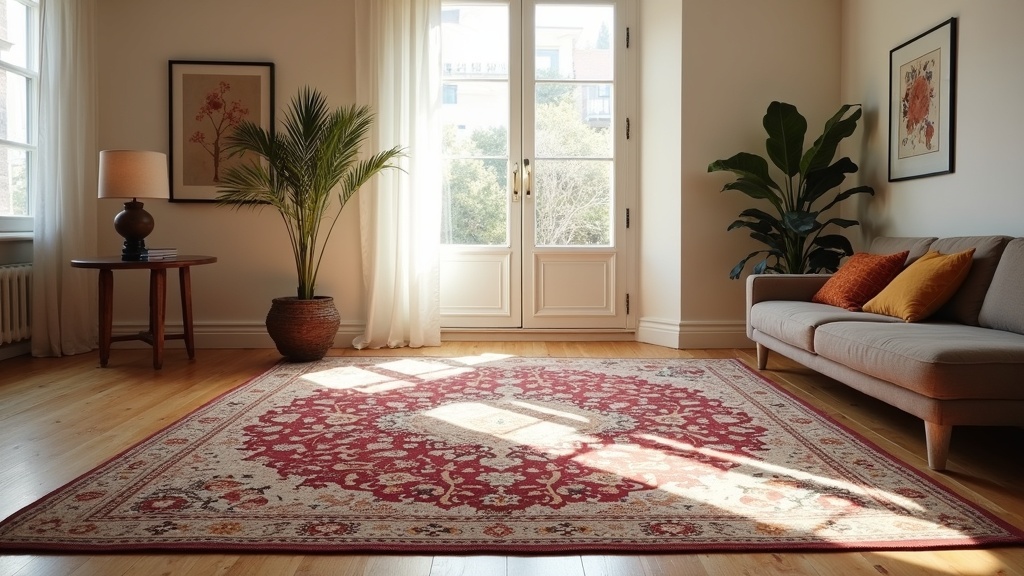
Persian rug regions are traditional weaving areas of Iran — places like Tabriz, Kashan, Kerman, Heriz, and Qashqai tribal territory — each associated with particular knotting styles, wool or silk use, and design vocabularies developed over generations. Knowing the regions helps you recognize patterns and talk to sellers with more confidence, but a region name alone never proves where a specific rug was actually made or how old it is. That distinction — general knowledge versus a verdict on one object — is the whole point of this guide.
Why regional names matter, and where they stop mattering
Historically, weaving in Persia developed around cities and tribal confederations that each had their own materials, looms, and design habits, largely because wool sources, dye plants, and trade routes differed from one area to the next. A Heriz rug from northwest Iran tends toward bold geometric medallions on a coarser knot count; a Kashan piece from central Iran often shows a denser knot and more curvilinear, floral medallion designs. These are tendencies built over centuries, not fixed rules, and weavers moved, traded patterns, and copied each other constantly.
That’s why a region name printed on a tag or spoken by a seller is a starting point for research, not proof. The reliable way to understand what a rug actually is involves looking at knot structure, foundation material, dye behavior, and wear — the same criteria an appraiser uses, covered in more depth on our rug craft hub. If money is genuinely at stake, only an in-person appraisal by a qualified appraiser can give you a reliable answer on origin, age, or value.
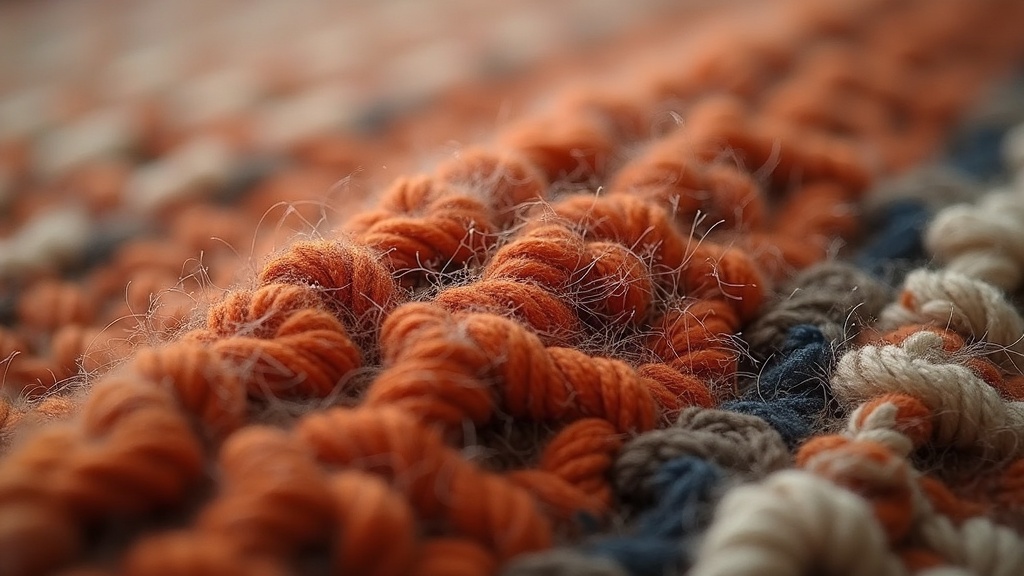
A map of the major weaving regions
The table below sketches broad, traditional associations. Treat it as background for recognizing style families, not as an identification checklist for any single rug.
| Region | Traditional character | Typical motifs |
|---|---|---|
| Tabriz (northwest) | Fine to very fine weave, wool or wool-and-silk | Medallion-and-corner, hunting and garden scenes |
| Heriz | Coarser, sturdy wool weave | Large geometric medallions, angular botehs |
| Kashan | Dense knotting, fine wool | Central medallion, floral vines |
| Isfahan | Very fine weave, often silk accents | Curvilinear vines, palmettes, elaborate borders |
| Kerman | Fine weave, soft wool | Pictorial scenes, floral all-over fields |
| Qom | Fine weave, wool or silk | Tree-of-life, medallion, prayer designs |
| Nain | Very fine weave, often ivory ground | Shah Abbasi floral motifs |
| Hamadan | Single-wefted, village production | Simple medallions, herati patterns |
| Qashqai / tribal | Wool foundation and pile, coarser and irregular | Geometric animal and plant figures, tribal symbols |
Note that “Persian” itself is a narrower term than many buyers assume — it properly refers to rugs from Iran, while “Oriental” covers a much wider swath of hand-knotted weaving traditions from Turkey to China. We unpack that distinction fully in Persian vs Oriental Rugs: What the Terms Actually Mean, which is worth reading before you shop by region name.
City workshops versus tribal and village weaving
Within Iran, a useful second axis is city workshop production versus village or tribal weaving. City workshops in places like Tabriz, Kashan, and Isfahan historically worked from drawn cartoons, produced finer and more symmetrical knotting, and used more consistent, sometimes commercially sourced dyes. Village and tribal weavers, including Qashqai and Bakhtiari groups, typically wove from memory, producing more irregular, freehand geometric designs on coarser foundations. Neither is inherently “better” — they represent different traditions and price points, and both can be beautifully made or poorly made depending on the individual piece.
Reading a rug’s clues instead of trusting the label
Since region names get applied loosely by sellers, the more dependable approach is learning to read the object itself. An appraiser or knowledgeable dealer examines several things in combination:
- Knot type and density — Persian knots (asymmetrical) versus Turkish knots (symmetrical), and how many knots per square inch, which affects both fineness of design and durability.
- Foundation material — cotton, wool, or silk warp and weft, visible on the back of the rug.
- Dye characteristics — natural dyes tend to show gentle color variation (abrash) across a field; some early synthetic dyes are more uniform but may bleed when wet.
- Wear pattern and pile — genuine age shows even wear consistent with foot traffic and light, not artificially distressed or bleached patches.
- Selvedge and fringe finishing — hand-finished edges and fringe that is an extension of the foundation warp, rather than sewn-on fringe, which often signals machine production.
A perfectly even, machine-regular back, a printed or serged edge, and identical repeating motifs from a distance are common signs of a machine-made or tufted reproduction rather than a hand-knotted regional weave. Our guide to telling a rug is handmade or machine-made and companion piece on hand-knotted versus hand-tufted construction walk through these checks in more detail, and the Value & Authentication archive collects further reading on appraisal criteria. None of this substitutes for a hands-on appraisal, but it will make you a much sharper reader of any listing or estate sale tag.
Materials, prices, and what to expect when buying by region
Regional reputation affects price expectations in a general way, but construction, size, age, condition, and materials matter far more than the name alone. As a purely illustrative example: a small, coarser-weave village wool rug might sit in the low hundreds of dollars, while a large, finely knotted silk-accented city piece could run into the thousands — but these are examples of the spread, not quotes for any specific rug you might be looking at. Materials and construction, covered on our rug buying guides hub, drive cost more reliably than geography.
Wool remains the dominant fiber across almost every region because it’s durable, resilient, and takes dye well; silk shows up as accent threads or, in finer city weaves like Qom or Isfahan, as the primary pile for a more luminous, delicate rug. If you’re deciding between fiber types generally, Wool vs Synthetic Rugs: Which Lasts Longer? covers the practical tradeoffs, and our Materials & Construction archive goes deeper on foundation types.
Caring for a regional rug once you own one
Whatever region a rug comes from, fiber and dye — not geography — determine how it can be safely cleaned. Wool rugs generally tolerate careful, cool-water spot cleaning with a wool-safe detergent, but hot water and high-pH cleaners can felt, shrink, or yellow wool fibers, and natural or early synthetic dyes can bleed and migrate when saturated with water. Silk rugs and silk-accented pieces are especially vulnerable to water and most detergents and should generally go to a professional. Never use chlorine bleach or mix cleaning chemicals on any hand-knotted rug — bleach breaks down both wool and silk, and combining household chemicals like bleach and ammonia produces fumes with no cleaning benefit that justifies the risk.
Always test any treatment on a hidden corner first, and if the rug is hand-knotted, antique, silk, or of uncertain construction, take it to a professional rug cleaner or conservator rather than experimenting — damage from cleaning is usually permanent. Our step-by-step piece on how to clean a wool rug without ruining it and the broader rug care hub cover safe routine maintenance, storage, and when a beater-bar vacuum (which can shred fringe and loose pile) should be avoided in favor of a suction-only setting.
Frequently asked questions about Persian rug regions
How do I know what region my Persian rug is from?
Region names on tags or from sellers are often approximate. Reliable identification looks at knot type, density, foundation material, dye behavior, and finishing details together, and even then, a confident answer usually requires an in-person look by a qualified rug appraiser.
Is a Tabriz rug better than a Kashan rug?
Neither is objectively “better” — they represent different weaving traditions, knot styles, and design vocabularies. Quality within each region varies enormously from workshop to workshop, so the individual rug’s construction matters more than which regional tradition it belongs to.
Do tribal rugs count as Persian rugs?
Yes, tribal weavings such as Qashqai and Bakhtiari rugs are woven within Iran and fall under the Persian rug umbrella, alongside city workshop production. They tend to have coarser, more irregular geometric designs compared to finer city weaves.
Can I clean a Persian rug myself at home?
Light, careful spot cleaning with cool water and a wool-safe detergent is reasonable for many wool rugs, but silk, antique, or uncertain-construction rugs should go to a professional, since hot water, high-pH cleaners, or saturation can cause shrinking, dye bleeding, or permanent felting.
Does knowing the region tell me what my rug is worth?
Not reliably. Region is one factor among many — knot density, materials, age, condition, and dye quality all affect value, and any real figure requires a qualified in-person appraisal rather than an estimate based on region alone.
Rug Academy publishes general information about rugs and is not a dealer, appraiser, or cleaning service. Cleaning and repair methods depend entirely on fibre, dye and construction — test any treatment on a hidden corner first, and consult a professional rug cleaner or conservator before treating a hand-knotted, antique, silk, or valuable rug, as damage from cleaning is usually permanent. Any prices mentioned are illustrative examples only, and nothing here is an appraisal, an authentication, or a guarantee of a rug’s origin or value.