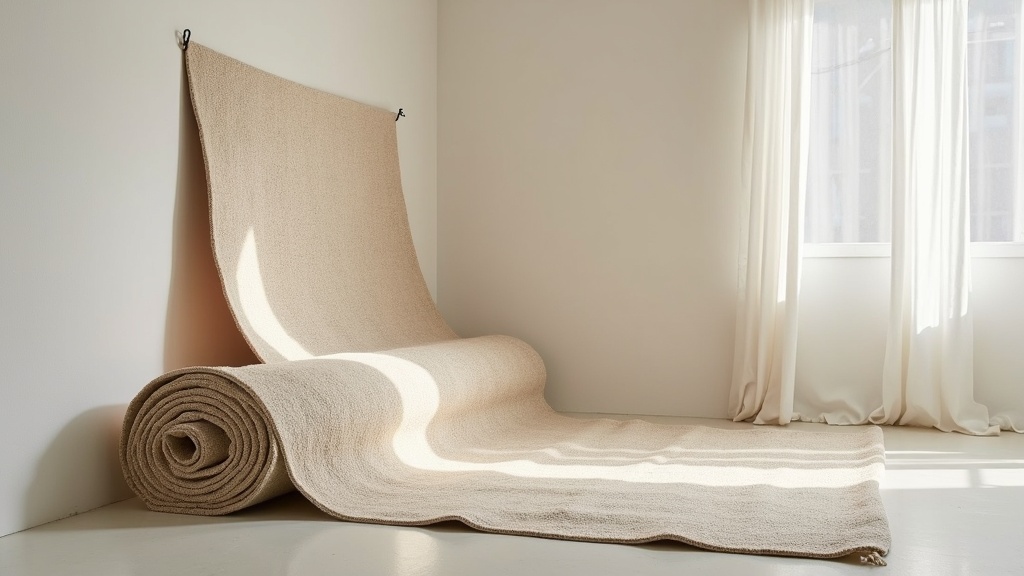
To store a rug long term without damaging it, clean it thoroughly first, let it dry completely, then roll it (never fold it) around a sturdy tube with the pile facing inward, wrap it in a breathable material like cotton or muslin rather than plastic, and keep it somewhere cool, dry, dark, and pest-free. The two biggest threats to a stored rug are moisture trapped inside the wrap and insects that feed on wool and other animal fibres, and almost every storage mistake traces back to one of those two problems.
Why Rugs Get Damaged in Storage — Not During It
Rugs rarely fail while they’re being used. They fail while they’re sitting still, forgotten, in a basement or attic for a decade. Folding creates permanent creases and stresses the foundation threads along the fold line, sometimes cracking them. Plastic sheeting traps humidity against the fibres, which encourages mould and, in wool, can lead to felting or a sour smell that’s difficult to remove afterward. And any residual food, skin oils, or soil left in the pile is exactly what carpet moths and beetles are attracted to — a rug that goes into storage dirty is far more likely to come out with holes in it. The good news is that all three of these risks are preventable with fairly simple habits, which is really the whole subject covered across our rug care hub.
Step 1: Clean the Rug Thoroughly Before It Goes Into Storage
Never store a rug dirty, even if it looks fine. Soil and pet dander sit down in the base of the pile where you can’t see them, and that’s exactly the environment moths prefer. For a wool pile rug, a thorough vacuuming on both sides (using a suction-only attachment rather than a beater bar, which can catch and pull loose pile or fringe) followed by a professional clean is the safest route before long-term storage. If you’re cleaning at home, our guide on how to clean a wool rug without ruining it covers the wool-safe products and cool-water methods that won’t cause felting or shrinkage — but for anything hand-knotted, antique, or of uncertain fibre, a professional clean immediately before storage is worth the cost, because whatever residue or moisture is trapped in the pile when you roll it up will still be there in five years.
Silk rugs and silk-highlight pieces are a separate case. Silk is damaged by water and by most detergents, and washing it at home risks permanent staining, tide lines, or dye bleed, so it should go to a specialist cleaner before storage rather than being spot-treated or rinsed at the sink. The same caution applies to hand-knotted rugs with natural or early synthetic dyes, which can migrate or bleed if they’re cleaned with the wrong water temperature or chemistry. Whatever fibre you’re dealing with, test any product on a hidden corner first, and if the rug is hand-knotted, antique, silk, or simply valuable to you, a professional rug cleaner or conservator is the safer choice than guesswork — the details are in our piece on how often you should professionally clean a rug.
Never combine cleaning chemicals to try to get a rug “extra clean” before storing it — mixing bleach with ammonia-based products, for instance, produces toxic fumes, and chlorine bleach on its own will destroy both wool and silk fibres outright. Hot water and high-pH or alkaline cleaners are just as risky for wool, causing it to felt, shrink, and yellow over time. None of these belong anywhere near a rug that’s about to be rolled up and left untouched for months or years.
Step 2: Let It Dry Completely
This step gets skipped more than any other. A rug that feels dry on the surface can still be damp down at the foundation, especially if it was steam cleaned or heavily wetted during cleaning. Trapped moisture in a rolled, wrapped rug is close to ideal conditions for mould and mildew, and it can also weaken the foundation threads over time. Lay the rug flat in a well-ventilated space and give it at least 24–48 hours, longer in humid climates, before rolling. If you’re unsure whether steam cleaning is even appropriate for your rug’s construction, it’s worth reading about the risks first, since saturating a hand-knotted rug’s foundation can cause it to shrink and buckle permanently.
Step 3: Roll, Don’t Fold
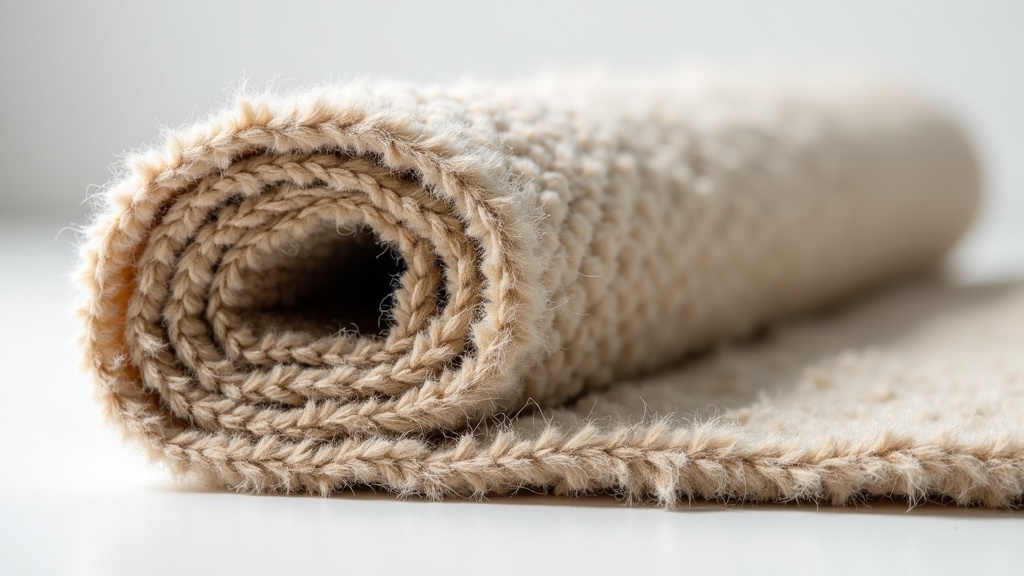
Rugs are woven under tension, and folding them against that structure creates a crease that can crack the foundation or permanently distort the pile along the fold line — this is especially true of older, drier foundations in antique pieces. Rolling distributes stress evenly along the length of the rug instead of concentrating it at one line. Roll with the pile facing inward for most rugs, which protects the pile surface from abrasion against the rolling tube; use a sturdy cardboard or plastic tube, ideally slightly longer than the rug’s width so the ends don’t bear weight unevenly. For a flatweave or kilim, ask a professional or refer to our piece on how a kilim is made if you’re unsure which side should face out for your specific weave, since flatwoven structures don’t always behave the same way pile rugs do.
Step 4: Wrap in Breathable Material, Not Plastic
Cotton sheeting, muslin, or unbleached cotton fabric are the standard choices because they let the rug breathe while still keeping out dust and light. Plastic sheeting seals in any residual humidity and can actually accelerate mould growth or cause condensation if temperatures fluctuate, which is the opposite of what you want in storage that might last years. If you do use plastic for an outer layer against water damage in a basement, wrap the rug in cotton first and leave the plastic loose rather than sealed, so air can still move.
A Simple Storage Checklist
- Clean and fully dry the rug before rolling it.
- Roll around a sturdy tube, pile facing inward, rather than folding.
- Wrap in breathable cotton or muslin, not sealed plastic.
- Add a natural moth deterrent such as cedar blocks, refreshed periodically, for wool or other animal-fibre rugs.
- Store off the floor, away from direct sunlight, in a space with stable temperature and low humidity.
- Check the rug every few months for pests, moisture, or odour.
Where to Store It: Climate, Pests, and Light
A dry, climate-stable space is the goal — a spare closet or a climate-controlled storage unit works far better than a damp basement or a hot attic, both of which swing in humidity and temperature throughout the year. Keep the rolled rug up off a concrete floor on a pallet or shelf, since concrete draws and holds moisture. Wool, being an animal fibre, is a food source for carpet moths and carpet beetles, so a stored wool rug needs a natural deterrent such as cedar blocks or lavender sachets, refreshed every few months, and the wrap itself should be checked periodically rather than assumed to be doing its job untended. If moths have already gotten into a rug before storage, dealing with the infestation and assessing the damage is its own subject, covered in our guide on moth damage in wool rugs and what can be saved — it’s much cheaper to prevent an infestation in storage than to repair one afterward.
Light isn’t usually a factor once a rug is rolled and wrapped, but it matters in the weeks before storage and in the moment you unroll it again — direct sun causes fading and fibre weakening even over a few seasons, which is worth keeping in mind for the rug’s next life on a floor.
Checking In On a Stored Rug
Long-term storage isn’t a “set it and forget it” situation. Unroll the rug fully every six to twelve months, inspect it in good light for any sign of insect activity (small holes, larvae casings, a powdery residue at the base of the pile), musty odour, or discolouration, and let it air out for a few hours before re-rolling. This single habit catches the two problems — moisture and pests — early enough that they’re usually still fixable, rather than finding out three years later that a section of pile has been eaten through.
Special Considerations for Antique, Hand-Knotted, or Silk Rugs
Older and finer rugs deserve extra caution, partly because they’re often more fragile and partly because the value of getting it wrong is higher. Foundation materials in antique pieces can be more brittle than in newer rugs, which makes rolling (rather than folding) even more important, and dye characteristics in hand-knotted rugs — particularly those using natural dyes — can be more sensitive to any residual moisture left in storage. If you’re storing a rug you believe to be antique or hand-knotted and you’re not certain of its construction, it’s worth having a professional look at both the cleaning and the storage plan; the same specialist who can advise on knot type, foundation material, and wear pattern can often tell you what storage conditions the specific piece needs. That kind of assessment is different from a valuation — an appraiser examines construction and condition, not what the rug is “worth” in a casual sense — and it’s the subject of our piece on what determines the value of an antique rug, which explains the criteria an appraiser actually looks at rather than offering a number. If real money or sentimental value is riding on a piece, an in-person appraisal from a qualified appraiser is the only reliable way to know what you have and how it should be handled.
Frequently asked questions about storing a rug long term
Can I store a rug in a plastic bag or vacuum-sealed bag?
It’s not ideal. Sealed plastic traps any residual humidity against the fibres, which can encourage mould, mildew, or a musty smell over months of storage. Breathable cotton or muslin wrapping is safer, and if plastic is used at all as an outer moisture barrier, it should be left loose rather than sealed.
Do I need to use mothballs to store a wool rug?
Mothballs work but many people prefer cedar blocks or lavender sachets because mothball chemicals can leave an odour in the pile and some people find them unpleasant to live with once the rug is back on the floor. Whichever deterrent you choose, refresh it periodically and check the rug regularly.
How long can a rug stay rolled up in storage?
There’s no fixed limit, but a rug shouldn’t be forgotten indefinitely. Unroll it, inspect it, and let it air out every six to twelve months; this catches moisture or pest problems early and prevents any single crease or pressure point from setting in over years of being rolled the same way.
Is it safe to store a rug in a basement or attic?
Only if the space has stable temperature and low humidity. Basements are often damp and attics swing between very hot and very cold, and both extremes stress the fibres and foundation over time. A climate-controlled closet or storage unit, with the rug kept off the floor, is generally a safer choice.
Should I clean a rug before or after long-term storage?
Before. Any soil, oils, or moisture left in the pile when a rug goes into storage will still be there when you take it out, and it’s exactly what attracts moths and encourages mould. Clean and fully dry the rug first, using a method appropriate to its fibre, then roll and wrap it.
Rug Academy publishes general information about rugs and is not a dealer, appraiser, or cleaning service. Cleaning and repair methods depend entirely on fibre, dye and construction — test any treatment on a hidden corner first, and consult a professional rug cleaner or conservator before treating a hand-knotted, antique, silk, or valuable rug, as damage from cleaning is usually permanent. Any prices mentioned are illustrative examples only, and nothing here is an appraisal, an authentication, or a guarantee of a rug’s origin or value.