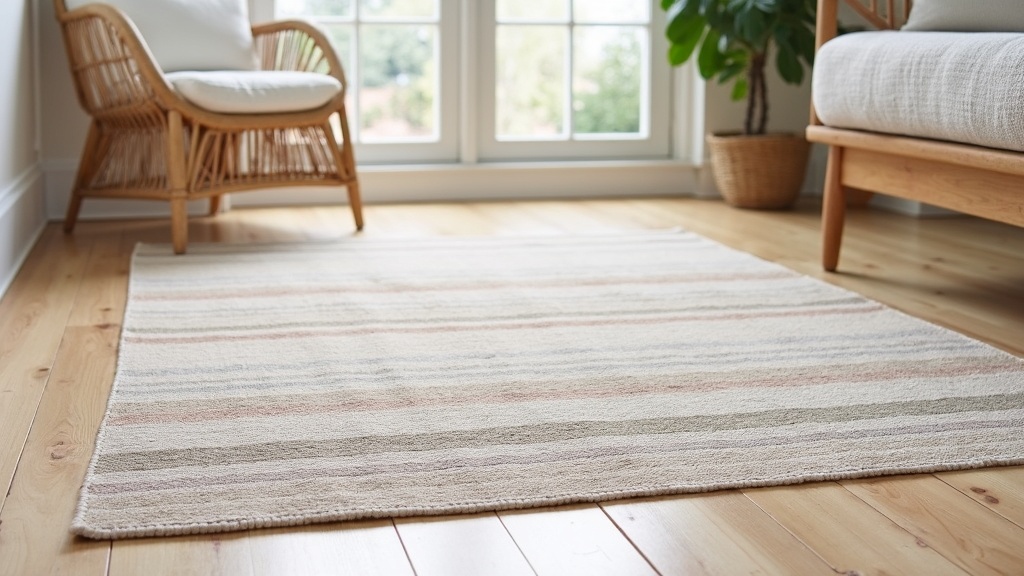
Recycled-fibre rugs can be genuinely good — comfortable underfoot, reasonably durable, and a lower-impact option than virgin synthetic pile — but “recycled” is not one material, and quality swings enormously depending on what was recycled, how the yarn was spun, and how the rug was constructed. Some are well-made and hold up for years; others shed, flatten or fade quickly because the recovered fibre is short, inconsistent, or blended with a weak backing. The honest answer is: it depends on the specifics, not the label.
What “recycled fibre” actually means
The term covers a wide range of source materials and processes, and manufacturers are not always consistent about disclosing which one applies to a given rug. Broadly, you’ll see:
- Recycled PET (rPET): plastic bottles or other polyester waste melted down and re-extruded into new polyester fibre. This is the most common type in mass-market recycled rugs, including many indoor-outdoor styles.
- Recycled cotton: post-industrial fabric scraps or post-consumer garments shredded and re-spun. The re-spun fibre is generally shorter and weaker than virgin cotton, which affects strength.
- Recycled wool: reclaimed wool garments or mill waste, re-carded and re-spun. Quality depends heavily on how much virgin wool is blended back in to restore fibre length.
- Mixed or “regenerated” fibre blends: a catch-all for rugs spun from sorted textile waste of varying composition, which can behave unpredictably because the blend itself is inconsistent from batch to batch.
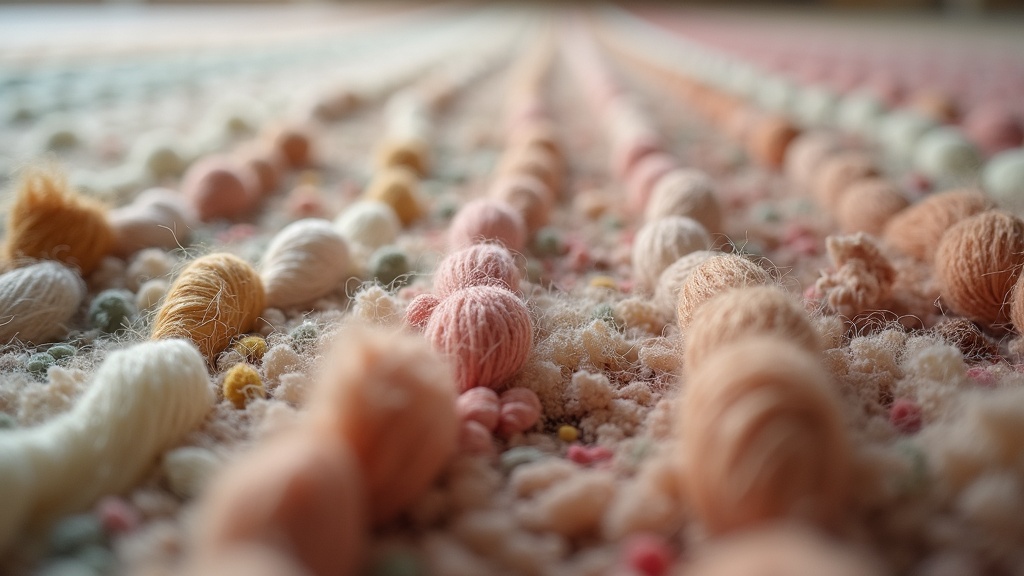
None of these are inherently inferior to their virgin equivalents in terms of what the fibre is chemically — recycled polyester is still polyester, recycled wool is still wool. The difference lies in fibre length and consistency after reprocessing, which is where durability problems tend to start.
Where recycled fibre performs well
Recycled PET rugs, particularly flatweaves and indoor-outdoor styles, are often a sensible choice for entryways, porches, and other high-traffic or moisture-exposed spots. Polyester resists fading and moisture damage regardless of its origin, so a well-made rPET rug can be a practical, lower-cost alternative to natural fibre in exactly the settings where you’d otherwise worry about whether an outdoor rug is worth it for a covered porch. Recycled cotton rag rugs and dhurries, similarly, have a long history as durable, washable, everyday flatweaves — the recycled versions aren’t a new invention so much as a continuation of a genuinely old textile tradition of using scrap fabric.
Recycled wool blends can also perform reasonably in low-to-medium traffic rooms when the manufacturer has blended in enough virgin wool for structural strength. The environmental case is real too: reprocessing existing fibre uses less water and energy than growing or synthesizing new material from scratch, which is a legitimate reason to prefer these rugs even if performance is roughly comparable to a virgin-fibre equivalent.
Where recycled fibre tends to disappoint
The most common complaint with recycled-fibre rugs is excessive shedding, and the underlying cause is usually fibre length. Reprocessing shortens fibres, and shorter fibres hold less securely in a tufted or woven structure, so loose strands work their way to the surface faster than they would in a rug made from longer virgin fibre. If you’re dealing with this already, the general troubleshooting in our guide to fixing a rug that sheds excessively applies regardless of whether the pile is recycled or not — the cause is structural, not something you clean your way out of.
Many budget recycled rugs are also tufted rather than woven, glued to a secondary backing with latex adhesive. That construction has its own separate lifespan problem, covered in our piece on tufted rugs and latex backing: the adhesive dries out and cracks over years, regardless of what the pile fibre is, and once that happens the rug sheds heavily and the backing can crumble. A recycled-fibre pile glued to a failing latex backing will not outlast the backing, however good the yarn is.
Colour consistency can be another weak point. Because recycled feedstock is sorted and blended rather than dyed from a single controlled batch, colours in cheaper recycled rugs sometimes look slightly muddier or less saturated than an equivalent virgin-fibre piece, and dye lots can vary noticeably between production runs.
How to judge a recycled rug before buying
A few practical checks help separate a well-made recycled rug from a weak one:
- Tug a few pile tufts gently. If strands pull free with very light effort, expect ongoing shedding at home.
- Check the backing. Woven or hand-loomed construction generally holds up longer than a rug glued to a fabric backing with latex, since there’s no adhesive layer to degrade.
- Ask what percentage is recycled and of what. “Made from recycled materials” on a label can mean anything from 100% reclaimed fibre to a small blended percentage — reputable sellers will specify.
- Compare weight and density to a similar virgin-fibre rug. A noticeably lighter, thinner recycled rug at a similar size usually means less material was used, which tends to correlate with a shorter useful life underfoot.
For general background on how different fibres — recycled or not — behave in terms of feel, durability and cost, our rug buying guides hub is a good starting point before comparing specific materials.
Price expectations
As an illustrative example only, a machine-made recycled-PET flatweave rug in a common living-room size might sit in the low-to-mid hundreds, while a hand-loomed recycled-cotton dhurrie in a similar size could be somewhat less or more depending on weave density and finishing. These are rough, non-binding examples — construction, size, brand, and retailer margin all move the number substantially, as explained in more depth in how rug prices are actually set.
Caring for a recycled-fibre rug
Care depends on the actual fibre, not the “recycled” label. For a recycled polyester or synthetic-blend flatweave, blotting a fresh spill promptly with a clean cloth and cool water is generally safe, and mild dish soap diluted in water is usually tolerated by synthetic fibre — but always test on a hidden corner first, since dyes and finishes vary between batches. For a recycled wool blend, treat it as you would any wool rug: use cool water and a wool-safe detergent rather than hot water or alkaline cleaners, since heat and high pH cause wool to felt, shrink and yellow regardless of whether the wool is virgin or reclaimed, a distinction covered in our guide to cleaning a wool rug safely — note that slug isn’t linked here, use the general wool care resource instead within /rug-care/. For recycled cotton rag rugs, check the care label; many are genuinely machine-washable on a gentle, cool cycle, but hand-loomed or loosely constructed pieces can distort if machine washed, so when in doubt, hand wash instead.
Never use chlorine bleach on wool-blend recycled rugs — it will damage the fibre — and avoid combining cleaning products such as bleach and ammonia under any circumstances, since the fumes are hazardous. If the rug is hand-loomed, unusually dense, or you’re simply unsure what it’s made from, a professional cleaner is the safer route than guessing, and our rug care hub covers cleaning, storage and repair topics in more depth. Vacuum recycled flatweaves and low-pile rugs with a beater-bar-free setting where possible, since aggressive brush rollers can pull at loose fibre ends and accelerate shedding.
Frequently asked questions about recycled-fibre rugs
Do recycled-fibre rugs shed more than regular rugs?
Often, yes, because reprocessing shortens the fibre and shorter fibres anchor less securely in the pile. Some well-made recycled rugs shed no more than a comparable virgin-fibre rug, but budget tufted versions with latex backing tend to shed the most over time.
Are recycled-fibre rugs actually eco-friendly?
Reprocessing existing fibre generally uses less water and energy than producing new synthetic or natural fibre, which is a real environmental benefit. It doesn’t automatically make the rug more durable, so weigh the environmental case separately from the performance case.
Can you machine wash a recycled-fibre rug?
Only if the care label explicitly says so and the rug is small, flat, and loosely woven or truly machine-washable; hand-loomed or densely piled rugs can shrink, distort, or lose shape in a washing machine regardless of fibre origin.
Is recycled polyester as durable as virgin polyester in a rug?
Chemically, recycled and virgin polyester are the same material, so resistance to moisture and fading is similar. The practical difference tends to come from fibre length and construction quality rather than the polyester itself.
Are recycled wool rugs as warm and soft as regular wool rugs?
Reclaimed wool fibre is shorter after reprocessing, which can make the pile feel slightly less plush than virgin wool of the same weight. Blends with a meaningful percentage of virgin wool generally feel closer to a standard wool rug.
Rug Academy publishes general information about rugs and is not a dealer, appraiser, or cleaning service. Cleaning and repair methods depend entirely on fibre, dye and construction — test any treatment on a hidden corner first, and consult a professional rug cleaner or conservator before treating a hand-knotted, antique, silk, or valuable rug, as damage from cleaning is usually permanent. Any prices mentioned are illustrative examples only, and nothing here is an appraisal, an authentication, or a guarantee of a rug’s origin or value.