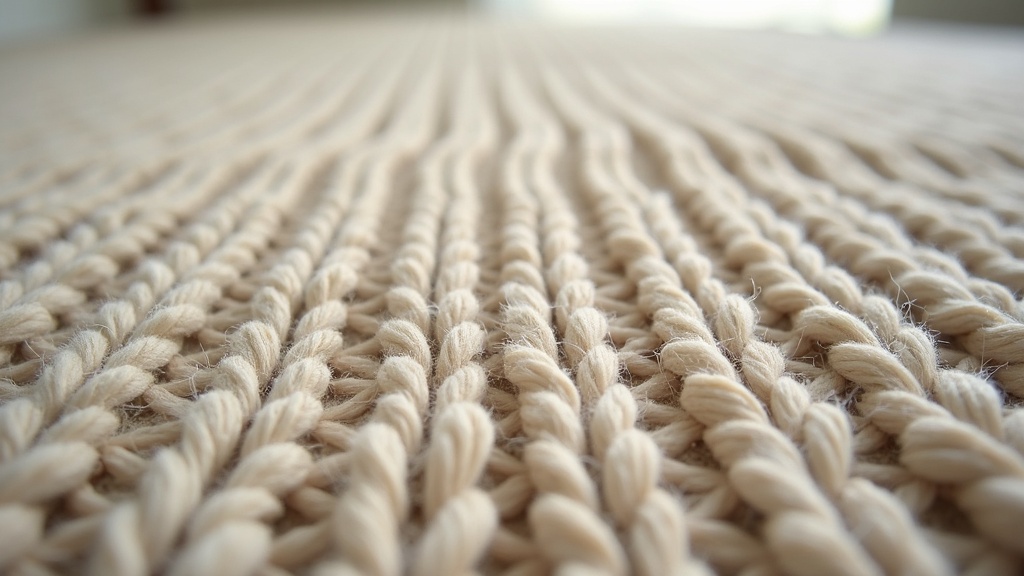
A higher knot count does not automatically mean a better, more valuable, or more durable rug. Knot density is one input among many — it interacts with wool quality, dye, design, and weaving skill, and a coarse, boldly drawn tribal rug with a low count can be just as well made, and just as desirable, as a densely knotted city workshop piece. Knot count became a marketing shorthand because it’s an easy number to print on a tag, not because it’s the whole story.
What Knot Count Actually Measures
Knot count, or knot density, is simply how many hand-tied knots occupy a given area of a rug’s foundation — usually expressed as knots per square inch (KPSI) or knots per square decimetre. It’s calculated by counting knots along the warp and weft over a set span and multiplying. Because each knot anchors a small tuft of pile, more knots per inch generally allows for finer outlines, tighter curves, and more intricate detail in a design — which is why very fine silk pieces from workshop traditions can run into the hundreds of KPSI, while sturdy village and tribal weavings often sit in the range of 40 to 120 KPSI and still hold up for generations.
If you want the mechanics of how this number is measured and why it varies so much between weaving traditions, our companion piece on what knot density is and whether it actually matters walks through the counting method in more detail. This article focuses specifically on the myths that build up around the number once it leaves the loom and enters a showroom.
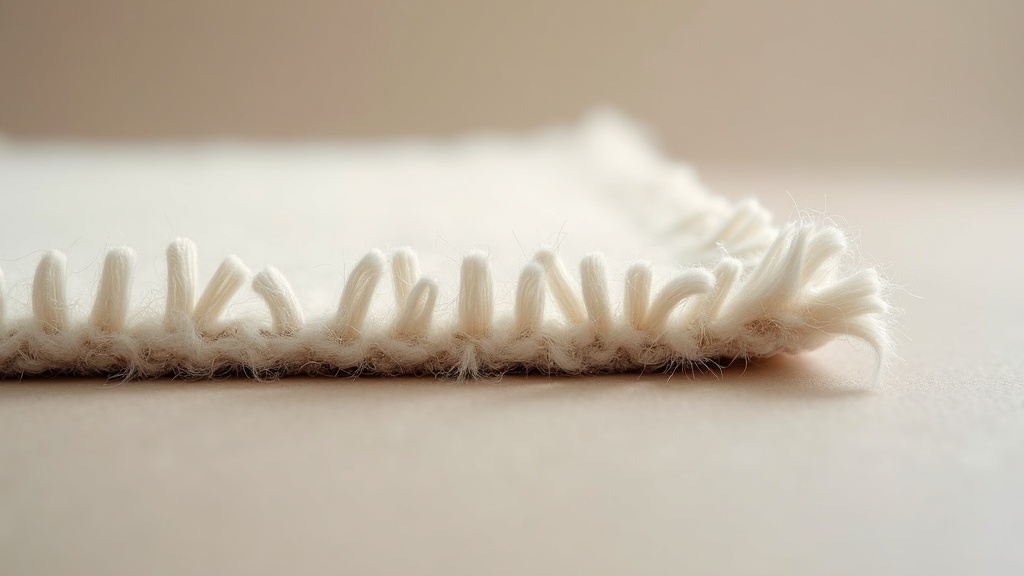
Why “Higher Is Better” Became the Selling Point
Knot count is easy to quantify, easy to compare, and easy to put on a sticker — which makes it a convenient sales tool even when it’s not the most relevant measure of quality for a given rug. A shopper comparing two similarly priced pieces will often default to “more knots must mean more work, must mean better rug,” and sellers know it. The trouble is that knot count says nothing about the quality of the wool, whether the dyes were applied evenly and with care, how balanced the design is, or whether the weaver kept consistent tension across the piece — all of which affect how a rug looks and wears far more than the raw number of knots per square inch.
It also says nothing about authenticity. A machine-made rug can be woven to simulate a “high knot count” look through fine, dense tufting, while a genuinely hand-knotted antique with a modest count can be extraordinarily well made and highly sought after. For background on how construction method is actually identified, see our guide on how to tell if a rug is handmade or machine-made.
Where High Knot Counts Genuinely Matter
None of this means knot count is meaningless — it just needs to be judged against what the rug is trying to do. A few situations where higher density is a real functional advantage:
- Fine curvilinear designs. Intricate floral or medallion patterns with tight curves need more knots per inch to render smoothly; a coarse knot count forces angular, blocky shapes instead of flowing lines.
- Very fine wool or silk piles. Thinner yarn allows tighter packing, and a high count paired with fine, high-quality fibre can produce a supple, long-wearing surface — see our overview of silk rugs and why they need special handling for how this plays out with silk specifically.
- Small-format pictorial or portrait weavings. Where detail has to be compressed into a small area, density becomes essential to legibility.
In these cases, a low knot count isn’t a design choice, it’s a technical limitation — the pattern simply couldn’t be rendered any other way.
Where High Knot Counts Don’t Help — and Can Even Hurt
In many other traditions, a lower knot count is the correct, intentional choice, not a shortcut. Bold geometric tribal and village weavings — many Turkish, Caucasian, and Persian tribal rugs among them — are designed around straight lines, diamonds, and hooked motifs that don’t require fine detail to read well. Packing those designs with unnecessary knots adds cost and time without improving the finished object. Our comparison of Turkish versus Persian rugs touches on how regional weaving goals shape these choices.
| Factor | Why it can matter more than raw knot count |
|---|---|
| Wool quality | Lanolin content, staple length, and how the fleece was spun affect durability and hand-feel far more than density alone. |
| Dye quality | Even, colourfast dye application (natural or synthetic) determines how a rug ages and whether colours stay true. |
| Weaving consistency | Even tension and consistent pile height keep a rug lying flat and wearing evenly over decades. |
| Design suitability | A bold geometric pattern gains nothing from extra knots; a fine floral pattern needs them. |
| Foundation material | Cotton, wool, or silk foundation threads affect strength and how the rug handles humidity and cleaning. |
A rug woven with mediocre wool at a very high knot count can actually wear worse than a coarser rug woven with excellent, resilient wool — density can’t compensate for poor fibre. This is one reason knot count alone should never be used to justify a price, and it’s a topic we return to often across our rug craft and construction hub.
Knot Count and Real Value: Only One Piece of a Larger Puzzle
When it comes to what a rug is actually worth, knot count is just one data point among several that a qualified appraiser weighs together: knot type and structure, foundation material, dye characteristics (including whether dyes show the slight variation typical of natural dyeing or the flat uniformity common in synthetic dye batches), wear patterns consistent with age and use, and the finishing of the selvedge and fringe. A dense, machine-perfect uniformity across an entire piece, mechanically finished edges, and a printed or backed underside are all things that more often point toward a machine-made or reproduction rug rather than a handwoven one — while irregularities, asymmetrical knots, and hand-finished edges are typical of hand-knotted work.
None of this can substitute for seeing the object itself. Rug Academy does not authenticate, date, or value rugs from photographs or descriptions, and no article can either — for anything where real money is involved, an in-person appraisal by a qualified appraiser is the only reliable answer. Our guide on what determines the value of an antique rug goes deeper into the criteria appraisers actually use, and the value and authentication archive collects related reading on this topic.
How to Shop Without Getting Fixated on the Number
If you’re comparing rugs and a knot count is quoted, treat it as one clue rather than a verdict. Ask what the count is being used to claim — finer detail, durability, or simply a higher price — and check whether that claim matches what you can see and feel: does the pile feel resilient and springy, are the edges and fringe neatly finished, does the pattern on the back mirror the front cleanly? For a broader sense of how construction method affects longevity in everyday use, our comparison of wool versus synthetic rugs and how long each lasts and the difference between hand-knotted and hand-tufted construction are both useful starting points. And if you’re shopping by material more broadly, the rug buying guides hub covers sizing, placement, and construction side by side so knot count isn’t the only variable you’re weighing.
Frequently asked questions about knot count myths
Does a higher knot count always mean a more expensive rug?
Not necessarily. Price also reflects materials, dye type, age, condition, weaving region, and design complexity. A coarser tribal rug in excellent wool can cost more than a denser piece made with lower-grade fibre, so knot count alone won’t predict price.
Is knot count a reliable way to spot a fake or reproduction rug?
No, on its own it isn’t. Machine-made rugs can be manufactured at very high densities, while genuine hand-knotted antiques can have modest counts. Construction method is better judged by foundation, back pattern clarity, and fringe and selvedge finishing.
Why do some expensive rugs have a low knot count?
Many bold tribal and geometric designs simply don’t need fine detail to look complete, so weavers use a coarser, faster knot appropriate to the pattern. Value in these pieces often comes from wool quality, age, dye, and rarity rather than density.
How do I find out the real knot count of my rug?
You count knots along a measured inch or decimetre on the back of the rug in both directions and multiply, though this is easiest with an unworn area and a magnifier. A professional appraiser can do this accurately alongside other checks.
Should I avoid buying a rug with a low knot count?
Not necessarily — a low count is completely normal and appropriate for many hand-knotted regional styles. Judge the rug on wool quality, dye evenness, finishing, and whether the design suits the weave, rather than on the number alone.
Rug Academy publishes general information about rugs and is not a dealer, appraiser, or cleaning service. Cleaning and repair methods depend entirely on fibre, dye and construction — test any treatment on a hidden corner first, and consult a professional rug cleaner or conservator before treating a hand-knotted, antique, silk, or valuable rug, as damage from cleaning is usually permanent. Any prices mentioned are illustrative examples only, and nothing here is an appraisal, an authentication, or a guarantee of a rug’s origin or value.