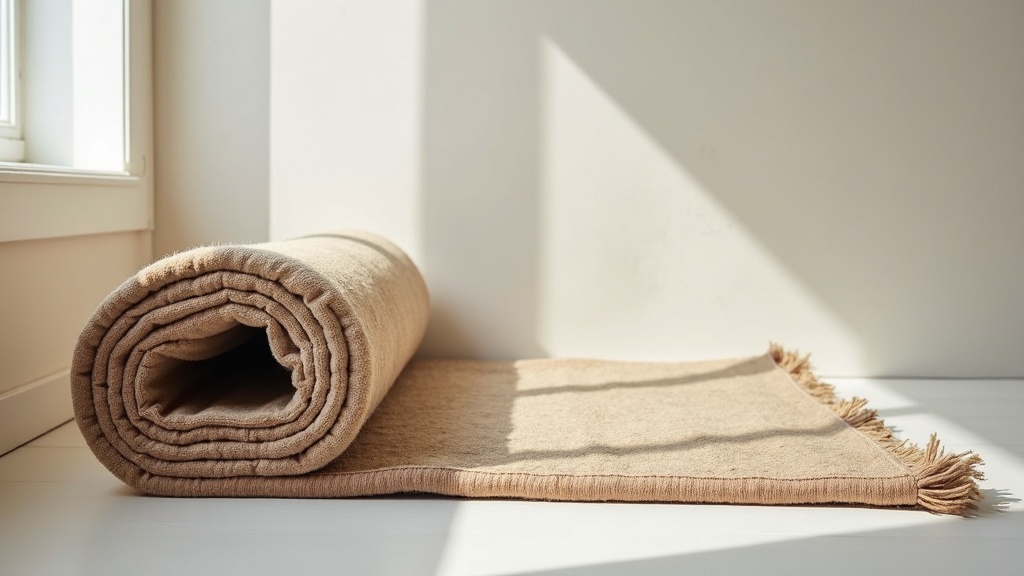
Moths themselves don’t eat wool — their larvae do, feeding on the keratin protein in animal fibre, and they favour rugs that sit undisturbed in low light with little foot traffic or airflow. Prevention means regular vacuuming, periodic rotation and airing, and keeping rugs clean and dry, since larvae feed on soil, skin cells and spilled organic matter as much as the wool itself. Treatment, once you find damage or live larvae, ranges from thorough vacuuming and controlled freezing to professional fumigation or cleaning, depending on how bad the infestation is and what the rug is made of. Synthetic fibres like nylon, polypropylene and polyester are not a food source for clothes moths, so this is primarily a wool, silk, and other animal-fibre problem.
Why moths target rugs
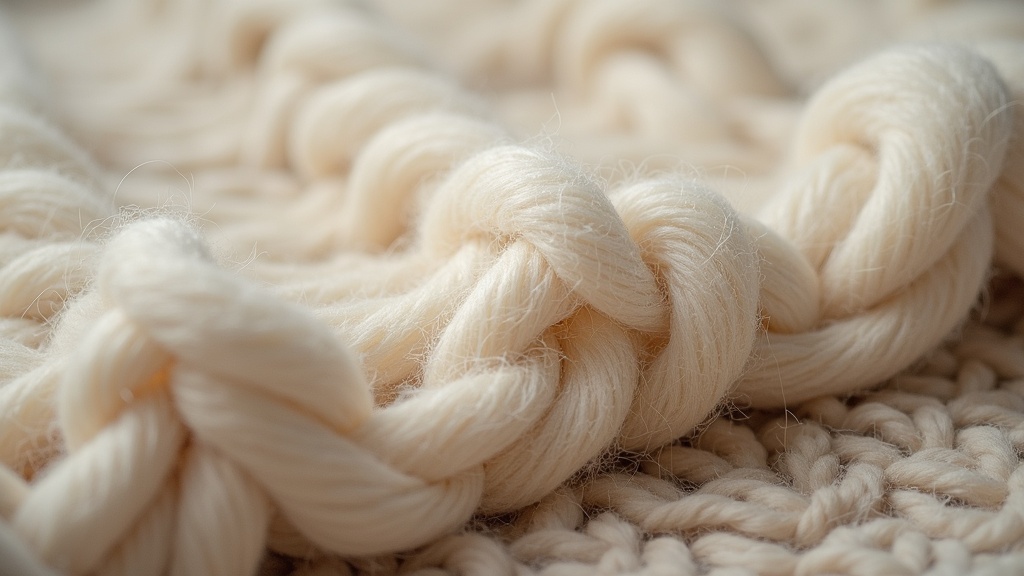
The common webbing clothes moth and the casemaking clothes moth lay eggs in fibre that offers food and shelter. Adult moths avoid light and disturbance, which is why infestations so often start under furniture, along skirting boards, in folded rug ends, or in rugs stored rolled in a dark closet. The larvae, not the flying moths, do the damage — they spin silk tunnels or cases and chew through wool pile and foundation yarns, leaving irregular bald patches, loose tufts, or a gritty debris of frass (droppings) and shed casings at the base of the pile.
Because wool is the primary target, a handmade rug is generally at higher risk than a synthetic one. If you’re comparing fibres for a new purchase with moth resistance in mind, it’s worth reading through the trade-offs in wool vs synthetic rugs and how their lifespans compare, since durability and pest resistance don’t always point the same direction. Silk rugs can also be affected, and because silk is so easily damaged by handling and moisture, any suspected infestation on a silk piece should go straight to a conservator rather than being treated at home — see why silk rugs are beautiful, fragile and often misunderstood.
Spotting an infestation early
- Small bald or thinned patches in the pile, especially in areas that don’t get walked on
- Fine, sandy debris or small silken tubes tucked into the base of the pile or along the back
- Papery cocoons or larval cases caught in the weave
- Adult moths (small, buff-coloured, weak fliers) disturbed when you move furniture or lift a rug
- A musty smell in a rug that’s been folded or stored for a long time
Turn the rug over periodically and check the back as well as the front — larvae often work from the underside where they’re undisturbed. Regular rotation also helps here, since it exposes different sections of the rug to light and traffic; the reasoning is laid out in rotating a rug: why it matters and how often.
Prevention that actually works
Vacuum regularly, but correctly
Routine vacuuming removes eggs, larvae, hair, and skin cells before they establish, and it’s the single most effective ongoing deterrent. Use suction only, or a vacuum with the beater bar switched off or lifted, on fringe and any loose or worn pile — a rotating brush can snag and tear fringe and pull out already-weakened tufts. The specifics of doing this without damaging the rug are covered in vacuuming a rug correctly: beater bars and fringe. Get into the edges, under furniture legs, and lift the rug occasionally to vacuum underneath.
Light, air and movement
Moths prefer dark, still conditions. Rugs in low-traffic rooms, under large furniture, or in guest rooms used only occasionally are at higher risk simply because they’re rarely disturbed. Periodic airing outdoors on a dry day, shaking out dust, and rotating the rug all interrupt the still, dark conditions larvae need to complete their life cycle.
Storage
Rugs going into storage should be clean first — soil and skin cells are exactly what attracts moths to begin with. Wrap in breathable cotton or acid-free paper rather than plastic, which can trap moisture and encourage both moths and mould, and store somewhere cool, dry and pest-free rather than a damp basement or hot attic. Full guidance on doing this properly is in how to store a rug long term without damaging it. A rug pad under a rug in use also reduces the still, undisturbed pocket of air at the underside that larvae favour, alongside its other benefits — see do you really need a rug pad?
Cedar, lavender and other deterrents
Cedar blocks, lavender sachets and similar products can help deter adult moths from laying eggs in a small enclosed space like a chest or wardrobe, but they are not a reliable treatment for an active infestation in a rug already laid out in a room, and their effect fades as the scent weakens. Treat them as one layer of prevention, not a substitute for vacuuming and clean, dry storage.
Treating an active infestation
If you find live larvae, cases, or fresh bald patches, the priority is to stop the damage from spreading and to remove eggs and larvae without harming the rug itself.
- Isolate the rug from other textiles, rugs and clothing until you’ve dealt with it, since moths migrate between hosts.
- Vacuum thoroughly, front and back, using suction only around fringe and any damaged pile, to remove as many eggs, larvae and cases as possible.
- Freeze, if the rug and situation allow it. Sealing a rug in a plastic bag and freezing it at 0°F (-18°C) or below for at least 72 hours kills all life stages in wool and is generally considered safe for sturdy wool rugs, but it is not appropriate for large area rugs that won’t fit a household freezer, for silk, or for antique or fragile pieces where the foundation may be brittle. This is a stopgap for portable pieces, not a full solution for a large hand-knotted rug.
- Air and sun the rug outdoors on a dry day if freezing isn’t practical — direct sun and moving air are hostile to moth eggs and larvae, though prolonged sun exposure risks fading dyes, so keep this brief and check how to protect a rug from sun fading if the rug will spend real time outside.
- Have it professionally cleaned. A full wash by a rug cleaner removes eggs and larvae throughout the pile and foundation in a way that spot-treatment at home cannot. This is the point at which a hand-knotted, antique, wool or silk rug should go to a specialist rather than being tackled with a home method.
Do not use mothballs, insecticide sprays, chlorine bleach, or ammonia directly on a rug. Bleach breaks down wool and silk fibre and strips dye; ammonia and other household chemicals should never be combined with other cleaning products, since the fumes from mixing bleach and ammonia are genuinely dangerous. If you want a wash to also address staining or odour at the same time, a wool-safe approach on a rug you’re confident is sturdy, colourfast wool is outlined in the Cleaning & Stains archive, but always test any product on a hidden corner first and stop if you see colour transfer onto a white cloth.
For guidance on what’s actually salvageable once holes or bald patches exist — and when reweaving or patching makes more sense than living with the damage — see moth damage in wool rugs: what can be saved and reweaving vs patching: how professionals repair holes. The broader question of whether repair is worth the cost relative to the rug’s value is covered in when is a damaged rug worth repairing?
When to call a professional
Any rug that is hand-knotted, antique, silk, or of uncertain construction should be assessed by a professional rug cleaner or textile conservator before you attempt freezing, washing, or spraying anything on it. Fumigation, if it’s ever needed for a serious infestation, should be handled by a pest control professional experienced with textiles, since improper chemical use can damage both the rug and the household. If you’re unsure whether a rug is hand-knotted wool or a machine-made wool blend, the construction affects both how it should be treated and how much risk you’re taking on — background on telling them apart is in the rug buying guides hub and the rug craft hub, which covers weaving structure and fibre identification in more depth.
Frequently asked questions about moth infestations in rugs
Do moths damage synthetic rugs too?
Generally no — clothes moth larvae feed on animal-based keratin protein found in wool, silk, and other natural fibres, not on synthetic materials like nylon or polypropylene. A synthetic rug can still collect debris that attracts moths nearby, but the fibre itself isn’t a food source for larvae.
How do I know if it’s moth damage and not just wear?
Moth damage tends to appear as irregular bald patches in areas that get little foot traffic, often paired with sandy frass, silken larval cases, or a musty smell, whereas ordinary wear shows as gradual, even flattening in high-traffic paths. If you’re unsure, a professional cleaner can usually tell the two apart quickly.
Can I put a rug in the freezer to kill moths?
Freezing a sealed, bagged rug at 0°F or below for at least 72 hours kills eggs and larvae and is a reasonable option for smaller, sturdy wool rugs, but it isn’t practical for large area rugs and isn’t recommended for silk or fragile antique pieces without professional advice first.
Will vacuuming alone get rid of a moth infestation?
Regular, thorough vacuuming removes many eggs and larvae and is essential for prevention, but a well-established infestation usually needs a full professional wash or freezing treatment as well, since vacuuming can’t reach every egg tucked deep into the pile or knots.
Are mothballs safe to use on a rug?
Mothballs aren’t recommended for direct use on rugs — their fumes can linger in the fibre and household air, and they’re not a substitute for cleaning, vacuuming and proper dry storage, which address the actual conditions that attract moths in the first place.
Rug Academy publishes general information about rugs and is not a dealer, appraiser, or cleaning service. Cleaning and repair methods depend entirely on fibre, dye and construction — test any treatment on a hidden corner first, and consult a professional rug cleaner or conservator before treating a hand-knotted, antique, silk, or valuable rug, as damage from cleaning is usually permanent. Any prices mentioned are illustrative examples only, and nothing here is an appraisal, an authentication, or a guarantee of a rug’s origin or value.