Most rug damage is self-inflicted and permanent. These guides cover cleaning, stain treatment, repair and storage — always naming the fibre a method is safe for.
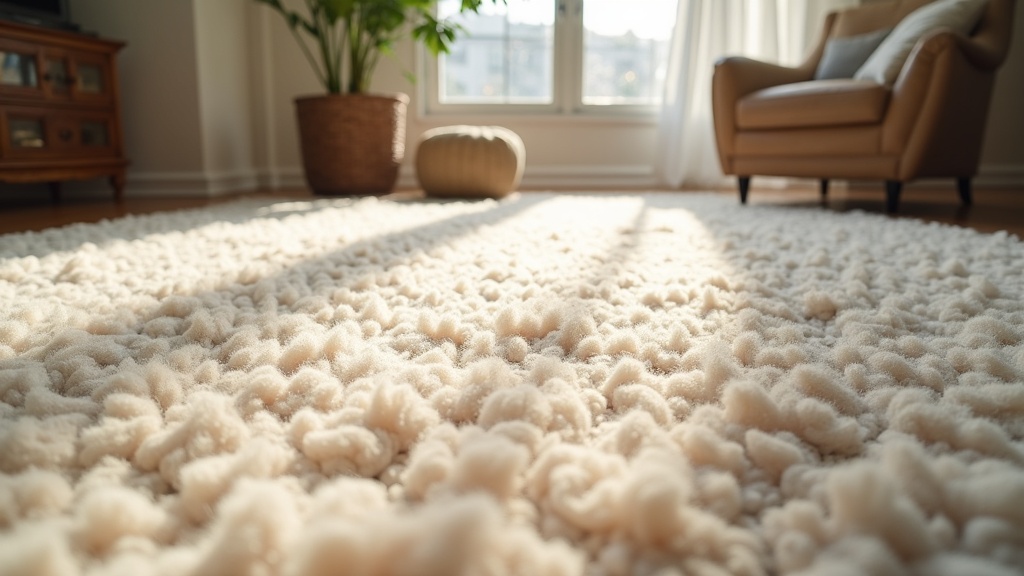
Baking Soda on Rugs: What It Does and Doesn’t Do
Baking soda absorbs some rug odours and moisture, but it doesn't remove stains, kill bacteria, or replace a proper cleaning.
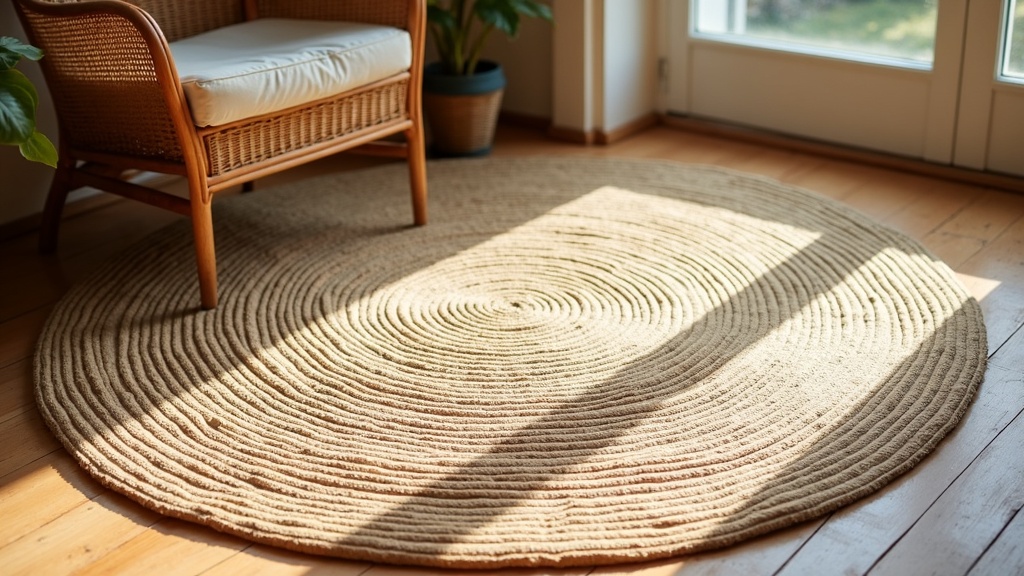
How to Clean a Jute or Sisal Rug Safely
Jute and sisal are plant fibres that hate water. Here's how to vacuum, spot-clean and dry them without staining, shrinking or browning…
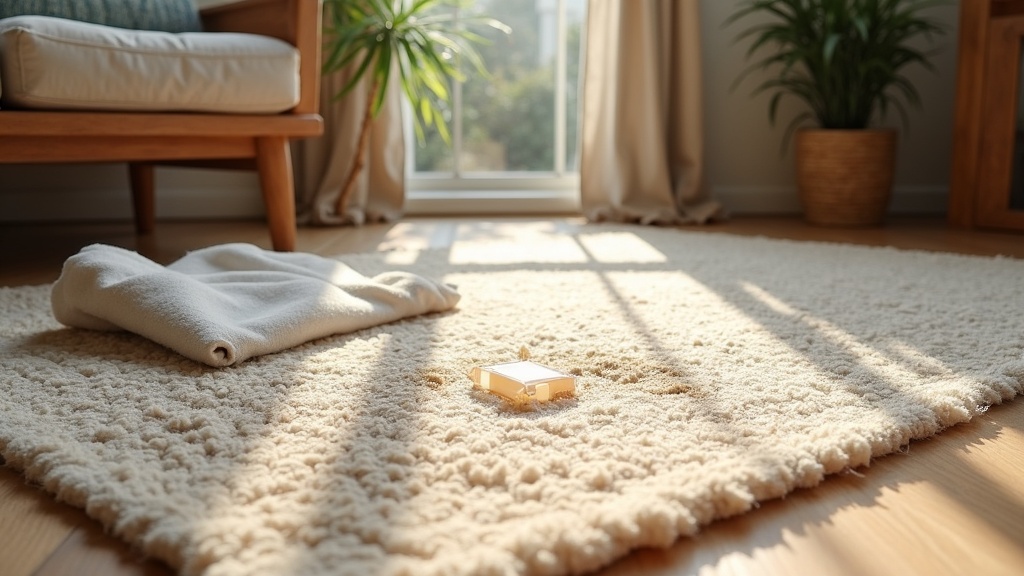
What to Do Immediately After a Spill on a Rug
Blot, don't rub, identify the fibre, and skip the scrubbing. Here's the safe first-response sequence for a fresh spill on any rug.
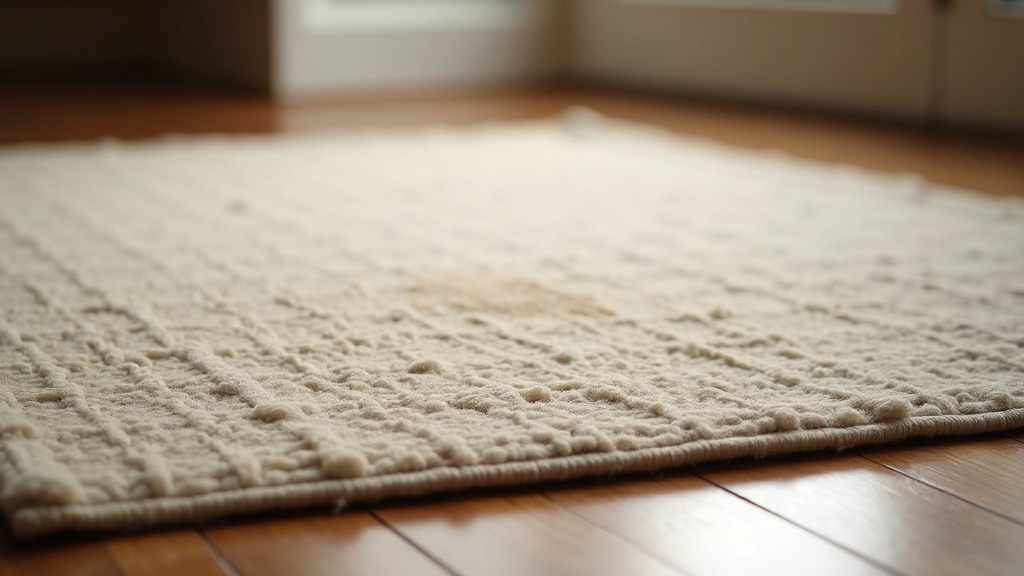
How to Remove Grease and Oil Stains From a Rug
How to lift grease and oil stains from a rug safely, by fibre type, with what to avoid and when to call…
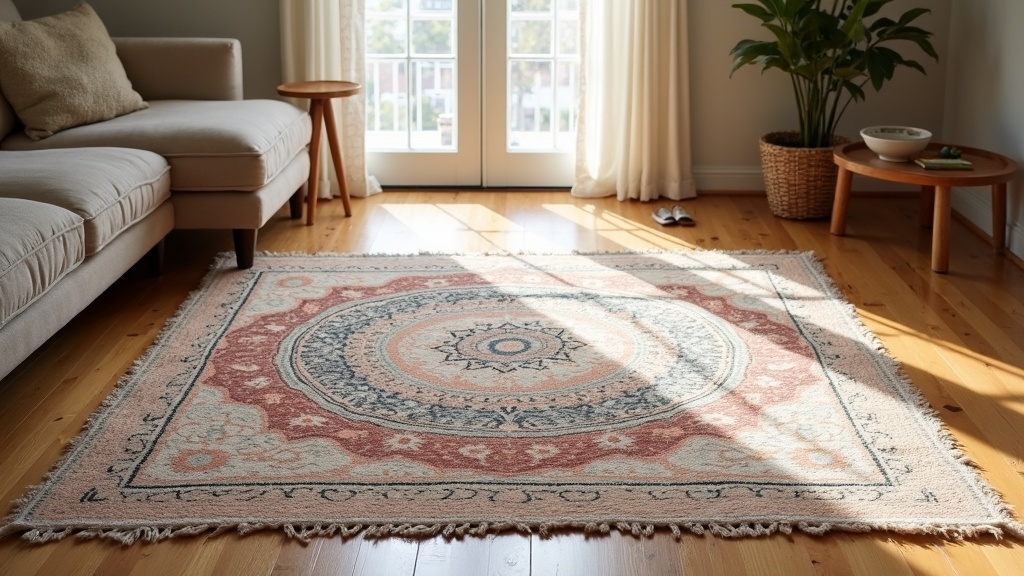
Dry Rug Cleaning Methods and When They’re Appropriate
Dry rug cleaning suits moisture-sensitive fibres and antique pieces. Learn which dry methods work, which risk damage, and when to call a…
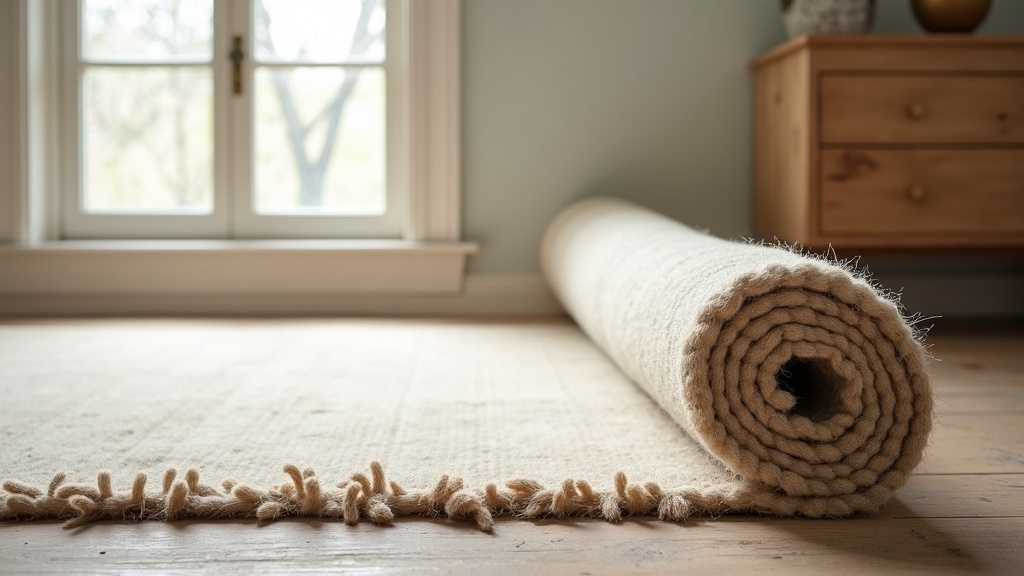
How to Deal With a Rug That Smells Musty
Musty rug smell usually means trapped moisture. Here's how to find the source, air it out safely, and know when to call…
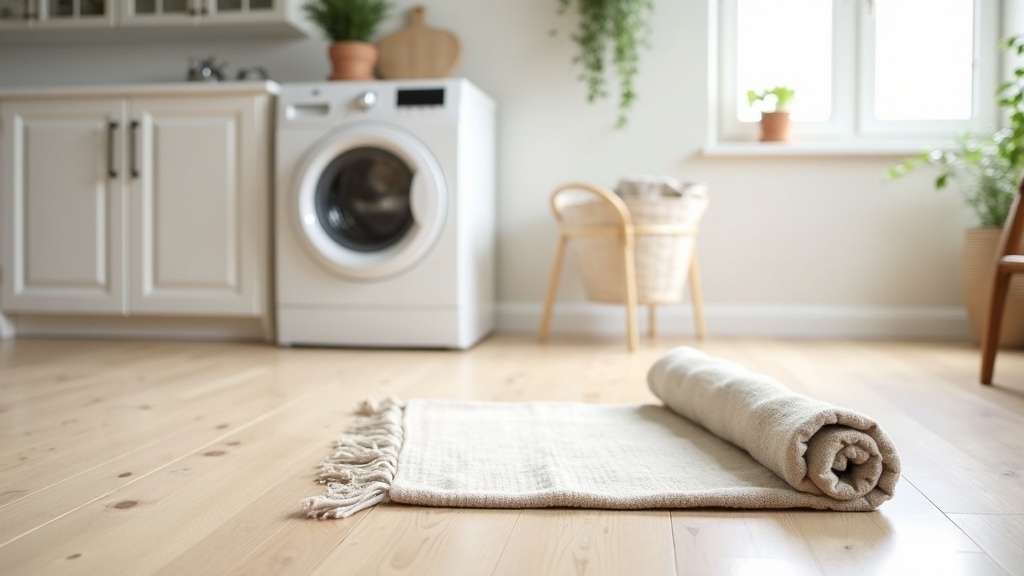
Can You Wash a Rug in a Washing Machine?
Machine washing is safe for a narrow group of rugs. Here's how to tell which ones, and why hand-knotted and wool rugs…
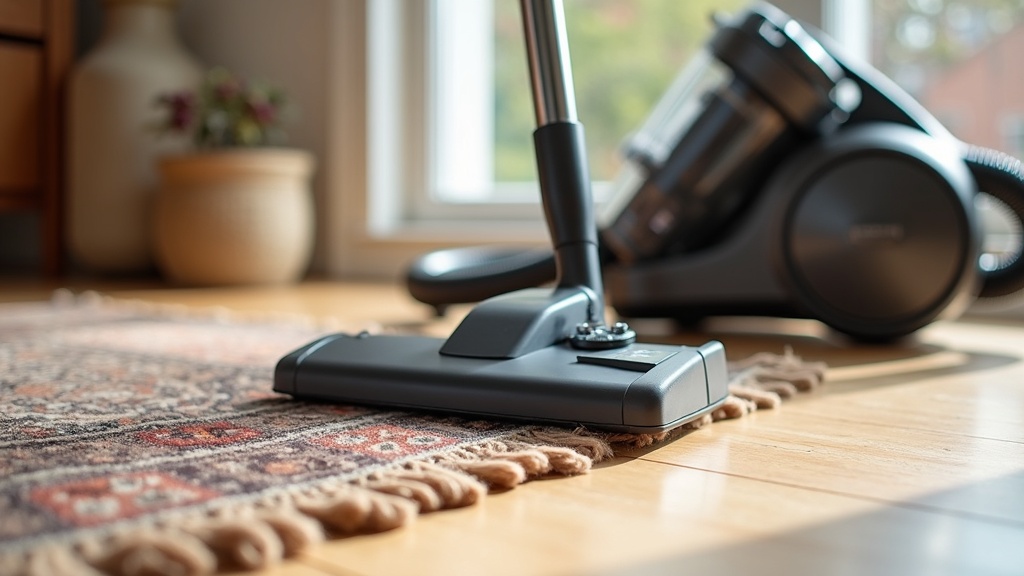
Vacuuming a Rug Correctly: Beater Bars and Fringe
Which vacuum setting is safe for your rug, how to protect fringe, and how often to vacuum by fibre and traffic.
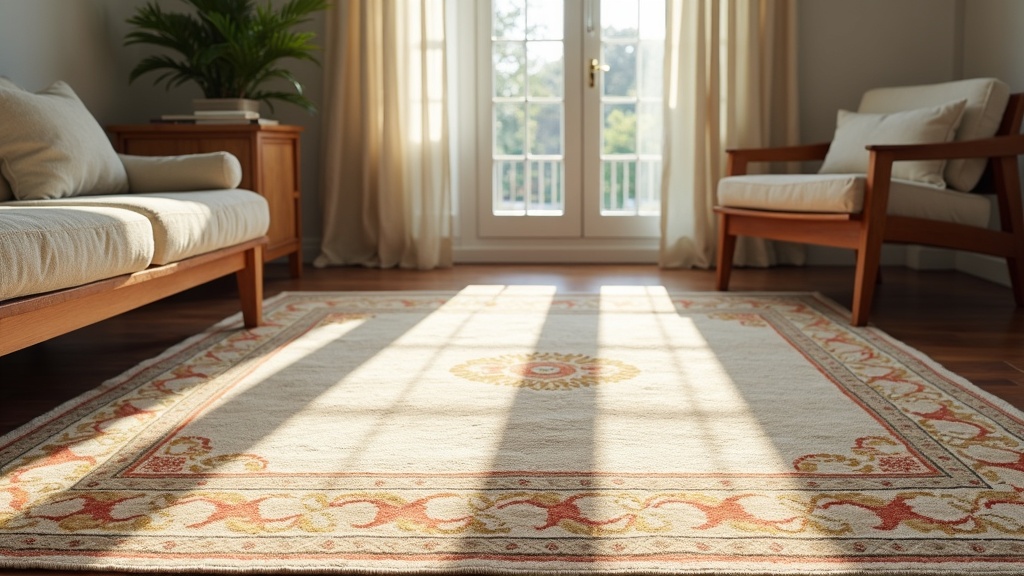
How Often Should You Professionally Clean a Rug?
A guide to how often area rugs need professional cleaning, based on traffic, fibre, pets, and household allergies.
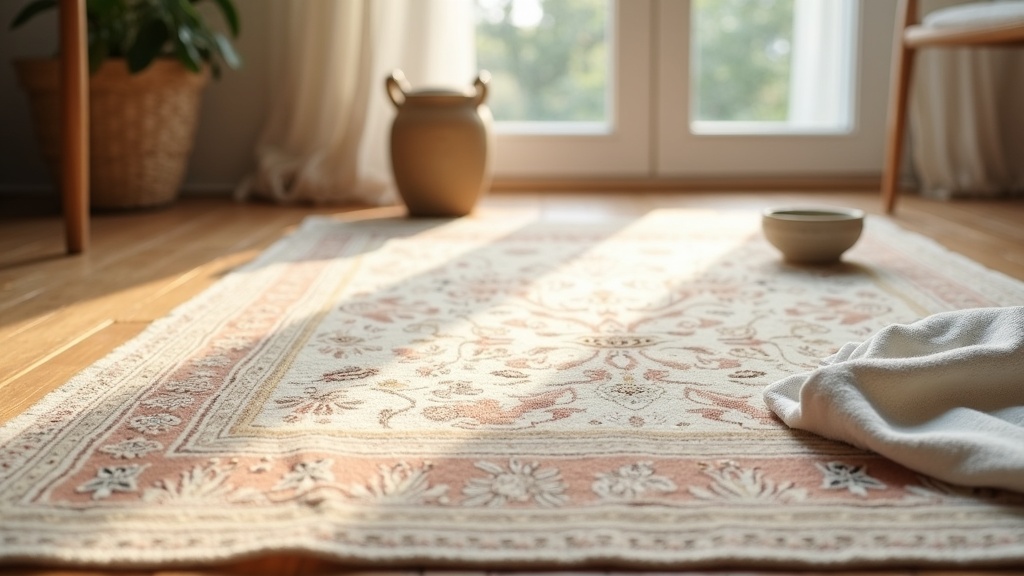
How to Remove Pet Stains and Odour From a Rug
Safe, fibre-specific steps to treat pet stains and odour on wool, synthetic, and hand-knotted rugs without causing permanent damage.
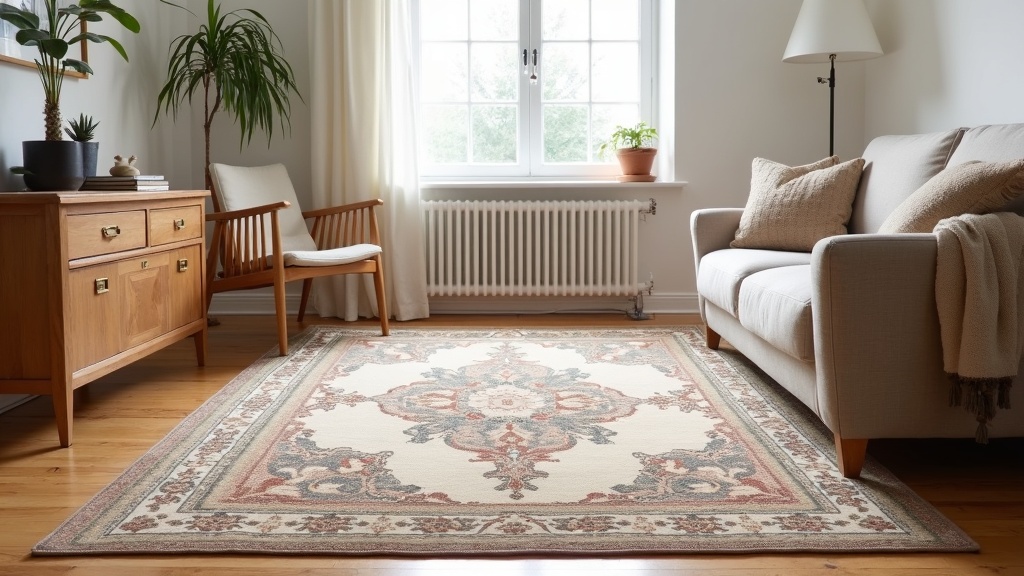
Can You Steam Clean a Rug? When It Helps or Ruins It
Steam cleaning can refresh some rugs but can shrink or buckle others permanently. Here's how to tell the difference before you start.
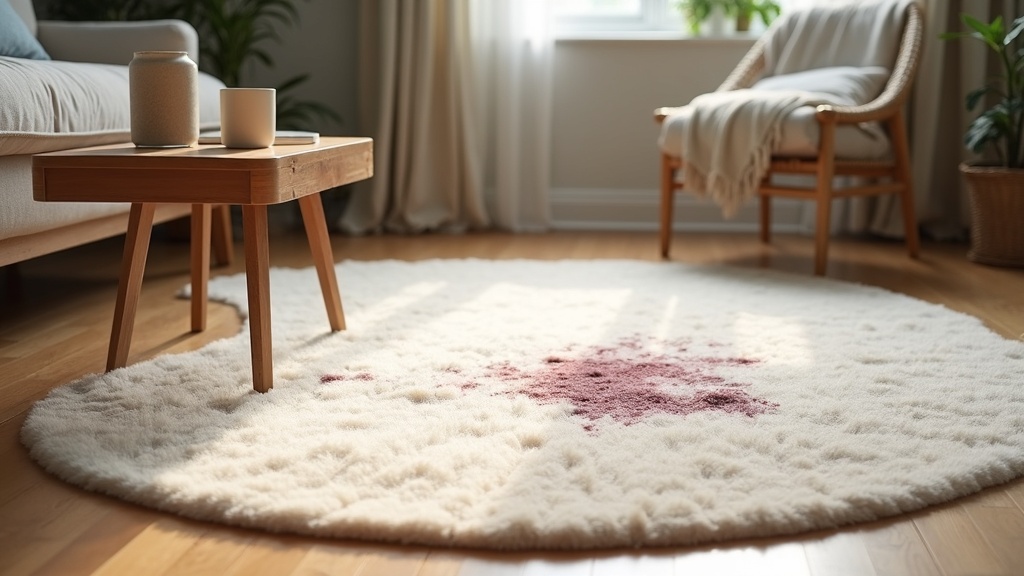
How to Get a Red Wine Stain Out of a Rug
Safe, fibre-by-fibre steps for blotting and treating a fresh or dried red wine stain on wool, synthetic, and silk rugs.
Fixing a Rug That Sheds Excessively
Learn why rugs shed, how to tell normal shedding from a real problem, and safe fixes by fibre and construction.
Dealing With a Rug That Has a Burn Mark
How to assess a burn mark on a rug, what can be repaired versus what needs a conservator, and how burns affect…
What a Rug Conservator Does That a Cleaner Doesn’t
A rug conservator assesses fibre, dye and structure before treatment; a cleaner mainly removes dirt. Here's the real difference explained.
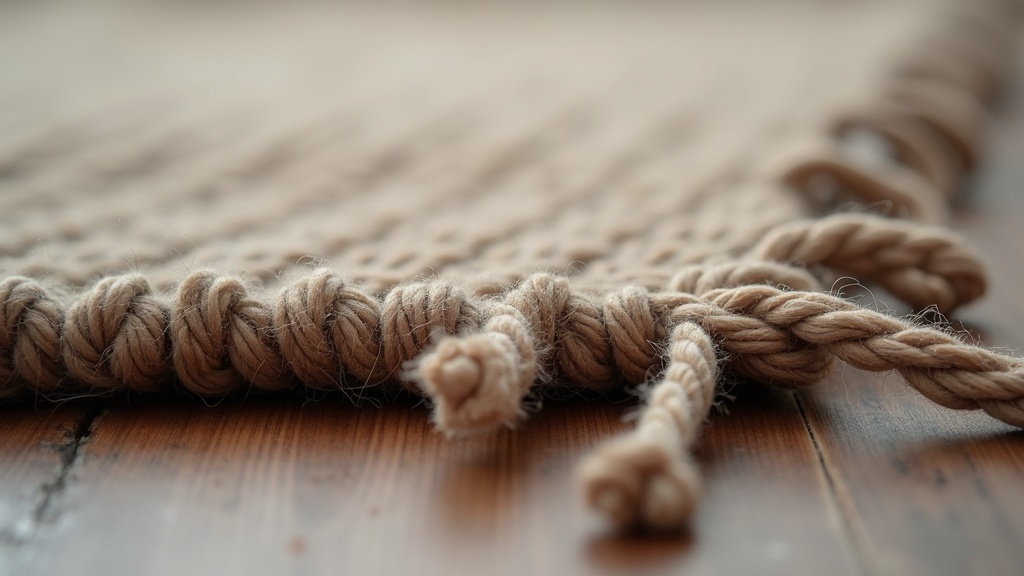
Restoring a Rug’s Worn Edges: What Actually Works
Worn rug edges can often be saved. Here's how professionals assess and repair them, and when DIY fixes do more harm than…
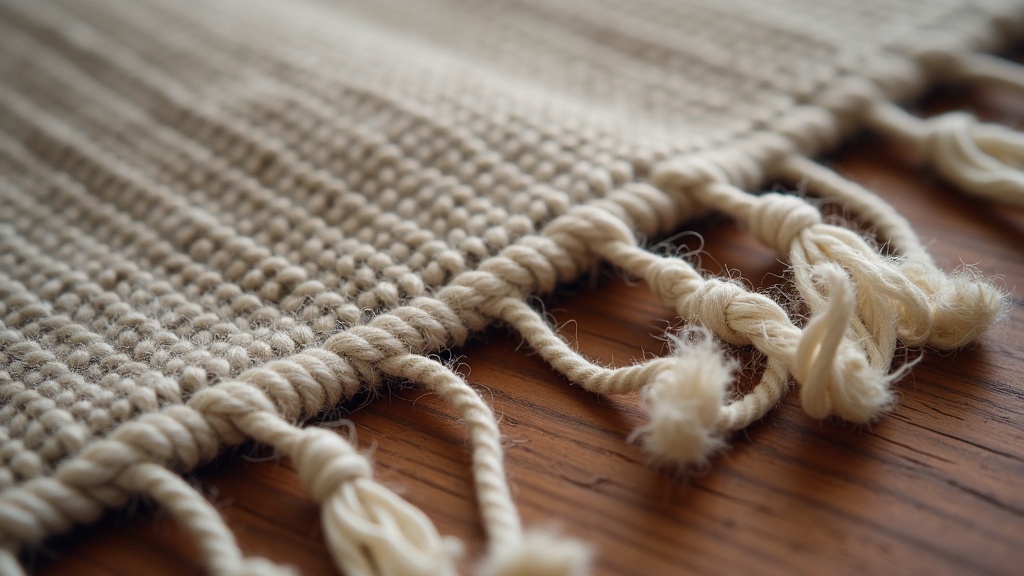
Fixing a Curling or Damaged Rug Selvedge
Why rug selvedges curl or unravel, what you can safely re-wrap yourself, and when reweaving by a professional is the only real…
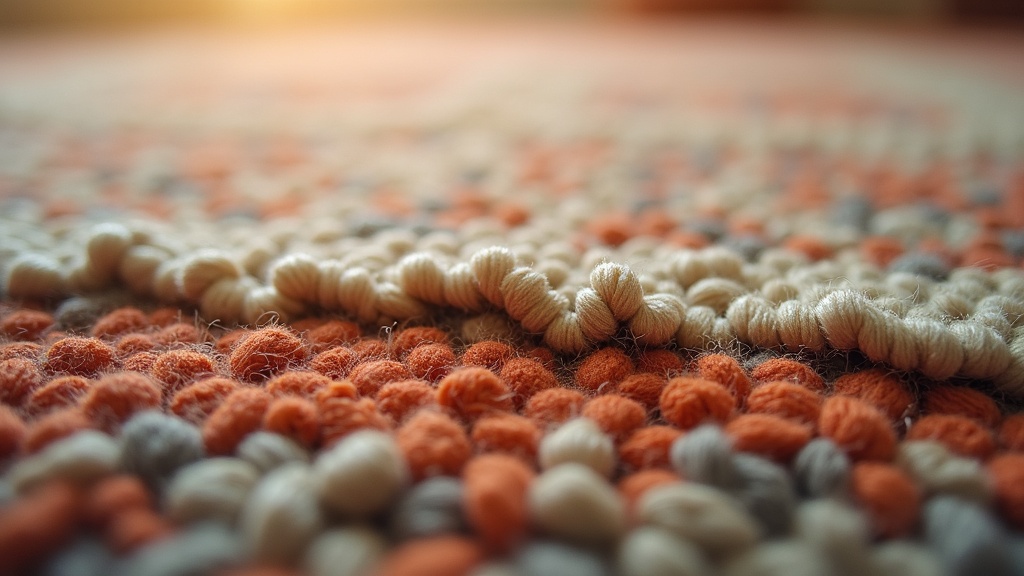
Reweaving vs Patching: How Professionals Repair Holes
Reweaving rebuilds a hole thread by thread; patching inserts a matched piece. Learn how professionals choose, and what each costs a rug's…
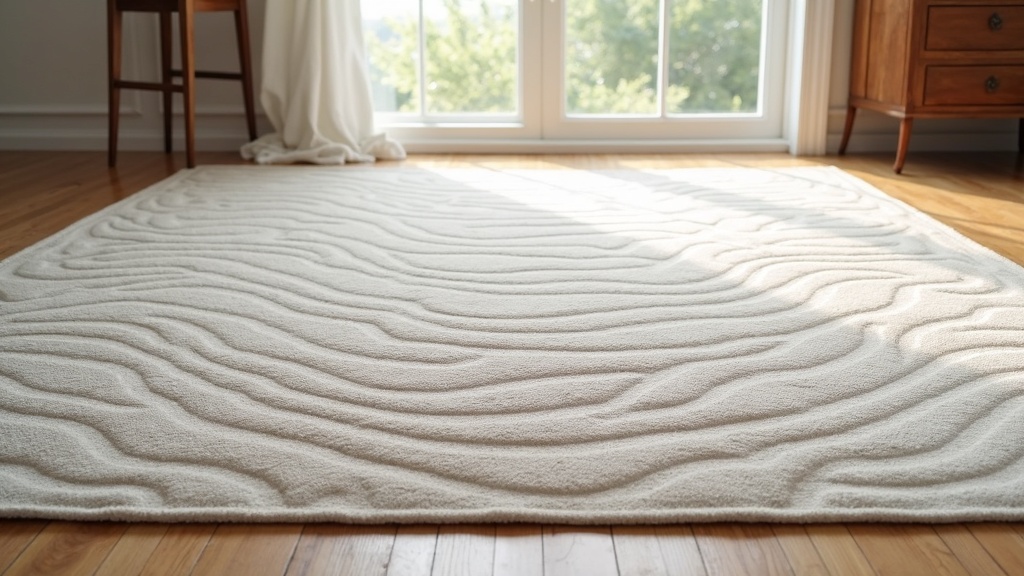
Rug Buckling and Rippling: Causes and Fixes
Why rugs buckle, wave, or ripple across the floor, and which fixes are safe to try at home versus when to call…
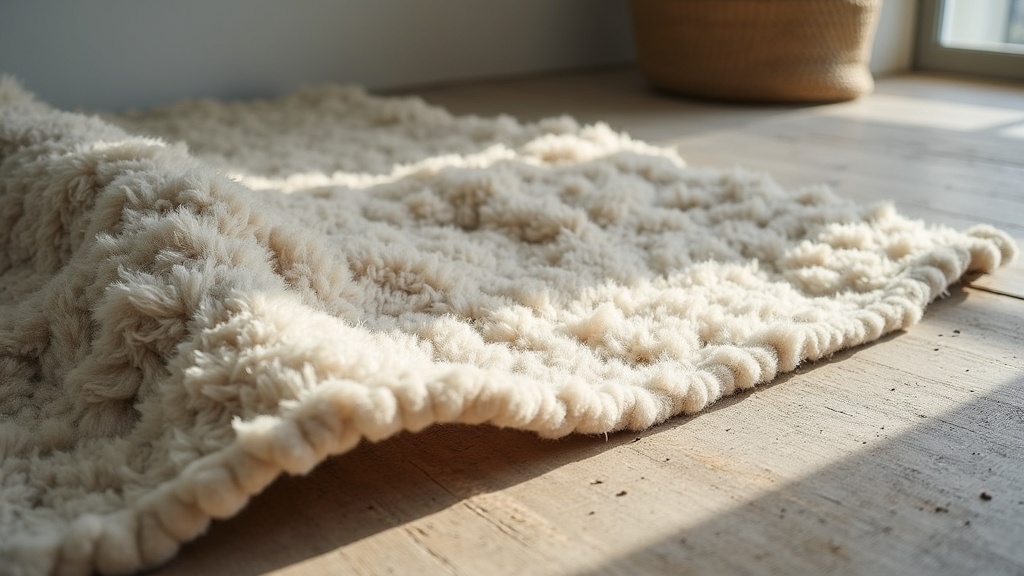
Moth Damage in Wool Rugs: What Can Be Saved
How to identify moth damage in wool rugs, what repairs are realistic, and when a rug should go to a professional restorer.
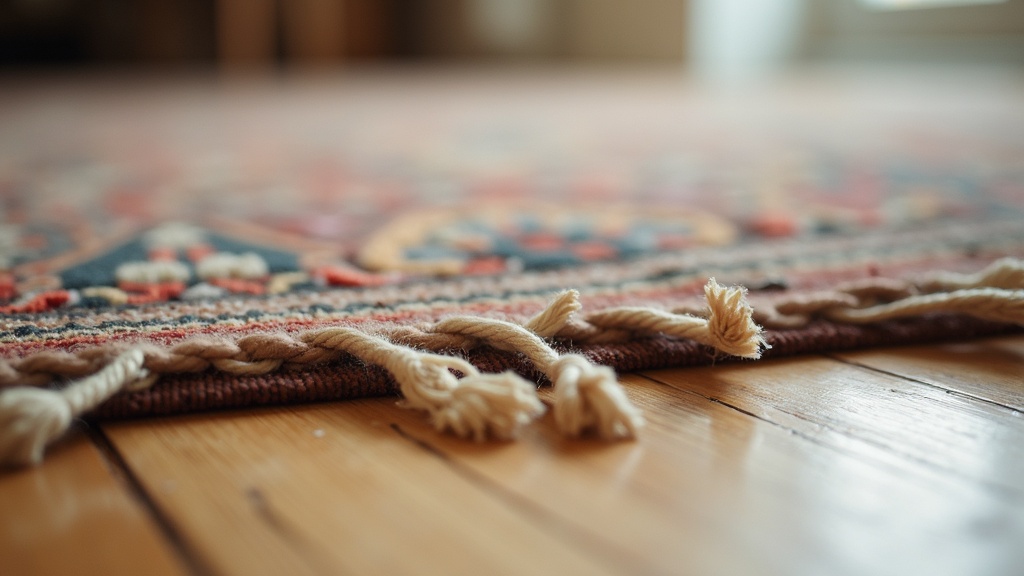
How to Fix Frayed Rug Fringe
Learn safe ways to repair frayed rug fringe by fiber type, when to hand-overcast versus replace it, and when to call a…
When Is a Damaged Rug Worth Repairing?
Learn what actually determines whether a torn, worn, or moth-damaged rug is worth fixing, and when to walk away instead.

Rug Care in a Humid Climate: A Complete Guide
How to protect rugs from mold, mildew and dye bleed in humid climates, plus safe cleaning, airflow and storage steps by fibre…
Sun, Humidity and Rugs: Managing the Environment
How sunlight and humidity fade, weaken and mildew rugs, and practical ways to protect wool, silk and synthetic pieces.
Keeping a Rug in Place on a Hardwood Floor
A rug pad is the safest fix for a sliding rug on hardwood — here's which type to use and what damages…
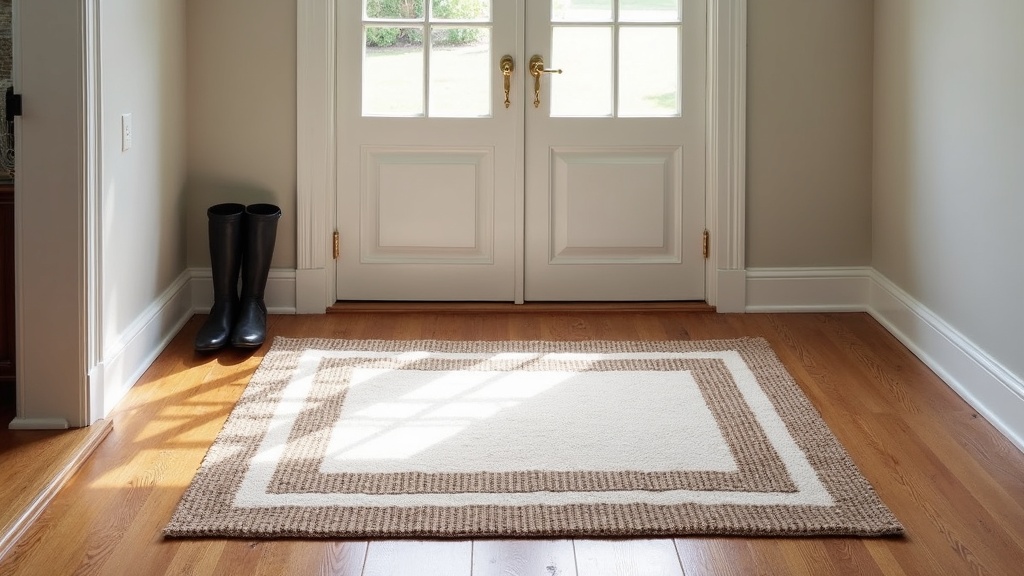
Protecting a Rug in a High-Traffic Entryway
How to shield an entryway rug from grit, moisture and wear with pads, mats, rotation and the right cleaning routine.
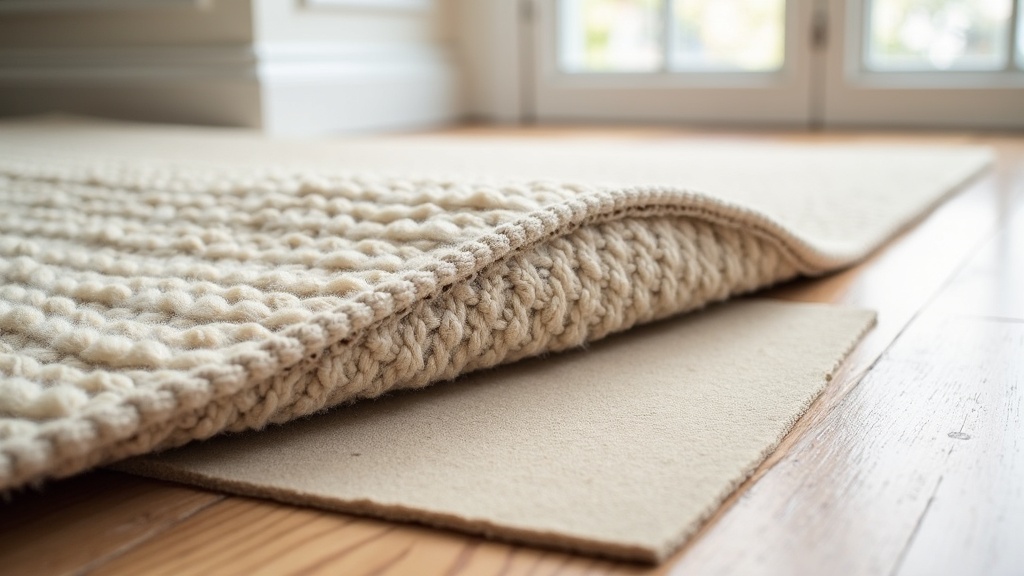
Rug Pads by Floor Type: Hardwood, Tile and Carpet
The right rug pad depends on your floor. Here's how to choose safely for hardwood, tile and carpet without damaging either surface.
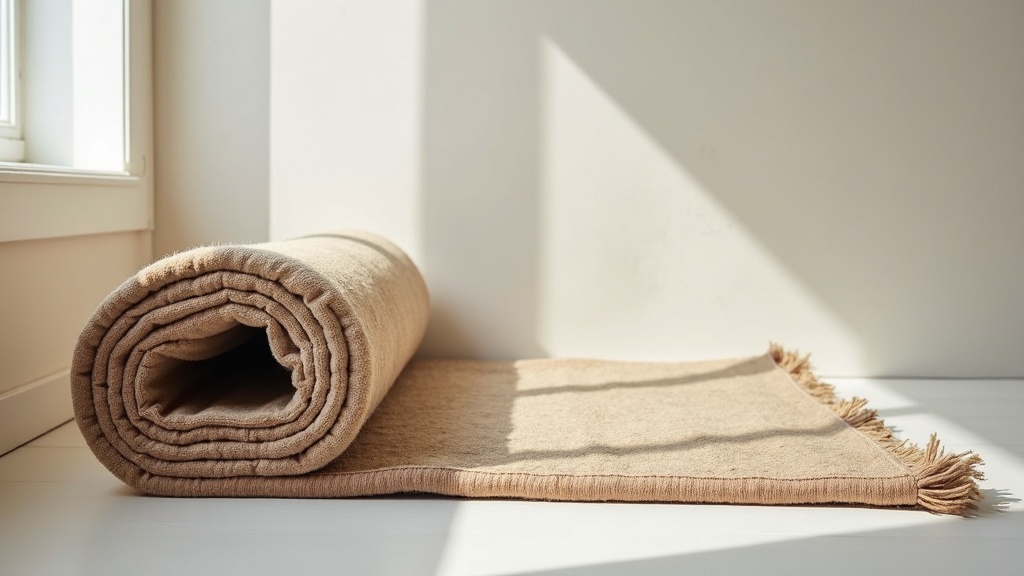
Preventing and Treating Moth Infestations in Rugs
Learn what draws moths to wool rugs, how to spot an infestation early, and which treatments are safe for different rug types.
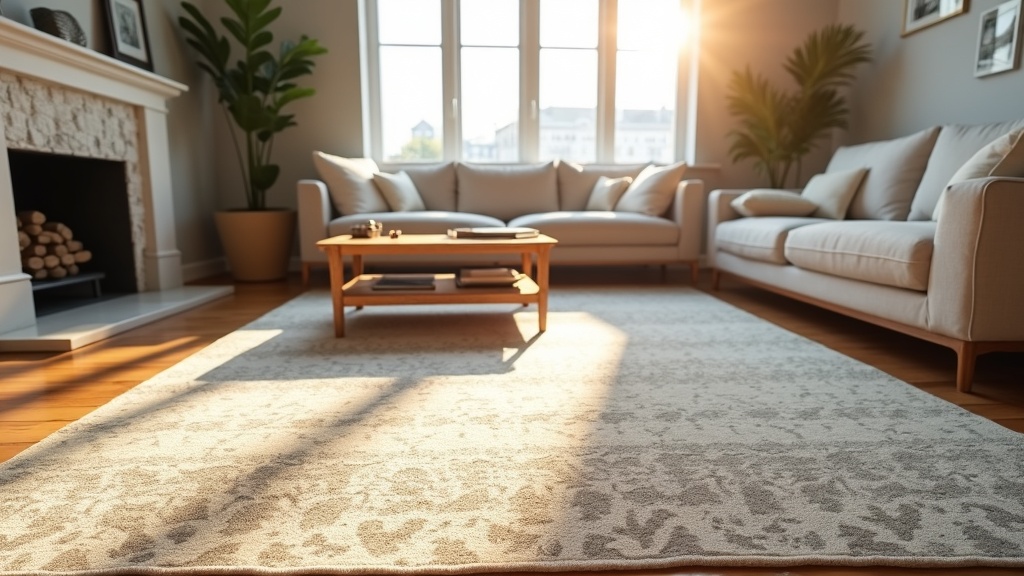
Rotating a Rug: Why It Matters and How Often
Rotating a rug evens out fading and wear. Learn why it matters, how often to do it, and how to rotate safely…
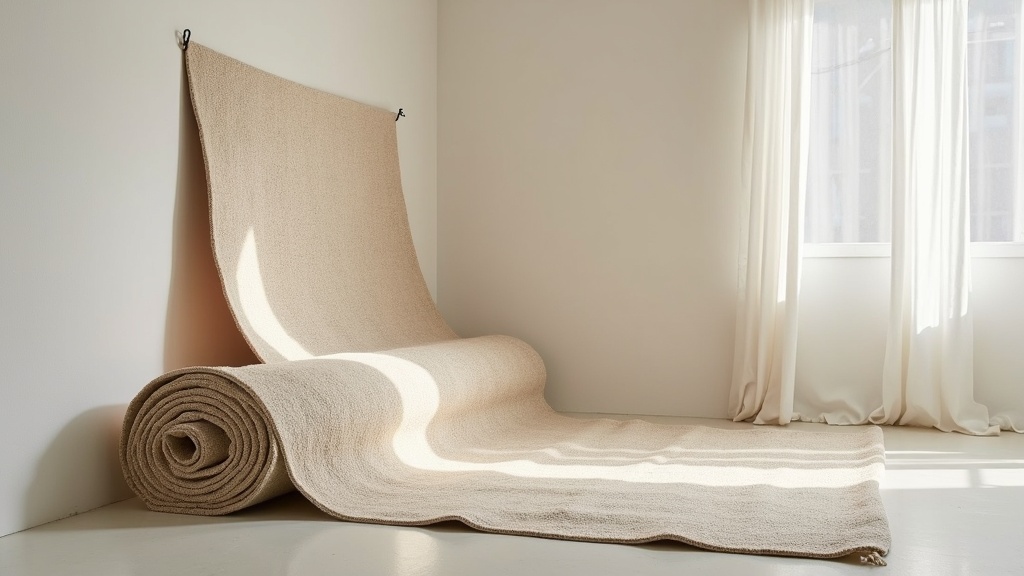
How to Store a Rug Long Term Without Damaging It
Learn how to clean, roll, wrap, and store a rug long term so moths, moisture, and creases don't ruin it.
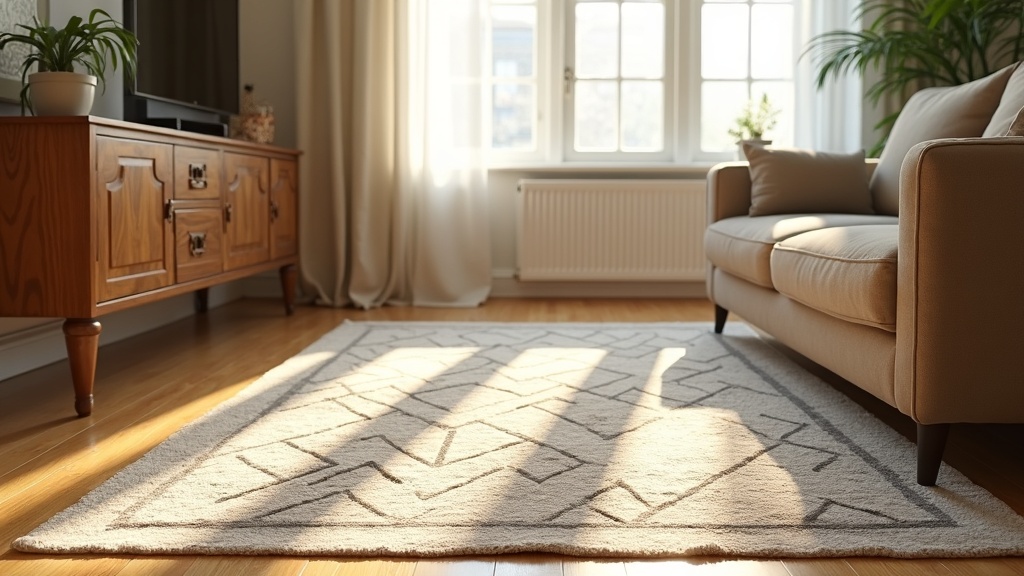
How to Protect a Rug From Sun Fading
Learn why UV light fades rug dyes and the practical steps that slow it down without damaging fibres or colour.
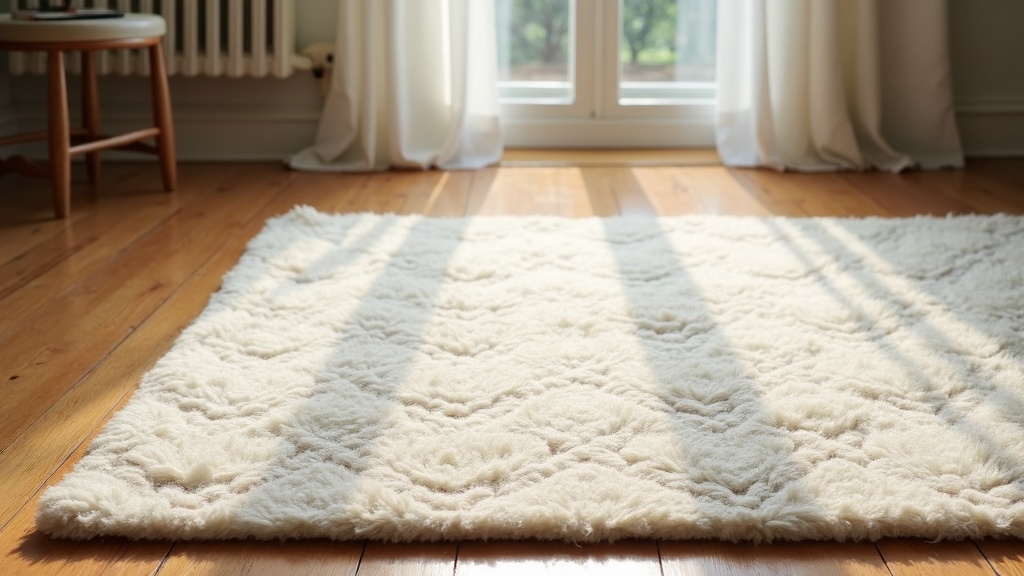
How to Stop a Rug From Curling at the Corners
Corners curling on your rug? Learn why it happens and which flattening methods are safe for wool, synthetic, or hand-knotted rugs.
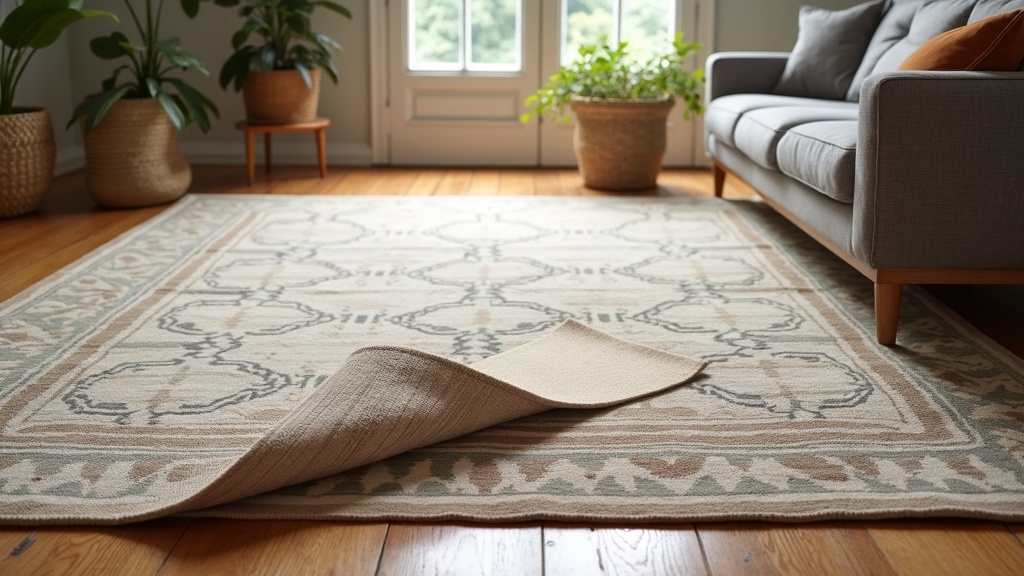
Do You Really Need a Rug Pad?
Yes, in most homes — a rug pad protects floors, prevents slipping, and extends a rug's life. Here's when it matters most.